
Table of Contents
Introduction
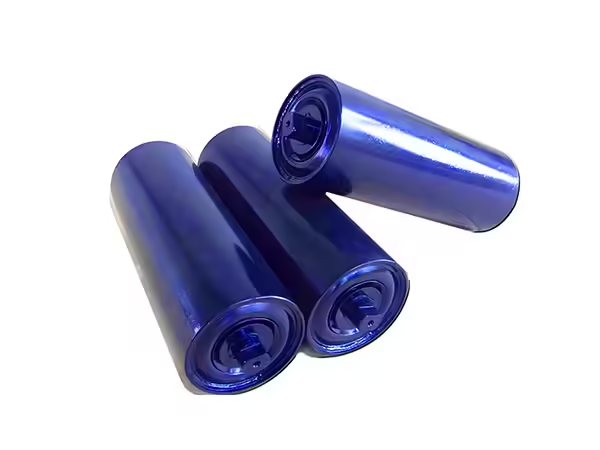
Roller conveyor components may appear simple when viewed from outside, but the performance of an industrial conveyor roller depends on several internal parts working as one mechanical system. The steel tube provides the rotating outer structure, the shaft establishes the central support, bearings allow rotation, bearing housings maintain internal alignment, and seals protect the bearing area from dust, moisture, and other contaminants.
In mining, quarrying, cement, steel, power generation, and other bulk-material applications, these components operate continuously while exposed to vibration, abrasive particles, changing loads, and environmental contamination. A problem with one internal part can therefore affect the complete roller even when the outer tube remains visibly intact.
Understanding how roller conveyor components interact is useful for product specification, replacement, inspection, and manufacturing. Rather than evaluating each part independently, engineers should consider how dimensions, materials, bearing arrangements, sealing structures, and assembly geometry work together inside the finished roller.
What Are Roller Conveyor Components?
Roller conveyor components are the individual mechanical elements that form the complete rotating roller assembly. In the product range used for industrial belt conveyors, these include roller tubes, shafts, bearings, bearing housings, seals, and related interfaces that hold the assembly together.
The current conveyor accessory range includes several bearing housing and sealing configurations designed specifically for conveyor rollers. These components are not general-purpose accessories added after roller production. They form part of the internal structure that determines bearing position, rotation, environmental protection, and compatibility with the shaft and roller tube.
The important engineering principle is that these components need to be matched. A bearing housing designed around one bearing or shaft arrangement should not automatically be combined with a different seal or roller diameter without checking dimensional compatibility.
1. Roller Tube Forms the Rotating Outer Structure
The roller tube is the most visible component in the assembly and forms the cylindrical surface that contacts the conveyor belt. It needs sufficient straightness, dimensional stability, and surface condition to rotate consistently around the shaft.
Tube diameter influences the space available for internal bearing housings and seals, while tube length determines the basic working span of the roller. Wall structure and material also affect mechanical behavior, particularly when the roller operates under continuous belt and material loads.
During manufacturing, the tube becomes one of the earliest dimensional references. Cutting accuracy and end condition influence later bearing housing installation, welding, and final roller geometry.
A tube that begins with substantial dimensional variation makes it more difficult for later roller conveyor components to maintain the intended common axis.
2. The Shaft Establishes the Central Mechanical Reference
The shaft runs through the center of the roller and provides the stationary support around which the outer shell rotates. It transfers forces from the bearings into the conveyor frame and also establishes the central reference used by the internal assembly.
Shaft diameter needs to correspond with bearing dimensions, while its overall length and end features need to match the conveyor bracket. Flats, grooves, and other machined features can also be required depending on the mounting arrangement.
For this reason, shaft geometry influences both internal and external compatibility. A shaft can fit the bearing correctly but still create installation problems if its end configuration does not match the frame.
Accurate shaft machining therefore forms an important part of the relationship between roller manufacturing and final conveyor installation.
3. Bearings Create the Rotational Interface
Bearings allow the roller shell to rotate relative to the stationary shaft. Their condition and position directly influence rotational resistance, alignment, and the way loads move through the roller.
Bearing size should be matched with shaft diameter, bearing housing geometry, roller diameter, load conditions, and sealing arrangement. Selecting a bearing independently from the other components can create dimensional conflicts inside the roller.
A larger bearing is not automatically better. Increasing bearing dimensions may require a larger housing, different shaft diameter, and another seal arrangement. These changes can then affect the available space inside the tube.
The bearing should therefore be treated as one component within a coordinated internal structure rather than as a separate upgrade.
4. Bearing Housings Position and Support the Bearing
The bearing housing creates the mechanical interface between the bearing and roller tube. It holds the bearing in the intended position and helps maintain the relationship between the rotating shell and central shaft.
Stamped bearing housings are commonly used in roller production because they can be integrated directly into the roller structure. During manufacturing, their dimensions and position need to remain consistent so that bearings at opposite ends share the same intended centerline.
The existing Conveyor Accessories range includes DT75, DTII, and TKII bearing housing configurations. The TKII housing, for example, is available for several bearing codes and roller diameters, demonstrating why bearing housing selection needs to correspond with the complete roller geometry.
If the housing is positioned incorrectly, even correctly manufactured shafts and bearings may not produce stable rotation. Housing accuracy therefore affects the entire roller rather than only the bearing seat itself.
Bearing Housing and Roller Diameter Must Match
A bearing housing has to fit inside the roller tube while also supporting the required bearing. This creates a three-way dimensional relationship between the tube, housing, and bearing.
The existing TKII bearing housing range shows this clearly. Different housing models correspond with specific bearing codes and several compatible roller diameters, rather than one housing being used universally across every roller size.
When roller diameter changes, the internal component arrangement should therefore be reviewed rather than assuming that the previous bearing housing remains suitable.
This is particularly important in custom or mixed-size production, where several roller specifications may be manufactured using the same general production equipment.
5. Roller Seals Protect the Bearing Area
The bearing area sits close to the outside environment because the shaft passes through the end of the roller assembly. Dust, moisture, fine particles, and other contaminants can approach this area continuously during conveyor operation.
Roller seals create a protective path between the outside environment and the internal bearing chamber. The current product range includes TD75, DTII, and TKII sealing configurations designed for different roller structures.
A TKII roller seal uses a labyrinth-type arrangement in which multiple rings and grooves create a longer path between the external environment and bearing area. Its structure is designed for conveyor applications where dust and moisture protection are particularly important.
The correct seal still needs to correspond with the shaft, bearing housing, bearing, and roller diameter. A seal should therefore never be selected purely because its outside appearance resembles another component.
How Labyrinth Sealing Works
A labyrinth seal uses a tortuous internal path rather than relying only on direct contact between two surfaces. The longer and more complex path makes it more difficult for contaminants to travel directly toward the protected area.
In conveyor rollers, this principle can be useful because the roller rotates continuously while its ends remain exposed to dust and other material generated by the conveyor environment.
The sealing structure still depends on dimensional accuracy. Gaps that are too large can reduce the intended protective effect, while unsuitable internal clearances can interfere with normal rotation.
This is why sealing performance begins with component compatibility during manufacturing rather than only with the number of rings visible inside the seal assembly.
6. The Bearing Housing and Seal Must Work Together
Bearing housings and seals perform different functions, but their dimensions are directly connected. The housing positions the bearing, while the sealing system surrounds the area through which the shaft passes.
If the housing geometry changes, the available space for sealing components can also change. Similarly, changing shaft diameter can affect both bearing selection and the sealing interface.
For this reason, roller conveyor components should be reviewed as a connected group. Choosing one component first and forcing the others to fit afterward creates unnecessary risk of dimensional incompatibility.
A more reliable approach begins with the complete roller specification and then matches the shaft, bearing, housing, and seal around that geometry.
7. Assembly Interfaces Preserve the Internal Geometry
The individual components only become a functional roller after they are assembled around a common axis. The relationship between tube, bearing housing, bearing, seal, and shaft therefore needs to remain stable throughout pressing, positioning, and welding.
An accurately manufactured part can still perform poorly if assembly introduces misalignment. Bearing housings installed at different positions, bearings pressed incorrectly, or components shifted during welding can alter the rotational behavior of the finished roller.
Manufacturing fixtures and dedicated assembly equipment help maintain these relationships by locating components from repeatable references.
For batch production, this becomes particularly important because the same assembly geometry needs to be reproduced across many rollers rather than corrected individually after completion.
How the Components Transfer Conveyor Load
A conveyor roller supports belt and material forces through a connected mechanical path. Load enters through the outer roller tube, moves through the bearing housing and bearing, reaches the shaft, and finally transfers into the conveyor frame.
Each component therefore contributes to the complete structural system.
If the shaft is unsuitable for the load, changing only the seal will not correct the problem. If the bearing housing is misaligned, installing a different bearing may not restore correct rotation.
Understanding this load path helps explain why individual roller conveyor components should not be evaluated in isolation.
Why Internal Alignment Matters
The tube, bearings, bearing housings, and shaft should share a common intended axis. When these components become misaligned, the roller can develop increased rotational resistance, vibration, or visible runout.
Alignment begins during component manufacturing but continues through assembly. Shaft straightness, tube geometry, bearing housing position, bearing seating, and welding all contribute to the final rotational axis.
This makes internal alignment one of the most important quality factors even though it cannot always be seen after the roller has been completed.
Final rotational inspection can therefore reveal assembly issues that individual component measurements may not identify on their own.
Roller Components in Dusty Environments
Mining, quarrying, and cement conveyors commonly operate around airborne particles and material buildup. Fine contamination can accumulate around the ends of the roller where the shaft and sealing system are located.
In these environments, seal condition becomes particularly important, but the seal cannot provide reliable protection if it does not fit correctly with the housing and shaft.
Material buildup should also be considered during maintenance. Debris around the roller end can hide seal damage or interfere with the way the component is visually inspected.
A suitable component specification therefore needs to consider environmental conditions from the beginning rather than treating contamination as only a maintenance issue.
Roller Components in Moist Environments
Moisture introduces another challenge because it can approach the bearing area through openings around the shaft. Industrial conveyors operating outdoors, in ports, washing environments, or other exposed areas may experience this condition more frequently.
The sealing system should therefore match the actual environmental exposure, while bearing housings and other steel components need suitable material and surface protection.
External coating and internal sealing solve different problems. A protected steel surface does not replace the need for a suitable bearing seal, just as a strong labyrinth seal does not protect every exposed metal surface from the surrounding environment.
The complete roller design should address both areas separately.
DT75, DTII, and TKII Are Not Interchangeable Labels
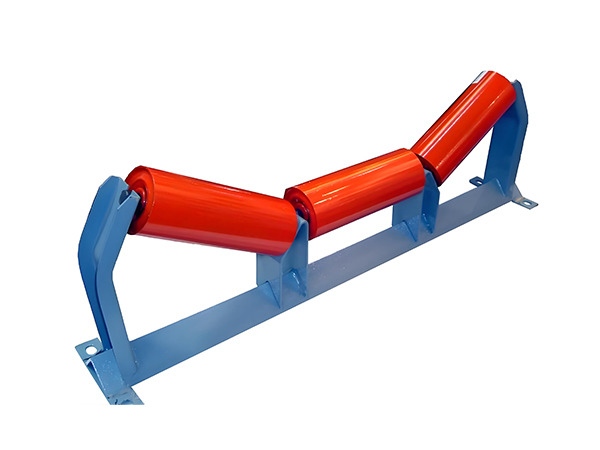
DT75, DTII, and TKII refer to different roller component systems and should not be treated simply as marketing names for visually similar parts.
Bearing housings and seals within these systems can use different dimensions, bearing relationships, groove structures, and installation details. Their suitability depends on the complete roller structure in which they are used.
When replacing roller conveyor components, the existing component code or physical dimensions should therefore be checked carefully rather than selecting a seal or housing according to external appearance.
Technical drawings and original roller specifications provide a stronger reference than visual comparison alone.
Why Component Matching Matters During Replacement
Replacement work often begins after an existing roller has already been operating for a long period. Wear, corrosion, contamination, or previous repairs can make it difficult to determine the original component dimensions from appearance alone.
Bearing code, shaft diameter, roller diameter, bearing housing structure, and seal type should therefore be confirmed before a replacement component is selected.
Where possible, the undamaged side of the roller or the original technical drawing can provide a useful reference.
Replacing only the visible damaged component without checking its relationship with the surrounding parts can result in an assembly that physically fits but does not reproduce the original internal geometry.
Manufacturing Bearing Housings
Stamped bearing housings are produced from steel plate through forming operations that create the required internal and external geometry.
Dimensional control is important because the housing needs to fit the roller tube while holding the bearing in the intended position. If the formed geometry varies, the final bearing relationship can also vary.
During roller production, the housing may then be positioned and joined with the tube. This operation needs to preserve concentricity so that both ends of the completed roller share a common axis.
The quality of a finished roller therefore begins well before bearing installation.
Manufacturing Roller Seals
Sealing components require controlled geometry because the labyrinth paths and internal clearances determine how the seal interacts with the rotating and stationary parts of the roller.
Materials such as engineering polymers can be used in some sealing structures where their friction, wear, or self-lubricating characteristics suit the design.
The important point is dimensional compatibility. Each sealing ring needs to match the surrounding housing, shaft, and adjacent seal components.
A complicated seal design provides limited value if manufacturing variation prevents the individual parts from fitting together as intended.
Bearing Installation Should Avoid Uncontrolled Force
Bearings need to be installed into the intended housing position without introducing unnecessary damage or misalignment.
Controlled pressing is generally more repeatable than impact-based installation because the assembly force can be applied along a predictable direction. The bearing should reach the correct position while maintaining its relationship with the shaft and housing.
In repeated production, dedicated assembly equipment can also help both roller ends receive similar treatment.
The objective is not simply to place the bearing inside the roller, but to preserve the dimensional relationship established by the previous machining and housing processes.
Why Roller Runout Can Indicate Component Problems
Visible runout occurs when the roller surface does not follow a consistent circular path during rotation. This condition can originate from several components rather than one obvious failure.
Tube straightness, bearing housing alignment, bearing seating, shaft geometry, and assembly can all contribute to the final result.
For this reason, runout provides a useful final indicator of how successfully the individual roller conveyor components have been combined.
If several rollers from the same batch show similar runout patterns, the production process should be reviewed rather than treating every completed roller as an unrelated defect.
Rotational Resistance Is Also a System Result
A roller that is difficult to rotate can have a bearing issue, but excessive resistance may also originate from misalignment, unsuitable internal clearances, sealing interference, or contamination.
The correct troubleshooting approach therefore follows the internal component chain rather than replacing one part immediately.
Bearings, seals, housings, shafts, and assembly geometry should be inspected according to the observed condition. If the roller has operated in a dusty environment, contamination around the sealing area deserves particular attention.
This system-based approach helps identify the actual cause rather than only the component where the symptom becomes visible.
Component Selection for Mining Conveyors
Mining conveyors can expose roller components to heavy material loads, dust, moisture, vibration, and abrasive contamination.
Bearing housings need to maintain their geometry under these operating conditions, while seals help protect the bearing area from the surrounding environment.
The component combination should also correspond with roller diameter and shaft structure. A heavy industrial application should not be defined by one “heavy-duty” component while the surrounding parts remain mismatched.
The complete internal assembly needs to be evaluated according to the real conveyor environment.
Component Selection for Cement Conveyors
Fine dust creates a different challenge because particles can remain suspended and accumulate around roller ends over long operating periods.
For cement applications, sealing structure and fit around the bearing chamber deserve particular attention. Material buildup around the roller end can also make routine inspection more difficult.
Bearing housings, shafts, bearings, and seals should therefore be selected as one protected internal system.
This illustrates why the same roller diameter can use different component arrangements when the operating environment changes.
Component Selection for Quarry Conveyors
Quarry systems combine abrasive material, impact, vibration, and substantial dust. Rollers close to loading areas can experience different mechanical conditions from those installed farther along a stable carrying section.
Internal components should therefore correspond with both the environmental and mechanical conditions of the specific roller position.
Inspection should also consider whether repeated component problems occur at one conveyor location. If they do, bracket alignment, impact conditions, material buildup, and roller specification may need to be evaluated together.
Replacing the same seal or bearing repeatedly without examining the surrounding system can leave the original problem unresolved.
A Practical Roller Component Matching Matrix
A complete roller specification can be reviewed by connecting each component with the dimensions or conditions that influence it.
| Component | Main Function | Must Match With |
|---|---|---|
| Roller tube | Rotating belt-support surface | Diameter, length, housing |
| Shaft | Central support and mounting | Bearing, bracket, seal |
| Bearing | Allows rotation | Shaft, housing, load |
| Bearing housing | Positions bearing | Tube, bearing, seal |
| Roller seal | Protects bearing area | Shaft, housing, environment |
| Assembly interface | Maintains internal geometry | All roller components |
| Surface protection | Protects exposed material | Environment and material |
This relationship demonstrates why component selection should begin with the complete roller rather than with one replacement part.
Inspection Before Roller Assembly
Inspection should begin before components disappear inside the completed roller. Tube dimensions, shaft geometry, bearing housings, bearings, and sealing parts can all be checked individually before assembly.
This makes dimensional problems easier to identify because technicians can inspect the component that created the feature directly.
Once the roller has been assembled, final inspection can focus on the combined system, including overall dimensions, rotation, visible runout, and component condition.
Using both stages creates a stronger quality-control process than relying only on the finished roller.
Inspection During Maintenance
In service, not every internal component can be inspected without dismantling the roller, but several external symptoms provide useful information.
Unusual noise can indicate bearing or internal alignment problems, while contamination around the end may suggest sealing deterioration. Restricted rotation can result from bearing damage, contamination, seal interference, or assembly distortion.
Maintenance teams should also compare neighboring rollers because repeated problems across one conveyor area can indicate environmental or structural causes.
The objective is to connect visible symptoms with the internal component system rather than diagnose problems only from the outer tube.
Common Mistake: Selecting a Seal Without Checking the Housing
A replacement seal may look dimensionally similar while using a different internal arrangement. If the housing geometry or shaft interface does not match, the seal may not reproduce the intended protective structure.
This is especially important with DT75, DTII, and TKII configurations, where the component systems should be identified correctly.
The bearing housing, seal, shaft, and bearing should therefore be checked together before replacement.
Matching the complete assembly is more reliable than substituting individual parts according to appearance alone.
Common Mistake: Changing the Bearing Independently
Changing bearing size can affect more than the bearing itself. The shaft, housing, seal, and available space inside the roller may all depend on the original bearing dimensions.
A different bearing should therefore trigger a review of the complete internal structure.
If higher load requirements or another operating condition makes a specification change necessary, the surrounding components should be redesigned or confirmed accordingly rather than treated as fixed parts.
This prevents one component change from creating unintended dimensional conflicts elsewhere in the roller.
Common Mistake: Ignoring Assembly Accuracy
High-quality individual components do not guarantee a high-quality roller if they are assembled inaccurately.
Bearing housings can be misaligned, bearings can be positioned incorrectly, and seals can be installed with unsuitable clearances. Welding can also introduce variation if the workpiece is not centered and clamped consistently.
Manufacturing control therefore needs to continue through the entire assembly process.
The final roller should be evaluated as one rotating mechanical system rather than as a collection of individually acceptable parts.
How to Specify Roller Conveyor Components
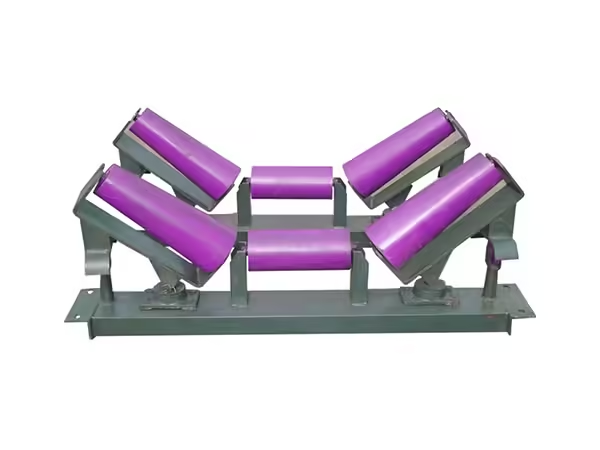
A useful component specification begins with the complete roller and conveyor application. Engineers should identify roller diameter, tube length, shaft dimensions, bearing code, bearing housing system, seal type, mounting geometry, material, environmental conditions, and operating position.
When replacement components are required, the existing system designation such as DT75, DTII, or TKII should also be confirmed where applicable.
Providing this information reduces the risk that one part will be selected correctly while its neighboring components remain incompatible.
Clear dimensional drawings and component codes are particularly valuable for repeat production because they provide the same technical reference for manufacturing, assembly, and inspection.
Conclusion
Roller conveyor components function as one connected mechanical system. The tube supports the belt, the shaft establishes the central reference, bearings provide rotation, bearing housings maintain internal positioning, and seals protect the bearing chamber from contamination.
The performance of the completed roller depends on how well these parts match one another. Bearing size affects the shaft and housing, housing geometry affects the seal, and the sealing system needs to correspond with both the internal structure and surrounding environment.
For industrial belt conveyor applications, component selection should therefore begin with the complete roller specification rather than an isolated replacement part. Controlled manufacturing, accurate assembly, and staged inspection help preserve the relationship between roller conveyor components from production through long-term operation.
FAQ
What are the main roller conveyor components inside an industrial conveyor roller?
The main components include the roller tube, central shaft, bearings, bearing housings, and sealing system. These parts operate as one assembly: the tube rotates around the shaft, bearings support this movement, bearing housings position the bearings, and seals help protect the internal bearing area from dust, moisture, and other contaminants.
What is the purpose of a conveyor roller bearing housing?
The bearing housing supports and positions the bearing inside the roller tube while helping maintain the relationship between the rotating shell and central shaft. Its dimensions need to correspond with the roller diameter, bearing code, seal arrangement, and shaft geometry so the internal components remain aligned around the intended rotational axis.
Why are roller seals important in mining and cement conveyors?
Mining and cement conveyors frequently expose roller ends to dust, fine particles, moisture, and material buildup. Roller seals create a protective path around the bearing chamber and reduce direct contaminant entry. The sealing structure still needs to match the shaft, bearing housing, and bearing arrangement to provide the intended internal protection.
Can DT75, DTII, and TKII roller components be used interchangeably?
They should not automatically be treated as interchangeable. DT75, DTII, and TKII bearing housings and seals can use different dimensions, structures, bearing relationships, and installation details. The existing roller specification, shaft size, roller diameter, bearing code, housing geometry, and sealing arrangement should be confirmed before replacing individual components.
How should roller conveyor components be inspected before assembly?
Inspection should confirm tube dimensions and condition, shaft diameter and end geometry, bearing housing dimensions, bearing specification, and seal compatibility before assembly begins. After the roller is completed, overall dimensions, rotational behavior, visible runout, and component condition can then be checked to confirm that the individual parts have been assembled into a consistent mechanical system.
 English
 French
 Spanish