

Table of Contents
Introduction
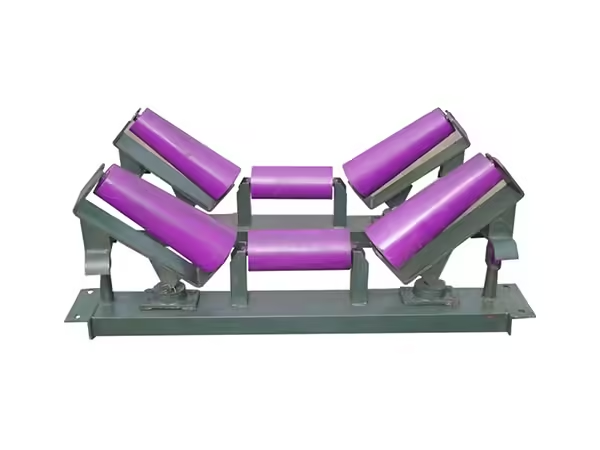
Modern manufacturing industries rely on precision components to maintain stable production performance, improve product quality, and reduce operational interruptions. Among these components, industrial rolls play a critical role in many production systems, and the accuracy of these rolls directly affects equipment efficiency. This is why roll machining has become an essential process for manufacturers that require high-performance cylindrical components.
Roll machining involves a series of specialized processes used to manufacture, repair, modify, and improve industrial rolls. Through advanced turning, grinding, and finishing operations, manufacturers can achieve precise dimensions, improved surface quality, and better operational reliability.
Unlike standard machining processes, roll machining requires specialized knowledge because industrial rolls are often large, heavy, and used under demanding working conditions. Factors such as diameter accuracy, surface finish, material characteristics, and alignment precision all influence final performance.
As manufacturing systems continue moving toward automation and higher quality standards, professional roll machining solutions help companies extend equipment lifespan, improve production consistency, and maintain competitive manufacturing capabilities.
What Makes Roll Machining Different From Standard Machining?
Roll machining is a specialized machining process designed specifically for cylindrical rolls used in industrial equipment. While traditional machining focuses on general component processing, roll machining requires additional attention to surface accuracy, roundness, balance, and long-term operational performance.
Industrial rolls often operate under continuous pressure, friction, and mechanical stress. Even small surface defects or dimensional deviations can affect production results.
The main differences between roll machining and standard machining include:
| Comparison Factor | Roll Machining | Standard Machining |
|---|---|---|
| Workpiece type | Large cylindrical rolls | General mechanical parts |
| Accuracy requirements | High dimensional and surface precision | Depends on component requirements |
| Main processes | Turning, grinding, finishing | Cutting, drilling, milling, turning |
| Application focus | Industrial production equipment | General manufacturing |
A successful roll machining process requires advanced equipment, professional operators, and strict quality inspection procedures.
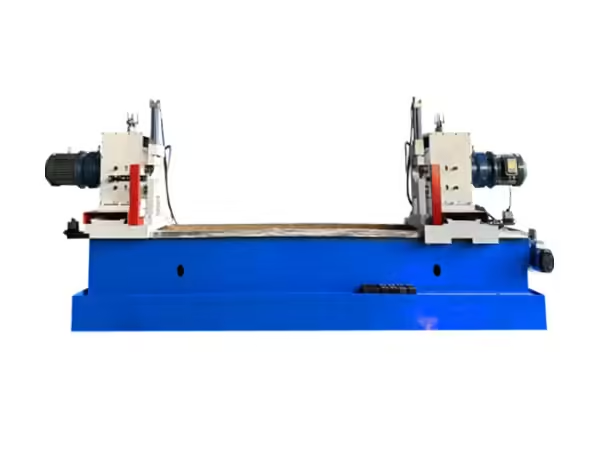
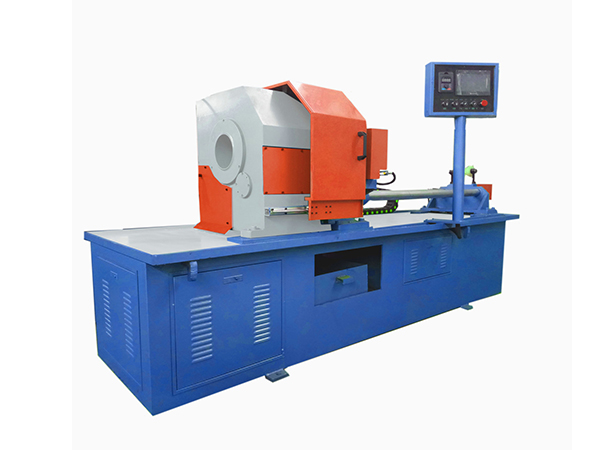
For manufacturers seeking reliable production equipment solutions, manufacturing and processing machinery supports industrial operations with equipment designed for improving manufacturing efficiency and precision.
Main Processes Involved in Roll Machining
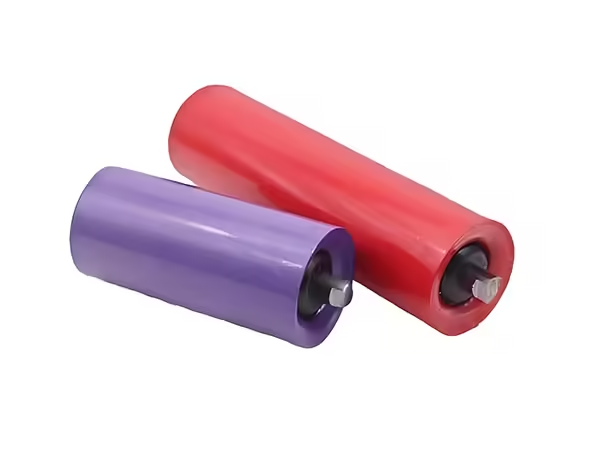
Roll machining is not a single operation but a combination of multiple precision processes. Each stage contributes to the final performance of the industrial roll.
Roll Turning Process
Roll turning is usually one of the first machining steps used to shape and restore the roll surface.
During this process, cutting tools remove unwanted material to achieve:
- Correct roll diameter
- Improved surface shape
- Better dimensional accuracy
- Removal of damaged surface areas
Modern CNC turning equipment allows manufacturers to control machining parameters more accurately, especially when processing large cylindrical components.
Roll Grinding Process
Roll grinding is a critical stage when higher surface accuracy is required.
This process improves:
- Surface smoothness
- Roundness accuracy
- Diameter consistency
- Contact performance
For applications where rolls directly influence product quality, grinding accuracy becomes especially important.
Surface Finishing Process
After turning and grinding, additional finishing processes may be applied depending on operational requirements.
Finishing helps improve:
- Surface condition
- Friction characteristics
- Long-term performance
The correct combination of machining processes ensures that industrial rolls meet specific application requirements.
Why Precision Matters in Roll Machining
Precision is one of the most important factors determining the performance of industrial rolls. Poor machining accuracy can lead to equipment vibration, uneven wear, and inconsistent production results.
Improving Equipment Stability
Accurate roll dimensions help maintain proper mechanical alignment.
Benefits include:
- Reduced vibration
- Better rotational balance
- More stable operation
- Lower mechanical stress
Enhancing Product Quality
In many industries, rolls directly contact materials during production. Surface quality and dimensional accuracy can influence the final product.
High-quality roll machining helps achieve:
- More consistent production results
- Better surface treatment
- Reduced processing defects
Reducing Maintenance Requirements
Precisely machined rolls experience less uneven wear, which helps reduce maintenance frequency.
This allows manufacturers to:
- Extend component lifespan
- Reduce downtime
- Improve production continuity
Key Applications of Roll Machining in Industrial Manufacturing
Roll machining is widely used in industries where large cylindrical components require high precision and durability.
Metal Processing Applications
Metal processing equipment often depends on accurately machined rolls to maintain consistent material thickness, surface quality, and production efficiency.
Paper Manufacturing Equipment
Paper production systems require rolls with smooth surfaces and precise alignment to ensure stable operation.
Printing and Packaging Equipment
Precision rolls are essential for maintaining accurate material movement and processing quality.
Heavy Industrial Equipment
Large-scale machinery often uses industrial rolls that must withstand continuous mechanical stress and demanding working environments.
Factors to Consider Before Choosing a Roll Machining Solution
Selecting the correct roll machining approach requires careful evaluation of technical requirements and production conditions.
Material Characteristics
Different roll materials require different machining methods.
Important considerations include:
- Material hardness
- Wear resistance
- Heat resistance
- Mechanical strength
Understanding material properties helps determine suitable cutting tools and machining parameters.
Dimensional Accuracy Requirements
Manufacturers should evaluate:
- Roll diameter
- Length requirements
- Straightness tolerance
- Surface specifications
Accurate measurements help achieve better machining results.
Surface Performance Requirements
The required surface condition depends on the final application.
Factors to consider include:
- Contact conditions
- Operating environment
- Production requirements
A suitable finishing process improves roll performance and service life.
How CNC Technology Improves Roll Machining Efficiency
CNC technology has significantly improved the accuracy and efficiency of modern roll machining.
Automated Precision Control
CNC systems allow manufacturers to control cutting paths and machining parameters digitally.
This provides:
- Better repeatability
- Reduced human error
- More consistent results
Processing Large Workpieces More Efficiently
Large industrial rolls require powerful and stable machining systems. CNC technology helps manage complex operations while maintaining accuracy.
Improving Production Management
Digital machining programs allow manufacturers to store, adjust, and optimize production processes more efficiently.
The development of computer numerical control technology has transformed modern manufacturing by improving automation and machining precision.
Maintenance Strategies After Roll Machining
Proper maintenance is essential to preserve the performance achieved through roll machining.
Regular Surface Inspection
Manufacturers should regularly check:
- Surface wear
- Scratches or damage
- Dimensional changes
- Operating conditions
Early detection helps prevent more serious production problems.
Monitoring Alignment and Balance
Incorrect alignment can reduce roll performance and increase mechanical stress.
Regular checks help maintain:
- Stable rotation
- Better equipment performance
- Longer component lifespan
Professional Reconditioning
Some industrial rolls can be restored through additional machining rather than complete replacement.
Reconditioning through proper roll machining methods can improve resource efficiency and extend operational life.
Future Trends Driving Roll Machining Development
Manufacturing technology continues evolving, and roll machining is becoming more advanced through automation and digital solutions.
Intelligent Manufacturing Integration
Future machining systems will increasingly combine sensors, software, and automated controls to improve production accuracy.
Advanced Quality Monitoring
Digital inspection technologies allow manufacturers to measure surface conditions and dimensional accuracy more efficiently.
More Sustainable Machining Practices
Modern manufacturers are focusing on reducing waste, improving energy efficiency, and extending component service life.
These trends will continue shaping the future development of precision roll machining.
Common Mistakes When Selecting Roll Machining Services
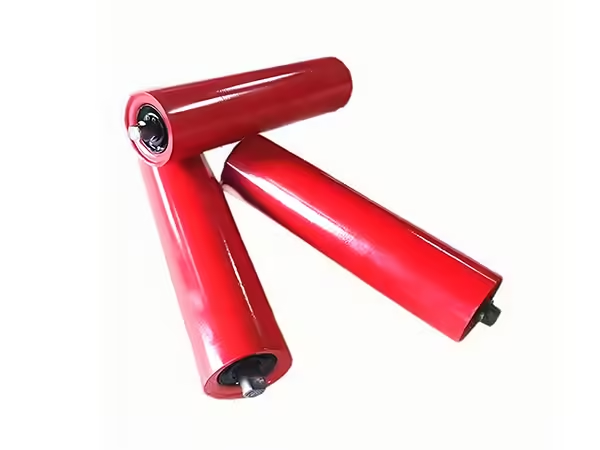
Choosing unsuitable machining solutions may affect production performance and increase operational challenges.
Ignoring Application Requirements
Different industrial rolls have different requirements. Machining methods should match actual operating conditions.
Selecting Equipment Without Considering Accuracy
Basic machining capability may not be enough for high-precision applications.
Manufacturers should evaluate:
- Equipment capability
- Technical experience
- Quality control methods
Overlooking Long-Term Performance
A successful roll machining solution should focus not only on immediate results but also on durability and operational reliability.
Conclusion
Roll machining is a critical manufacturing process that helps industries produce and maintain high-performance industrial rolls with precise dimensions and reliable surface quality. Through advanced turning, grinding, and finishing technologies, manufacturers can improve equipment stability, extend component lifespan, and achieve more consistent production results.
Choosing the right roll machining solution requires careful consideration of material properties, accuracy requirements, surface conditions, and application needs. Professional machining processes provide significant value by improving operational efficiency and reducing long-term maintenance challenges.
As industrial manufacturing continues developing toward higher precision and automation, roll machining will remain an important technology for supporting advanced production systems and improving manufacturing performance.
FAQ
What is roll machining used for?
Roll machining is used to manufacture, repair, and improve industrial rolls by achieving precise dimensions, surface quality, and reliable performance for production applications.
What processes are included in roll machining?
Common roll machining processes include turning, grinding, polishing, and surface finishing to achieve required accuracy and performance.
Why is precision important in roll machining?
Precision affects roll balance, equipment stability, product quality, and the overall efficiency of industrial production systems.
Which industries require roll machining?
Industries such as metal processing, paper manufacturing, printing, packaging, and heavy machinery commonly use roll machining processes.
How does CNC technology improve roll machining?
CNC technology improves roll machining by providing automated control, higher accuracy, better repeatability, and more efficient production processes.
 English
  French
  Spanish