
Table of Contents
Introduction
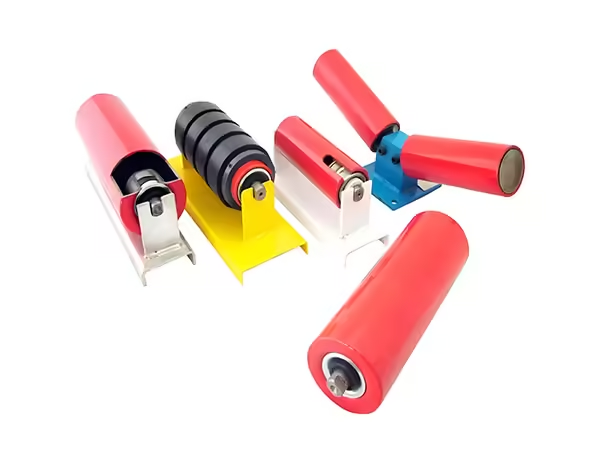
Reliable conveyor systems are essential for efficient material handling in modern industrial operations. Whether used for bulk transportation, production processes, or continuous material movement, conveyor performance depends heavily on the quality of individual components. Among these components, prok conveyor idlers play an important role in supporting conveyor belts, improving belt stability, and maintaining smooth material flow.
Conveyor idlers may appear to be simple mechanical components, but their design quality directly affects conveyor efficiency, maintenance requirements, and operating reliability. High-performance idlers help reduce belt friction, support heavy loads, and prevent problems such as belt misalignment and excessive wear.
As industries continue to focus on automation, productivity improvement, and equipment reliability, selecting suitable conveyor idlers has become increasingly important. Understanding the structure, applications, benefits, and selection factors of prok conveyor idlers helps businesses make better decisions when optimizing conveyor systems.
This guide provides a detailed overview of conveyor idler technology, explaining how these components contribute to efficient material handling and how to evaluate their suitability for different industrial applications.
What Are Prok Conveyor Idlers and How Do They Work?
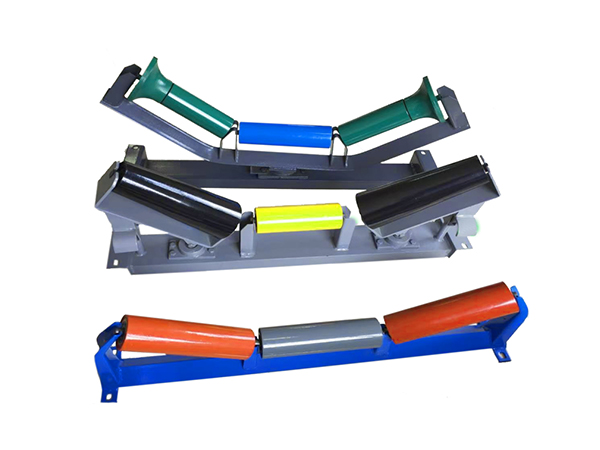
Prok conveyor idlers are supporting roller components designed to maintain conveyor belt movement and provide stable material transportation. Installed along conveyor frames, idlers rotate as the belt moves, reducing friction between the belt and supporting structure.
The main function of prok conveyor idlers is to support the conveyor belt, distribute material loads, and help maintain proper belt tracking during operation.
The basic working process includes:
- Conveyor belts move continuously through drive systems.
- Idlers support the belt along the conveying route.
- Rollers rotate to reduce resistance.
- Materials are transported smoothly between different locations.
The major components of a conveyor idler system include:
| Component | Function |
|---|---|
| Roller shell | Supports belt movement and material loads |
| Shaft | Provides structural support |
| Bearings | Enable smooth rotation |
| Sealing system | Protects internal components |
| Bracket assembly | Positions idlers on conveyor frames |
The performance of each component influences overall conveyor reliability. High-quality idlers require accurate manufacturing, durable materials, and effective protection against operating conditions.
For companies looking for industrial equipment solutions, conveyor equipment solutions provide important support for improving material handling efficiency and optimizing production processes.
Different Types of Conveyor Idlers Used in Industrial Applications
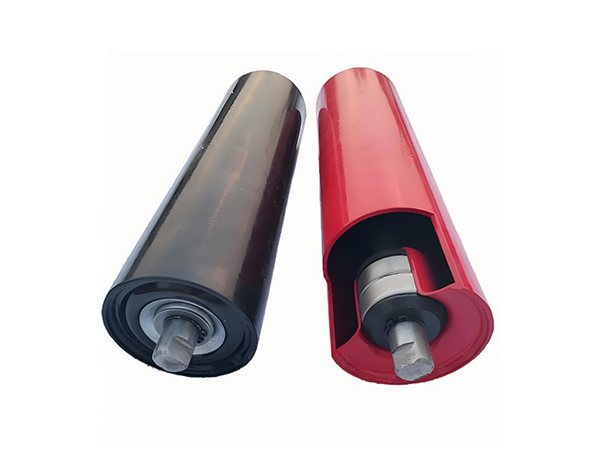
Different operating conditions require different idler designs. Selecting the correct type helps improve conveyor performance and reduce maintenance requirements.
Carrying Idlers
Carrying idlers are installed on the loaded side of the conveyor belt and support materials during transportation.
Their main functions include:
- Supporting belt weight
- Maintaining belt shape
- Improving material stability
- Reducing belt deformation
These idlers are widely used in industries that require continuous material movement.
Return Idlers
Return idlers support the empty side of the conveyor belt after materials have been discharged.
They help:
- Maintain belt alignment
- Reduce belt sagging
- Improve return movement efficiency
Properly designed return idlers contribute to longer belt service life.
Impact Idlers
Impact idlers are used in loading areas where materials create strong forces against the belt.
Their purpose is to:
- Absorb impact energy
- Protect conveyor belts
- Reduce structural stress
They are particularly important in heavy-duty applications.
Self-Aligning Idlers
Self-aligning idlers help correct belt tracking problems by automatically guiding the belt back into the correct position.
They improve:
- Belt stability
- Operational reliability
- Maintenance efficiency
Why High-Quality Conveyor Idlers Matter for Industrial Efficiency
The quality of conveyor idlers has a direct impact on the overall performance of conveyor systems.
Improving Belt Stability
A stable conveyor belt is essential for efficient material transportation. High-quality prok conveyor idlers provide consistent support and reduce unwanted belt movement.
Improved stability helps prevent:
- Belt deviation
- Uneven wear
- Material spillage
- Production interruptions
Reducing Operating Resistance
Smooth roller rotation reduces friction between the belt and conveyor structure.
Lower resistance contributes to:
- Reduced energy consumption
- Less mechanical stress
- Improved equipment efficiency
Extending Conveyor System Lifespan
Durable idlers reduce wear on belts and other conveyor components.
By maintaining proper support and alignment, quality idlers help extend the service life of the entire conveyor system.
Key Factors to Consider When Selecting Prok Conveyor Idlers
Choosing suitable prok conveyor idlers requires careful evaluation of operating requirements and environmental conditions.
Load Capacity Requirements
The expected material load determines the required idler strength and design.
Important factors include:
- Material weight
- Belt width
- Conveyor speed
- Operating frequency
- Transportation distance
Selecting idlers with insufficient capacity may cause premature wear and equipment problems.
Roller Diameter and Structure
The roller design affects rotation efficiency and load performance.
Important considerations include:
- Roller diameter
- Shell thickness
- Shaft strength
- Bearing configuration
A suitable structure improves reliability during continuous operation.
Environmental Conditions
Conveyor systems often operate in challenging environments. Dust, moisture, temperature changes, and heavy loads can affect idler performance.
Suitable idler designs should provide:
- Effective sealing protection
- Corrosion resistance
- Reliable bearing performance
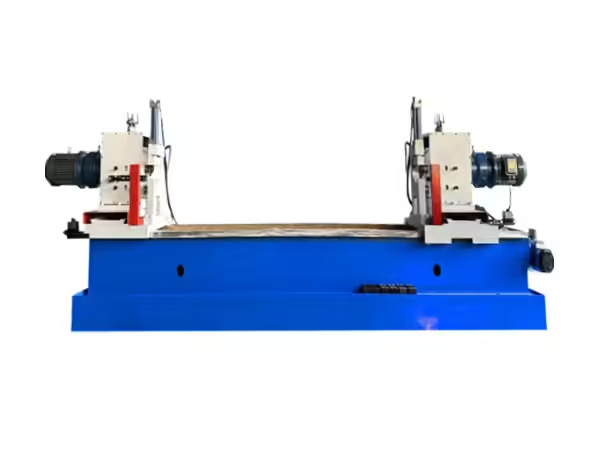
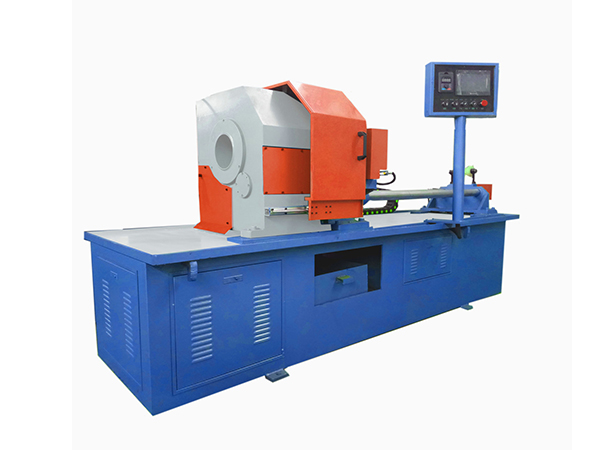
For manufacturers evaluating production requirements, manufacturing and processing machinery supports the development of efficient industrial systems and improved operational workflows.
The Role of Bearings and Sealing Technology in Conveyor Idlers
Bearings and sealing systems are critical factors affecting conveyor idler reliability.
Bearing Performance
High-quality bearings allow rollers to rotate smoothly while supporting heavy loads.
Reliable bearings help:
- Reduce friction
- Improve rotation efficiency
- Extend service intervals
Sealing Protection
The sealing system protects internal components from dust, moisture, and contaminants.
Effective sealing helps maintain:
- Stable rotation
- Longer component lifespan
- Reduced maintenance requirements
A well-designed idler system combines strong mechanical structure with effective protection technology.
Maintenance Practices for Extending Conveyor Idler Service Life
Regular maintenance is essential for maintaining conveyor reliability and preventing unexpected downtime.
Routine Inspection
Operators should regularly inspect:
- Roller rotation
- Bearing conditions
- Abnormal noise
- Belt alignment
- Physical damage
Early detection of issues helps avoid larger equipment failures.
Cleaning and Environmental Protection
Accumulated material and contamination can affect roller performance.
Regular cleaning helps maintain:
- Smooth operation
- Proper belt movement
- Reduced wear
Timely Replacement of Damaged Components
Worn or damaged idlers should be replaced promptly to prevent additional stress on conveyor belts and supporting structures.
A preventive maintenance plan improves conveyor efficiency and reduces operational interruptions.
How Technology Is Changing Conveyor Idler Development
The conveyor industry is moving toward smarter, more efficient, and more reliable solutions.
Intelligent Monitoring Systems
Modern conveyor systems increasingly use sensors and monitoring technologies to track equipment conditions.
These systems can detect:
- Abnormal vibration
- Temperature changes
- Roller performance issues
- Maintenance requirements
Improved Energy Efficiency
Advanced idler designs focus on reducing rotational resistance and improving operating efficiency.
Lower resistance helps reduce energy consumption and supports more sustainable operations.
Digital Conveyor Management
Digital technologies allow operators to monitor conveyor performance and optimize maintenance schedules.
The development of the belt conveyor system has significantly influenced industrial transportation, and continuous improvements in conveyor components continue to enhance modern material handling solutions.
Common Mistakes When Choosing Conveyor Idlers
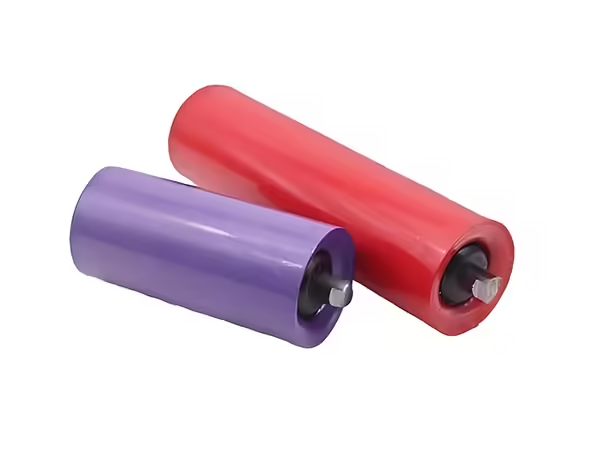
Selecting unsuitable conveyor idlers may reduce system efficiency and increase maintenance challenges.
Ignoring Actual Operating Conditions
Different materials and environments require different idler designs. Load conditions, dust levels, and operating hours should be carefully considered.
Focusing Only on Basic Specifications
Diameter and size are important, but durability, bearing quality, sealing performance, and maintenance requirements are equally important.
Neglecting Long-Term Reliability
Conveyor systems are long-term investments. Choosing components based only on short-term requirements may lead to higher maintenance demands in the future.
A comprehensive evaluation process helps companies select reliable prok conveyor idlers that support stable production.
Conclusion
Prok conveyor idlers are an important part of efficient conveyor systems, providing essential belt support, reducing friction, and improving material handling reliability. Although they are relatively small components, their performance has a significant impact on conveyor efficiency, maintenance requirements, and equipment lifespan.
Selecting suitable prok conveyor idlers requires careful consideration of load capacity, roller design, bearing performance, environmental conditions, and maintenance needs. High-quality idler solutions help companies achieve smoother operation, reduce downtime, and improve overall production efficiency.
As industries continue moving toward automation and smarter manufacturing systems, reliable conveyor components will become increasingly important. Businesses that understand the role of conveyor idlers can build more stable material handling systems and achieve better long-term operational performance.
FAQ
What are prok conveyor idlers used for?
Prok conveyor idlers are used to support conveyor belts, maintain alignment, reduce friction, and improve the stability of material transportation systems.
Why are conveyor idlers important for belt conveyors?
Conveyor idlers support belt movement and help distribute loads evenly, reducing wear and improving the overall reliability of conveyor systems.
What types of conveyor idlers are commonly used?
Common types include carrying idlers, return idlers, impact idlers, and self-aligning idlers designed for different operating conditions.
How do I select suitable conveyor idlers?
Selection depends on load requirements, belt specifications, environmental conditions, roller structure, bearing quality, and maintenance expectations.
How can conveyor idler lifespan be improved?
Regular inspection, proper cleaning, timely replacement, and preventive maintenance help extend conveyor idler service life and improve system performance.
 English
  French
  Spanish