

Table of Contents
Introduction
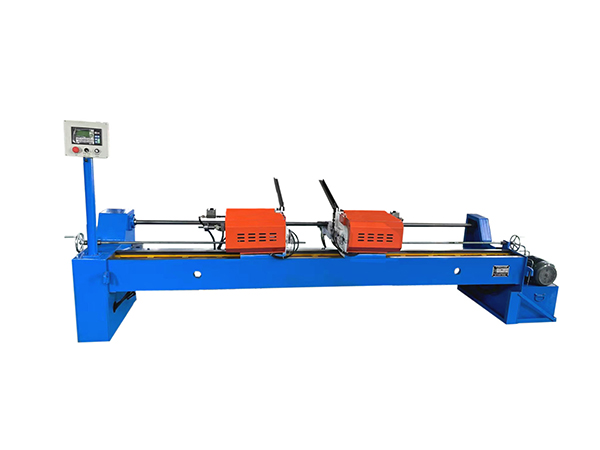
Manufacturing industries are continuously evolving toward higher precision, greater automation, and improved production efficiency. At the center of this transformation, machine tools and manufacture processes play a critical role in producing high-quality components, improving production workflows, and supporting the development of advanced industrial systems.
Machine tools are fundamental equipment used to shape, cut, drill, grind, and process different materials into precise components. The development of modern machine tools has significantly changed manufacturing methods by improving accuracy, reducing production time, and enabling more complex designs.
As global industries demand better product consistency and smarter production capabilities, machine tools and manufacture are becoming increasingly connected with automation technology, digital control systems, and intelligent manufacturing solutions.
Understanding the role, development trends, and selection factors of machine tools helps manufacturers improve production performance and build more efficient manufacturing systems.
Understanding the Relationship Between Machine Tools and Manufacture
Machine tools and manufacture are closely connected because machine tools provide the foundation for modern industrial production. Without advanced machining equipment, many precision components used in different industries would be difficult to produce efficiently.
Machine tools are designed to remove, shape, or modify materials through controlled mechanical operations. Common machining processes include:
- Cutting
- Turning
- Milling
- Grinding
- Drilling
- Forming
The manufacture process depends on selecting suitable machine tools according to product requirements, material properties, and production goals.
| Manufacturing Requirement | Suitable Machine Tool Function |
|---|---|
| High dimensional accuracy | Precision CNC machining |
| Complex component shapes | Multi-axis machining |
| Large-scale production | Automated machine tools |
| Surface improvement | Grinding and finishing equipment |
| Heavy material processing | High-strength machining systems |
The combination of advanced machine tools and optimized manufacturing methods allows companies to achieve better efficiency, accuracy, and production reliability.
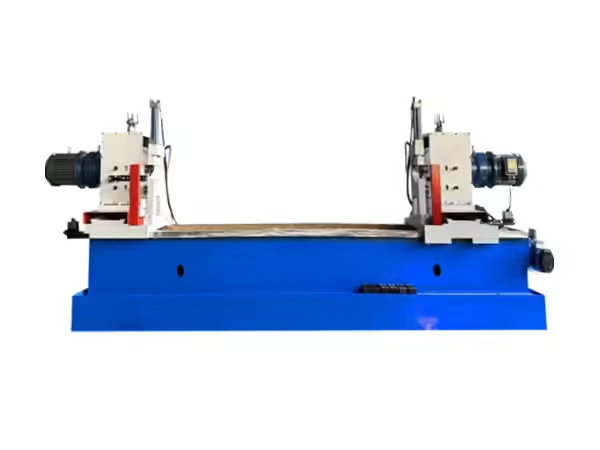
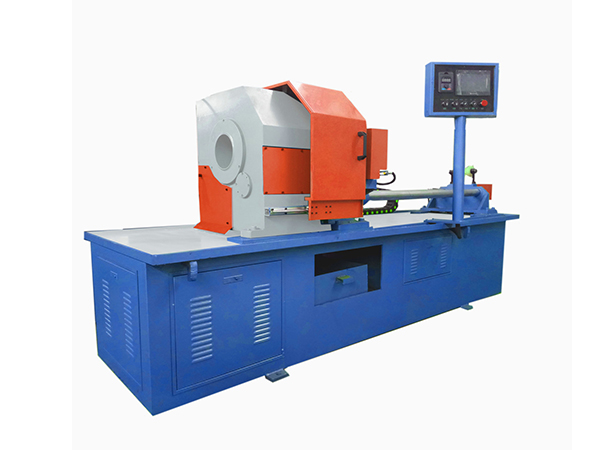
Professional suppliers providing manufacturing and processing machinery support industrial operations by offering equipment solutions designed for different production requirements.
Different Types of Machine Tools Used in Modern Manufacturing
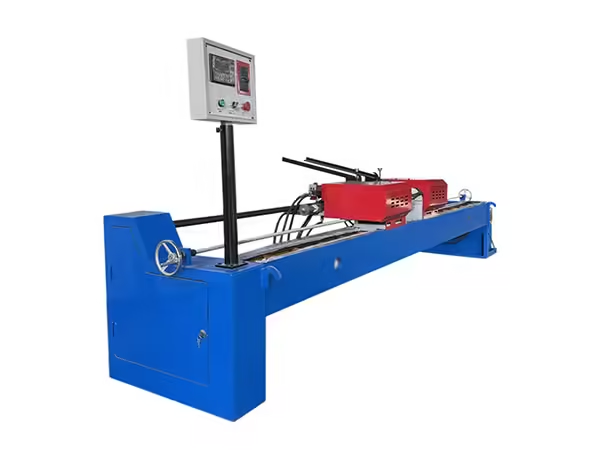
Machine tools include various equipment types, each designed for specific manufacturing applications.
CNC Machine Tools
CNC machine tools use computer-controlled systems to perform machining operations with high accuracy.
Their advantages include:
- Improved machining consistency
- Reduced human error
- Higher production efficiency
- Ability to process complex designs
CNC technology has become an essential part of modern machine tools and manufacture because it allows manufacturers to achieve precise and repeatable results.
Turning Machines
Turning machines are widely used for producing cylindrical components.
They are commonly applied in:
- Shaft manufacturing
- Roll processing
- Mechanical component production
- Industrial part machining
Advanced turning systems improve surface quality and dimensional accuracy.
Milling Machines
Milling machines use rotating cutting tools to remove material and create complex shapes.
They are suitable for:
- Precision components
- Industrial parts
- Customized mechanical products
Grinding Machines
Grinding machines focus on achieving high surface accuracy and smooth finishes.
They are often used when components require:
- Tight tolerances
- Improved surface quality
- Enhanced operational performance
Why Machine Tools and Manufacture Are Essential for Industrial Development
The relationship between machine tools and manufacture directly influences industrial competitiveness and production capabilities.
Improving Manufacturing Precision
Modern industries require components with increasingly strict accuracy requirements.
Advanced machine tools help manufacturers achieve:
- Consistent dimensions
- Better surface quality
- Improved product reliability
Precision manufacturing reduces production errors and improves final product performance.
Increasing Production Efficiency
Automation and advanced machine tools allow manufacturers to complete complex processes faster.
Benefits include:
- Reduced processing time
- Improved workflow
- Higher production capacity
- Lower manual dependency
Supporting Product Innovation
Modern machine tools allow manufacturers to create more complex designs that were difficult to achieve with traditional methods.
This supports innovation in:
- Industrial equipment
- Mechanical components
- Customized products
Key Factors When Selecting Machine Tools for Manufacturing
Choosing suitable machine tools requires careful evaluation of production requirements and long-term operational goals.
Machining Requirements
Manufacturers should first evaluate what types of products will be processed.
Important considerations include:
- Material type
- Component size
- Required accuracy
- Production volume
Different manufacturing tasks require different machine tool capabilities.
Automation Level
Automation has become an important factor in modern manufacturing.
Companies should consider:
- CNC control systems
- Automated loading systems
- Digital monitoring functions
- Production integration capability
Higher automation levels can improve efficiency and reduce operational complexity.
Equipment Reliability
Machine tools often operate for long periods under demanding conditions.
Important evaluation factors include:
- Structural strength
- Component quality
- Maintenance requirements
- Operating stability
Reliable equipment helps reduce downtime and maintain consistent production.
How Digital Technology Is Transforming Machine Tools and Manufacture
Digital transformation is changing how manufacturers design, operate, and manage production systems.
Smart Manufacturing Integration
Modern machine tools are increasingly connected with digital production platforms.
These technologies allow manufacturers to:
- Monitor equipment performance
- Analyze production data
- Improve maintenance planning
Artificial Intelligence Applications
AI technologies are being introduced into manufacturing systems to optimize machining processes.
Potential benefits include:
- Better process adjustment
- Defect prediction
- Improved production efficiency
Internet-Based Equipment Management
Connected machine tools allow manufacturers to monitor production conditions remotely and improve decision-making.
The development of computer numerical control technology has played a major role in improving modern manufacturing accuracy and automation.
Applications of Machine Tools and Manufacture Across Industries
Machine tools and manufacture support a wide range of industrial sectors.
Automotive Manufacturing
Automotive production requires precise machining for engines, transmission components, and structural parts.
Machine tools help achieve:
- High production efficiency
- Consistent component quality
- Complex part manufacturing
Aerospace Manufacturing
Aerospace components require extremely high precision and strict quality control.
Advanced machine tools support the production of lightweight and complex components.
Industrial Equipment Production
Manufacturers producing machinery and equipment rely on machine tools to create durable and accurate parts.
Energy Equipment Manufacturing
Energy-related equipment often requires strong and precisely manufactured components that can operate under demanding conditions.
Maintenance Practices for Improving Machine Tool Performance
Proper maintenance is essential for maximizing equipment lifespan and maintaining manufacturing efficiency.
Regular Equipment Inspection
Manufacturers should regularly check:
- Mechanical components
- Electrical systems
- Lubrication conditions
- Machine accuracy
Routine inspections help identify potential issues early.
Precision Calibration
Machine accuracy may decrease over time due to continuous operation.
Regular calibration helps maintain:
- Processing accuracy
- Product consistency
- Equipment reliability
Preventive Maintenance Planning
A preventive maintenance program reduces unexpected downtime and improves production stability.
Manufacturers that maintain their machine tools properly can achieve better long-term performance.
Future Trends in Machine Tools and Manufacture
The future development of machine tools and manufacture will focus on intelligence, automation, and sustainability.
Higher Automation Levels
Future machine tools will become more integrated with automated production systems.
This will improve:
- Production flexibility
- Manufacturing speed
- Process control
Advanced Digital Manufacturing
Digital twins, data analysis, and intelligent monitoring will become increasingly important in production management.
Sustainable Manufacturing Solutions
Manufacturers are focusing on reducing energy consumption, minimizing waste, and improving resource efficiency.
These trends will continue shaping the future of industrial production.
Common Mistakes When Choosing Machine Tools
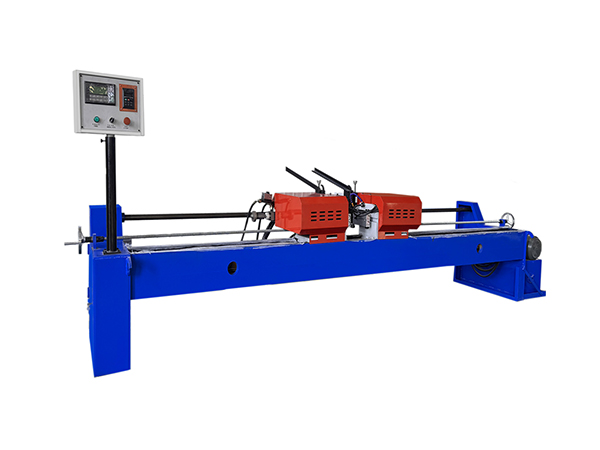
Selecting unsuitable machine tools may reduce production efficiency and increase operational challenges.
Ignoring Actual Production Needs
Manufacturers should select equipment based on real application requirements rather than only technical specifications.
Overlooking Future Expansion
Production requirements may change over time. Equipment should provide enough flexibility for future development.
Neglecting Maintenance Requirements
Machine tools require proper maintenance to maintain accuracy and reliability.
A complete evaluation process helps manufacturers choose suitable solutions for long-term production success.
Conclusion
Machine tools and manufacture are essential foundations of modern industrial production. Advanced machine tools improve precision, efficiency, automation, and product quality, helping manufacturers meet increasingly complex production requirements.
Selecting the right machine tools requires consideration of machining needs, automation levels, equipment reliability, and future development goals. With continuous advancements in digital technology and intelligent manufacturing, machine tools will continue playing a vital role in improving industrial productivity.
Manufacturers that invest in suitable machine tools and optimize their manufacturing processes can achieve better operational efficiency, stronger production capabilities, and long-term competitiveness in an evolving industrial environment.
FAQ
What are machine tools used for?
Machine tools are used to cut, shape, process, and manufacture components with high precision for different industrial applications.
Why are machine tools important in manufacturing?
Machine tools improve production accuracy, efficiency, automation levels, and product consistency in modern manufacturing processes.
What types of machine tools are commonly used?
Common types include CNC machines, turning machines, milling machines, drilling machines, and grinding machines.
How does CNC technology improve manufacturing?
CNC technology improves manufacturing by providing automated control, higher precision, better repeatability, and efficient production processes.
What factors should be considered when selecting machine tools?
Important factors include machining requirements, material types, automation levels, equipment reliability, and maintenance needs.
 English
  French
  Spanish