
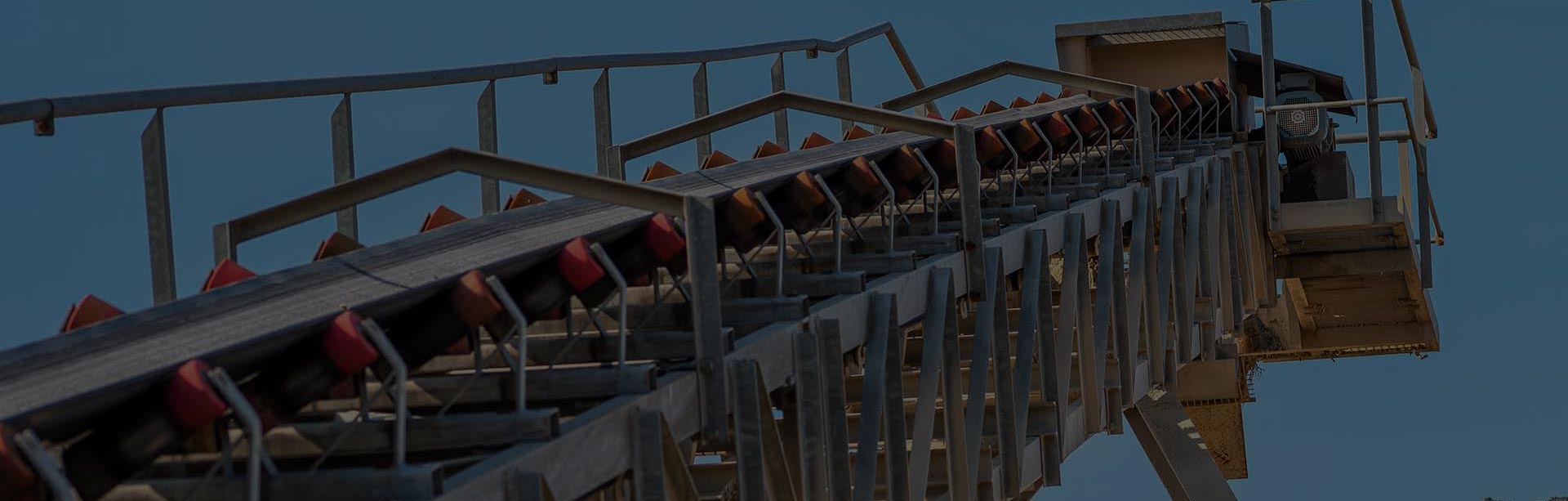
If you operate a bulk material handling system, you already know that conveyor performance depends heavily on one thing: stability. Even if your belt, motor, and frame are strong, poor idler performance can quietly destroy system efficiency over time.
Conveyor belt idlers are often underestimated. They look simple, but in reality, they directly control belt alignment, load distribution, friction levels, and overall operational stability. If you choose the wrong idlers or ignore their condition, your entire conveyor system can suffer from downtime, material spillage, and excessive energy consumption.
In this article, you will learn how conveyor belt idlers affect system performance, what design factors really matter, how to choose the right type for your application, and how real industrial operations improve efficiency by upgrading idler systems.
Table of Contents
Why Conveyor Belt Idlers Are Critical to System Performance
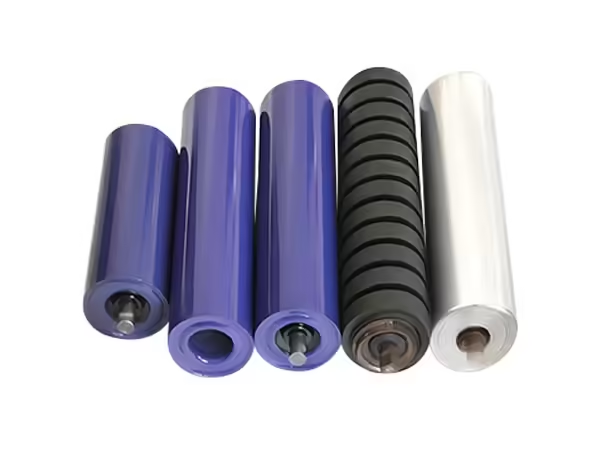
In any conveyor system, idlers support the belt and guide its movement. But their role goes far beyond simple support.
When idlers are properly designed and installed, they:
- Maintain belt alignment
- Reduce rolling resistance
- Distribute material load evenly
- Protect the belt from excessive wear
- Improve energy efficiency of the system
When idlers fail or perform poorly, the opposite happens:
- Belt misalignment increases
- Material spillage becomes frequent
- Bearings overheat or fail
- Power consumption rises
- Maintenance frequency increases
Industry maintenance studies show that roller and idler-related issues account for a significant portion of conveyor downtime in bulk material systems. In high-load environments, even a small idler defect can escalate into system-wide instability.
That is why selecting the right conveyor belt idlers is not just a component choice—it is a system reliability decision.
Understanding the Role of Conveyor Belt Idlers in Material Flow
To understand idler importance, you need to look at how material moves through a conveyor system.
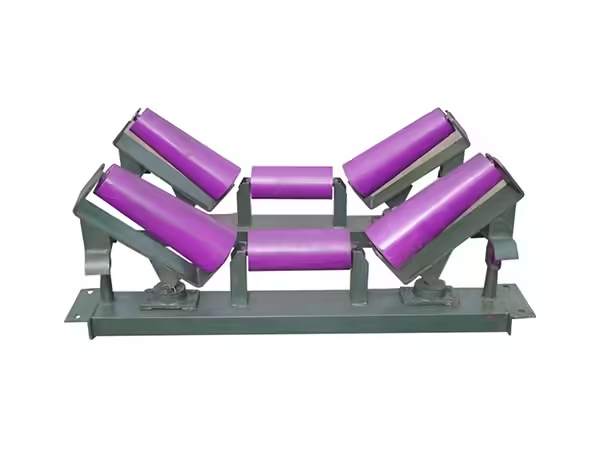
When bulk material is loaded onto a belt, the belt does not remain flat. It forms a trough shape supported by idlers. This structure helps:
- Prevent material spillage
- Stabilize load distribution
- Improve carrying capacity
Idlers are positioned along the conveyor path at regular intervals. Their spacing, angle, and rotation quality determine how smoothly the belt travels.
If idlers rotate unevenly or are misaligned, the belt experiences side forces. Over time, this leads to tracking issues and edge damage.
A well-designed idler system ensures smooth rolling motion, minimizing resistance and keeping energy consumption stable even under heavy loads.
Key Types of Conveyor Belt Idlers You Should Know
Different applications require different idler types. Choosing the correct configuration directly affects system efficiency.
Common idler types include:
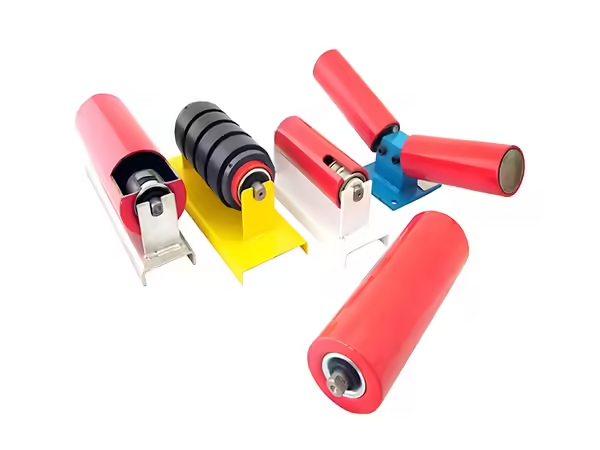
- Carrying idlers
- Impact idlers
- Return idlers
- Self-aligning idlers
- Training idlers
Each type serves a specific function:
- Carrying idlers support loaded belt sections
- Impact idlers absorb shock at loading zones
- Return idlers support the empty return belt
- Self-aligning idlers correct belt misalignment automatically
Selecting the wrong type often leads to premature wear or inefficient belt tracking.
How Conveyor Belt Idlers Affect Energy Efficiency
One of the most overlooked aspects of idler design is energy consumption.
When idlers rotate smoothly, friction is minimized. This reduces the power required to move the belt.
However, when idlers are:
- Poorly aligned
- Damaged
- Poorly lubricated
- Low-quality bearing systems
The system requires more motor power to overcome resistance.
In long conveyor systems, small efficiency losses per idler accumulate into significant energy waste.
Improving idler quality can reduce rolling resistance and help stabilize motor load, especially in continuous operation environments.
Real Case Study: Conveyor System Upgrade in Bulk Material Handling
To understand the real impact of conveyor belt idlers, consider a typical industrial upgrade scenario.
A bulk material handling system was experiencing frequent downtime due to:
- Belt misalignment
- Excessive idler bearing failures
- Material spillage at transfer points
- High maintenance frequency
The system used standard low-load idlers with basic sealing protection.
After upgrading to reinforced conveyor belt idlers with improved sealing and better alignment stability, the system experienced noticeable improvements:
- Belt tracking became more stable across long distances
- Maintenance intervals increased significantly
- Bearing failure rate decreased
- Material spillage reduced
- Overall system uptime improved
The most important improvement was operational consistency. Instead of reacting to failures, maintenance became predictable and scheduled.
Key Design Features You Should Evaluate Before Choosing Idlers
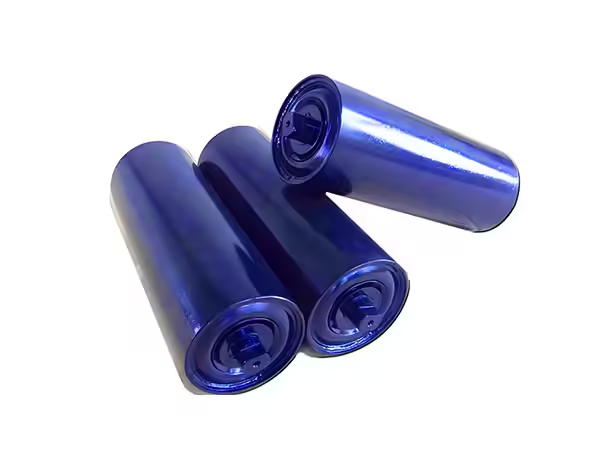
Not all conveyor belt idlers are equal. You should evaluate several technical factors before making a decision:
- Bearing quality and load capacity
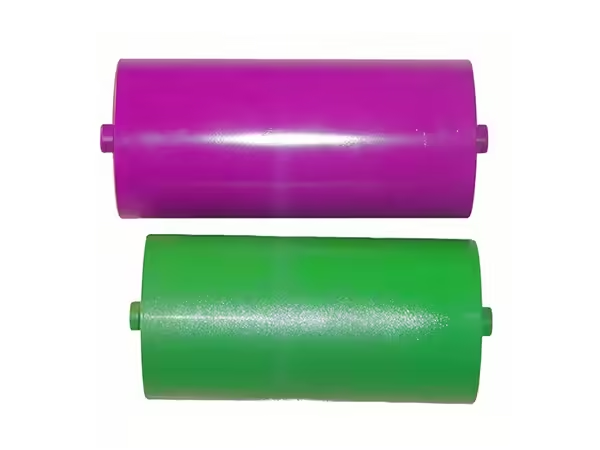
- Shell thickness and material strength
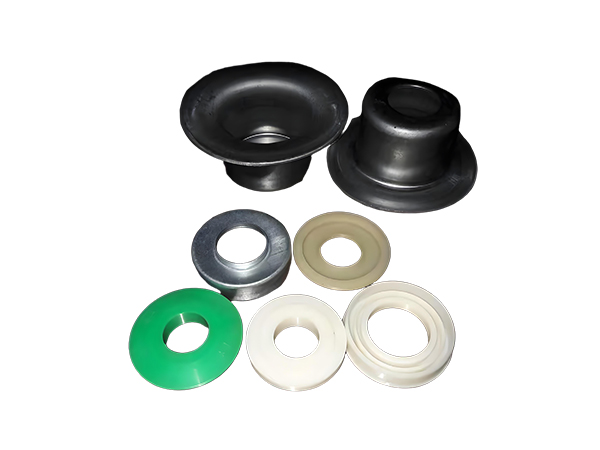
- Sealing system design
- Rotation resistance
- Shaft alignment precision
- Anti-corrosion surface treatment
Among these, sealing design is especially important in dusty environments. Poor sealing allows dust to enter the bearing, which accelerates wear and reduces lifespan.
Comparison: Standard vs Heavy Duty Conveyor Belt Idlers
To help you evaluate performance differences, here is a practical comparison:
| Feature | Standard Idlers | Heavy Duty Conveyor Belt Idlers |
|---|---|---|
| Load Capacity | Medium | High |
| Bearing Protection | Basic sealing | Multi-layer sealing system |
| Service Life | Shorter | Longer |
| Maintenance Frequency | Higher | Lower |
| Resistance to Dust | Limited | Strong protection |
| Suitability | Light-duty systems | Mining, bulk handling, heavy industry |
This comparison clearly shows why heavy-duty idlers are preferred in demanding environments.
Where Conveyor Belt Idlers Are Most Important
Conveyor belt idlers are essential in industries where continuous material movement is required:
- Mining operations
- Bulk material processing
- Aggregate handling systems
- Cement and construction material transport
- Industrial logistics systems
They are especially critical in environments with:
- Heavy material loads
- Continuous 24/7 operation
- Dust, moisture, or abrasive particles
- Long-distance conveyor systems
How Proper Installation Improves Performance
Even high-quality idlers can perform poorly if installation is incorrect.
To ensure optimal performance, you should:
- Maintain consistent spacing between idlers
- Ensure correct alignment with belt direction
- Avoid frame deformation during installation
- Check rotation smoothness after assembly
- Verify belt tracking during initial operation
Improper installation is one of the most common causes of premature idler failure.
Maintenance Practices That Extend Idler Life
Regular maintenance plays a major role in system reliability:
- Inspect idler rotation periodically
- Replace damaged or noisy idlers immediately
- Clean dust buildup around bearings
- Check belt alignment regularly
- Monitor vibration levels in high-load zones
A proactive maintenance approach reduces unexpected downtime and extends system lifespan significantly.
Economic Value of High-Quality Conveyor Belt Idlers
From a business perspective, idlers are not just mechanical parts—they are cost control components.
Upgrading to higher-quality idlers can help you:
- Reduce downtime costs
- Lower maintenance labor requirements
- Improve energy efficiency
- Extend belt lifespan
- Stabilize production output
In continuous production systems, these improvements directly impact long-term operational profitability.
Conclusion
Conveyor belt idlers may seem like simple components, but they play a critical role in system efficiency, stability, and cost control. When you choose the right idlers and maintain them properly, you are not just improving a single part—you are improving the entire conveyor system.
For long-term industrial performance, investing in high-quality idlers is one of the most effective ways to ensure stable and efficient material handling operations.
FAQ
What are conveyor belt idlers used for?
They support the conveyor belt, guide movement, and ensure stable material transport in conveyor systems.
How long do conveyor belt idlers last?
Service life depends on load and environment, but heavy-duty idlers generally last significantly longer than standard ones.
What causes idler failure?
Common causes include bearing contamination, poor sealing, misalignment, and overload conditions.
Can idlers affect energy consumption?
Yes, poor-quality or damaged idlers increase friction and raise power requirements.
How often should idlers be inspected?
Regular inspections every 1–3 months are recommended in heavy-duty environments.
What is the difference between carrying and return idlers?
Carrying idlers support loaded belts, while return idlers support the empty return belt.
Need Help Choosing the Right Conveyor Belt Idlers?
If you’re unsure which conveyor belt idlers are best for your system, load conditions, or working environment, our experts are here to help. Contact us today for a personalized consultation, and ensure your conveyor system runs smoothly, efficiently, and with maximum stability. Don’t wait until belt misalignment or idler failure slows down your production—get in touch now to improve performance, reduce downtime, and keep your operation running at its best!
 English
  French
  Spanish