
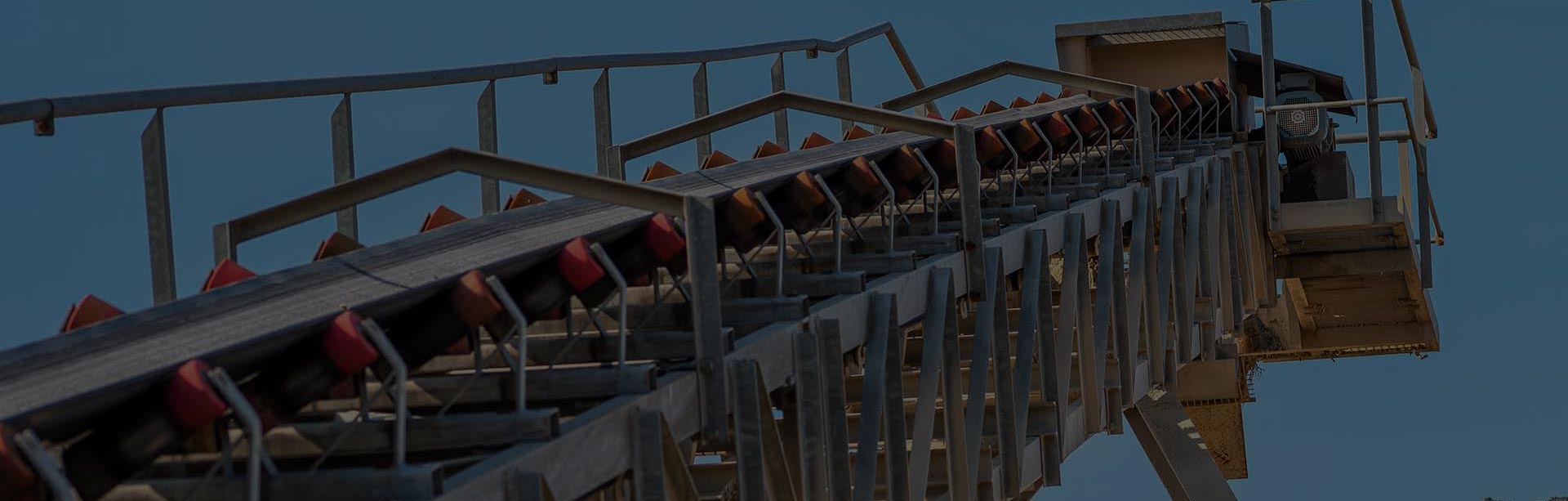
In modern bulk material handling systems, conveyor reliability is no longer defined only by rollers or belts. Instead, it is increasingly determined by one often overlooked component: the sealing system.
If you operate in environments involving dust, moisture, or continuous heavy-duty loads, you already know that bearing failure is one of the most expensive and disruptive problems in conveyor operation. What is less obvious is that most of these failures begin with seal inefficiency—not mechanical overload.
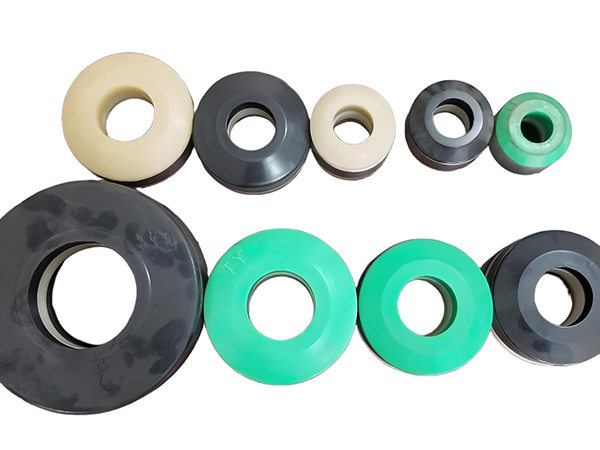
This is where the TKII roller seal becomes essential. Designed specifically for conveyor roller protection, it provides a labyrinth-style non-contact sealing structure that dramatically reduces contamination risk and extends operational stability in demanding industrial conditions.
In this article, you will explore how TKII Roller Seal technology works, why it is widely used in conveyor engineering systems, how it compares to conventional sealing approaches, and how it impacts long-term maintenance strategy.
Table of Contents
Understanding the Real Problem: Why Conveyor Bearings Fail Early
Before understanding the solution, you need to understand the problem.
In most conveyor systems, roller bearings fail due to:
- Dust ingress into bearing chambers
- Moisture contamination
- Lubricant leakage
- High-speed friction wear
- Improper sealing structure design
According to engineering maintenance analysis published in bulk material handling research reports, more than 50% of roller failures are related to sealing failure rather than mechanical overload.
This means improving sealing efficiency is often more impactful than upgrading bearing size or shaft strength.
How TKII Roller Seal Works: Labyrinth Engineering Explained
The TKII Roller Seal uses a labyrinth sealing structure, which is a non-contact mechanical barrier system.
Instead of relying on rubber friction or direct sealing pressure, it creates:
- Interlocking groove channels
- Multiple directional airflow barriers
- Controlled turbulence zones inside the seal path
When dust or moisture tries to enter, it must pass through multiple directional changes. During this process:
- Kinetic energy is reduced
- Particles lose momentum
- Contaminants settle in outer chambers
This prevents them from reaching the bearing cavity.
This principle is widely used in industrial rotating systems and is documented in engineering references such as the one that highlights labyrinth sealing as a preferred method for harsh environments.
Why Non-Contact Sealing Matters More Than You Think
Traditional contact seals rely on physical pressure between surfaces. While this may seem effective initially, it introduces long-term issues:
- Increased friction
- Heat generation
- Wear on sealing surfaces
- Reduced rotational efficiency
The TKII Roller Seal avoids all of these problems because it does not rely on direct contact.
Instead, it provides:
- Zero-friction sealing operation
- Longer service stability
- Reduced maintenance frequency
- Lower energy loss in roller rotation
This is especially important in conveyor systems operating 24/7 in industrial environments such as mining and bulk material transport.
Internal System Integration: Where TKII Roller Seal Fits in Your Conveyor Setup
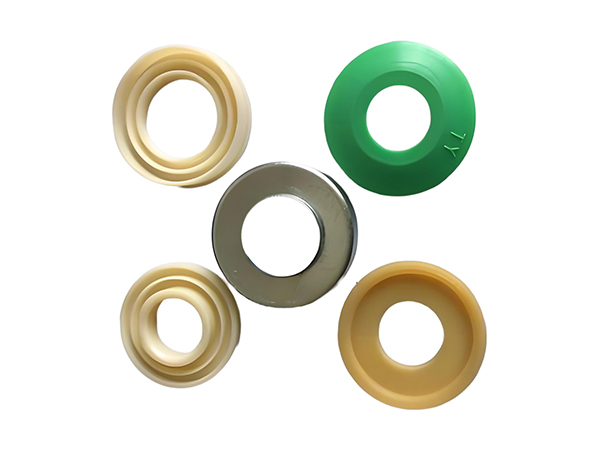
To understand its real value, you need to see how it integrates into a full conveyor system.
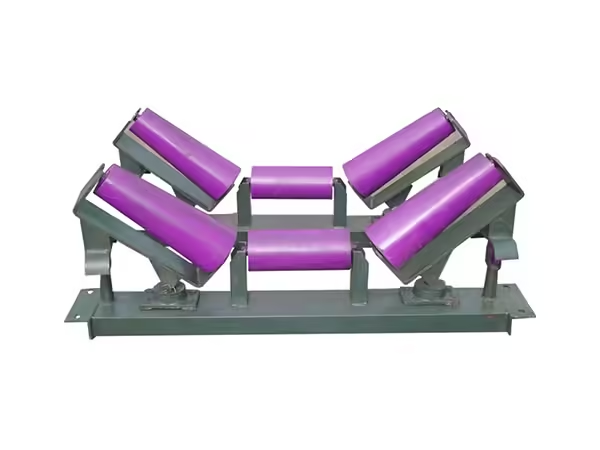
A typical conveyor roller structure includes:
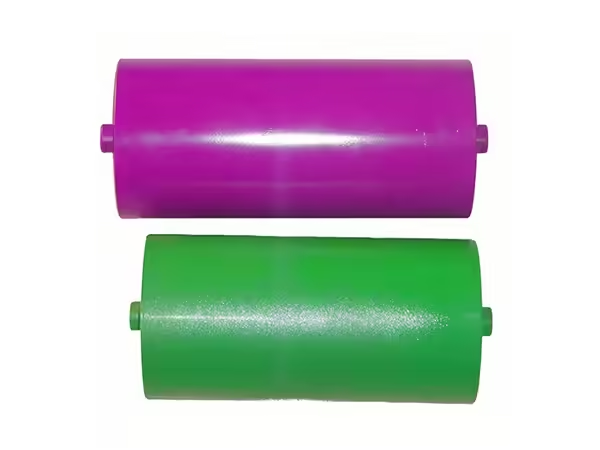
- Outer shell (roller tube)
- Shaft
- Bearing assembly
- Seal system (TKII Roller Seal)
Within your system, TKII Roller Seal works alongside other key components:
- Conveyor belt rollers →
- Heavy-duty conveyor rollers →
- Gravity conveyor rollers →
Together, these components determine overall conveyor efficiency, alignment stability, and load performance.
Performance Comparison: TKII Roller Seal vs Conventional Seal Structures
| Feature | TKII Roller Seal | Traditional Contact Seal |
|---|---|---|
| Sealing Type | Labyrinth non-contact | Friction contact |
| Dust Resistance | High | Medium |
| Moisture Protection | High | Medium |
| Wear Level | Very low | High |
| Maintenance Frequency | Low | Higher |
| Heat Generation | None | Present |
| Bearing Life Impact | Extended | Reduced under harsh conditions |
This comparison shows why non-contact sealing is increasingly preferred in modern conveyor engineering.
Real-World Application Case: Conveyor System in Dust-Heavy Operation
In a typical bulk handling system operating in a high-dust environment, conventional roller seals often show early failure symptoms within a short operational cycle:
- Bearing overheating
- Dust accumulation in lubrication area
- Increased roller resistance
- Frequent shutdown for replacement
After switching to TKII Roller Seal structures, operational behavior changes significantly:
- Reduced contamination inside roller housing
- More stable rotation over long cycles
- Lower maintenance intervention frequency
- Improved system uptime consistency
The key improvement is not just durability but operational predictability.
Industry Relevance: Why Engineers Prefer Labyrinth Seals
Engineering communities and maintenance professionals widely recognize labyrinth sealing as a reliable method for harsh industrial conditions.
On platforms such as LinkedIn industrial engineering groups and mechanical maintenance forums, professionals frequently highlight:
- Reduced downtime in conveyor systems
- Better performance in abrasive environments
- Longer lubrication retention cycles
This aligns with documented engineering standards referenced in mechanical design resources such as .
Installation Considerations You Should Pay Attention To
Even high-performance seals depend on correct installation.
To ensure optimal TKII roller seal performance, you should:
- Maintain proper alignment between shaft and roller housing
- Avoid contamination during assembly
- Ensure correct groove positioning
- Apply consistent mechanical tolerance standards
- Verify rotational smoothness after installation
Improper installation can reduce sealing efficiency even in high-quality systems.
Maintenance Strategy: How to Extend Roller Lifespan
Although TKII Roller Seal is designed for low maintenance, a structured inspection plan is still important.
Recommended practices include:
- Periodic inspection of roller rotation resistance
- Checking for external dust accumulation
- Monitoring bearing temperature trends
- Verifying lubrication condition
- Replacing damaged rollers in batches, not individually
This helps maintain system stability in long-term operations.
Strategic Value: Why TKII Roller Seal Improves System ROI
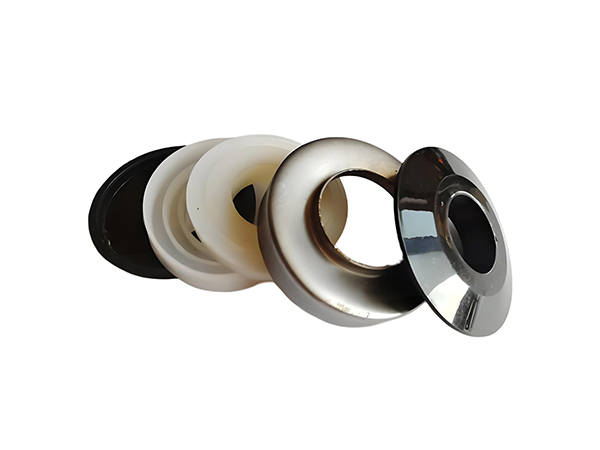
From a system engineering perspective, the TKII roller seal contributes to:
- Lower total maintenance cost
- Reduced unplanned downtime
- Higher conveyor efficiency stability
- Extended bearing lifecycle
- Improved system predictability
In long-term operations, these factors directly influence production efficiency and operational ROI.
Final Thoughts
The TKII roller seal is not just a sealing component—it is a reliability upgrade for your entire conveyor system. By adopting a labyrinth non-contact design, it reduces contamination risks, extends roller lifespan, and improves long-term system stability.
If your operation depends on continuous material handling, investing in sealing efficiency is one of the most effective ways to improve performance without increasing system complexity.
FAQ
What is the TKII roller seal used for?
It is used in conveyor rollers to prevent dust and moisture from entering the bearing system using a labyrinth sealing structure.
How does the TKII roller seal differ from standard seals?
It uses non-contact labyrinth channels instead of friction-based sealing, reducing wear and improving durability.
Can TKII roller seal be used in mining environments?
Yes, it is specifically suitable for dust-heavy and harsh industrial environments.
Does it require frequent maintenance?
No, maintenance requirements are significantly lower compared to contact seals.
What causes failure in conveyor roller seals?
Common causes include dust ingress, moisture contamination, and seal wear from friction.
Is TKII roller seal compatible with all conveyor rollers?
It is designed for standard conveyor roller structures but must match shaft and housing specifications.
 English
  French
  Spanish