

In modern industrial environments, efficiency is no longer determined only by conveyor belts or motors. Instead, the true performance of a material handling system often depends on something much more modular and overlooked: the conveyor roller set.
If you are managing production lines, logistics systems, or bulk material handling operations, you already know that downtime is expensive. What many operators fail to realize is that most conveyor failures do not start with major system breakdowns—they begin with small inefficiencies inside roller assemblies.
A properly designed conveyor roller set does more than support material movement. It stabilizes load distribution, reduces friction, extends belt lifespan, and ensures smooth operational continuity across the entire system.
In this article, you will explore how conveyor roller sets influence system performance, why modular roller design is becoming a global industrial trend, and how you can improve efficiency through better roller system integration.
Table of Contents
Why Conveyor Roller Sets Are Becoming a Core Design Standard
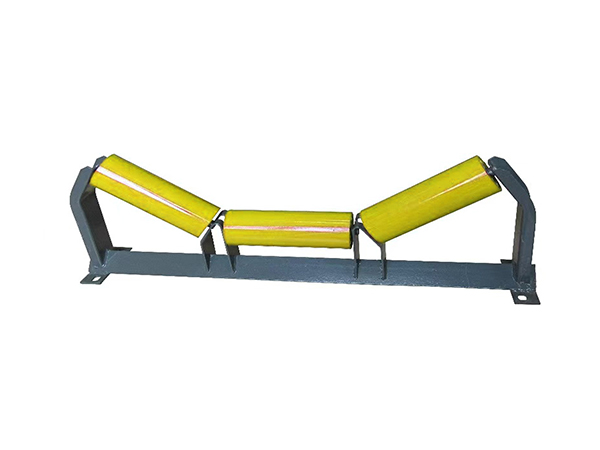
In traditional conveyor systems, rollers were often treated as simple support components. Today, engineering priorities have changed significantly.
Modern industrial systems require:
- Higher throughput stability
- Reduced maintenance downtime
- Modular replacement capability
- Energy-efficient operation
- Long-term mechanical consistency
A conveyor roller set allows you to achieve all of these by standardizing roller structures into replaceable and maintainable units.
According to industrial material handling design principles referenced in engineering resources such as , modular roller systems are now widely adopted to reduce maintenance complexity and improve system scalability.
How a Conveyor Roller Set Improves System Stability
A conveyor roller set typically includes:
- Carrying rollers
- Return rollers
- Frame-mounted structures
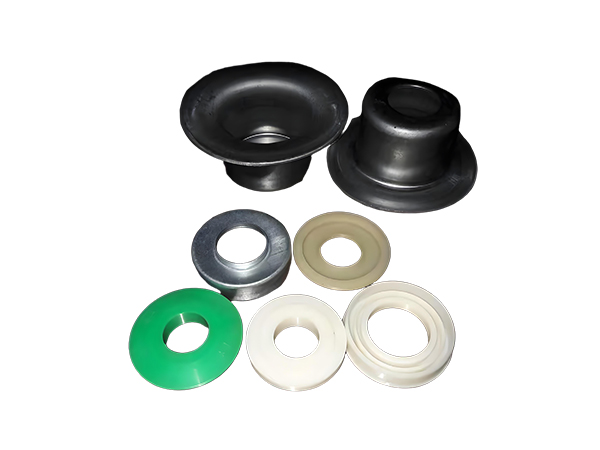
- Bearing and sealing systems
- Alignment support components
Instead of treating each roller as an isolated unit, a roller set integrates them into a structured system.
This improves:
- Alignment consistency across conveyor length
- Load distribution stability
- Replacement efficiency
- Structural rigidity
When rollers operate as a unified system, you reduce uneven wear patterns that often cause belt deviation and operational instability.
Engineering Insight: Why Roller Sets Reduce Downtime
One of the most important advantages of modular conveyor roller sets is maintenance efficiency.
In traditional systems:
- Replacing a single roller often requires partial disassembly
- Alignment adjustments are needed after replacement
- Downtime increases significantly during maintenance cycles
With a structured conveyor roller set system, maintenance becomes:
- Faster
- More predictable
- Less disruptive
Engineering case discussions in industrial maintenance forums highlight that modular roller design can significantly reduce unplanned downtime in continuous production systems.
Real Case Study: Conveyor System Optimization in Bulk Handling Line
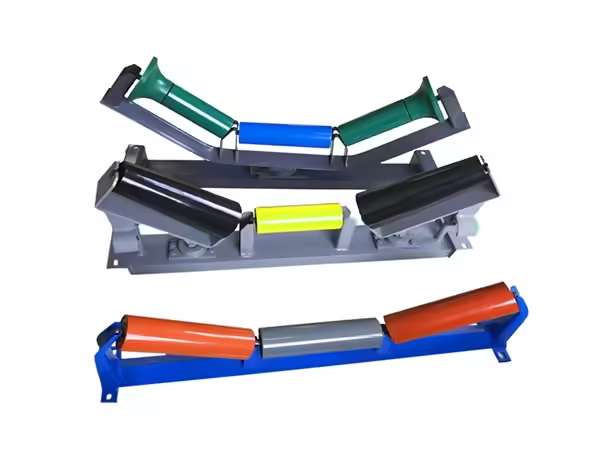
Consider a bulk material handling facility that initially used nonstandard roller assemblies.
The system faced recurring issues:
- Uneven belt tracking
- Frequent roller misalignment
- High maintenance labor requirements
- Unexpected downtime during roller replacement
After upgrading to a standardized conveyor roller set system, the improvements were noticeable:
- Maintenance time reduced significantly
- Belt alignment became more stable
- Roller replacement became modular and faster
- System uptime improved
The most important change was not just performance—it was operational predictability.
Integration with Other Conveyor Components
A conveyor roller set does not work alone. It integrates with other critical conveyor system components such as:
- Conveyor belt idlers →
- Heavy-duty conveyor rollers →
- Gravity conveyor rollers →
When these components are designed as a unified system, overall conveyor efficiency improves significantly.
Key Performance Factors You Should Evaluate
Not all conveyor roller sets perform equally. You should evaluate the following technical aspects before selecting a system:
- Bearing quality and load capacity
- Roller shell thickness and material durability
- Sealing system efficiency
- Frame rigidity and welding precision
- Alignment tolerance design
- Anti-corrosion treatment
Among these, sealing and bearing protection are especially important in dusty or heavy-load environments.
According to industrial reliability studies referenced in mechanical system maintenance literature, bearing failure is one of the most common causes of conveyor downtime, often linked directly to sealing inefficiency.
Efficiency Comparison: Standard Rollers vs Roller Set Systems
| Feature | Standard Individual Rollers | Conveyor Roller Set System |
|---|---|---|
| Maintenance Speed | Low | High |
| System Alignment | Manual adjustment required | Pre-aligned structure |
| Downtime Impact | High | Reduced |
| Replacement Efficiency | Individual replacement | Modular replacement |
| Structural Stability | Variable | Consistent |
| Long-term Cost Efficiency | Lower | Higher |
This comparison shows why industrial systems are shifting toward modular roller set designs.
Installation Considerations You Should Not Ignore
Even a high-quality conveyor roller set can underperform if installation is not properly executed.
Key installation practices include:
- Ensuring frame level accuracy
- Maintaining consistent roller spacing
- Checking rotational smoothness before full operation
- Avoiding structural stress during mounting
- Verifying belt tracking alignment during startup
Improper installation is one of the most common causes of early system inefficiency.
Maintenance Strategy for Long-Term Performance
A well-maintained conveyor roller set significantly extends system lifespan.
Recommended maintenance practices include:
- Regular inspection of roller rotation
- Cleaning dust accumulation from bearings
- Monitoring vibration and noise levels
- Checking structural alignment periodically
- Replacing worn rollers in batches
Preventive maintenance is always more cost-effective than reactive repairs.
Industrial Value: Why Conveyor Roller Sets Improve ROI
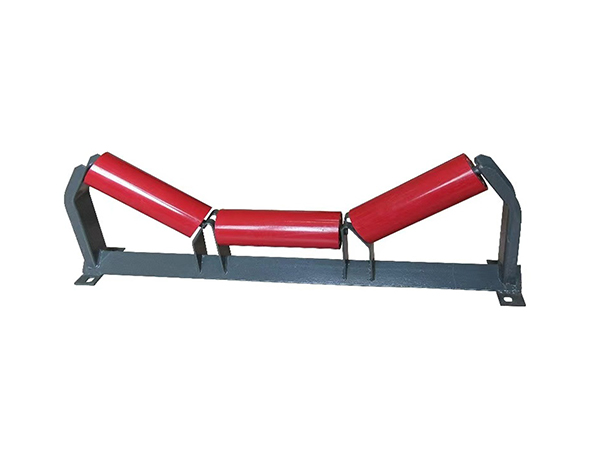
From a system efficiency perspective, conveyor roller sets contribute to:
- Lower downtime costs
- Reduced labor requirements
- Improved system predictability
- Extended conveyor belt lifespan
- Higher production stability
These improvements directly affect operational ROI in continuous production environments.
Final Thoughts
A conveyor roller set is not just a mechanical structure—it is a system optimization tool. By integrating rollers into a modular, aligned, and maintainable structure, you improve not only mechanical performance but also operational efficiency and long-term system reliability.
If your goal is to build a stable and scalable conveyor system, upgrading to a structured roller set design is one of the most practical and effective improvements you can make.
FAQ
What is a conveyor roller set used for?
It is used to support and guide conveyor belts while improving system stability and reducing maintenance complexity.
Why use a roller set instead of individual rollers?
Roller sets offer better alignment, easier maintenance, and faster replacement compared to individual roller systems.
Are conveyor roller sets suitable for heavy-duty systems?
Yes, they are widely used in heavy industrial and bulk material handling systems.
How often should conveyor roller sets be maintained?
Regular inspections every few months are recommended depending on operating conditions.
What causes conveyor roller failure?
Common causes include bearing contamination, poor sealing, misalignment, and excessive load.
Can roller sets improve conveyor efficiency?
Yes, they improve alignment stability and reduce downtime, which enhances overall efficiency.
 English
  French
  Spanish