

Table of Contents
Introduction
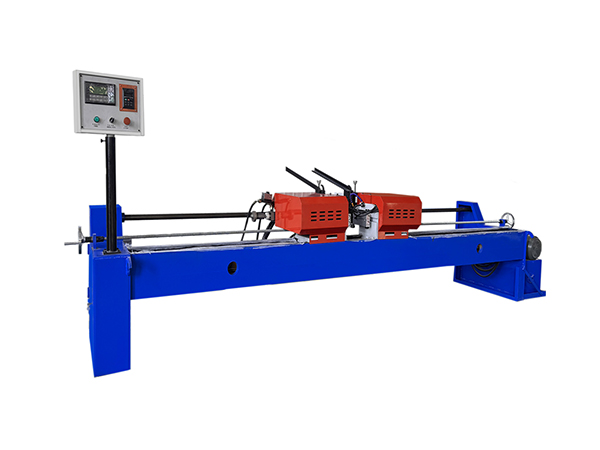
Modern manufacturing depends on advanced equipment, accurate processing methods, and reliable production systems. Among the many technologies supporting industrial development, manufacturing of machine tools plays a fundamental role in creating the equipment required for precision machining, automation, and large-scale production.
Machine tools are the foundation of many industrial processes because they enable manufacturers to cut, shape, drill, grind, and process different materials with high accuracy. The quality of machine tool manufacturing directly influences production efficiency, component precision, equipment reliability, and the ability of industries to meet increasingly complex requirements.
With the continuous development of automation and intelligent manufacturing, companies are paying more attention to how machine tools are designed, produced, tested, and optimized. The manufacturing of machine tools is no longer limited to mechanical assembly but involves advanced engineering, precision manufacturing techniques, digital technologies, and strict quality control processes.
Understanding the key factors behind machine tool production helps businesses make better decisions when selecting equipment, improving manufacturing capabilities, and developing long-term production strategies.
Understanding the Importance of Manufacturing of Machine Tools in Modern Industry
The manufacturing of machine tools refers to the complete process of designing, producing, assembling, and testing machines used for industrial processing operations. These machines provide the necessary foundation for producing components used in automotive, aerospace, electronics, energy, and general manufacturing industries.
A high-quality machine tool requires the integration of multiple technical elements, including:
| Manufacturing Element | Importance in Machine Tool Production |
|---|---|
| Precision engineering | Ensures accurate machining performance |
| Quality materials | Improves durability and structural stability |
| Advanced manufacturing processes | Enhances production consistency |
| Testing procedures | Confirms equipment reliability |
| Digital control systems | Improves automation capability |
The manufacturing of machine tools directly affects the performance of final equipment. A machine tool with excellent structural design and precise components can achieve better machining accuracy and maintain stable operation over long production cycles.
Professional suppliers that provide advanced manufacturing and processing machinery help industries improve production efficiency by offering equipment designed for different processing requirements.
The Main Processes Involved in Manufacturing of Machine Tools
The manufacturing of machine tools involves several complex stages. Each stage contributes to the final performance, accuracy, and reliability of the equipment.
Engineering Design and Development
The first stage focuses on creating a machine design that meets specific production requirements.
Engineers consider:
- Machining applications
- Required accuracy levels
- Material processing requirements
- Equipment operating conditions
- Automation requirements
A well-designed machine tool provides the foundation for reliable performance and efficient manufacturing.
Component Manufacturing
Precision components are essential in machine tool production. Parts such as frames, spindles, guide rails, and drive systems must meet strict manufacturing requirements.
The quality of these components determines:
- Equipment stability
- Processing accuracy
- Vibration control
- Long-term durability
Assembly and Calibration
After individual components are manufactured, they are assembled into complete machine systems.
Calibration is a critical step because even small inaccuracies can influence machining performance. Professional assembly ensures that different components work together correctly.
Performance Testing
Before delivery, machine tools undergo performance testing to verify:
- Mechanical accuracy
- Operating stability
- Processing capability
- Safety performance
Testing helps ensure that equipment meets expected manufacturing standards.
How Precision Technology Improves Machine Tool Manufacturing
Precision is one of the most important requirements in the manufacturing of machine tools. Modern industries require components with increasingly complex shapes and tighter tolerances, making accurate machine design essential.
Advanced precision technologies improve machine tools through:
Higher Processing Accuracy
Precision manufacturing techniques help reduce dimensional errors and improve the consistency of machined products.
Better Structural Stability
Strong machine structures reduce vibration and deformation during operation, allowing equipment to maintain accuracy under continuous workloads.
Improved Production Efficiency
Accurate machine tools reduce processing adjustments, minimize waste, and improve overall production speed.
The development of technologies such as computer numerical control has significantly transformed machine tool manufacturing by enabling automated and highly precise machining operations.
Different Types of Machine Tools Produced for Industrial Applications
The manufacturing of machine tools covers many equipment categories designed for different industrial purposes.
CNC Machine Tools
CNC machine tools use programmed instructions to control machining operations. They are widely used because they provide high accuracy, repeatability, and automation capabilities.
Common advantages include:
- Reduced manual operation
- Improved production consistency
- Flexible processing capability
- Better machining efficiency
Milling Machines
Milling machines are designed for cutting and shaping materials using rotating cutting tools. They are commonly used for producing complex surfaces and precision components.
Turning Machines
Turning machines process rotating workpieces and are widely used for producing cylindrical components.
Grinding Machines
Grinding machines provide high surface accuracy and are often used for finishing operations where precise dimensions are required.
Each machine type requires specialized manufacturing processes to achieve reliable performance.
Key Factors Affecting the Quality of Machine Tool Manufacturing
The quality of manufacturing of machine tools depends on several important factors.
Material Selection
The materials used in machine tool construction influence strength, durability, and vibration resistance.
High-quality materials help improve:
- Structural stability
- Equipment lifespan
- Processing accuracy
Manufacturing Accuracy
Precision during component production is essential. Small errors in manufacturing may affect the final performance of the machine.
Accurate production processes help maintain:
- Proper alignment
- Smooth operation
- Reliable machining results
Quality Control Systems
Quality control ensures every stage of machine production meets required standards.
Important inspection procedures include:
- Component testing
- Assembly verification
- Accuracy measurement
- Performance evaluation
A strong quality management system improves reliability and customer confidence.
The Role of Automation in Manufacturing of Machine Tools
Automation has become an important factor influencing the development of machine tool production.
Modern machine tools increasingly include:
Intelligent Control Systems
Digital control systems allow machines to perform complex operations automatically while maintaining consistent accuracy.
Data Monitoring Technology
Sensors and monitoring systems help track equipment performance and identify potential issues before failures occur.
Flexible Manufacturing Capability
Automated machine tools can adapt to different production requirements, allowing manufacturers to improve efficiency and respond to changing market demands.
The integration of automation is transforming the manufacturing of machine tools from traditional mechanical production toward intelligent industrial solutions.
Maintenance and Service Considerations for Machine Tools
Although high-quality machine tools are designed for durability, proper maintenance is necessary to maintain long-term performance.
Important maintenance practices include:
Regular Equipment Inspection
Manufacturers should check:
- Mechanical components
- Lubrication systems
- Electrical systems
- Operating accuracy
Preventive Maintenance
Preventive maintenance helps identify potential problems before they affect production.
Technical Support
Reliable technical support helps companies optimize equipment operation and improve productivity.
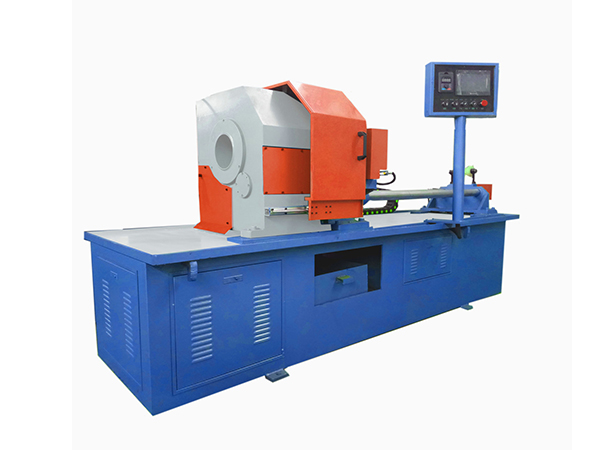
For businesses seeking suitable industrial solutions, machine tool equipment solutions can support different manufacturing applications with reliable equipment options.
Future Trends in Manufacturing of Machine Tools
The future of the manufacturing of machine tools will continue to be influenced by automation, digital transformation, and sustainable production requirements.
Intelligent Manufacturing
Artificial intelligence and advanced data analysis will help optimize machining processes and improve equipment performance.
Energy-Efficient Machine Design
Manufacturers are focusing on reducing energy consumption through improved mechanical structures and smarter control systems.
Customized Production Solutions
As industrial requirements become more specialized, machine tool manufacturers will increasingly develop flexible solutions based on specific application needs.
These trends will continue driving innovation and improving the role of machine tools in global industrial development.
Common Mistakes When Evaluating Machine Tool Manufacturers
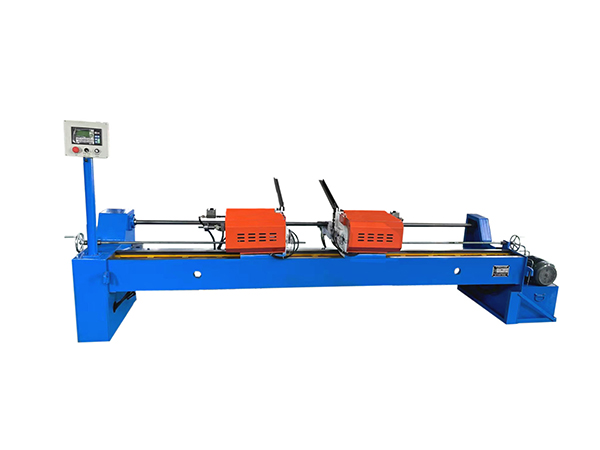
Choosing unsuitable equipment or suppliers may affect production efficiency and long-term operational results.
Ignoring Technical Capability
Machine tool quality depends heavily on engineering experience and manufacturing expertise.
Focusing Only on Equipment Features
Specifications are important, but companies should also evaluate reliability, service capability, and production requirements.
Overlooking Long-Term Performance
Machine tools are long-term production assets. Evaluating durability and maintenance requirements helps ensure better operational results.
A comprehensive evaluation process allows companies to select equipment that matches their actual manufacturing goals.
Conclusion
The manufacturing of machine tools is a critical foundation of modern industrial production. From precision engineering and component manufacturing to automation integration and quality control, every stage influences the performance and reliability of the final equipment.
High-quality machine tools help manufacturers achieve greater accuracy, improved efficiency, and more stable production processes. As industries continue moving toward automation and intelligent manufacturing, the importance of advanced machine tool production will continue to increase.
Companies that understand the key elements involved in machine tool manufacturing can make better decisions when developing production systems, improving efficiency, and building long-term competitiveness.
FAQ
What is involved in the manufacturing of machine tools?
The manufacturing of machine tools includes design, component production, assembly, calibration, testing, and quality control processes to create reliable industrial machining equipment.
Why is precision important in machine tool manufacturing?
Precision ensures that machine tools can produce accurate components, maintain stable operation, and meet the strict requirements of modern industrial production.
What technologies influence the manufacturing of machine tools?
Important technologies include CNC systems, automation, digital monitoring, precision engineering, and intelligent manufacturing solutions.
How does quality control affect machine tool performance?
Quality control helps ensure component accuracy, structural reliability, and consistent equipment performance throughout the machine tool lifecycle.
What are future trends in machine tool manufacturing?
Future trends include intelligent automation, energy-efficient designs, digital production management, and customized machine tool solutions.
 English
  French
  Spanish