

Table des matières
Introduction
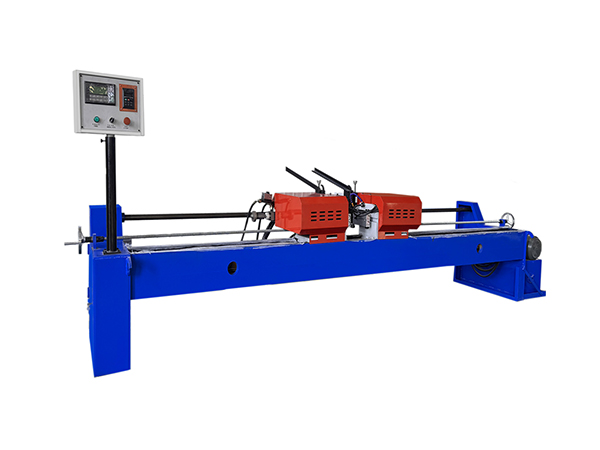
La fabrication moderne dépend d'équipements avancés, de méthodes de traitement précises et de systèmes de production fiables. Parmi les nombreuses technologies soutenant le développement industriel, la fabrication de machines-outils joue un rôle fondamental dans la création des équipements nécessaires à l'usinage de précision, à l'automatisation et à la production à grande échelle.
Les machines-outils sont le fondement de nombreux processus industriels car elles permettent aux fabricants de couper, façonner, percer, meuler et traiter différents matériaux avec une grande précision La qualité de la fabrication des machines-outils influence directement l'efficacité de la production, la précision des composants, la fiabilité des équipements et la capacité des industries à répondre à des exigences de plus en plus complexes.
Avec le développement continu de l'automatisation et de la fabrication intelligente, les entreprises accordent plus d'attention à la façon dont les machines-outils sont conçues, produites, testées et optimisées La fabrication des machines-outils ne se limite plus à l'assemblage mécanique mais implique une ingénierie avancée, des techniques de fabrication de précision, des technologies numériques et des processus stricts de contrôle de qualité.
Comprendre les facteurs clés à l'origine de la production de machines-outils aide les entreprises à prendre de meilleures décisions lors de la sélection des équipements, de l'amélioration des capacités de fabrication et de l'élaboration de stratégies de production à long terme.
Comprendre l'importance de la fabrication de machines-outils dans l'industrie moderne
La fabrication de machines-outils fait référence au processus complet de conception, de production, d'assemblage et de test des machines utilisées pour les opérations de traitement industriel. Ces machines fournissent les bases nécessaires à la production de composants utilisés dans les industries automobile, aérospatiale, électronique, énergétique et manufacturière générale.
Une machine-outil de haute qualité nécessite l'intégration de multiples éléments techniques, parmi lesquels
| Élément de fabrication | Importance dans la production de machines-outils |
|---|---|
| Ingénierie de précision | Assure une performance d'usinage précise |
| Matériaux de qualité | Améliore la durabilité et la stabilité structurelle |
| Procédés de fabrication avancés | Améliore la cohérence de la production |
| Procédures d'essai | Confirme la fiabilité des équipements |
| Systèmes de contrôle numérique | Améliore la capacité d'automatisation |
La fabrication de machines-outils affecte directement les performances de l'équipement final Une machine-outil avec une excellente conception structurelle et des composants précis peut atteindre une meilleure précision d'usinage et maintenir un fonctionnement stable sur de longs cycles de production.
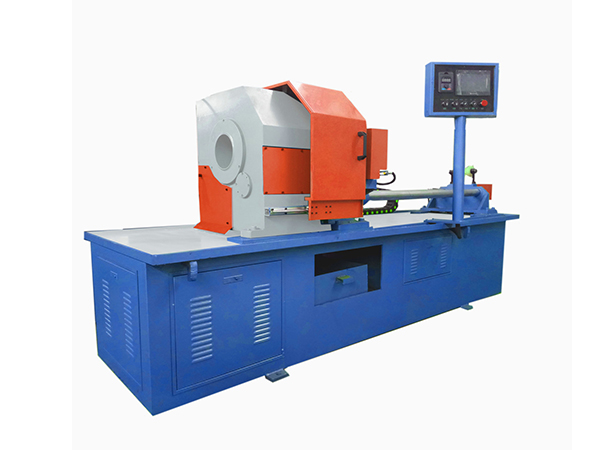
Fournisseurs professionnels qui fournissent avancés machines de fabrication et de transformation aider les industries à améliorer l'efficacité de la production en offrant des équipements conçus pour différentes exigences de transformation.
Les principaux processus impliqués dans la fabrication de machines-outils
La fabrication des machines-outils comporte plusieurs étapes complexes Chaque étape contribue aux performances finales, à la précision, et à la fiabilité de l'équipement.
Conception et développement d'ingénierie
La première étape se concentre sur la création d’une conception de machine répondant à des exigences de production spécifiques.
Les ingénieurs considèrent:
- Applications d'usinage
- Niveaux de précision requis
- Exigences en matière de traitement des matériaux
- Conditions de fonctionnement de l'équipement
- Exigences d'automatisation
Une machine-outil bien conçue constitue la base d’une performance fiable et d’une fabrication efficace.
Fabrication de composants
Les composants de précision sont essentiels dans la production de machines-outils Les pièces telles que les cadres, les broches, les rails de guidage et les systèmes d'entraînement doivent répondre à des exigences de fabrication strictes.
La qualité de ces composants détermine
- Stabilité de l'équipement
- Précision du traitement
- Contrôle des vibrations
- Durabilité à long terme
Assemblage et calibrage
Une fois les composants individuels fabriqués, ils sont assemblés en systèmes de machines complets.
L'étalonnage est une étape critique car même de petites imprécisions peuvent influencer les performances d'usinage. L’assemblage professionnel garantit que les différents composants fonctionnent ensemble correctement.
Tests de performances
Avant la livraison, les machines-outils subissent des tests de performance pour vérifier :
- Précision mécanique
- Stabilité de fonctionnement
- Capacité de traitement
- Performances de sécurité
Les tests permettent de s'assurer que l'équipement répond aux normes de fabrication attendues.
Comment la technologie de précision améliore la fabrication de machines-outils
La précision est l'une des exigences les plus importantes dans la fabrication de machines-outils Les industries modernes exigent des composants aux formes de plus en plus complexes et aux tolérances plus serrées, ce qui rend indispensable une conception précise de la machine.
Les technologies de précision avancées améliorent les machines-outils grâce à :
Précision de traitement supérieure
Les techniques de fabrication de précision permettent de réduire les erreurs dimensionnelles et d'améliorer la consistance des produits usinés.
Meilleure stabilité structurelle
Les structures de machines solides réduisent les vibrations et la déformation pendant le fonctionnement, permettant à l'équipement de maintenir la précision sous des charges de travail continues.
Amélioration de l'efficacité de la production
Des machines-outils précises réduisent les ajustements de traitement, minimisent les déchets et améliorent la vitesse de production globale.
Le développement de technologies telles que commande numérique par ordinateur a considérablement transformé la fabrication de machines-outils en permettant des opérations d'usinage automatisées et très précises.
Différents types de machines-outils produites pour des applications industrielles
La fabrication de machines-outils couvre de nombreuses catégories d'équipements conçus à des fins industrielles différentes.
Machines-outils CNC
Les machines-outils CNC utilisent des instructions programmées pour contrôler les opérations d'usinage. Ils sont largement utilisés car ils offrent une grande précision, répétabilité et capacités d’automatisation.
Les avantages communs comprennent notamment
- Opération manuelle réduite
- Amélioration de la cohérence de la production
- Capacité de traitement flexible
- Meilleure efficacité d'usinage
Fraiseuses
Les fraiseuses sont conçues pour couper et façonner des matériaux à l'aide d'outils de coupe rotatifs Elles sont couramment utilisées pour la réalisation de surfaces complexes et de composants de précision.
Machines à tourner
Les machines à tourner traitent des pièces rotatives et sont largement utilisées pour produire des composants cylindriques.
Broyeurs
Les meuleuses offrent une grande précision de surface et sont souvent utilisées pour les opérations de finition où des dimensions précises sont requises.
Chaque type de machine nécessite des processus de fabrication spécialisés pour obtenir des performances fiables.
Facteurs clés affectant la qualité de la fabrication de machines-outils
La qualité de fabrication des machines-outils dépend de plusieurs facteurs importants.
Sélection Matérielle
Les matériaux utilisés dans la construction de machines-outils influencent la résistance, la durabilité et la résistance aux vibrations.
Des matériaux de haute qualité contribuent à améliorer :
- Stabilité structurelle
- Durée de vie de l'équipement
- Précision du traitement
Précision de la fabrication
La précision lors de la production des composants est essentielle De petites erreurs de fabrication peuvent affecter les performances finales de la machine.
Des processus de production précis aident à maintenir :
- Alignement correct
- Fonctionnement fluide
- Résultats d'usinage fiables
Systèmes de Contrôle de Qualité
Le contrôle de qualité garantit que chaque étape de la production de la machine répond aux normes requises.
Les procédures d'inspection importantes comprennent notamment
- Tests de composants
- Vérification de l'assemblée
- Mesure de précision
- Évaluation du rendement
Un système de gestion de la qualité solide améliore la fiabilité et la confiance des clients.
Le rôle de l'automatisation dans la fabrication de machines-outils
L'automatisation est devenue un facteur important influençant le développement de la production de machines-outils.
Les machines-outils modernes comprennent de plus en plus :
Systèmes de contrôle intelligents
Les systèmes de contrôle numérique permettent aux machines d'effectuer automatiquement des opérations complexes tout en conservant une précision constante.
Technologie de surveillance des données
Les capteurs et les systèmes de surveillance aident à suivre les performances des équipements et à identifier les problèmes potentiels avant que des pannes ne surviennent.
Capacité de fabrication flexible
Les machines-outils automatisées peuvent s'adapter aux différentes exigences de production, permettant aux fabricants d'améliorer leur efficacité et de répondre aux demandes changeantes du marché.
L'intégration de l'automatisation transforme la fabrication de machines-outils de la production mécanique traditionnelle vers des solutions industrielles intelligentes.
Considérations relatives à la maintenance et au service des machines
Bien que les machines-outils de haute qualité soient conçues pour la durabilité, un entretien approprié est nécessaire pour maintenir les performances à long terme.
Parmi les pratiques de maintenance importantes, on peut citer
Inspection régulière de l'équipement
Les fabricants devraient vérifier:
- Composants mécaniques
- Systèmes de lubrification
- Systèmes électriques
- Précision de fonctionnement
Maintenance Préventive
La maintenance préventive permet d'identifier les problèmes potentiels avant qu'ils n'affectent la production.
Support technique
Un support technique fiable aide les entreprises à optimiser le fonctionnement des équipements et à améliorer la productivité.
Pour les entreprises à la recherche de solutions industrielles adaptées, solutions d'équipement de machines-outils peut prendre en charge différentes applications de fabrication avec des options d'équipement fiables.
Tendances futures de la fabrication de machines-outils
L’avenir de la fabrication de machines-outils continuera d’être influencé par l’automatisation, la transformation numérique et les exigences de production durable.
Fabrication Intelligente
L'intelligence artificielle et l'analyse avancée des données permettront d'optimiser les processus d'usinage et d'améliorer les performances des équipements.
Conception de machines économes en énergie
Les fabricants se concentrent sur la réduction de la consommation d'énergie grâce à des structures mécaniques améliorées et des systèmes de contrôle plus intelligents.
Solutions de production personnalisées
À mesure que les exigences industrielles se spécialisent, les fabricants de machines-outils développeront de plus en plus de solutions flexibles basées sur des besoins d'application spécifiques.
Ces tendances continueront de stimuler l'innovation et d'améliorer le rôle des machines-outils dans le développement industriel mondial.
Erreurs courantes lors de l’évaluation des fabricants de machines-outils
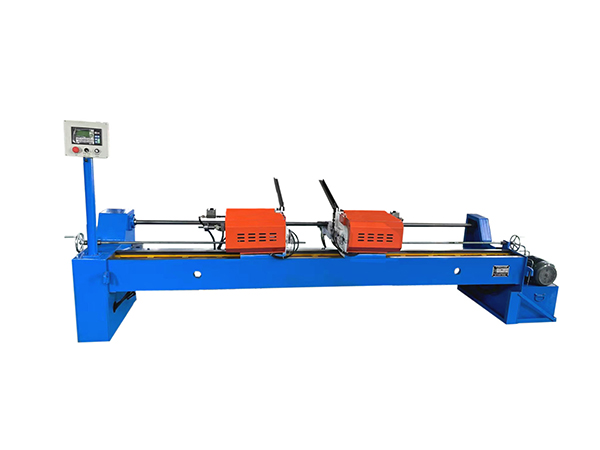
Le choix d'équipements ou de fournisseurs inadaptés peut affecter l'efficacité de la production et les résultats opérationnels à long terme.
Ignorer les capacités techniques
La qualité des machines-outils dépend fortement de l’expérience en ingénierie et de l’expertise en fabrication.
Se concentrer uniquement sur les fonctionnalités de l'équipement
Les spécifications sont importantes, mais les entreprises doivent également évaluer la fiabilité, la capacité de service et les exigences de production.
Surplombant les performances à long terme
Les machines-outils sont des actifs de production à long terme L'évaluation des exigences de durabilité et de maintenance permet d'assurer de meilleurs résultats opérationnels.
Un processus d'évaluation complet permet aux entreprises de sélectionner des équipements qui correspondent à leurs objectifs de fabrication réels.
Conclusion
La fabrication de machines-outils est un fondement critique de la production industrielle moderne De l'ingénierie de précision et de la fabrication de composants à l'intégration d'automatisation et au contrôle de la qualité, chaque étape influence les performances et la fiabilité de l'équipement final.
Les machines-outils de haute qualité aident les fabricants à obtenir une plus grande précision, une efficacité améliorée et des processus de production plus stables. À mesure que les industries continuent de s’orienter vers l’automatisation et la fabrication intelligente, l’importance de la production avancée de machines-outils continuera d’augmenter.
Les entreprises qui comprennent les éléments clés impliqués dans la fabrication de machines-outils peuvent prendre de meilleures décisions lors du développement de systèmes de production, de l'amélioration de l'efficacité et du renforcement de la compétitivité à long terme.
FAQ
Qu'est-ce qu'implique la fabrication de machines-outils ?
La fabrication de machines-outils comprend des processus de conception, de production de composants, d'assemblage, d'étalonnage, de test et de contrôle qualité pour créer un équipement d'usinage industriel fiable.
Pourquoi la précision est-elle importante dans la fabrication de machines-outils
La précision garantit que les machines-outils peuvent produire des composants précis, maintenir un fonctionnement stable et répondre aux exigences strictes de la production industrielle moderne.
Quelles technologies influencent la fabrication des machines-outils ?
Les technologies importantes comprennent les systèmes CNC, l'automatisation, la surveillance numérique, l'ingénierie de précision et les solutions de fabrication intelligentes.
Comment le contrôle de qualité affecte-t-il les performances des machines
Le contrôle de la qualité permet de garantir la précision des composants, la fiabilité structurelle et des performances constantes de l'équipement tout au long du cycle de vie de la machine-.
Quelles sont les tendances futures dans la fabrication de machines-outils ?
Les tendances futures incluent l'automatisation intelligente, les conceptions économes en énergie, la gestion de la production numérique et les solutions de machines-outils personnalisées.
 French
  English
  Spanish