

Table of Contents
Introduction
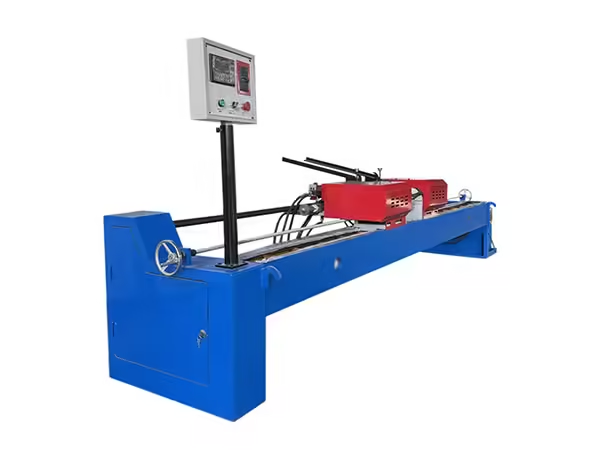
Modern manufacturing depends on accurate, efficient, and reliable equipment to maintain stable production performance. Among all industrial equipment, the machine tool plays a fundamental role because it directly influences machining accuracy, production efficiency, product consistency, and operational flexibility.
Choosing the right machine tool is not simply about selecting a piece of equipment with advanced specifications. Manufacturers need to consider production requirements, material characteristics, machining processes, equipment durability, technical support, and long-term operational goals.
A suitable machine tool can help companies improve processing accuracy, reduce production interruptions, and optimize manufacturing workflows. However, selecting an unsuitable machine may lead to inefficient operations, higher maintenance requirements, and difficulties in meeting quality standards.
With the continuous development of precision manufacturing, automation, and digital technologies, businesses increasingly need professional knowledge when evaluating different machine tool solutions. Understanding the key factors behind machine selection can help manufacturers make better decisions and build more efficient production systems.
Understanding the Role of Machine Tools in Manufacturing
A machine tool is a type of industrial equipment designed to shape, cut, drill, grind, or process materials with high precision. Unlike general production equipment, machine tools are mainly used for manufacturing components and parts that require accurate dimensions and consistent quality.
Machine tools are widely applied in industries that require metal processing and precision manufacturing. They provide the foundation for producing mechanical components, structural parts, and customized products.
The main functions of machine tools include:
| Machine Tool Function | Manufacturing Benefits |
|---|---|
| Cutting and shaping | Creates precise component dimensions |
| Drilling and machining | Improves processing accuracy |
| Automated operation | Reduces manual workload |
| Repeated production | Maintains consistent quality |
| Precision control | Supports complex manufacturing requirements |
A professional machine tool solution should match the specific needs of the production environment. Factors such as production volume, material type, processing complexity, and required accuracy all influence the ideal equipment choice.
Manufacturers that understand these factors can achieve better production efficiency and avoid unnecessary operational challenges.
Different Types of Machine Tools Used in Modern Manufacturing
Machine tools are available in many different configurations because manufacturing processes vary significantly between applications. Selecting the correct type of machine tool requires understanding the purpose and capabilities of each equipment category.
Common machine tool categories include:
CNC Machine Tools
CNC machine tools use computer-controlled systems to perform machining operations with high accuracy and repeatability. They are commonly used for complex parts that require consistent dimensions and efficient production.
The development of computer numerical control (CNC) technology has significantly changed modern manufacturing by improving automation, precision control, and production flexibility.
Cutting and Processing Machine Tools
Cutting equipment is essential for industries that process pipes, metal sheets, profiles, and other materials. These machines help manufacturers achieve accurate cutting results while improving workflow efficiency.
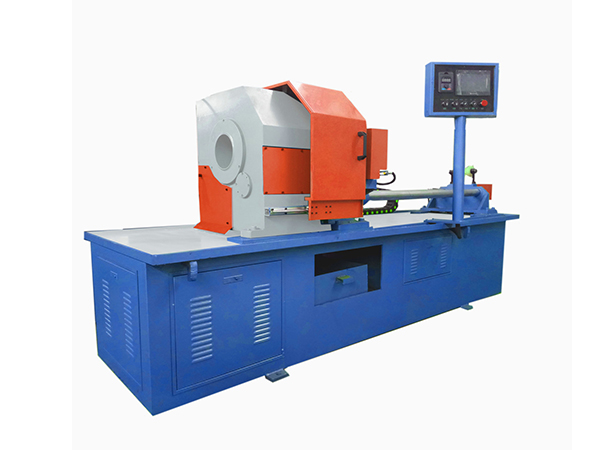
For example, an automatic pipe cutting machine can provide automated feeding, positioning, and cutting functions for production environments that require stable and repeatable processing performance.
Milling and Drilling Machines
Milling and drilling equipment are commonly used for creating precise holes, surfaces, and complex geometries. These machines are important for component manufacturing where dimensional accuracy is critical.
Each machine type has specific advantages, and manufacturers should evaluate equipment based on actual production requirements rather than selecting based only on general specifications.
Key Factors to Consider When Selecting a Machine Tool
Selecting the right machine tool requires a comprehensive evaluation process. Professional manufacturers usually consider several important factors before investing in new equipment.
Production Requirements
The first step is understanding what the machine needs to achieve. Manufacturers should evaluate:
- Material types being processed
- Required machining accuracy
- Production volume
- Processing speed
- Component complexity
A machine designed for high-volume production may not be suitable for small-batch customized manufacturing. Similarly, equipment designed for simple operations may not meet the requirements of precision machining applications.
Equipment Quality and Stability
Machine stability directly affects production results. A high-quality machine tool should maintain consistent performance during long operating periods.
Important quality factors include:
- Mechanical structure strength
- Component reliability
- Control system performance
- Processing accuracy
- Maintenance requirements
Manufacturers should evaluate not only the machine specifications but also the engineering capability behind the equipment.
Technical Support Capability
Technical support is an important factor that is often overlooked. A machine tool supplier with strong technical experience can provide valuable assistance during installation, operation, and maintenance.
Reliable support helps manufacturers:
- Reduce equipment downtime
- Improve operation efficiency
- Solve technical issues faster
- Extend equipment service life
A machine tool is a long-term production investment, and professional support plays an important role in maximizing its value.
How Machine Tool Quality Affects Manufacturing Performance
The quality of a machine tool directly influences the overall manufacturing process. Even small differences in machine accuracy can affect final product quality, especially when producing components with strict dimensional requirements.
High-quality machine tools provide:
- Better machining consistency
- Lower error rates
- Improved productivity
- More predictable production results
For precision manufacturing, machine rigidity and control accuracy are especially important. A stable machine structure reduces vibration and helps maintain machining precision during continuous operation.
Manufacturers should also consider how easily the equipment can be integrated into existing production systems. A machine that performs well technically but does not match the production workflow may not deliver the expected benefits.
How Professional Machine Tool Solutions Improve Production Efficiency
A suitable machine tool does more than complete machining tasks. It helps manufacturers create a more efficient production process.
Production efficiency can be improved through:
Faster Processing Operations
Advanced machine tools can complete manufacturing operations more quickly while maintaining accuracy. This helps reduce production cycles and improve overall output.
Reduced Manual Intervention
Automation features allow machines to perform repeated tasks with greater consistency. This reduces dependence on manual operations and improves process stability.
Better Resource Utilization
Efficient machine tools help manufacturers optimize materials, labor, and production time. This is especially important for companies seeking sustainable manufacturing improvements.
Professional equipment providers often evaluate the entire production process rather than recommending isolated machines. This approach helps ensure that the selected equipment supports real operational goals.
The Importance of Customization in Machine Tool Selection
Different manufacturers often have unique production challenges. Standard equipment may not always provide the ideal solution for specific applications.
Customization allows machine tools to be adjusted according to:
- Processing requirements
- Material characteristics
- Production environment
- Automation needs
- Space limitations
A customized machine tool solution can improve compatibility between equipment and production processes.
For example, a manufacturer processing specialized materials may require different cutting parameters, tooling configurations, or automation functions compared with standard production environments.
Professional machine tool providers should have the engineering capability to understand these differences and recommend suitable solutions.
Evaluating Machine Tool Suppliers and Manufacturing Capabilities
Choosing the right equipment provider is as important as selecting the machine itself. A reliable supplier should demonstrate strong technical knowledge, manufacturing experience, and quality management capabilities.
When evaluating a supplier, manufacturers should consider:
| Evaluation Area | Key Questions |
|---|---|
| Manufacturing experience | Does the supplier understand industrial applications? |
| Product range | Can the supplier provide suitable equipment options? |
| Engineering support | Can technical guidance be provided? |
| Quality management | Are inspection processes established? |
| Service capability | Can long-term support be maintained? |
A supplier with a broad equipment portfolio can often provide more suitable solutions for different manufacturing requirements.
For businesses exploring different industrial equipment categories, manufacturing and processing machinery represents an important equipment group that supports various machining applications.
The relationship between manufacturers and equipment suppliers should be based on technical cooperation and long-term reliability rather than only short-term equipment delivery.
Technology Development and Future Trends of Machine Tools
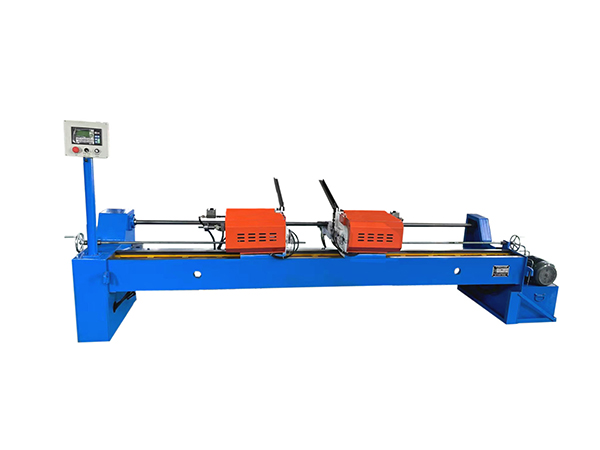
The machine tool industry continues to evolve as manufacturers demand higher accuracy, automation, and production efficiency.
Several important trends are shaping future machine tool development:
Intelligent Manufacturing
Modern machine tools increasingly integrate digital monitoring, automated control, and data-based management systems. These technologies help manufacturers improve operational visibility and optimize production processes.
Higher Precision Requirements
As products become more complex, manufacturers require machines capable of achieving tighter tolerances and more consistent results.
Flexible Manufacturing
Future machine tools are expected to provide greater flexibility, allowing manufacturers to adapt quickly to changing production needs.
According to industry research from manufacturing technology organizations, digitalization and automation are becoming key factors in improving manufacturing competitiveness. Companies that select advanced machine tools can better prepare for future production challenges.
Common Mistakes When Choosing a Machine Tool
Many manufacturers focus only on equipment specifications and overlook other important factors. This can lead to inefficient equipment selection.
Common mistakes include:
Selecting Equipment Without Considering Production Needs
A machine tool should always be evaluated based on actual applications. Choosing equipment without understanding production requirements may create operational difficulties.
Ignoring Maintenance and Service Factors
Long-term machine performance depends on proper maintenance and technical support. Manufacturers should consider service capability before making decisions.
Focusing Only on Initial Equipment Features
Advanced specifications do not always guarantee better production results. Equipment compatibility, reliability, and supplier expertise are equally important.
A balanced evaluation approach helps manufacturers select machine tools that provide long-term value.
Conclusion
Choosing the right machine tool requires careful consideration of production requirements, equipment performance, technical support, and future manufacturing goals. The best solution is not always the machine with the most advanced specifications, but the one that fits the specific operational needs of the manufacturer.
A reliable machine tool can improve machining accuracy, increase production efficiency, and support consistent product quality. By evaluating equipment capabilities, supplier experience, customization options, and long-term service support, manufacturers can make more informed decisions.
As manufacturing continues to move toward greater precision, automation, and flexibility, machine tools will remain a critical foundation of industrial development. Companies that select suitable equipment and work with experienced suppliers can build stronger production capabilities and achieve more stable manufacturing performance.
FAQ
What is a machine tool used for?
A machine tool is used to cut, shape, drill, or process materials with high precision. It helps manufacturers produce components with accurate dimensions and consistent quality for different industrial applications.
How do I choose the right machine tool?
Choosing the right machine tool requires evaluating production requirements, material types, machining accuracy, equipment stability, automation features, and technical support from the supplier.
What are the common types of machine tools?
Common machine tools include CNC machines, cutting machines, drilling machines, milling machines, and specialized processing equipment designed for different manufacturing tasks.
Why is machine tool accuracy important?
Machine tool accuracy directly affects product quality, production consistency, and processing efficiency. High precision helps manufacturers reduce errors and maintain reliable manufacturing results.
How can machine tools improve manufacturing efficiency?
Machine tools improve efficiency by increasing processing speed, reducing manual operations, maintaining consistent quality, and supporting automated production processes.
 English
  French
  Spanish