
Tabla de contenido
Introducción
El conjunto de rodillos transportadores depende de algo más que producir un tubo y un eje del tamaño correcto. Los componentes relacionados con los rodamientos en ambos extremos del rodillo también deben colocarse de manera consistente de modo que el conjunto terminado mantenga la relación requerida entre el tubo, el eje, la carcasa del rodamiento y los componentes giratorios. Cuando la producción pasa del ensamblaje ocasional a la fabricación repetida por lotes, esta etapa se vuelve cada vez más importante.
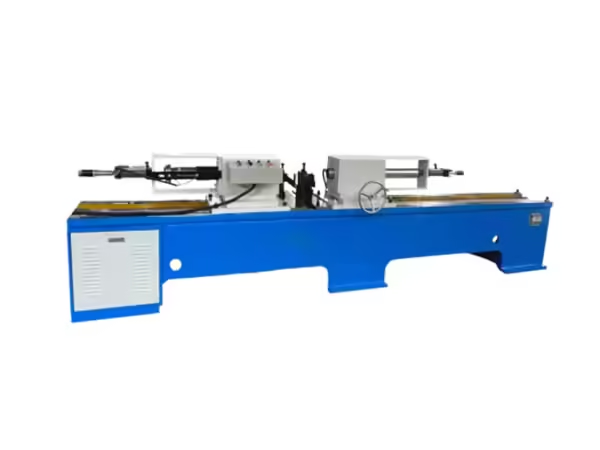
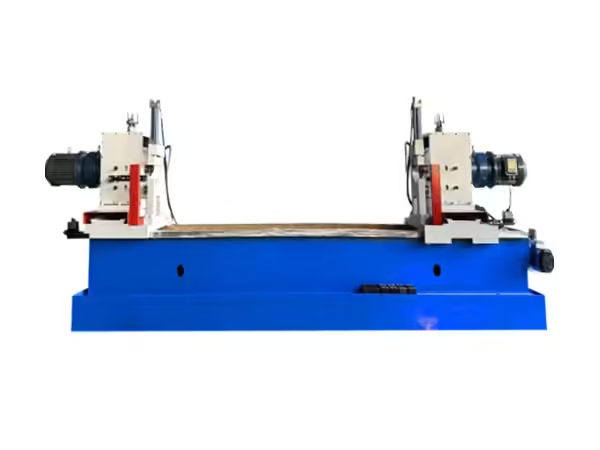
La máquina de rodamientos de ajuste automático de doble extremo con rodillo está diseñada específicamente para esta parte de la producción de rodillos transportadores. En lugar de procesar los dos extremos de forma independiente, la máquina utiliza una estructura hidráulica de ajuste a presión de doble extremo para que los componentes correspondientes puedan ensamblarse dentro de un ciclo de trabajo coordinado.
Este enfoque puede simplificar el ensamblaje repetido de rodillos, pero los resultados estables aún dependen de las dimensiones correctas de la pieza de trabajo, la alineación de la máquina, el control hidráulico, los accesorios y la calidad del mecanizado aguas arriba. Esta guía examina siete factores importantes que los fabricantes deben comprender al utilizar este tipo de equipos en la producción de rodillos transportadores.
¿qué es una máquina de rodamientos de ajuste automático de doble extremo con rodillo?
Una máquina de rodamiento de ajuste automático de doble extremo de rodillo es una máquina semiautomática especializada que se utiliza para el ensamblaje de rodillos transportadores. Su función principal es presionar los componentes relacionados con el rodamiento en su posición desde ambos extremos del rodillo mediante un proceso hidráulico controlado.
Terok Máquina de ajuste automático de rodamientos de doble extremo con rodillos está diseñado para rodillos que utilizan carcasas de hierro fundido o cojinetes prensados. La pieza de trabajo se carga manualmente, mientras que los cabezales de doble presión funcionan simultáneamente durante el ciclo de montaje. La máquina también se puede ajustar dentro de su rango especificado para adaptarse a diferentes diámetros y longitudes de rodillos.
Esto distingue al equipo de una prensa de taller general. Una prensa convencional puede generar fuerza, pero una máquina de rodillos dedicada está estructurada alrededor de piezas de trabajo cilíndricas largas, posicionamiento de doble extremo y requisitos de ensamblaje repetitivos.
Por lo tanto, el objetivo principal no es simplemente presionar los componentes entre sí. Se trata de crear un proceso de montaje repetible en el que el posicionamiento, la dirección de prensado, el soporte de la pieza de trabajo y el movimiento hidráulico se puedan controlar de forma más consistente.
Por qué es importante el montaje de rodamientos en rodillos transportadores
Los rodamientos son elementos mecánicos fundamentales que se utilizan para soportar el movimiento relativo y al mismo tiempo reducir la fricción entre componentes móviles. Una útil explicación general de cómo rodamientos mecánicos la función muestra por qué su posición y relación con los ejes y carcasas son importantes en conjuntos giratorios.
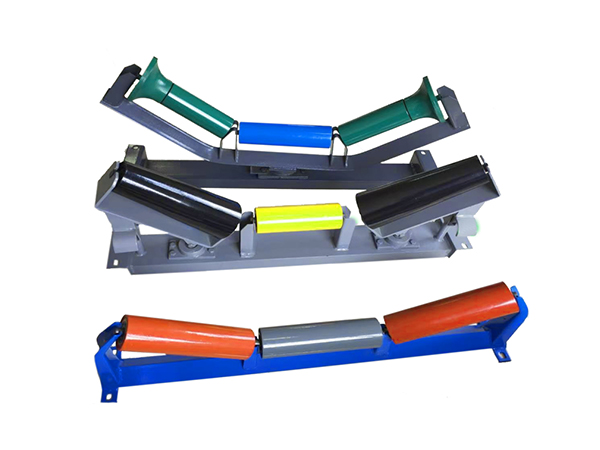
En un rodillo transportador, el área de soporte conecta varios elementos críticos. El eje proporciona la estructura de soporte central, mientras que la carcasa del rodillo gira a su alrededor a través del dispositivo de soporte. Las carcasas de cojinete, los sellos y los componentes de retención también pueden formar parte de la estructura completa.
Si estas piezas no se ensamblan en la posición prevista, el rodillo terminado no podrá reproducir la geometría establecida durante el mecanizado. Por esta razón, el montaje del rodamiento debe considerarse parte del proceso de fabricación de precisión y no una simple operación de montaje final.
Una máquina de fraguado de doble extremo dedicada ofrece a los fabricantes un proceso mecánico definido para completar esta etapa. La pieza de trabajo se puede colocar en relación con dos cabezales de presión alineados, lo que permite ensamblar ambos extremos en condiciones controladas.
Factor 1: Alineación de prensado de doble extremo
Una de las características más importantes de este tipo de máquina es la relación entre los dos husillos de presión. Debido a que la fuerza se aplica desde lados opuestos del rodillo, las dos direcciones de presión deben permanecer correctamente alineadas con el eje de la pieza de trabajo.
Si los cabezales de presión no mantienen una relación adecuada entre sí, las fuerzas que actúan sobre el conjunto pueden volverse desiguales. Esto hace que la geometría de la máquina sea tan importante como la fuerza hidráulica.
Para el modelo TY-220*2200 enumerado por Terok, la desviación coaxial especificada de los husillos de presión en ambos lados no supera los 0,1 mm. Esta figura ilustra cómo se diseña el equipo de doble extremo en torno a la alineación en lugar de simplemente dos cilindros hidráulicos independientes.
Durante la producción, la alineación también debe estar respaldada por un posicionamiento correcto de la pieza de trabajo. Incluso una máquina bien alineada no puede proporcionar un proceso estable si el rodillo se carga incorrectamente o si los accesorios de soporte no lo mantienen en la posición prevista.
Por lo tanto, los fabricantes deberían considerar la alineación del husillo, la alineación de los accesorios y el posicionamiento de los rodillos como un sistema conectado.
Factor 2: Control de prensado hidráulico
La máquina de rodamientos de ajuste automático de doble extremo con rodillo utiliza ajuste por presión hidráulico para generar el movimiento y la fuerza necesarios para el montaje. Los sistemas hidráulicos son adecuados para este tipo de operación porque pueden proporcionar un movimiento lineal estable a través de un ciclo de trabajo controlado.
La unidad hidráulica impulsa el mecanismo de presión hacia los extremos del rodillo. Cuando la pieza de trabajo se ha colocado correctamente, ambos cabezales pueden moverse simultáneamente y aplicar fuerza a lo largo de la dirección de montaje requerida.
Para el modelo TY-220*2200, Terok enumera una presión de trabajo del sistema hidráulico de 2,5 a 4,5 MPa y una fuerza de presión máxima de 4000 kgf. Estos parámetros definen parte de la capacidad de trabajo de la máquina, pero no deben considerarse por separado de la estructura del rodillo.
Una fuerza mayor no mejora automáticamente. La condición de prensado requerida depende de las dimensiones y el ajuste de los componentes que se ensamblan. La preparación, alineación y herramientas correctas de los componentes siguen siendo esenciales.
Por lo tanto, el sistema hidráulico debería proporcionar suficiente movimiento controlado para el conjunto de rodillos previsto en lugar de evaluarse únicamente según su potencia máxima.
Factor 3: Diámetro del rodillo y rango de longitud
Los rodillos transportadores se producen en diferentes diámetros y longitudes según la estructura transportadora en la que se utilizarán. Por lo tanto, una máquina destinada a la producción por lotes debe adaptarse a la gama de productos que realmente pasarán por la estación de montaje.
Para la configuración TY-220*2200, el rango de diámetro del rodillo indicado es <76-219 mm, mientras que el rango de longitud del rodillo es 200-2200 mm. La altura del centro del husillo figura en 850 mm.
Estas dimensiones afectan más que si un rodillo encaja físicamente en la máquina. Influyen en el soporte de la pieza de trabajo, la posición del cabezal de presión, el rango de ajuste y el manejo del operador.
Antes de establecer el proceso de ensamblaje, los fabricantes deben identificar las especificaciones de rodillos más pequeñas y más grandes que se esperan en la producción. Esto ayuda a determinar si el rango de ajuste de la máquina corresponde a los requisitos reales de fabricación.
También se debe considerar la variedad del producto. Una fábrica que cambia con frecuencia entre las especificaciones de los rodillos puede dar mayor importancia al ajuste práctico y al posicionamiento repetible que una línea de producción dedicada a un tamaño de rodillo estandarizado.
Factor 4: Estructura de la carcasa del rodamiento
Terok afirma que la máquina es adecuada para conjuntos de rodillos que utilizan carcasas de rodamientos de hierro fundido o prensado. Esto es importante porque las estructuras de los rodillos transportadores pueden diferir significativamente en la forma en que la carcasa del rodamiento interactúa con los componentes del tubo, el eje, el rodamiento y el sellado.
La estructura de la carcasa influye en cómo se debe transferir la fuerza durante el montaje. Las herramientas de prensado y los soportes de las piezas de trabajo deben contactar con las áreas correctas para que la carga siga el camino previsto a través de los componentes.
Por lo tanto, los fabricantes deberían examinar el estirado completo del rodillo antes de instalar la máquina. La posición del rodamiento, la geometría de la carcasa, la disposición del eje, las características de retención y la estructura de sellado afectan la forma en que se debe realizar la operación de prensado.
Cambiar de un diseño de rodillo a otro puede requerir algo más que ajustar la longitud total de la máquina. Es posible que los accesorios o herramientas también deban corresponder a la geometría de los diferentes componentes.
Esta es la razón por la que una máquina de ensamblaje de rodillos dedicada debe configurarse alrededor de la estructura real del producto en lugar de simplemente el diámetro exterior del rodillo terminado.
Factor 5: Precisión del mecanizado aguas arriba
El prensado de rodamientos no puede compensar piezas inexactas producidas en una etapa anterior del proceso de fabricación. Si las dimensiones del tubo del rodillo, del eje o de la carcasa no corresponden al diseño, la etapa de montaje puede volverse inconsistente incluso cuando la propia máquina esté funcionando correctamente.
La preparación del tubo influye en la longitud total del rodillo y en la condición final. El mecanizado del extremo del tubo afecta la posición y el ajuste de los componentes relacionados con los rodamientos. El mecanizado del eje determina la geometría alrededor de la cual se centra el conjunto de rodillos terminado.
Por lo tanto, estos procesos ascendentes deberían controlarse antes de que el rodillo llegue a la máquina de ajuste de rodamientos.
Un principio de producción útil es inspeccionar las características críticas lo más cerca posible de la etapa donde se crean. Las dimensiones de los tubos se pueden verificar después del corte y el mecanizado final, mientras que las características del eje se pueden verificar antes del ensamblaje. Esto facilita la identificación del origen de la variación dimensional.
Cuando los componentes preparados adecuadamente llegan a la prensa, la máquina de rodamientos de ajuste automático de doble extremo con rodillo puede realizar su función prevista en condiciones mucho más estables.
Factor 6: Operación Semiautomática y Producción por Lotes
La máquina utiliza un concepto de funcionamiento semiautomático. La carga se realiza manualmente, mientras que la acción de prensado de doble cabezal se realiza a través de los sistemas hidráulico y de control de la máquina.
Esta configuración puede resultar práctica para la fabricación de rodillos por lotes porque combina la flexibilidad del operador con un ciclo de prensado mecánico repetible. Los operadores siguen siendo capaces de manejar diferentes especificaciones de rodillos, mientras que no es necesario recrear manualmente el movimiento crítico del conjunto para cada pieza de trabajo.
La secuencia operativa generalmente se puede entender de la siguiente manera:
| Escenario de montaje | Acción principal | Objetivo del proceso |
|---|---|---|
| Carga de piezas de trabajo | Rodillo colocado en la máquina | Prepare el rodillo para el montaje |
| Ajuste de posición | Rodillo alineado con cabezales de presión | Establecer el eje de montaje correcto |
| Soporte de pieza de trabajo | Rodillo estabilizado | Mantenga la posición durante el prensado |
| Prensado hidráulico | Ambas cabezas se mueven simultáneamente | Establecer componentes relacionados con los rodamientos |
| Finalización de la prensa | Se alcanza la posición requerida | Montaje completo de doble extremo |
| Ciclo de retorno | Los cabezales de presión se retraen | Prepárese para retirar la pieza de trabajo |
| Inspección | Montaje terminado comprobado | Confirmar el estado del montaje |
El funcionamiento semiautomático no significa que el control del proceso sea menos importante. El operador todavía necesita un método de carga claramente definido, un ajuste correcto de la máquina, accesorios adecuados y un procedimiento de inspección consistente.
Cuando estos elementos están estandarizados, la máquina puede soportar la producción repetida por lotes sin dejar de ser adaptable a varias especificaciones de rodillos.
Factor 7: Integración de la máquina con el proceso de producción de rodillos completos
El conjunto de rodamientos es sólo una etapa de la fabricación de rodillos transportadores. Antes de que la pieza de trabajo llegue a la máquina prensadora, el tubo y el eje del rodillo normalmente pasan por varios procesos de preparación y mecanizado.
El corte del tubo establece la longitud inicial de la carcasa del rodillo. El mecanizado del extremo del tubo prepara la carcasa para su posterior montaje. También puede ser necesario fresar el eje, ranurar, mecanizar plano o procesar el orificio central según el diseño del rodillo.
Después del fraguado del rodamiento, pueden seguir operaciones adicionales como soldadura, sellado, montaje final o inspección.
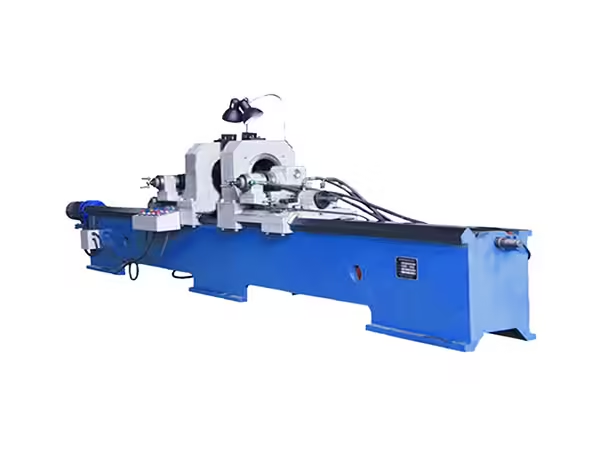
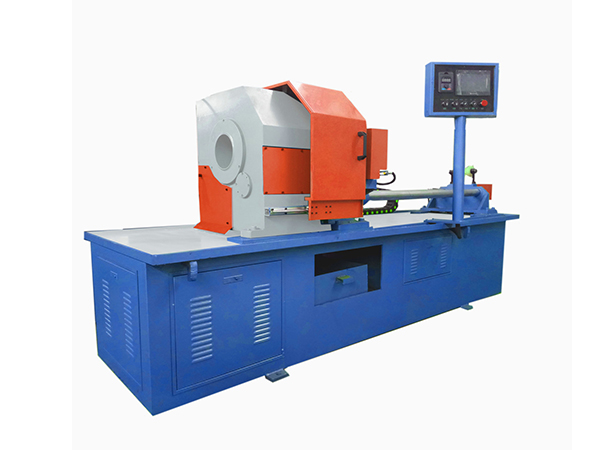
Terok Maquinaria de fabricación y procesamiento la gama incluye equipos para varias de estas etapas conectadas, incluido el corte de tubos, el mecanizado de tubos de doble extremo, el procesamiento de ejes, el ajuste de rodamientos, la soldadura y el mecanizado de rodillos especializado.
Por tanto, la máquina rodadora debería evaluarse como un elemento dentro de una secuencia de fabricación más amplia. Su capacidad de trabajo y método de ajuste deben corresponder a los procesos anteriores y posteriores.
Una línea de producción se vuelve más fácil de gestionar cuando las máquinas individuales funcionan con capacidades compatibles y las piezas de trabajo pueden moverse entre etapas sin ajustes repetidos innecesarios.
Comprensión de los parámetros técnicos del TY-220*2200
Los parámetros técnicos ayudan a definir el rango de trabajo de la máquina y siempre deben compararse con las especificaciones del rodillo que se produce.
El modelo TY-220*2200 actualmente listado por Terok incluye los siguientes parámetros principales:
| Artículo | Especificación |
|---|---|
| Modelo | TY-220*2200 |
| Altura del centro del husillo | 850 milímetros |
| Diámetro del rodillo | ^76-219 mm |
| Longitud del rodillo | 200-2200 mm |
| Presión de trabajo del sistema hidráulico | 2,5-4,5 MPa |
| Fuerza máxima de presión | 4000 kgf |
| Dimensiones generales | 3900×700×1100 mm |
| Desviación coaxial de los husillos de prensado de ambos lados | ≤0,1 mm |
Estas cifras deben entenderse como límites de capacidad del equipo y no como afirmaciones de rendimiento aisladas. Las dimensiones de los rodillos, el diseño de los componentes, las herramientas y las condiciones reales de producción aún determinan cómo se debe configurar la máquina.
El sitio web también incluye TY-160*2200 como otro modelo, lo que muestra que se pueden utilizar diferentes configuraciones de máquina según la gama de rodillos prevista.
Por qué el prensado simultáneo de doble extremo es diferente del ensamblaje separado
El procesamiento de ambos extremos dentro de un ciclo de máquina reduce la necesidad de retirar, invertir y reposicionar el rodillo entre operaciones. Esto es particularmente útil para piezas de trabajo cilíndricas largas porque la manipulación repetida puede dificultar la alineación constante.
El prensado simultáneo también permite hacer referencia a los dos extremos dentro de la misma estructura de la máquina. En lugar de establecer configuraciones separadas para cada lado, ambas operaciones se coordinan alrededor de la misma posición del rodillo.
Esto no garantiza automáticamente un montaje correcto. Aún es necesario controlar las tolerancias de los componentes, las superficies de presión, la alineación de las piezas de trabajo y el estado de la máquina.
Sin embargo, la estructura proporciona una base más repetible para la producción por lotes que tratar cada extremo del rodillo como una operación no relacionada.
Para los fabricantes que se ocupan de especificaciones repetidas, esto puede hacer que la organización de la producción sea más sencilla y reducir el manejo innecesario entre pasos de ensamblaje.
Cómo los accesorios influyen en la coherencia del ensamblaje
Los accesorios son una parte importante del ajuste del rodamiento porque determinan cómo se soporta y ubica el rodillo mientras se aplica la fuerza.
Un dispositivo debe estabilizar la pieza de trabajo sin introducir deformaciones ni permitir movimientos innecesarios. También debe adaptarse a las dimensiones del rodillo dentro del rango previsto por la máquina.
Si los soportes se desgastan o se ajustan incorrectamente, la posición del rodillo puede cambiar aunque la presión hidráulica permanezca estable. Esto puede crear una aparente inconsistencia de la máquina cuando el problema real es la ubicación de la pieza de trabajo.
Por lo tanto, los accesorios deben inspeccionarse como parte de la gestión rutinaria del equipo. Las superficies de contacto, los componentes de posicionamiento, los mecanismos de ajuste y los puntos de sujeción influyen en la repetibilidad.
Cuando se procesan diferentes especificaciones de rodillos, los procedimientos de configuración deben definir claramente cómo se cambian y verifican las posiciones de los accesorios antes de que se reanude la producción.
PLC y Control Eléctrico en Montaje Repetitivo
La configuración del producto incluye un sistema de control basado en PLC junto con componentes hidráulicos y eléctricos que coordinan el funcionamiento de la máquina.
El control PLC es útil en ensamblaje repetitivo porque proporciona una secuencia operativa definida. Una vez que la máquina está configurada correctamente, los movimientos de presión y retorno pueden seguir la misma lógica de control en múltiples ciclos de producción.
El PLC no debe verse como un reemplazo de la configuración mecánica correcta. Controla la secuencia, mientras que la estructura física de la máquina determina con qué precisión se coloca la pieza de trabajo y cómo se transfiere la fuerza.
Por lo tanto, la producción estable depende de la combinación de lógica de control, rendimiento hidráulico, geometría de la máquina, accesorios y procedimientos del operador.
Esta combinación es especialmente importante en maquinaria semiautomática, donde la carga manual de piezas interactúa directamente con un ciclo de prensado automatizado.
Fuentes comunes de variación durante el fraguado del rodamiento
Cuando los rodillos ensamblados muestran resultados inconsistentes, aumentar la configuración de la máquina no debería ser la primera respuesta. Varios factores diferentes pueden crear variación.
Los ejes o carcasas mal mecanizados pueden cambiar el ajuste entre los componentes. Las piezas de trabajo pueden colocarse de manera diferente de un ciclo a otro. Los accesorios pueden desgastarse gradualmente. El rendimiento hidráulico también puede cambiar si el sistema no se mantiene correctamente.
La contaminación de los componentes puede crear otra fuente de variación porque es posible que las superficies no encajen de la misma manera durante cada ciclo de ensamblaje.
Por lo tanto, un proceso estructurado de resolución de problemas debería comenzar separando los factores relacionados con la máquina de los factores relacionados con los componentes.
Los fabricantes pueden verificar las dimensiones de las piezas de trabajo, verificar las posiciones de los accesorios, inspeccionar las superficies de prensado, observar el funcionamiento hidráulico y comparar resultados en varios ciclos de producción.
Este enfoque facilita la identificación de la causa real en lugar de ajustar repetidamente la prensa para compensar un problema ascendente.
Inspección después del proceso de prensado
La inspección debe integrarse en el proceso de ensamblaje para que se identifiquen los problemas antes de que los rodillos pasen a las etapas de producción posteriores.
Las comprobaciones específicas dependen del diseño del rodillo, pero los fabricantes pueden examinar la posición del rodamiento, la simetría de los componentes, la relación del eje, la rotación del rodillo y la condición visible del conjunto.
Para equipos de prensado de doble extremo, la relación entre ambos lados debe recibir especial atención. La variación repetida en un lado puede indicar un problema de posicionamiento, accesorio, herramientas o alineación de la máquina.
Los registros de inspección también pueden resultar útiles cuando se producen varias especificaciones de rodillos. Ayudan a identificar si un problema está relacionado con una configuración en particular o si aparece en diferentes tipos de productos.
El propósito de la inspección no es sólo separar piezas de trabajo aceptables e inaceptables. También proporciona información que puede utilizarse para mantener un proceso de fabricación estable.
Requisitos de mantenimiento para una operación estable
El equipo hidráulico depende de una condición mecánica y del sistema de fluidos constante. La inspección periódica debe incluir componentes hidráulicos, husillos de presión, guías, accesorios, sensores, sujetadores y elementos eléctricos.
Las áreas que contactan o posicionan directamente el rodillo requieren especial atención porque pequeños cambios pueden influir en la alineación del conjunto.
Se deben investigar fugas hidráulicas, movimientos irregulares, ruidos inusuales de la máquina o cambios en el comportamiento del ciclo antes de que comiencen a afectar la producción repetida.
Las superficies y accesorios de prensado también deben permanecer limpios para que los componentes puedan colocarse de manera consistente.
Por lo tanto, el mantenimiento debe tratarse como parte del control del proceso. Una máquina que cambia gradualmente de condición puede introducir variaciones en el ensamblaje incluso cuando los operadores continúan usando la misma configuración.
Cómo evaluar esta máquina para una línea de producción
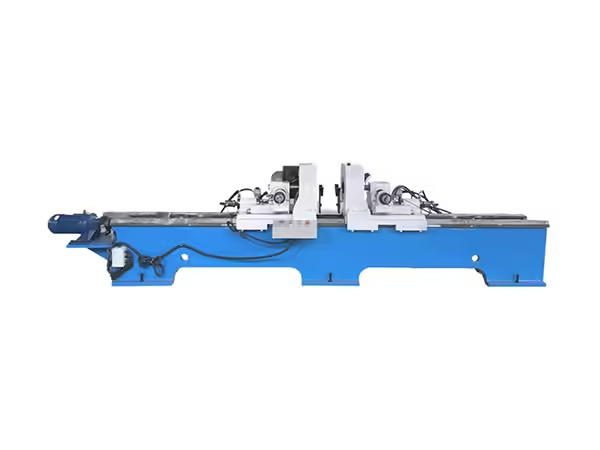
El primer paso es comparar el rango de trabajo de la máquina con los rodillos que realmente se producirán. El diámetro y la longitud del rodillo deben estar dentro del rango previsto para la máquina, pero los fabricantes también deben considerar la estructura de la carcasa del cojinete, la disposición del eje, la posición de presión y las herramientas.
El segundo paso es evaluar el proceso de fabricación circundante. Si el mecanizado ascendente no puede mantener dimensiones consistentes de los componentes, seguirá siendo difícil estandarizar el prensado de rodamientos.
El patrón de producción también importa. Una fábrica que produce lotes repetidos de rodillos similares puede beneficiarse fuertemente del prensado simultáneo de doble extremo, mientras que una instalación que produce muchas estructuras diferentes debe prestar especial atención a los procedimientos de ajuste y la flexibilidad de los accesorios.
Finalmente, la máquina debería ajustarse a la secuencia general de producción. El objetivo no es optimizar una operación aislada y al mismo tiempo crear retrasos en otros lugares. La preparación de tubos, el mecanizado de ejes, el ajuste de rodamientos, la soldadura y la inspección deben funcionar juntos como un sistema coordinado.
Conclusión
La máquina de rodamientos de ajuste automático de doble extremo de rodillos es una máquina de ensamblaje de rodillos transportadores especializada diseñada en torno al ajuste por presión hidráulico de doble extremo. Su valor principal proviene del procesamiento de ambos extremos del rodillo dentro de una configuración coordinada y al mismo tiempo proporciona una estructura ajustable para diferentes dimensiones del rodillo dentro de su rango de trabajo.
La operación confiable depende de algo más que la fuerza hidráulica. La alineación del husillo de presión, las dimensiones de los rodillos, la estructura de la carcasa del rodamiento, la precisión de los componentes aguas arriba, los accesorios, el control del PLC y el mantenimiento contribuyen a la coherencia del ensamblaje.
Para la producción de rodillos transportadores por lotes, el prensado simultáneo de doble extremo puede reducir el reposicionamiento repetido de las piezas de trabajo y crear un ciclo de ensamblaje más estructurado. Sin embargo, la máquina funciona mejor cuando se integra con una preparación precisa de tubos, mecanizado de ejes, inspección de componentes y procesos de producción posteriores.
Al evaluar la secuencia de montaje completa en lugar de un solo parámetro de la máquina, los fabricantes pueden establecer un proceso de producción de rodillos más repetible y hacer un mejor uso de equipos especializados de fijación de rodamientos.
Preguntas frecuentes
¿para qué se utiliza una máquina de rodamientos de ajuste automático de doble extremo con rodillo?
Es una máquina semiautomática especializada que se utiliza para el montaje de rodillos transportadores. El equipo utiliza prensado hidráulico de doble extremo para colocar componentes relacionados con el rodamiento en ambos extremos del rodillo.
¿qué tamaños de rodillos puede procesar el modelo TY-220*2200?
La especificación actual de Terok enumera un rango de diámetro de rodillo de <76-219 mm y un rango de longitud de rodillo de 200-2200 mm.
¿Por qué la máquina presiona ambos extremos al mismo tiempo?
El prensado simultáneo de doble extremo reduce el reposicionamiento repetido de la pieza de trabajo y permite coordinar ambas operaciones de ensamblaje alrededor de la misma posición del rodillo.
¿la precisión del prensado de los rodamientos se ve afectada por el
Sí. Las dimensiones del eje, el estado del extremo del tubo, la geometría de la carcasa del cojinete y otras características de los componentes deben controlarse antes del montaje. La máquina prensadora no puede compensar componentes que no coincidan con el diseño previsto.
¿Qué se debe comprobar durante el mantenimiento rutinario de la máquina?
Las áreas importantes incluyen componentes hidráulicos, husillos de presión, accesorios, guías, sensores, elementos eléctricos, puntos de sujeción y las superficies utilizadas para posicionar o presionar el rodillo.
¿necesita soporte técnico para equipos de ensamblaje de rodillos?
La selección de equipos de ensamblaje de rodillos adecuados requiere comprender las dimensiones de los rodillos, la estructura de la carcasa del rodamiento, el diseño del eje, la secuencia de producción y los procesos de mecanizado circundantes. Cangzhou Terok proporciona maquinaria especializada para la fabricación y montaje de rodillos transportadores y puede soportar la configuración del equipo de acuerdo con requisitos de producción específicos.
 Spanish
  English
  French