
Table of Contents
Introduction
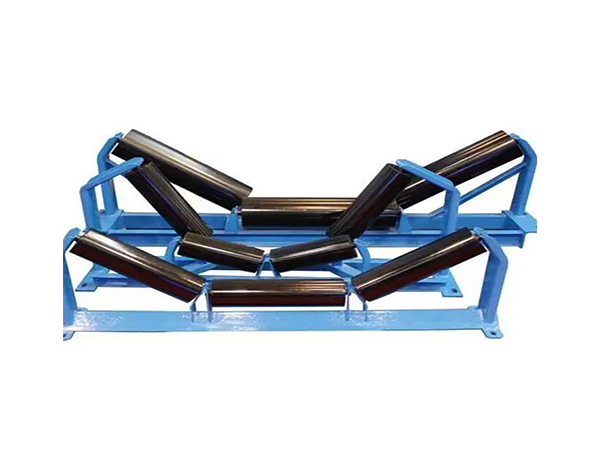
A conveyor belt idler roller normally operates for long periods with little direct attention, yet its condition affects belt support, tracking stability, rotational resistance, material movement, and the mechanical load transferred to the conveyor structure. In mining, quarrying, cement, steel, power generation, and other bulk-material applications, rollers may also be continuously exposed to dust, moisture, abrasive particles, impact, and material buildup.
Because a conveyor system can contain a large number of idlers, a developing problem with one roller may initially appear insignificant. However, repeated roller problems in the same conveyor section can indicate misalignment, unsuitable sealing, abnormal loading, incorrect installation, or another system-level issue. Effective maintenance therefore requires more than replacing any roller that stops rotating.
This guide explains eight common warning signs associated with a conveyor belt idler roller and shows how maintenance teams can distinguish individual component wear from wider conveyor problems.
How a Conveyor Belt Idler Roller Works
A conveyor belt idler roller provides a rotating support surface underneath the belt. The roller shell rotates around bearings positioned on the shaft, while the shaft transfers the resulting load into the idler bracket or conveyor frame. The complete assembly also includes bearing housings, seals, and other components that maintain alignment and protect the internal rotating system.
Different conveyor positions create different operating requirements. Carrying rollers support the loaded belt, return rollers support the belt after material discharge, buffer rollers are used around impact-sensitive loading areas, and roller sets create the required belt-support geometry.
The existing conveyor idler roller range reflects these different functions rather than treating every roller as one universal component. Maintenance should use the same principle: the condition of a roller needs to be interpreted according to where and how it operates.
Failure Sign 1: The Roller Stops Rotating Freely
One of the clearest warning signs is a roller that rotates slowly, intermittently, or not at all while the belt continues moving across its surface. Instead of rolling with the belt, the shell begins creating sliding contact, which can increase local friction and affect both the roller and belt surface.
Restricted rotation can originate from bearing deterioration, contamination entering the bearing area, internal component damage, excessive material accumulation, or deformation affecting the relationship between the shaft and roller shell. A maintenance inspection should therefore examine the roller ends and bearing area rather than assume the visible outer tube is the source.
When several nearby rollers develop similar rotational problems, the operating environment should also be reviewed. Heavy dust, moisture, or persistent material accumulation may indicate that the problem extends beyond one isolated component.
Failure Sign 2: Unusual Noise During Operation
A healthy idler normally rotates without producing excessive mechanical noise. Grinding, scraping, clicking, or other new sounds can indicate changes in bearing condition, internal contamination, loose components, or contact between surfaces that should normally remain separated.
Noise should be investigated in relation to conveyor speed and operating load. A roller that only produces abnormal sound under loaded conditions may be responding differently from one that remains noisy even when the conveyor is lightly loaded.
Listening for changes is useful because abnormal noise can appear before complete roller seizure. Maintenance teams that regularly inspect the same conveyor sections can often identify changes more effectively than relying only on a single visual inspection.
Failure Sign 3: Excessive Vibration
Vibration around an idler position can originate from the roller itself or from the conveyor structure around it. Possible causes include bearing wear, roller runout, material buildup on the shell, shaft alignment problems, damaged brackets, or an uneven loading pattern on the belt.
The important maintenance step is to determine whether the vibration follows the individual roller or remains associated with the conveyor position. Replacing a roller without checking the bracket and neighboring idlers may provide only temporary improvement if the real cause is structural misalignment.
Where repeated vibration appears in the same area, belt tracking, frame condition, material loading, and neighboring roller geometry should be inspected together. A conveyor belt idler roller operates as part of a support system, so vibration should rarely be diagnosed from the roller alone.
Failure Sign 4: Visible Roller Runout
Runout occurs when the rotating shell does not maintain a consistent cylindrical path around its intended axis. A roller with visible radial movement may repeatedly change its contact relationship with the belt during rotation.
Several factors can contribute to this condition. Tube geometry may have changed through wear or damage, material can accumulate unevenly around the shell, bearing housings may lose alignment, or internal assembly variation can affect the relationship between the shaft and rotating tube.
Manufacturing accuracy also influences initial runout because tube preparation, shaft machining, bearing housing positioning, assembly, and welding all contribute to the finished geometry. In service, a roller that develops abnormal runout should therefore be inspected for both external deformation and internal alignment problems.
Failure Sign 5: Material Buildup Around the Roller
Bulk materials can accumulate on the outer surface of a roller or around the bearing and seal areas. When buildup becomes uneven, it can change the effective diameter of the rotating shell and create vibration or irregular belt contact.
Material accumulation around the ends of the roller deserves particular attention because this is where the shaft, bearings, housings, and sealing components are located. Fine particles may gradually approach the internal bearing area if seals are damaged or incorrectly matched to the application.
The type of conveyed material influences how significant this risk becomes. Fine cement dust creates different contamination behavior from wet aggregate or larger crushed stone. Cleaning and inspection procedures should therefore reflect the material being handled rather than applying one maintenance routine to every conveyor.
Failure Sign 6: Damaged or Displaced Seals
Seals help reduce the entry of dust, moisture, and other contaminants into the bearing chamber. Once sealing elements become damaged, displaced, or heavily contaminated, the protection surrounding the bearing can deteriorate even though the roller still appears to rotate normally.
This makes seal inspection especially valuable in harsh industrial environments. Waiting until the bearing becomes noisy or completely restricted can allow an earlier sealing problem to develop into a larger mechanical issue.
Seal condition should also be interpreted together with shaft position and bearing housing geometry. A replacement sealing component needs to match the complete roller structure rather than simply having a similar appearance, because different idler designs can use different internal arrangements.
Failure Sign 7: Uneven Belt Contact
A conveyor belt should contact its supporting rollers according to the geometry established by the idler frame. If one roller sits noticeably higher, lower, or at an incorrect angle, belt contact can become uneven.
The roller itself may not always be responsible. Bent brackets, incorrect shaft seating, structural distortion, accumulated material under the frame, or previous installation work can alter the position of an otherwise correctly manufactured idler.
This is particularly important in troughing arrangements where several rollers work together to support the belt profile. A conveyor roller set depends on the relationship between the bracket and rotating rollers, so maintenance should inspect the complete assembly whenever uneven belt contact appears.
Failure Sign 8: Repeated Problems in the Same Conveyor Position
If a replacement roller repeatedly develops problems in exactly the same position, the conveyor system itself should become the primary focus of the investigation. Replacing the same component several times without identifying the surrounding cause can hide the actual mechanical problem.
Possible causes include incorrect frame alignment, unusual belt loading, material impact, excessive contamination, unsuitable roller type, abnormal roller spacing, damaged supporting brackets, or persistent belt tracking problems. The replacement roller simply experiences the same conditions as the previous component.
This pattern is particularly useful diagnostically because it separates random individual wear from a location-specific issue. Maintenance records showing repeated failures at the same point can therefore provide valuable information about conveyor operating conditions.
Distinguishing Roller Problems From Belt Tracking Problems
A belt that moves away from the conveyor centerline can create uneven contact with the idlers, but a damaged or incorrectly installed roller can also contribute to tracking problems. Determining cause and effect requires examination of a wider section of the conveyor.
A conveyor belt follows a path influenced by the supporting structure, idler alignment, loading distribution, belt condition, and other mechanical factors. If the belt begins moving sideways, technicians should inspect several consecutive idler positions rather than immediately adjusting one roller.
Material buildup, skewed brackets, uneven loading, and structural alignment can all affect tracking. Training or self-aligning idlers may assist belt guidance, but they should not be expected to permanently compensate for major alignment problems elsewhere in the system.
Why Bearing and Seal Problems Are Closely Connected
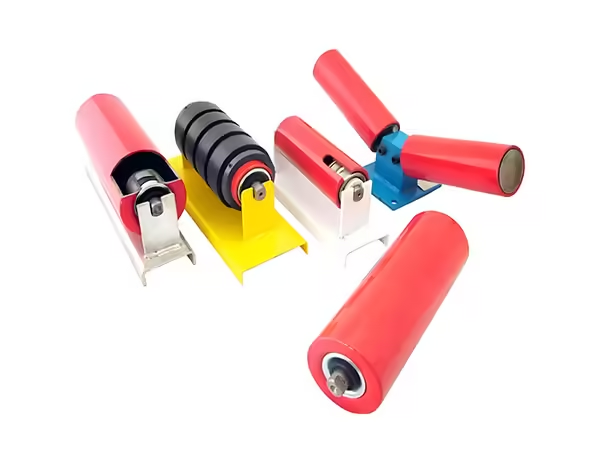
Bearings and seals perform different functions, but their operating conditions are closely related. The bearing provides the rotational interface between the shaft and roller shell, while the sealing structure protects the bearing area from contaminants.
In dusty industrial environments, seal deterioration can allow fine particles to move closer to the bearing chamber. Over time, contamination can influence lubrication and increase rotational resistance, eventually producing noise, heat, vibration, or restricted movement.
For this reason, a bearing problem should not always be treated as an isolated bearing issue. The surrounding seal, housing, shaft, and environmental conditions should also be examined so that the original cause is not overlooked when the roller returns to service.
How Loading Zones Change Idler Maintenance
The conveyor section where material enters the belt normally experiences different forces from a long straight carrying section. Falling material creates impact, while uneven loading can temporarily concentrate forces across a relatively small area.
Buffer rollers are specifically associated with these demanding positions because their role includes reducing the effect of impact transmitted through the belt. Maintenance around loading zones should therefore consider roller condition, surrounding brackets, belt surface, material drop pattern, and accumulated debris together.
If conventional rollers repeatedly experience problems close to the loading point, technicians should verify whether the roller configuration matches the actual operating duty rather than assuming that every carrying position has identical mechanical requirements.
Why Return-Side Idlers Need Inspection
Return rollers support the belt after the conveyed material has been discharged. Although they no longer carry the main bulk load, they can still experience significant contamination because material may remain attached to the belt surface.
Fine particles can be transferred onto return-side rollers repeatedly, while misalignment or belt sag can also influence how the belt contacts them. These conditions make regular inspection important even though return rollers may initially appear to operate under lighter loads.
Maintenance programs should therefore include both carrying and return sections. Concentrating only on the loaded side can allow developing problems along the return path to remain unnoticed until they begin affecting belt movement.
Checking Roller Alignment
Alignment inspection should examine how each roller sits relative to neighboring idlers and the conveyor centerline. The shaft needs to seat correctly in the supporting structure, while brackets should maintain their intended position and angle.
A useful inspection looks across several consecutive roller sets rather than only at one component. This makes it easier to recognize gradual structural deviation or one bracket that sits differently from the surrounding supports.
Where possible, material buildup should be removed before alignment is judged because accumulated debris can change component position or make structural distortion difficult to see.
Correct alignment allows the roller to perform its supporting function without introducing unnecessary side forces into the moving belt.
Checking Roller Rotation During Routine Maintenance
Routine inspection does not always require dismantling the roller. Operational observation can reveal substantial information about how the component behaves under real conveyor conditions.
Technicians can compare rotation between neighboring rollers, listen for unusual noise, observe belt contact, look for vibration, and identify rollers that appear to lag behind the moving belt. Changes from one inspection to the next are often more informative than a single observation.
Any suspected component should then be evaluated according to the site’s maintenance procedures. The purpose of routine inspection is to identify developing changes early enough that the surrounding conveyor can also be checked before a larger problem develops.
Why Roller Spacing Matters
Roller spacing influences the distance over which the belt is unsupported between adjacent idler sets. The appropriate spacing depends on belt properties, material loading, conveyor design, and the function of the particular conveyor section.
If spacing or supporting geometry is incorrect, individual idlers may experience loading conditions different from those intended by the conveyor design. This can contribute to belt sag, uneven contact, or greater forces at specific positions.
When repeated roller problems appear across a section of the conveyor rather than at one isolated location, idler spacing and structural layout should therefore be included in the inspection.
Manufacturing Quality and Service Performance
Not every idler problem originates during conveyor operation. Initial manufacturing consistency also influences how the roller behaves after installation.
Tube geometry, shaft machining, bearing housing positioning, bearing installation, sealing assembly, and welding can all affect the relationship between the rotating shell and central shaft. If these dimensions vary across a batch, the rollers may not reproduce the same rotational behavior even when they are installed in identical positions.
For this reason, reliable conveyor belt idler roller production requires process control from tube preparation through final inspection. Service performance begins with the geometry established before the roller reaches the conveyor.
When a Roller Should Be Examined More Closely
A roller deserves closer inspection when several warning signs appear together. For example, increasing noise combined with slower rotation and contamination around the end seal provides more useful diagnostic information than any one symptom in isolation.
The same applies to vibration combined with visible runout or uneven belt contact. These combinations help maintenance teams determine whether the problem is likely internal to the roller or connected with the surrounding conveyor structure.
Inspection should therefore focus on patterns rather than isolated observations. Understanding how several symptoms relate to one another leads to a more systematic maintenance decision.
Using Maintenance Records to Identify Patterns
Maintenance records can reveal problems that are difficult to recognize during individual inspections. Recording roller position, installation date, observed symptoms, environmental conditions, and repeated replacements allows technicians to compare performance across the conveyor.
If rollers of the same specification operate reliably in most areas but repeatedly develop problems near one transfer point, the location deserves closer investigation. If similar problems appear throughout the conveyor, the roller specification or broader operating environment may require review.
This type of historical comparison helps distinguish local mechanical problems from patterns affecting an entire group of idlers.
A Practical Inspection Sequence
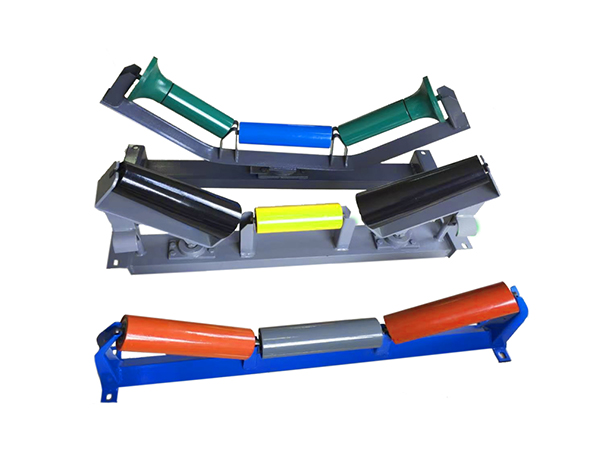
A useful inspection sequence begins with the wider conveyor before moving inward toward individual roller components. Technicians should observe belt tracking and loading, inspect the supporting frame and idler position, check roller rotation and surface condition, examine material buildup, and then look closely at seals and bearing-related areas.
Following this order helps prevent premature conclusions. If the frame is visibly distorted, replacing the roller first may not solve the underlying problem. Similarly, if several rollers show contamination around their seals, the operating environment may require broader attention.
A systematic sequence makes troubleshooting more consistent and allows maintenance teams to connect roller symptoms with their likely source.
Conclusion
A conveyor belt idler roller should not be evaluated only when it completely stops rotating. Noise, vibration, visible runout, material buildup, damaged seals, uneven belt contact, and repeated failures in the same position can all provide earlier indications that operating conditions have changed.
Effective maintenance also requires understanding that the roller works as part of a larger support system. Bearings, seals, shafts, brackets, roller sets, belt tracking, loading patterns, and conveyor alignment interact with one another, so replacing one component without inspecting its surroundings can allow the same problem to return.
By monitoring changes in roller behavior and using a structured inspection sequence, maintenance teams can distinguish individual component wear from broader conveyor issues. This approach supports more consistent operation across carrying, return, loading, and belt-guidance sections of an industrial conveyor.
FAQ
What are the most common signs of a conveyor belt idler roller problem?
Common warning signs include restricted rotation, unusual noise, vibration, visible runout, heavy material buildup, damaged seals, uneven belt contact, and repeated problems at the same conveyor position. These symptoms should be evaluated together with belt alignment, brackets, loading conditions, and neighboring rollers.
Why does a conveyor belt idler roller stop rotating?
Restricted rotation can result from bearing deterioration, contamination entering the bearing area, damaged internal components, material buildup, shaft or housing misalignment, or deformation of the roller assembly. When several nearby rollers show the same problem, the surrounding conveyor environment should also be inspected.
Can a damaged idler roller cause conveyor belt tracking problems?
Yes, an incorrectly positioned, damaged, or high-resistance roller can contribute to uneven belt contact, but tracking problems can also originate from frame alignment, loading distribution, material buildup, belt condition, or other idlers. A wider conveyor section should therefore be checked before assigning the cause to one roller.
Why do idler rollers repeatedly fail in the same conveyor location?
Repeated problems at one position often indicate a location-specific cause such as abnormal impact, frame misalignment, heavy contamination, uneven material loading, damaged brackets, unsuitable roller configuration, or persistent belt tracking issues. Replacing the roller alone may not remove the condition affecting it.
How should conveyor idler rollers be inspected during maintenance?
Inspection should include roller rotation, noise, vibration, shell condition, visible runout, seal condition, material accumulation, shaft seating, bracket alignment, and belt contact. Comparing neighboring idlers and reviewing previous maintenance records can help determine whether the issue is isolated or part of a broader conveyor problem.
 English
 French
 Spanish