

In modern conveyor systems, performance is often judged by belt speed, motor power, or roller strength. However, experienced engineers know that the real failure point in most conveyor systems is not the visible components—it is the sealing system hidden inside each roller.
When dust, moisture, and fine particles enter the bearing chamber, even the strongest conveyor roller will gradually lose efficiency. This leads to overheating, increased friction, unexpected shutdowns, and costly maintenance cycles.
The TD75 roller seal is designed specifically to solve this hidden but critical problem. It protects conveyor rollers in demanding environments by preventing contamination from reaching the bearing system, ensuring long-term stability and consistent performance.
In this article, you will explore how TD75 roller seal technology works, why it is widely used in conveyor engineering systems, how it compares with traditional sealing methods, and how it improves the long-term reliability of industrial conveyor operations.
Table of Contents
Why Conveyor Roller Failure Starts with Sealing Problems
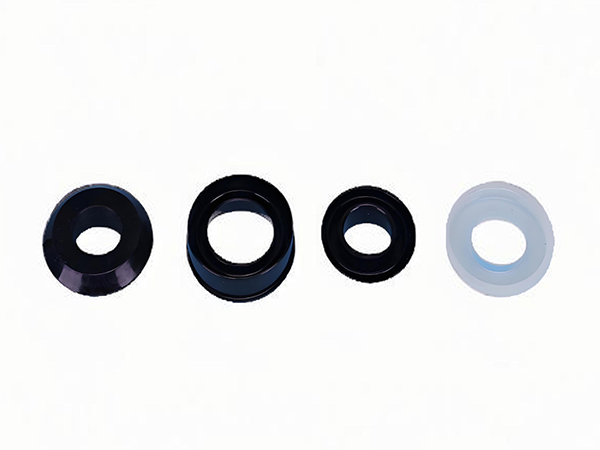
Most conveyor operators assume roller failure comes from overload or mechanical fatigue. In reality, engineering maintenance studies show a different picture.
The majority of roller failures are caused by:
- Dust ingress into bearing chambers
- Moisture contamination
- Lubricant leakage
- Abrasive particle wear
- Seal degradation over time
According to industrial maintenance research referenced in engineering publications such as , sealing-related issues are one of the top contributors to conveyor downtime in bulk material handling systems.
This makes sealing performance one of the most important design factors in conveyor roller engineering.
What Makes TD75 Roller Seal Different
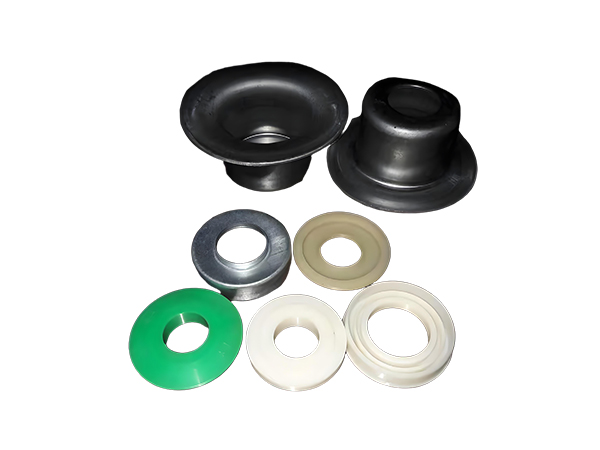
The TD75 roller seal is designed as a multi-stage protective sealing structure that forms a physical and dynamic barrier between external contaminants and internal bearing components.
Unlike simple contact seals, TD75 roller seal systems rely on:
- Labyrinth-style channel structures
- Multi-layer dust blocking paths
- Controlled airflow resistance
- Non-direct contact sealing principles
This design ensures that contaminants must pass through multiple directional changes before reaching the bearing zone. During this process, particle energy is reduced, and most contaminants settle before reaching critical areas.
This principle is widely recognized in industrial bearing protection systems and is supported by engineering references such as .
How TD75 Roller Seal Improves Conveyor System Lifespan
To understand its impact, you need to look at how conveyor rollers operate over time.
A conveyor roller typically runs continuously under:
- Load pressure
- Rotational friction
- Environmental exposure
- Vibration and impact forces
Without proper sealing, contaminants gradually enter the bearing system. Once inside, they cause:
- Increased rolling resistance
- Lubricant breakdown
- Heat accumulation
- Accelerated wear
The TD75 roller seal prevents this chain reaction by maintaining a clean internal bearing environment, significantly extending roller service life and reducing maintenance frequency.
Integration in Conveyor Systems
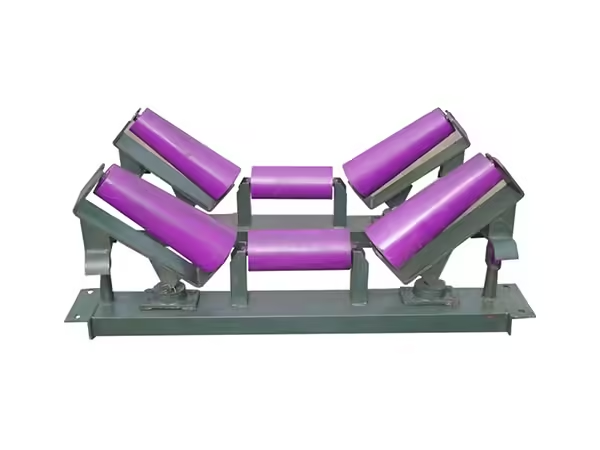
The TD75 roller seal is not an isolated component—it is part of a full conveyor roller ecosystem.
It works alongside:
- Conveyor belt idlers →
- Heavy duty conveyor rollers →
- Conveyor roller sets →
Together, these components form a stable, high-efficiency conveyor structure where sealing performance plays a foundational role in system reliability.
TD75 Roller Seal vs Traditional Contact Seals
| Feature | TD75 Roller Seal | Traditional Contact Seal |
|---|---|---|
| Sealing Method | Multi-stage labyrinth system | Direct friction contact |
| Dust Protection | High | Medium |
| Moisture Resistance | High | Medium |
| Wear Level | Very low | High |
| Friction Impact | Minimal | Significant |
| Maintenance Frequency | Low | Higher |
| Bearing Protection | Long-term stability | Limited under harsh conditions |
This comparison shows why modern conveyor systems are increasingly moving toward non-contact or multi-stage sealing structures.
Real-World Application Scenario: Dust-Heavy Conveyor Operation
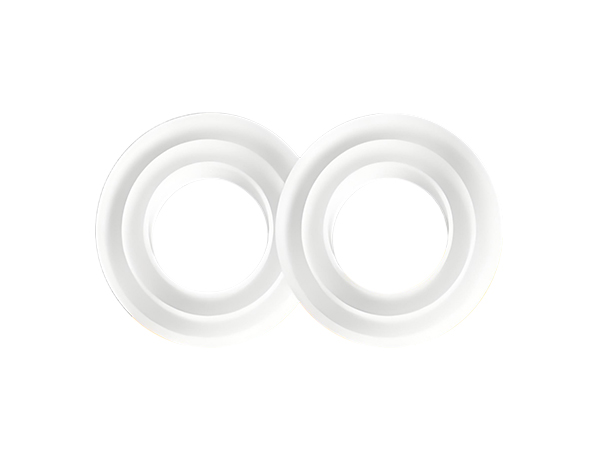
In a typical bulk material handling environment with continuous dust exposure, traditional sealing systems often experience early degradation:
- Bearings begin to overheat
- Roller rotation resistance increases
- Lubrication breaks down
- Frequent replacement cycles are required
After upgrading to TD75 roller seal systems, operational behavior changes significantly:
- Dust ingress is dramatically reduced
- Bearing temperature remains stable
- Roller rotation becomes smoother over long cycles
- Maintenance intervals become more predictable
The key improvement is not just durability—it is operational stability.
Why Engineers Prefer Labyrinth-Based Seal Design
Labyrinth sealing is widely recognized in mechanical engineering because it avoids direct friction while still providing strong environmental protection.
According to mechanical design references such as , labyrinth sealing is especially effective in environments with:
- High dust concentration
- Moisture exposure
- Continuous mechanical rotation
This makes it ideal for conveyor systems operating in demanding industrial conditions.
Installation Considerations for TD75 Roller Seal
Even high-performance sealing systems depend on proper installation.
To ensure optimal performance, you should:
- Maintain precise shaft alignment
- Avoid contamination during assembly
- Ensure correct seal positioning within roller housing
- Check rotational smoothness before operation
- Verify tolerance consistency across roller batches
Improper installation can reduce sealing efficiency even in advanced systems.
Maintenance Strategy for Long-Term Reliability
Although TD75 roller seal systems are designed for low maintenance, periodic inspection is still essential.
Recommended practices include:
- Monitoring roller rotation resistance
- Checking external dust accumulation
- Inspecting bearing temperature trends
- Verifying lubrication condition
- Replacing worn rollers in coordinated batches
Preventive maintenance ensures consistent system performance and reduces unexpected downtime.
Industrial Value of TD75 Roller Seal Technology
From a system engineering perspective, TD75 roller seal technology delivers long-term operational advantages:
- Reduced downtime costs
- Extended roller lifespan
- Improved conveyor efficiency stability
- Lower maintenance labor demand
- More predictable production cycles
These benefits are especially important in continuous industrial operations where system interruption directly impacts productivity.
Final Thoughts
The TD75 roller seal is a critical but often overlooked component in conveyor system design. By preventing contamination at the source, it ensures long-term stability, reduces maintenance interruptions, and improves overall system efficiency.
In modern industrial conveyor engineering, sealing performance is no longer optional—it is essential for reliable and continuous operation.
FAQ
What is a TD75 roller seal used for?
It is used to protect conveyor roller bearings from dust, moisture, and contaminants using a multi-stage sealing structure.
How does TD75 roller seal work?
It uses a labyrinth-style sealing path that blocks contaminants through multiple directional barriers.
Is TD75 roller seal suitable for harsh environments?
Yes, it is designed for dust-heavy and continuous industrial conveyor applications.
Does it require frequent maintenance?
No, it significantly reduces maintenance frequency compared to traditional sealing systems.
What causes conveyor roller failure?
The most common cause is contamination entering the bearing due to poor sealing.
Can TD75 roller seal improve conveyor efficiency?
Yes, by reducing friction and maintaining stable roller rotation, it improves overall system efficiency.
 English
  French
  Spanish