
Table of Contents
Introduction
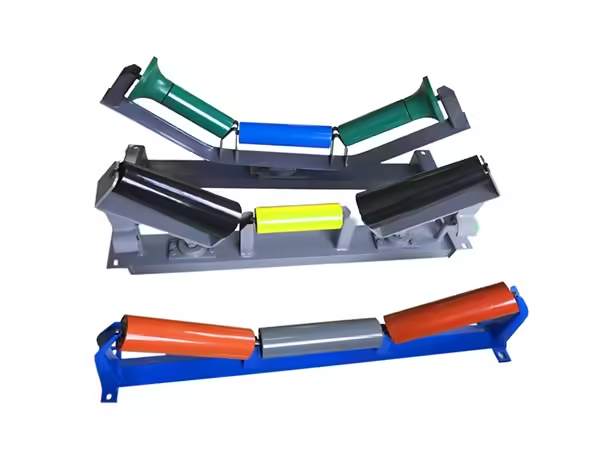
Modern industries depend on efficient material transportation systems to maintain stable production processes, reduce operational interruptions, and improve overall workflow efficiency. Among different conveyor solutions, an idler roller belt conveyor plays an important role in supporting continuous material movement by providing reliable belt support, reducing friction, and maintaining proper conveyor alignment.
Unlike powered conveyor components that directly control belt movement, idler rollers are designed to support the conveyor belt and transported materials while allowing smooth operation. The quality, structure, and arrangement of rollers have a direct influence on conveyor performance, equipment lifespan, and maintenance requirements.
With the increasing adoption of automated production lines and intelligent material handling systems, selecting the right idler roller belt conveyor has become an important decision for manufacturers and industrial operators. Factors such as load capacity, roller design, operating environment, belt requirements, and maintenance conditions must all be considered to achieve reliable long-term performance.
This guide explains the working principles, key components, selection factors, maintenance methods, and future trends of idler roller belt conveyor systems to help businesses better understand how these solutions support modern industrial operations.
What Is an Idler Roller Belt Conveyor and How Does It Work?
An idler roller belt conveyor is a type of belt conveyor system that uses non-powered rollers to support and guide the conveyor belt during material transportation. These rollers rotate freely as the belt moves, reducing resistance between the belt and conveyor structure.
The primary function of an idler roller belt conveyor is to maintain belt stability while allowing materials to move smoothly from one processing stage to another. By providing consistent support along the conveyor path, idler rollers help prevent belt sagging, reduce vibration, and improve operational reliability.
The main components of an idler roller belt conveyor include:
| Component | Function |
|---|---|
| Idler rollers | Support and guide conveyor belts |
| Conveyor belt | Transfers materials between locations |
| Conveyor frame | Provides structural support |
| Bearings | Enable smooth roller rotation |
| Brackets | Maintain roller positioning |
Different industrial applications require different conveyor designs. Professional suppliers providing conveyor equipment solutions focus on matching conveyor structures with specific production requirements to achieve better transportation performance.
A properly designed idler roller belt conveyor provides stable material movement, improved belt control, and reduced mechanical stress throughout the conveyor system.
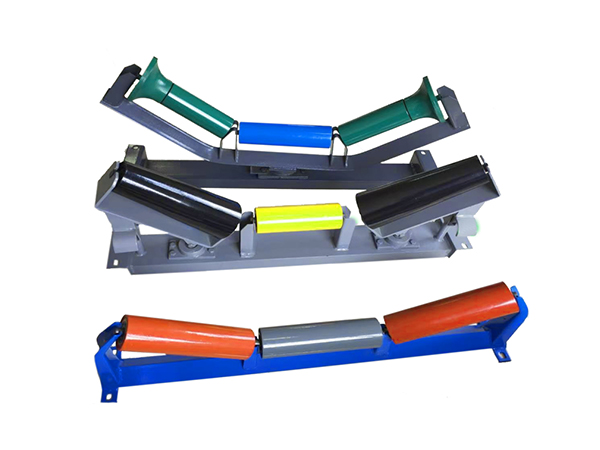
Main Types of Idler Rollers Used in Belt Conveyor Systems
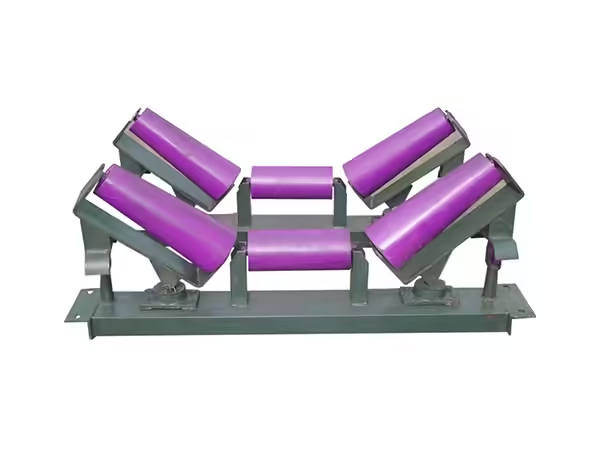
The performance of an idler roller belt conveyor depends largely on the type of rollers used. Different roller designs serve different functions within conveyor operations.
Carrying Idler Rollers
Carrying idler rollers are installed on the loaded side of the conveyor belt. Their main purpose is to support transported materials and maintain the belt shape during operation.
They are widely used in:
- Manufacturing facilities
- Material processing systems
- Bulk transportation applications
- Industrial production lines
A properly selected carrying roller helps distribute loads evenly and reduces unnecessary stress on the conveyor belt.
Return Idler Rollers
Return idler rollers support the empty side of the belt after materials have been discharged.
Their main functions include:
- Maintaining belt alignment
- Supporting smooth belt return movement
- Reducing belt deformation
Reliable return rollers contribute to longer belt service life and improved system stability.
Impact Idler Rollers
Impact rollers are designed for areas where materials are loaded onto the conveyor belt. They absorb impact forces and help protect the conveyor structure.
They are especially suitable for applications involving:
- Heavy materials
- Frequent loading operations
- High-impact environments
Self-Aligning Idler Rollers
Self-aligning rollers help correct belt tracking problems by guiding the belt back into the correct position.
They improve:
- Conveyor reliability
- Belt positioning
- Operational stability
Key Benefits of Using an Idler Roller Belt Conveyor
An idler roller belt conveyor provides several advantages that make it suitable for modern industrial transportation systems.
Improved Belt Stability
Stable belt movement is essential for reliable conveyor operation. Idler rollers provide continuous support, helping maintain proper belt positioning throughout the conveyor length.
Better belt stability can reduce:
- Belt deviation
- Material spillage
- Uneven wear
- Unexpected downtime
Reduced Mechanical Resistance
High-quality idler rollers rotate smoothly, reducing friction between the belt and conveyor structure.
Lower resistance helps:
- Improve energy efficiency
- Reduce component stress
- Extend equipment lifespan
Better Material Handling Efficiency
A reliable idler roller belt conveyor creates smoother material flow between different production stages.
This supports:
- More consistent workflows
- Improved production organization
- Reduced manual handling requirements
How to Select the Right Idler Roller Belt Conveyor for Your Application
Choosing an idler roller belt conveyor requires careful evaluation of technical requirements and operating conditions.
Evaluate Load Requirements
Load capacity is one of the most important selection factors.
Businesses should consider:
- Material weight
- Conveyor width
- Transportation speed
- Operating frequency
- Loading conditions
A conveyor system with insufficient capacity may experience excessive wear and reduced reliability.
Consider Roller Material and Construction
The material and structure of idler rollers influence durability and performance.
Important factors include:
- Roller strength
- Surface treatment
- Resistance to environmental conditions
- Bearing protection
Selecting suitable materials helps ensure stable performance under different working environments.
Check Bearing Quality
Bearings are essential for smooth roller operation. High-quality bearings reduce friction and improve rotation efficiency.
A reliable bearing system helps the idler roller belt conveyor achieve:
- Lower maintenance requirements
- Better operational stability
- Longer service life
For companies evaluating industrial production requirements, manufacturing and processing machinery provides important support for developing efficient production systems and improving equipment performance.
Common Applications of Idler Roller Belt Conveyor Systems
Idler roller belt conveyor systems are widely used across various industrial sectors because of their flexibility and reliability.
Manufacturing Production Lines
In manufacturing environments, conveyors help move components and finished products between different processing stages.
Warehousing and Distribution
Warehouses use conveyor systems to improve product movement efficiency and reduce manual transportation requirements.
Material Processing
Industries handling bulk or heavy materials rely on durable conveyor systems to maintain continuous operations.
Automated Industrial Systems
Modern production facilities often integrate conveyors with automated equipment to create more efficient material handling workflows.
Maintenance Practices for Improving Conveyor Performance
Regular maintenance is essential for extending the lifespan of an idler roller belt conveyor.
Routine Roller Inspection
Operators should regularly check:
- Roller rotation condition
- Bearing performance
- Surface wear
- Abnormal sounds
- Belt alignment
Early detection of issues helps prevent larger system failures.
Cleaning and Lubrication
Dust, debris, and material buildup can affect roller movement. Regular cleaning helps maintain smooth operation.
Proper lubrication also reduces friction and supports longer component life.
Timely Component Replacement
Worn rollers should be replaced promptly to prevent damage to the conveyor belt and other components.
A preventive maintenance strategy improves system reliability and reduces unexpected production interruptions.
Future Development Trends of Idler Roller Belt Conveyor Technology
The future development of idler roller belt conveyor systems is closely connected with automation, digital monitoring, and energy-efficient design.
Smart Monitoring Technology
Modern conveyor systems increasingly use sensors to monitor equipment conditions.
These technologies can identify:
- Abnormal vibration
- Temperature changes
- Roller wear
- Maintenance requirements
Energy-Efficient Designs
Manufacturers are developing improved roller structures that reduce friction and improve operating efficiency.
These improvements help companies achieve more sustainable production processes.
Integration With Intelligent Manufacturing
As factories become more automated, conveyor systems will increasingly connect with digital production platforms.
The development of the belt conveyor system has significantly influenced modern industrial transportation, and continued improvements in conveyor technology will support more advanced material handling solutions.
Mistakes to Avoid When Choosing an Idler Roller Belt Conveyor
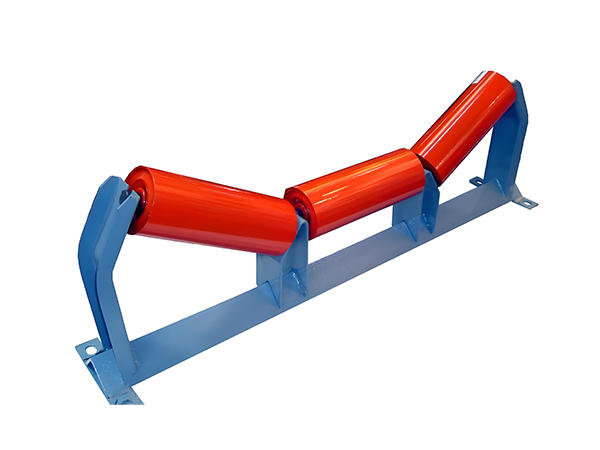
Selecting unsuitable equipment can lead to operational challenges and increased maintenance costs.
Ignoring Working Conditions
Different environments require different conveyor designs. Factors such as moisture, dust, temperature, and material characteristics should be considered.
Focusing Only on Initial Specifications
Dimensions and capacity are important, but durability, maintenance requirements, and long-term performance are equally critical.
Neglecting Future Production Needs
A conveyor system should support both current operations and future production changes.
A complete evaluation process helps companies select an idler roller belt conveyor that delivers reliable performance over time.
Conclusion
An idler roller belt conveyor is an essential component of modern material handling systems, providing stable belt support, reducing friction, and improving transportation efficiency. Although idler rollers do not directly drive the conveyor belt, their performance has a significant influence on system reliability and operational stability.
Choosing the right idler roller belt conveyor requires careful consideration of load capacity, roller design, bearing quality, application conditions, and maintenance requirements. High-quality conveyor components help reduce downtime, improve productivity, and support continuous industrial operations.
As industries continue adopting automation and intelligent production methods, reliable conveyor solutions will become increasingly important. Companies that select suitable idler roller belt conveyor systems can achieve better material handling performance and build more efficient production environments.
FAQ
What is an idler roller belt conveyor?
An idler roller belt conveyor is a conveyor system that uses non-powered rollers to support and guide a moving belt during material transportation.
What are the main advantages of an idler roller belt conveyor?
It improves belt stability, reduces friction, supports efficient material movement, and helps extend conveyor system lifespan.
How do I choose an idler roller belt conveyor?
Selection depends on load capacity, roller design, material type, operating environment, belt requirements, and maintenance needs.
What types of idler rollers are used in conveyor systems?
Common types include carrying rollers, return rollers, impact rollers, and self-aligning rollers designed for different applications.
How can I maintain an idler roller belt conveyor?
Regular inspection, cleaning, lubrication, and timely replacement of worn components help maintain reliable conveyor performance.
 English
  French
  Spanish