
Tabla de contenido
Introducción
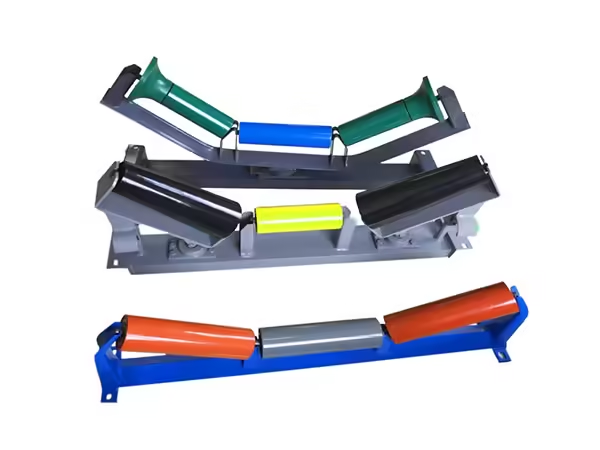
Los rodillos transportadores de rodillos pueden parecer componentes cilíndricos simples, pero su rendimiento depende de una combinación cuidadosamente equilibrada de geometría, material, diseño del eje, cojinetes, condición de la superficie, espaciado y precisión de instalación. Cuando estos factores trabajan juntos, los productos pueden moverse a través de un transportador con soporte estable y movimiento predecible. Cuando no lo hacen, el mismo transportador puede experimentar movimientos desiguales, resistencia innecesaria, vibración, inestabilidad del producto o mantenimiento repetido.
A diferencia de las ruedas guía de cinta transportadora, los rodillos transportadores de rodillos normalmente interactúan directamente con los productos que se transportan. Las cajas, contenedores, paneles, componentes empaquetados y otras cargas unitarias pueden descansar sobre varios rodillos al mismo tiempo, lo que significa que la disposición de los rodillos se convierte en la propia superficie de transporte. Por lo tanto, el estado de cada rodillo influye en la suavidad con la que la carga se transfiere de un punto de soporte al siguiente.
Elegir la configuración correcta requiere algo más que igualar el diámetro de un rodillo existente. Las dimensiones del producto, la geometría inferior, la distribución de la carga, el ancho del transportador, el espaciado entre rodillos, el montaje del eje, el comportamiento del rodamiento, el entorno operativo y la operación impulsada o no impulsada influyen en la especificación final.
Para el manejo de materiales industriales, el enfoque más confiable es tratar cada rodillo como parte de un sistema de transporte completo en lugar de como un componente de reemplazo aislado. Este artículo explica cómo funcionan los rodillos transportadores de rodillos, qué factores de diseño influyen en su rendimiento, cómo la precisión de fabricación afecta la calidad del rodillo terminado y qué información se debe considerar al especificar rodillos para una operación estable a largo plazo.
Cómo los rodillos transportadores de rodillos soportan el movimiento de materiales
A sistema transportador utiliza componentes mecánicos para transportar materiales entre ubicaciones, pero diferentes diseños de transportadores crean ese movimiento de diferentes maneras. En un transportador de rodillos, la carga está soportada directamente por una serie de rodillos cilíndricos en lugar de por una cinta continua.
Este contacto directo cambia considerablemente los requisitos de ingeniería.
Cuando una caja se mueve a lo largo del transportador, su peso se distribuye entre los rodillos colocados debajo de ella. A medida que avanza la caja, un rodillo abandona la zona de soporte mientras que otro comienza a transportar parte de la carga. Esta transferencia ocurre repetidamente por todo el transportador.
Para un movimiento suave, el producto necesita suficiente soporte durante cada transición.
Si el espaciado entre rodillos es demasiado amplio en relación con la longitud del producto, la carga puede volverse inestable entre los puntos de soporte. Si la base del producto es irregular, flexible o demasiado pequeña para el espaciado, el movimiento puede volverse menos predecible incluso cuando los rodillos individuales son mecánicamente sólidos.
Por este motivo, siempre se deben seleccionar rodillos transportadores en relación con el producto que se transporta.
La geometría del producto viene antes que el diámetro del rodillo
Un error común en la selección de equipos es comenzar con el diámetro del rodillo.
El diámetro importa, pero primero se debe considerar el producto transportado.
Un contenedor rígido con fondo plano interactúa con los rodillos de manera diferente a un paquete flexible o un componente con pies, nervaduras, áreas empotradas o una superficie de soporte desigual. Incluso dos productos de peso similar pueden requerir disposiciones de rodillos diferentes porque su geometría de contacto es diferente.
La longitud del producto influye en el espaciado entre
A medida que un producto viaja a través del transportador, normalmente deberían permanecer disponibles varios rodillos para soportarlo.
La disposición exacta depende del diseño del producto y del transportador, pero el principio subyacente es sencillo: la carga no debe alcanzar repetidamente posiciones donde un soporte insuficiente provoque volcaduras, vacilaciones o movimientos inestables.
Los productos más pequeños generalmente requieren un espacio entre rodillos más estrecho que los productos más largos.
Esta relación es más importante que simplemente seleccionar un rodillo fuerte.
El ancho del producto influye en la longitud del rodi
El rodillo de soporte debe proporcionar suficiente ancho utilizable para un movimiento estable del producto.
Un rodillo demasiado corto en relación con el artículo transportado puede reducir el soporte lateral. Un rodillo innecesariamente largo aumenta las dimensiones de los componentes sin mejorar automáticamente el proceso de transporte.
Por lo tanto, el ancho del rodillo debe reflejar tanto la geometría del producto como el diseño del bastidor del transportador.
La condición inferior importa
La parte inferior del producto determina dónde entran realmente las fuerzas en los rodillos.
Las cargas de fondo plano normalmente distribuyen el contacto de manera más predecible. Los productos irregulares pueden crear puntos de contacto concentrados.
Antes de seleccionar rodillos transportadores de rodillos, es útil comprender no sólo las dimensiones generales del producto sino también las superficies que tocan físicamente el transportador.
La distribución de la carga determina la construcción del rodillo
La carga del transportador no debe evaluarse únicamente como el peso total del producto.
Lo que le importa a un rodillo individual es la parte de la carga que llega a él en un momento determinado.
Un producto soportado por varios rodillos distribuye la fuerza de manera diferente al mismo producto soportado temporalmente por menos rodillos durante la transferencia.
Esto significa que el espacio entre los rodillos, la longitud del producto y la ubicación de la carga afectan la carga de los rodillos.
Cargas distribuidas uniformemente
Un producto rígido con una base relativamente uniforme puede distribuir su carga entre varios rodillos.
En esta condición, cada rodillo individual soporta sólo una parte del peso total.
La distribución real todavía depende de la posición del rodillo, la rigidez del producto y la geometría de la superficie de soporte.
Cargas concentradas
Los componentes con pies, superficies de contacto estrechas u otras características localizadas pueden crear fuerzas concentradas.
Un producto puede parecer ligero en general sin dejar de aplicar una fuerza relativamente alta a una pequeña sección de un rodillo.
Ésta es una de las razones por las que el peso total por sí solo no proporciona suficiente información para la selección del rodillo.
Carga dinámica
Los productos no siempre se colocan suavemente en un transportador.
Pueden ocurrir fuerzas adicionales durante:
- Cargando
- Aceleración
- Parando
- Acumulación
- Transferencia de producto
- Cambios de dirección
- Contacto entre productos adyacentes
La construcción de rodillos debe reflejar un comportamiento operativo real y no sólo un cálculo de carga estática.
El diámetro del rodillo, el espesor de la pared y el diseño del eje funcionan juntos
Una vez comprendidas la aplicación y la carga, las dimensiones de los rodillos se pueden evaluar de manera más significativa.
El diámetro, el espesor de la pared de la carcasa, las dimensiones del eje, las posiciones de los cojinetes y la longitud de trabajo determinan juntos cómo se comporta el rodillo bajo carga.
No deben seleccionarse de forma independiente.
El diámetro del rodillo afecta el comportamiento estructural
Un diámetro mayor cambia la geometría del rodillo y puede influir en su resistencia a la flexión, la disposición de cojinete disponible y las características de rotación.
Sin embargo, aumentar el diámetro por sí solo no garantiza un mejor transportador.
El tamaño correcto debe ajustarse:
- Geometría del producto
- Espaciado entre rodillos
- Altura del transportador
- Carga requerida
- Disposición del eje
- Diseño de rodamientos
Un rodillo que combine bien es más útil que uno innecesariamente de gran tamaño.
El espesor de la pared soporta la carcasa del
La carcasa cilíndrica transfiere las fuerzas del producto hacia los cojinetes y el eje.
Por tanto, el espesor de la pared contribuye al comportamiento estructural del rodillo.
Si la carcasa no es adecuada para la carga y la longitud del rodillo, una deflexión excesiva puede afectar el movimiento del producto. Pero el simple hecho de aumentar el espesor de la carcasa no puede compensar un eje inadecuado o una disposición de cojinete inadecuada.
La estructura completa debe permanecer equilibrada.
El diseño del eje transfiere la carga al marco
El eje conecta el rodillo giratorio a la estructura transportadora.
Su diseño está influenciado por:
- Longitud del rodillo
- Carga aplicada
- Posición de rodamiento
- Método de montaje
- Estructura del marco
- Geometría del extremo del eje
Los extremos del eje también deben coincidir con el método de instalación utilizado por el marco del transportador.
Para proyectos de reemplazo, este detalle es particularmente importante porque dos rodillos con las mismas dimensiones de carcasa aún pueden tener interfaces de montaje completamente diferentes.
Los rodamientos determinan cómo gira realmente el rodillo
La carcasa visible puede soportar el producto, pero el sistema de cojinete determina cómo gira la carcasa alrededor del eje.
Para los rodillos transportadores de rodillos, la rotación estable es esencial porque cada movimiento del producto depende del contacto repetido con muchos componentes giratorios.
Un rodillo que gira con una resistencia excesiva puede comportarse de manera diferente a los rodillos vecinos. A través de un transportador largo, una rotación inconsistente puede resultar en un movimiento desigual del producto.
La selección de rodamientos depende de las condiciones de funcionamiento
Los requisitos de rodamiento están influenciados por:
- Carga de rodillos
- Velocidad rotacional
- Geometría del eje
- Ciclo de trabajo
- Entorno operativo
- Alineación de instalación
Seleccionar un rodamiento únicamente según su tamaño físico ignora la forma en que realmente funcionará dentro del rodillo.
La posición de carga importa
Los dos rodamientos deben mantener la relación prevista con la carcasa del rodillo y el eje.
Si sus posiciones son inconsistentes, es posible que el rodillo no gire alrededor del eje previsto.
Por lo tanto, la precisión de fabricación y montaje pasa a formar parte del rendimiento del rodamiento.
El sellado protege la disposición interna
El polvo, los residuos, la humedad y otros contaminantes pueden influir en el funcionamiento de los rodamientos.
Una disposición de sellado adecuada ayuda a proteger los componentes internos manteniendo al mismo tiempo un comportamiento rotacional apropiado.
El diseño de sello requerido depende del entorno en lugar de seguir una configuración universal para cada rodillo.
Los transportadores de rodillos motorizados y por gravedad necesitan un pensamiento diferente
No todos los transportadores de rodillos mueven los productos de la misma manera.
Algunos dependen de la gravedad, mientras que otros utilizan rodillos motorizados o sistemas de accionamiento externos.
La estructura básica del rodillo puede parecer similar, pero los requisitos operativos pueden diferir considerablemente.
Transportadores de rodillos de gravedad
Un transportador por gravedad depende del movimiento de la carga debido a la inclinación, el impulso o la fuerza manual.
Dado que no hay ningún rodillo motorizado que fuerce el producto hacia adelante, la resistencia a la rotación se vuelve particularmente importante.
Un rodillo que gira menos libremente que los componentes vecinos puede influir en el movimiento del producto, especialmente con cargas más ligeras.
Transportadores de rodillos motorizados
Los sistemas motorizados introducen energía en el proceso de transporte.
Dependiendo del diseño, los rodillos pueden ser accionados directamente o conectados a través de cadenas, correas u otros mecanismos de transmisión.
El rodillo pasa entonces a formar parte tanto del sistema de soporte como del de transmisión de potencia.
Las consideraciones de diseño adicionales pueden incluir:
- Conexión de unidad
- Transferencia de par
- Sincronización de rodillos
- Control de acumulación
- Comienza y se detiene
- Espaciado de productos
Por lo tanto, un rodillo motorizado no debe especificarse simplemente copiando las dimensiones de un rodillo que funciona libremente.
El espaciado entre rodillos puede cambiar todo el comportamiento del transportador
El espaciado entre rodillos es uno de los parámetros a nivel de sistema más importantes en un transportador de rodillos.
Influye en cuántos rodillos soportan cada producto, cómo se transfieren las cargas entre soportes y con qué suavidad se mueven los artículos más pequeños a través del sistema.
Imagine el mismo producto moviéndose a través de dos transportadores.
En el primer transportador está sostenido por varios rodillos a lo largo de su recorrido.
En el segundo, el amplio espaciado permite que el producto se acerque a un punto donde sólo lo soportan un pequeño número de rodillos.
El producto en sí no ha cambiado.
Los rodillos individuales pueden incluso ser idénticos.
Sin embargo, el comportamiento de transmisión puede ser notablemente diferente.
Esto demuestra por qué los rodillos transportadores de rodillos no se pueden evaluar independientemente del espaciado.
Un espacio más cercano proporciona un soporte más frecuente
Un espaciado más estrecho entre los rodillos puede mejorar el soporte para productos más cortos, pero también aumenta la cantidad de componentes instalados a lo largo del transportador.
Por lo tanto, la separación correcta debería basarse en los requisitos del producto en lugar de simplemente minimizar o maximizar el número de rodillos.
El espaciado afecta la carga por rodillo
Cambiar el espaciado también puede influir en la distribución de la carga.
Si se colocan menos rodillos debajo del mismo producto, cada rodillo de soporte puede experimentar una mayor porción de la carga.
Por lo tanto, el espaciado y la capacidad de los rodillos deben considerarse juntos.
El material de la superficie cambia la interacción del producto al rodillo
La superficie de los rodillos transportadores de rodillos entra en contacto directamente con el producto transportado.
Esto significa que el material de la carcasa y el estado de la superficie pueden influir más que en la resistencia mecánica.
El sitio existe rodillos transportadores demuestre cómo la construcción del rodillo puede variar según la aplicación, las dimensiones, los requisitos de material, la configuración del rodamiento y las condiciones operativas.
Superficies de rodillos de acero
Los rodillos de acero se utilizan comúnmente donde la rigidez estructural y la durabilidad industrial son importantes.
Su idoneidad depende de la construcción completa, incluido el espesor de la carcasa, el eje, los cojinetes y el entorno operativo.
El estado de la superficie también es importante cuando los productos requieren un contacto suave.
Opciones de rodillos a base de polímeros
Ciertas aplicaciones pueden utilizar estructuras o superficies de rodillos a base de polímeros.
Dependiendo del material y diseño, estos pueden ofrecer diferentes características relacionadas con el peso de los componentes, el comportamiento a la corrosión, el ruido o el contacto con el producto.
Sin embargo, un cambio de material siempre debe compararse con los requisitos de carga, temperatura, desgaste y dimensiones.
Superficies recubiertas o cubiertas
Algunas aplicaciones requieren características de superficie adicionales.
Una cubierta puede modificar la fricción, el comportamiento de contacto o la protección del producto.
La superficie debería resolver un problema de aplicación definido en lugar de seleccionarse simplemente porque parece más especializada.
La precisión de la fabricación controla la consistencia de los rodillos
Cuando un transportador contiene docenas o cientos de rodillos, la consistencia de fabricación se vuelve especialmente importante.
Puede resultar difícil notar una pequeña diferencia entre dos rodillos individualmente. Sin embargo, si esa misma diferencia ocurre repetidamente en todo el transportador, puede influir en el comportamiento del sistema.
La producción de rodillos transportadores de rodillos puede implicar preparación de tubos, corte, procesamiento relacionado con rodamientos, mecanizado de ejes, ensamblaje e inspección final.
Cada etapa puede introducir variación.
El corte de tubos establece la longitud del rodillo
El corte constante crea una dimensión del cuerpo predecible para su posterior montaje.
Si la longitud de la carcasa varía innecesariamente, la colocación posterior del cojinete o del eje puede resultar más difícil de controlar.
El mecanizado de ejes define la geometría de instalación
El eje puede incluir:
- Pisos
- Tragamonedas
- Surcos
- Hilos
- Extremos accionados por resorte
- Otras estructuras de montaje
Estas características determinan cómo encaja el rodillo en el marco del transportador.
El mecanizado repetible admite la intercambiabilidad cuando es necesario reemplazar los rodillos.
El conjunto del rodamiento influye en la geometría ro
Los rodamientos deben instalarse en la posición prevista con respecto a la carcasa y el eje.
La posición inconsistente del asiento del rodamiento puede afectar la alineación y el comportamiento del rodillo.
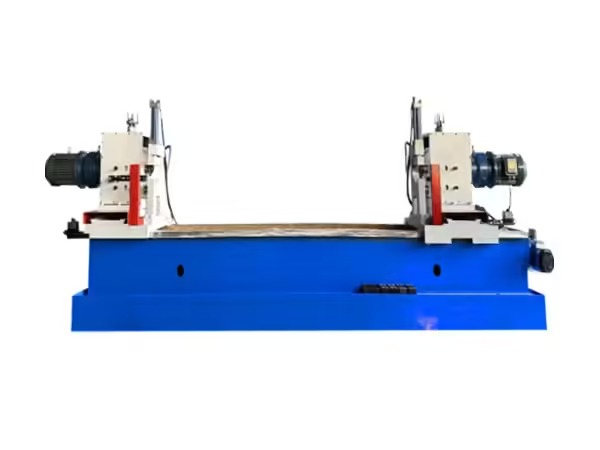
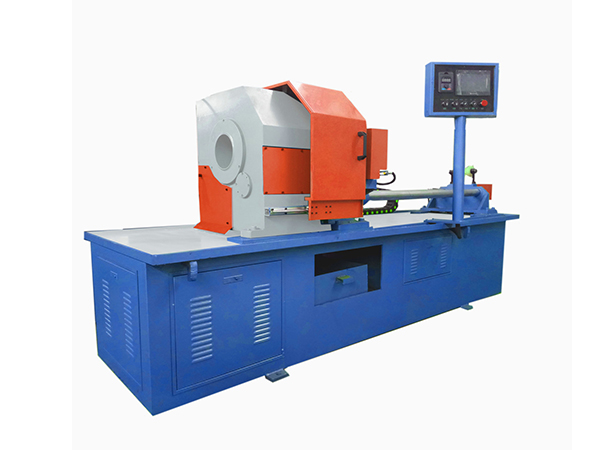
Especializado maquinaria de procesamiento de rodillos transportadores está diseñado en torno a estas operaciones recurrentes, incluida la preparación de tubos, el procesamiento de extremos, el mecanizado de ejes, el ensamblaje relacionado con rodamientos y otras etapas involucradas en la producción de rodillos.
La inspección final debe centrarse en la función
Se pueden verificar las dimensiones de un rodillo terminado, pero la inspección dimensional por sí sola puede no describir el comportamiento operativo.
La verificación útil también puede considerar:
- Rotación
- Descarrilarse
- Geometría del extremo del eje
- Posición de rodamiento
- Condición de la superficie
- Consistencia del montaje
Para grandes cantidades de producción, verificar la repetibilidad en múltiples rodillos proporciona información más útil que inspeccionar una muestra cuidadosamente seleccionada.
Runout tiene una relación directa con el movimiento del producto
El descentramiento describe cuánto se desvía la superficie del rodillo de su trayectoria de rotación prevista a medida que gira el rodillo.
Para los rodillos transportadores de rodillos, el descentramiento excesivo puede crear un movimiento vertical repetido en la superficie de contacto.
Un producto que se mueve a través de varios de estos rodillos puede experimentar:
- Vibración
- Contacto inestable
- Ruido
- Movimiento desigual
El agotamiento puede provenir de varias partes del proceso de fabricación.
Posibles causas incluyen:
- Geometría del tubo
- Posicionamiento del asiento del rodamiento
- Alineación de ejes
- Variación de montaje
- Distorsión de soldadura cuando corresponda
Por lo tanto, controlar el descentramiento requiere más que una medición final. Requiere consistencia en toda la fabricación de rodillos.
Los rodillos largos merecen atención adicional
A medida que aumenta la longitud del rodillo, la variación estructural y geométrica puede volverse más significativa.
La selección adecuada de la carcasa, el soporte del eje, el posicionamiento de los cojinetes y la alineación de fabricación se vuelven cada vez más importantes.
Esta es otra razón por la que las dimensiones de los rodillos deben evaluarse como una estructura completa en lugar de un diámetro de catálogo.
La alineación del bastidor del transportador es parte del rendimiento del rodillo
Un rodillo fabricado correctamente aún puede funcionar mal cuando se instala en un transportador mal alineado.
El marco de soporte determina dónde se asienta cada rodillo en relación con los rodillos vecinos y la trayectoria de transporte prevista.
Si un rodillo se instala significativamente más alto, más bajo o en un ángulo diferente, el producto transportado puede experimentar un movimiento inusual en esa posición.
En múltiples rodillos desalineados, el efecto puede volverse más notorio.
Los ejes de los rodillos deben permanecer coordinados
Para una sección transportadora recta, los ejes de rodillos normalmente necesitan mantener la relación geométrica deseada.
Los errores de instalación pueden crear:
- Dirección del producto
- Carga desigual
- Resistencia adicional
- Ropa localizada
Los problemas del marco pueden parecer problemas del rodillo
Si los rodillos fallan repetidamente o se comportan de manera anormal en la misma posición, reemplazarlos sin verificar el marco puede no resolver la causa raíz.
La estructura circundante también debe ser inspeccionada para:
- Deformación
- Puntos de montaje incorrectos
- Hardware suelto
- Interferencia del producto
- Restos acumulados
El rendimiento del rodillo siempre depende en parte de dónde y cómo se instala el componente.
Cómo especificar los rodillos transportadores de rodillos de manera más efectiva
Una especificación técnica completa proporciona información mucho más útil que el diámetro y la longitud por sí solos.
Antes de elegir una configuración de rodillo, defina la tarea de transporte real.
| Área de especificación | Información para definir | Por qué es importante |
|---|---|---|
| Producto | Dimensiones y geometría inferior | Determina el contacto con rodillos |
| Cargar | Carga normal y cambiante | Influye en la construcción de rodillos |
| Ancho del transportador | Área de apoyo requerida | Determina la longitud del rodillo |
| Espaciado entre rodillos | Distancia entre rodillos | Influye en el soporte del producto |
| Diámetro del rodillo | Tamaño físico requerido | Influye en la estructura y la rotación |
| Eje | Dimensiones y estilo de montaje | Determina la compatibilidad del marco |
| Aspectos | Requisitos de carga y operación | Controla la rotación de los rodillos |
| Superficie | Acero, polímero o superficie especial | Influye en la interacción del producto |
| Conducir | Gravedad o motorizado | Cambia los requisitos del rodillo |
| Medio Ambiente | Polvo, humedad, contaminación | Influye en sellos y materiales |
| Ciclo de trabajo | Frecuencia de funcionamiento | Ayuda a definir los requisitos de los componentes |
Un dibujo es particularmente útil para rodillos de repuesto porque hace que la geometría del extremo del eje y las dimensiones de montaje sean más fáciles de comunicar con precisión.
La especificación debe describir cómo funciona el rodillo, no sólo cómo se ve.
Problemas comunes causados por una selección incorrecta de rodillos
El mal rendimiento del rodillo no siempre produce una falla inmediata de los componentes.
A veces aparecen los primeros signos en el movimiento del producto.
Los productos dudan o se detienen
Las posibles causas pueden incluir resistencia excesiva de los rodillos, espaciado inadecuado, contacto insuficiente con el producto o inclinación del transportador que no coincide con la carga.
Los productos vibran
Puede contribuir el descentramiento del rodillo, la alineación del marco, los componentes dañados o la geometría irregular del producto.
Los productos se mueven hacia los lados
Verifique la alineación de los rodillos, la geometría del marco, la posición de carga del producto y si el producto en sí tiene una base desigual.
Los rodillos se desgastan de manera desigual
La carga desigual, el montaje incorrecto, la contaminación o el contacto concentrado con el producto pueden influir en el desgaste.
Los rodamientos fallan repetidamente
Los problemas repetidos de rodamientos pueden indicar contaminación, desalineación, condiciones de carga inadecuadas, instalación incorrecta o una especificación de rodillo que no coincide con la aplicación.
Las fallas recurrentes deben investigarse como comportamiento del sistema en lugar de tratarse como eventos componentes no relacionados.
¿qué hace que los rodillos transportadores de rodillos confiables sean diferentes?
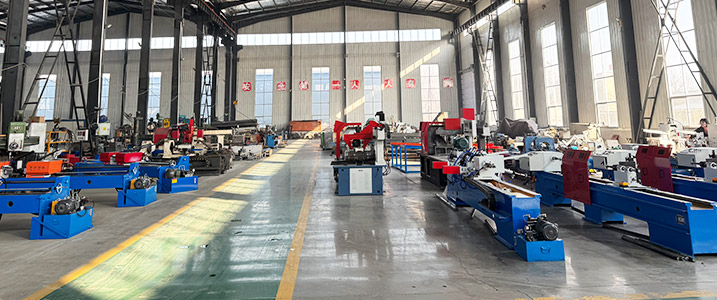
Los rodillos transportadores de rodillos fiables no están definidos por una especificación impresionante.
Su desempeño proviene de la coherencia en varias relaciones.
La carcasa debe soportar el producto sin deformaciones innecesarias. El eje necesita transferir la carga al marco. Los rodamientos deben mantener una rotación estable. Los sellos deben adaptarse al entorno circundante. La superficie necesita interactuar adecuadamente con el producto.
La fabricación debe mantener estos elementos alineados.
La instalación debe colocar el rodillo terminado correctamente.
Finalmente, el diseño del transportador debe proporcionar suficiente espacio entre rodillos y soporte para el producto real.
Es por eso que seleccionar un rodillo solo por diámetro o capacidad de carga puede pasar por alto detalles importantes de la aplicación.
La especificación más útil es la que describe la condición operativa completa.
Conclusión
Los rodillos transportadores de rodillos forman la superficie de soporte real de muchos sistemas transportadores de manipulación unitaria. Debido a que los productos entran en contacto directamente con los rodillos, cada detalle de la disposición de los rodillos puede influir en el movimiento.
La geometría del producto determina cómo la carga entra en contacto con el transportador. El espaciado entre rodillos determina cómo se transfiere esa carga de un punto de soporte a otro. El diámetro, el espesor de la pared, la construcción del eje y los cojinetes determinan cómo responde mecánicamente cada rodillo. El material de la superficie afecta la interacción del producto, mientras que el descentramiento y la precisión de fabricación influyen en el movimiento de los rodillos repetidos.
El transportador circundante es igualmente importante.
Incluso los rodillos transportadores de rodillos fabricados con precisión pueden comportarse mal cuando el bastidor está desalineado, el espaciado no es adecuado o el producto transportado no tiene suficiente contacto de soporte.
Para obtener especificaciones confiables, comience con el producto y el proceso de transporte en lugar del rodillo en sí.
Defina qué se mueve, cómo entra en contacto con el transportador, cuánta carga se aplica, si el sistema es impulsado por gravedad o impulsado y qué condiciones ambientales existen. A partir de ahí, las dimensiones de los rodillos, los ejes, los cojinetes, las superficies, el espaciado y la geometría de montaje se pueden adaptar a la aplicación.
Por lo tanto, el mejor rodillo no es simplemente el componente más fuerte o más grande.
Es el rodillo el que funciona de manera predecible con el producto, los rodillos vecinos, el marco del transportador, el método de accionamiento y el entorno operativo como un sistema completo de manipulación de materiales.
Preguntas frecuentes
¿para qué se utilizan los rodillos transportadores de rodillos?
Los rodillos transportadores de rodillos soportan directamente los productos a medida que se mueven a través de un sistema transportador. Las cajas, contenedores, paneles y otras unidades de carga pueden descansar sobre varios rodillos a la vez. Su diámetro, espaciado, cojinetes, diseño del eje, superficie y alineación deben coincidir con el producto y las condiciones de transporte.
¿cómo elijo los rodillos transportadores de rodillos correctos?
Comience con las dimensiones del producto, la geometría del fondo, la carga normal, el ancho del transportador, el espaciado entre rodillos y si el sistema es por gravedad o motorizado. Luego evalúe el diámetro del rodillo, la construcción de la carcasa, el montaje del eje, los cojinetes, el sellado, el material de la superficie, el entorno operativo y el ciclo de trabajo.
¿cómo afecta el espaciado entre rodillos a un transportador de rodillos?
El espaciado entre rodillos determina cuántos rodillos soportan el producto durante el movimiento. Un espaciado más amplio puede reducir el soporte para cargas cortas o irregulares y puede aumentar la carga transportada por rodillos individuales. El espaciado debe mantener el producto transportado suficientemente soportado a medida que se transfiere entre rodillos adyacentes.
¿por qué los rodamientos importan en los rodillos transportadores de rodillos
Los rodamientos permiten que la carcasa del rodillo gire alrededor del eje mientras transporta la carga. Su comportamiento afecta la resistencia rotacional y la consistencia del movimiento. La selección y el montaje del rodamiento deben considerar la carga, la velocidad, la geometría del eje, la alineación, la duración de operación, el sellado y la contaminación circundante.
¿qué causa que los rodillos transportadores de rodillos giren de manera desigual?
La rotación desigual puede deberse a daños en los cojinetes, contaminación, resistencia excesiva al sellado, desalineación del eje, mala posición del asiento del cojinete, descentramiento de los rodillos, errores de instalación o acumulación de material. Si varios rodillos desarrollan problemas similares, también se debe inspeccionar el entorno del transportador y la alineación del marco.
 Spanish
  English
  French