
Tabla de contenido
Introducción
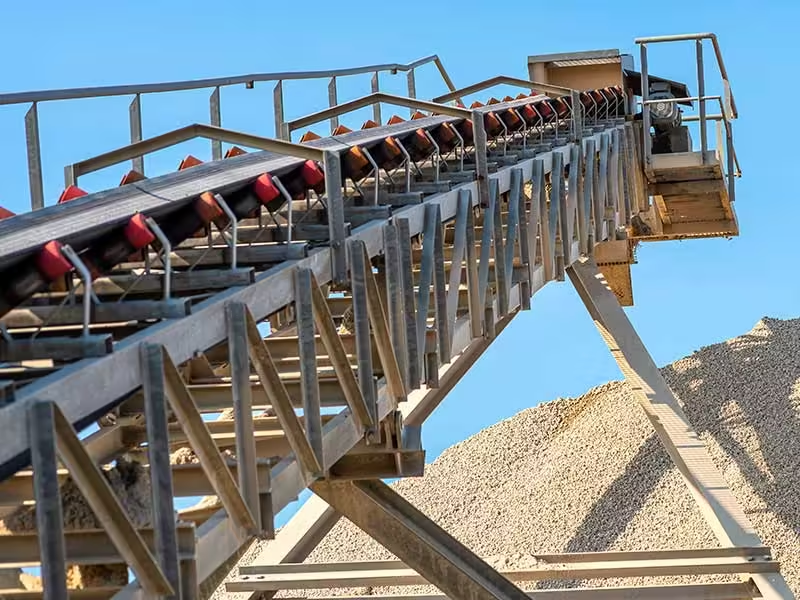
El transporte eficiente de materiales es un factor clave en las operaciones industriales modernas. Las instalaciones de fabricación, los almacenes y los entornos de procesamiento requieren sistemas confiables que puedan mover productos sin problemas mientras reducen el manejo manual y mejoran la eficiencia del flujo de trabajo. Una máquina transportadora de rodillos es una de las soluciones más utilizadas para lograr un movimiento de materiales estable y organizado.
A diferencia de los equipos de transporte simples, una máquina transportadora de rodillos está diseñada como un sistema mecánico completo que combina rodillos, marcos, mecanismos de transmisión y componentes de control para respaldar el movimiento continuo del producto. Su rendimiento influye directamente en la eficiencia de la producción, la estabilidad operativa y la productividad general de manipulación de materiales.
Con la creciente demanda de automatización y sistemas de producción flexibles, las empresas están prestando más atención al diseño, la durabilidad y la adaptabilidad de los equipos transportadores. Elegir una máquina transportadora de rodillos adecuada requiere comprender los requisitos de carga, las características del producto, las condiciones de trabajo y las expectativas de mantenimiento.
Una máquina transportadora de rodillos bien diseñada puede ayudar a las empresas a optimizar los procesos de transporte interno, reducir los requisitos de mano de obra innecesarios y crear entornos de producción más eficientes.
Comprensión del principio de funcionamiento de una máquina transportadora de rodillos
Una máquina transportadora de rodillos utiliza una serie de rodillos dispuestos a lo largo de un marco transportador para mover materiales de un lugar a otro. Dependiendo de la aplicación, los rodillos pueden funcionar mediante sistemas de gravedad, empuje manual o accionamiento motorizado.
El proceso de trabajo básico incluye:
- Los materiales se colocan sobre los rodillos transportadores.
- Los rodillos giran o permiten el movimiento por gravedad.
- Los productos se mueven a lo largo del recorrido del transportador.
- Los materiales se transfieren a la siguiente etapa de producción o manipulación.
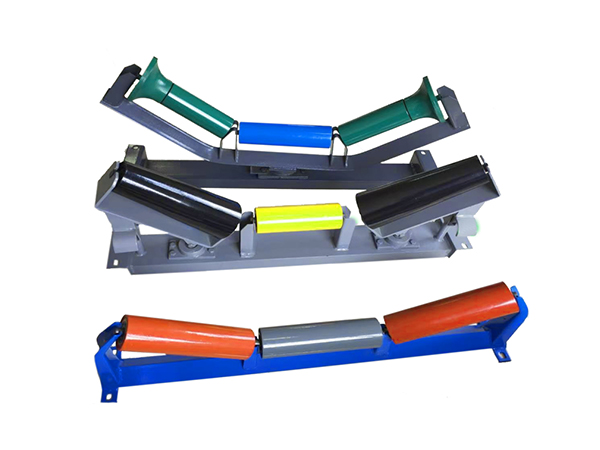
Los componentes principales de una máquina transportadora de rodillos incluyen:
| Componente | Función |
|---|---|
| Rodillos transportadores | Apoyar y mover materiales |
| Estructura del marco | Proporciona estabilidad del sistema |
| Mecanismo de accionamiento | Controla el movimiento motorizado |
| Aspectos | Reducir la fricción durante la rotación |
| Sistema de control | Gestiona la operación y automatización |
La calidad de cada componente afecta el rendimiento general del sistema transportador. Proveedores profesionales proporcionando soluciones de equipos transportadores concéntrese en hacer coincidir el diseño del equipo con requisitos de aplicación específicos en lugar de utilizar una solución estándar para cada situación.
Una máquina transportadora de rodillos confiable debe proporcionar un funcionamiento suave, un movimiento preciso y una capacidad de carga suficiente para satisfacer las necesidades industriales a largo plazo.
Diferentes tipos de sistemas de máquinas transportadoras de rodillos y sus aplicaciones
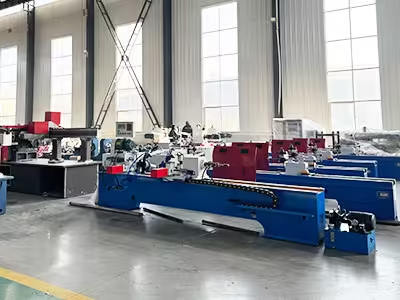
Los diferentes entornos de producción requieren diferentes configuraciones de transportador. Seleccionar el tipo correcto de máquina transportadora de rodillos depende de las características del material, la distancia de transporte, el peso del producto y los requisitos de automatización.
Máquina transportadora de rodillos por gravedad
Una máquina transportadora de rodillos por gravedad utiliza la fuerza natural de la gravedad o el empuje manual para mover productos a lo largo de los rodillos.
Se utiliza comúnmente para:
- Operaciones de embalaje
- Transporte de corta distancia
- Manejo de almacén
- Zonas de clasificación de productos
Este tipo ofrece una estructura simple y es adecuado para aplicaciones donde no es necesario el movimiento continuo y motorizado.
Máquina transportadora de rodillos motorizada
Una máquina transportadora de rodillos motorizada utiliza motores y sistemas de accionamiento para mover productos automáticamente.
Ventajas incluyen:
- Operación continua
- Velocidad de transporte controlada
- Mejora de la eficiencia de la producción
- Manejo manual reducido
Los sistemas motorizados se utilizan a menudo en líneas de producción automatizadas donde se requiere un movimiento constante del material.
Máquina transportadora de rodillos flexibles
Los diseños flexibles permiten ajustar los sistemas transportadores según los diferentes espacios de trabajo y diseños de producción.
Estos sistemas son útiles cuando las empresas necesitan soluciones de transporte adaptables para cambiar los requisitos de producción.
Cómo una máquina transportadora de rodillos mejora la productividad industrial
Una máquina transportadora de rodillos diseñada adecuadamente puede mejorar significativamente la eficiencia operativa al crear un flujo de material más suave y organizado.
Reducción del Manejo Manual
Una ventaja importante de los sistemas transportadores de rodillos es la reducción de la necesidad de transporte manual repetido.
Al automatizar el movimiento de materiales, las empresas pueden:
- Mejorar la coherencia del flujo de trabajo
- Reducir el tiempo de manipulación
- Optimizar la asignación de mano de obra
- Minimiza el movimiento innecesario
Mejorar la precisión del transporte
Una máquina transportadora de rodillos estable ayuda a mantener un movimiento predecible del producto. Esto es especialmente importante para entornos de producción donde la precisión de sincronización y posicionamiento afecta los procesos posteriores.
Apoyando la producción automatizada
La fabricación moderna depende cada vez más de sistemas automatizados. Los transportadores de rodillos se pueden integrar con sensores, sistemas de control y otros equipos para crear flujos de trabajo de producción más inteligentes.
Para empresas que exploran diferentes categorías de equipos industriales, maquinaria de fabricación y procesamiento proporciona apoyo esencial para mejorar la eficiencia de la producción y construir sistemas de fabricación más avanzados.
Factores clave a considerar al seleccionar una máquina transportadora de rodillos
Elegir la máquina transportadora de rodillos adecuada requiere un análisis cuidadoso de los requisitos operativos.
Capacidad de carga
La capacidad de carga determina si el transportador puede transportar productos de forma segura sin tensiones excesivas.
Las consideraciones importantes incluyen:
- Peso del producto
- Longitud del transportador
- Frecuencia de transporte
- Condiciones de funcionamiento
- Resistencia del rodillo
Seleccionar equipos con una capacidad de carga adecuada ayuda a mejorar la confiabilidad y reducir los problemas de mantenimiento.
Requisitos de velocidad del transportador
Diferentes procesos de producción requieren diferentes velocidades de transporte.
Una máquina transportadora de rodillos adecuada debería proporcionar:
- Velocidad de movimiento estable
- Operación ajustable cuando sea necesario
- Compatibilidad con los requisitos de producción
La selección incorrecta de velocidad puede afectar la eficiencia de la producción y crear problemas de flujo de trabajo.
Diseño de materiales y rodillos
El material y la estructura del rodillo influyen en la durabilidad y el rendimiento.
Las consideraciones comunes incluyen:
- Construcción de rodillos de acero
- Tratamiento superficial
- Calidad del rodamiento
- Resistencia ambiental
El diseño correcto ayuda a garantizar un funcionamiento fluido en diferentes condiciones de trabajo.
La importancia de la calidad de los rodillos en el rendimiento de las máquinas transportadoras
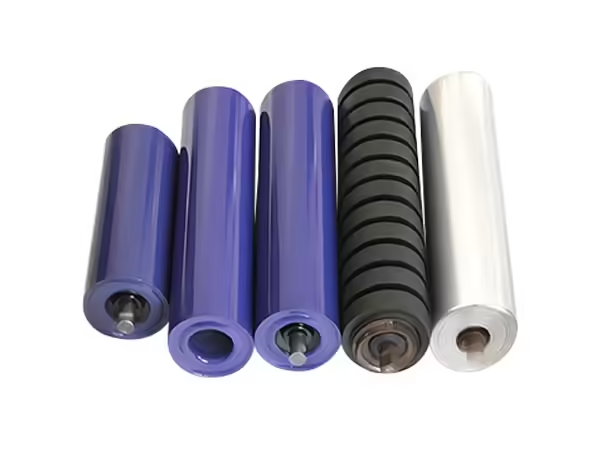
Los rodillos son los componentes operativos principales de una máquina transportadora de rodillos. Su calidad afecta directamente la eficiencia del sistema y la vida útil.
Rendimiento de rotación suave
Los rodillos de alta calidad reducen la resistencia y permiten que los productos se muevan suavemente por la superficie del transportador.
La rotación suave ayuda:
- Reducir la pérdida de energía
- Minimizar la vibración
- Mejorar la estabilidad del equipo
Mejor distribución de carga
Los rodillos confiables distribuyen el peso del producto de manera uniforme a través de la estructura del transportador.
Esto reduce el estrés en:
- Marcos
- Aspectos
- Componentes de accionamiento
- Estructuras de soporte
Mayor vida útil del equipo
Los rodillos duraderos reducen el desgaste y mejoran la vida útil general del sistema transportador.
El mantenimiento regular combinado con componentes de calidad permite que una máquina transportadora de rodillos mantenga un rendimiento estable durante períodos operativos prolongados.
Prácticas de mantenimiento para extender la vida útil de las máquinas transportadoras de rodillos
El mantenimiento regular es esencial para mantener el rendimiento del transportador y evitar tiempos de inactividad inesperados.
Inspección de componentes del transportador
Los operadores deben comprobar periódicamente:
- Rotación del rodillo
- Condiciones de rodamiento
- Alineación del marco
- Rendimiento del sistema de accionamiento
- Ruido o vibración inusuales
La detección temprana de problemas ayuda a prevenir fallas más grandes en los equipos.
Limpieza y Lubricación
El polvo, los residuos y los residuos de materiales pueden afectar el movimiento del rodillo. La limpieza y lubricación adecuadas ayudan a mantener un funcionamiento suave.
Reemplazo de componentes desgastados
Los rodillos dañados o los componentes desgastados deben reemplazarse rápidamente para evitar tensiones adicionales en el sistema transportador.
Una estrategia de mantenimiento preventivo mejora la confiabilidad y respalda la producción continua.
Tendencias de automatización que afectan el desarrollo de máquinas transportadoras de rodillos
El desarrollo de la automatización industrial está cambiando la forma en que se diseñan y operan los sistemas transportadores.
Sistemas de Monitoreo Inteligentes
Las soluciones modernas de máquinas transportadoras de rodillos integran cada vez más tecnologías de monitoreo que rastrean las condiciones operativas e identifican problemas potenciales.
Estos sistemas pueden monitorear:
- Rendimiento del equipo
- Velocidad de funcionamiento
- Requisitos de mantenimiento
- Condiciones anormales
Integración con Líneas de Producción Automatizadas
Los transportadores de rodillos se están convirtiendo en partes importantes de los sistemas de fabricación automatizados. La integración con sensores y plataformas de control permite una gestión más eficiente del material.
Diseños energéticamente eficientes
Los futuros sistemas transportadores se centrarán en mejorar la eficiencia energética mediante estructuras mecánicas optimizadas y métodos de control inteligentes.
El desarrollo del cinta transportadora el sistema ha influido en los métodos modernos de transporte de materiales y las mejoras continuas en la tecnología de los transportadores respaldarán operaciones industriales más eficientes.
Errores comunes al elegir una máquina transportadora de rodillos
Seleccionar equipos inadecuados puede reducir la eficiencia y aumentar los desafíos operativos.
Ignorar los requisitos de la aplicación
Es posible que un transportador diseñado para productos livianos no funcione bien bajo cargas pesadas. Comprender las condiciones operativas reales es esencial.
Elegir solo según el tamaño del equipo
El tamaño es importante, pero las empresas también deberían considerarlo:
- Características materiales
- Velocidad de transporte
- Necesidades de automatización
- Requisitos de mantenimiento
Pasando por alto las necesidades de producción futuras
Una máquina transportadora de rodillos adecuada debería soportar tanto las operaciones actuales como los posibles cambios de producción futuros.
Una evaluación cuidadosa ayuda a las empresas a seleccionar equipos que proporcionen un mejor valor a largo plazo.
Conclusión
Una máquina transportadora de rodillos es una solución importante para mejorar la eficiencia del manejo de materiales en entornos industriales modernos. Al respaldar el transporte estable, reducir la manipulación manual e integrarse con sistemas automatizados, la tecnología de transportadores de rodillos ayuda a las empresas a crear flujos de trabajo de producción más eficientes.
Seleccionar la máquina transportadora de rodillos adecuada requiere considerar la capacidad de carga, la calidad del rodillo, el diseño del transportador, los requisitos de mantenimiento y los objetivos operativos futuros. Los equipos de alta calidad pueden mejorar la confiabilidad, reducir el tiempo de inactividad y respaldar la producción continua.
A medida que las industrias sigan avanzando hacia la automatización y la fabricación inteligente, las máquinas transportadoras de rodillos seguirán siendo una parte importante de los sistemas eficientes de manipulación de materiales. Las empresas que comprendan los requisitos de los equipos y elijan las soluciones adecuadas pueden lograr una mejor productividad y un rendimiento operativo más sólido.
Preguntas frecuentes
¿para qué se utiliza una máquina transportadora de rodillos?
Se utiliza una máquina transportadora de rodillos para transportar productos y materiales a través de procesos industriales. Ayuda a mejorar la eficiencia del flujo de trabajo al proporcionar un movimiento de materiales estable y organizado.
¿Cómo funciona una máquina transportadora de rodillos?
Una máquina transportadora de rodillos mueve productos a través de rodillos giratorios accionados por motores o por gravedad. Los rodillos soportan los materiales y los guían a lo largo del recorrido del transportador.
¿qué industrias utilizan máquinas transportadoras de rodillos?
Las máquinas transportadoras de rodillos se utilizan ampliamente en aplicaciones de fabricación, embalaje, logística, almacenamiento y procesamiento de materiales.
¿Cómo elijo la máquina transportadora de rodillos adecuada?
La selección depende del peso del producto, la velocidad del transportador, el entorno de trabajo, los requisitos de automatización y la capacidad de producción esperada.
¿por qué es importante el mantenimiento de las máquinas transportadoras de rodillos?
El mantenimiento regular ayuda a prevenir fallas, mejorar la confiabilidad del equipo, reducir el tiempo de inactividad y extender la vida útil de los sistemas transportadores.
 Spanish
  English
  French