

Tabla de contenido
Introducción
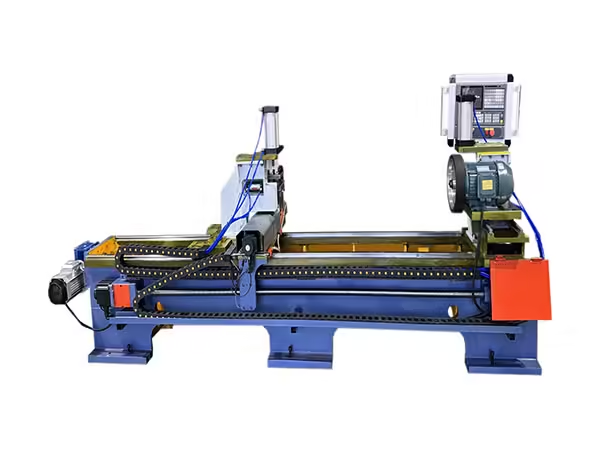
El mecanizado de precisión desempeña un papel esencial en la producción industrial moderna, especialmente en industrias que requieren componentes a gran escala con alta precisión y calidad superficial constante. Entre las soluciones de mecanizado avanzadas, el torno de torneado por rodillos cnc se ha convertido en un equipo importante para procesar piezas de trabajo cilíndricas grandes, mejorar la eficiencia de la producción y mantener un rendimiento de mecanizado estable.
Un torno de torneado de rodillos CNC combina tecnología de control numérico por computadora con capacidades de torneado especializadas para procesar rodillos pesados y de gran tamaño utilizados en diversas aplicaciones industriales. En comparación con los equipos de torneado tradicionales, los sistemas controlados por CNC proporcionan precisión mejorada, operación automatizada y mejor repetibilidad.
A medida que las industrias continúan exigiendo una mayor precisión de mecanizado y ciclos de producción más cortos, los fabricantes se centran cada vez más en equipos de torneado avanzados que pueden manejar requisitos de procesamiento complejos. Elegir el torno de torneado de rodillos cnc adecuado requiere una comprensión clara de la estructura de la máquina, las características de rendimiento, los requisitos de aplicación y las necesidades operativas a largo plazo.
Este artículo explica los principios de trabajo, las ventajas, los factores de selección y las tendencias de desarrollo futuras de la tecnología de torno de torneado por rodillos cnc para ayudar a los fabricantes a comprender mejor su papel en el mecanizado moderno.
Comprensión del principio de funcionamiento de un torno torneado por rodillos CNC
Un torno de torneado de rodillos cnc es una máquina CNC especializada diseñada para tornear componentes cilíndricos grandes, especialmente rodillos industriales con diámetro, longitud y peso significativos. La máquina utiliza sistemas de control programados para gestionar las operaciones de corte, el movimiento de la herramienta y los parámetros de mecanizado.
A diferencia de los tornos convencionales que dependen en gran medida de ajustes manuales, la tecnología CNC permite a los operadores ingresar instrucciones de mecanizado precisas. Luego, el sistema controla el movimiento de las herramientas de corte para lograr resultados consistentes y precisos.
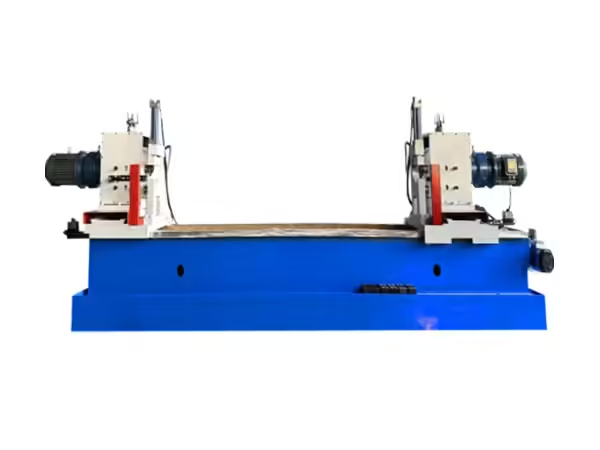
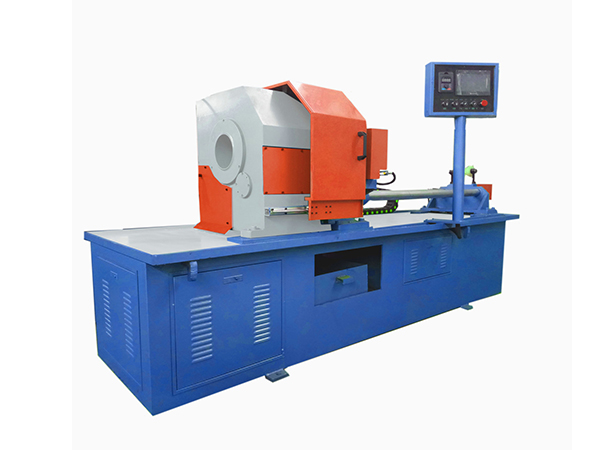
Los componentes principales de un torno giratorio de rodillos cnc incluyen:
| Componente | Función |
|---|---|
| sistema de control CNC | Controla las operaciones y parámetros de mecanizado |
| Cama de máquinas | Proporciona estabilidad estructural |
| Sistema de husillo | Hace girar la pieza de trabajo durante el mecanizado |
| Sistema de herramientas de corte | Realiza operaciones de giro |
| Mecanismo de accionamiento | Controla la precisión del movimiento |
El rendimiento de cada componente afecta la calidad del mecanizado. Una estructura de máquina sólida, un sistema de control preciso y un mecanismo de accionamiento confiable permiten que el torno giratorio de rodillos cnc mantenga un rendimiento estable durante operaciones de mecanizado de alta resistencia.
Proveedores profesionales que brindan servicios avanzados maquinaria de fabricación y procesamiento ayudar a las industrias a mejorar las capacidades de producción ofreciendo equipos diseñados para diferentes requisitos de mecanizado.
Aplicaciones clave de los equipos de torno de torneado por rodillos CN
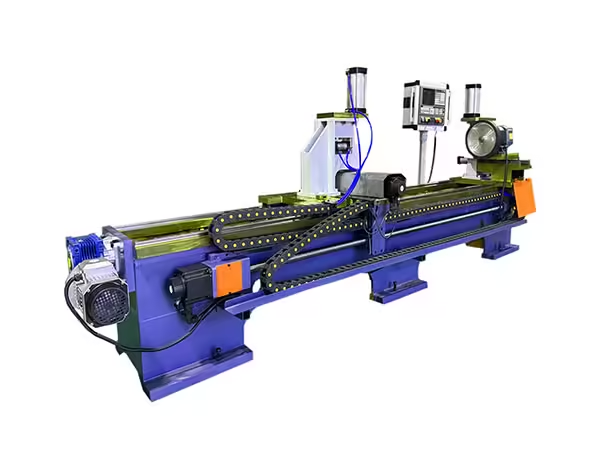
El torno de torneado por rodillos cnc se utiliza ampliamente en industrias que requieren un procesamiento de precisión de componentes cilíndricos grandes. Su capacidad para manipular piezas de trabajo pesadas y de gran tamaño lo hace adecuado para entornos de fabricación exigentes.
Procesamiento de Rollos Industriales
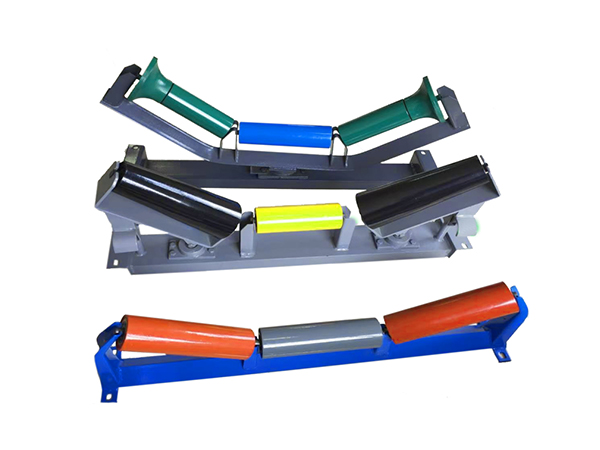
Una de las principales aplicaciones de un torno de torneado de rodillos CNC es el mecanizado de rodillos industriales. Estos componentes a menudo requieren dimensiones precisas y acabados superficiales lisos para funcionar de manera efectiva.
Aplicaciones incluyen:
- Mecanizado de rollos de producción
- Procesos de corrección de superficies.
- Ajuste de diámetro
- Operaciones de acabado de precisión
Fabricación de componentes pesados
Los componentes mecánicos grandes requieren equipos de mecanizado potentes. Los sistemas de torneado por rodillos CNC proporcionan la resistencia y precisión necesarias para procesar piezas de trabajo pesadas.
Mecanizado de superficies de precisión
Muchos rodillos industriales requieren condiciones superficiales específicas para lograr un rendimiento adecuado. Un torno de torneado de rodillos cnc ayuda a los fabricantes a lograr resultados de mecanizado consistentes mediante procesos de corte controlados.
Ventajas de utilizar tornos de torneado CNC en la fabricación moderna
La adopción de la tecnología de torneado CNC ofrece varias ventajas en comparación con los métodos de mecanizado tradicionales.
Mayor precisión de mecanizado
La precisión es uno de los beneficios más importantes de los equipos de torneado controlados por CNC.
Un torno giratorio de rodillos CNC puede mantener rutas de corte precisas mediante un control automatizado, lo que ayuda a reducir los errores dimensionales y mejorar la consistencia del producto.
Beneficiile includ:
- Repetibilidad de mecanizado mejorada
- Reducción de errores de ajuste manual
- Mejor calidad de la superficie
- Resultados de producción más estables
Mejora de la eficiencia de la producción
La automatización permite que las operaciones de mecanizado continúen con menos intervenciones manuales.
Un torno giratorio cnc mejora la eficiencia mediante:
- Reducir el tiempo de preparación
- Optimización de procesos de corte
- Apoyando la producción continua
- Mejorar la gestión del flujo de trabajo
Mejor coherencia de procesamiento
Para las industrias que producen grandes cantidades de componentes similares, la coherencia es fundamental. Los sistemas CNC garantizan que cada operación de mecanizado siga los parámetros programados, lo que da como resultado productos más uniformes.
Factores importantes al seleccionar un torno giratorio CNC
Elegir el torno torneador de rodillos cnc adecuado requiere una cuidadosa consideración de los requisitos técnicos y las condiciones de producción.
Tamaño y capacidad de la pieza de trabajo
El tamaño y el peso de la pieza de trabajo determinan las especificaciones requeridas de la máquina.
Los fabricantes deberían evaluar:
- Diámetro máximo de giro
- Longitud de la pieza de trabajo
- Capacidad de peso
- Requisitos de procesamiento
La selección de equipos con capacidad adecuada garantiza un rendimiento de mecanizado estable.
Sistema de control CNC
El sistema de control influye directamente en el funcionamiento y la precisión de la máquina.
Las consideraciones importantes incluyen:
- Flexibilidad de programación
- Interfaz de operación
- Funciones de automatización
- Fiabilidad del sistema
Un sistema CNC avanzado mejora la eficiencia del mecanizado y reduce las dificultades operativas.
Estabilidad de la estructura de la máquina
El mecanizado pesado requiere un soporte estructural fuerte. Una plataforma de máquina rígida ayuda a reducir la vibración y mejora la precisión del mecanizado.
Un torno giratorio de rodillos cnc estable proporciona un mejor rendimiento al procesar componentes grandes y pesados.
Cómo la tecnología CNC mejora las operaciones de torneado en ro
La tecnología CNC ha transformado el mecanizado tradicional al introducir automatización, control de precisión y una mejor gestión de procesos.
Movimiento automatizado de herramientas
Los sistemas CNC controlan el posicionamiento automático de las herramientas, lo que reduce la dependencia del funcionamiento manual.
Acest mejora:
- Precisión del mecanizado
- Velocidad de procesamiento
- Consistencia operativa
Gestión de procesos digitales
Las máquinas CNC modernas permiten a los fabricantes almacenar y gestionar programas de mecanizado digitalmente.
Esto hace que sea más fácil:
- Repetir tareas de producción
- Optimizar los procesos de mecanizado
- Reducir el tiempo de preparación
Control de calidad mejorado
Los sistemas CNC ayudan a mantener condiciones de mecanizado consistentes, lo que respalda un mejor control de calidad durante toda la producción.
El desarrollo de control numérico por computadora la tecnología ha influido significativamente en el mecanizado moderno al permitir mayores niveles de automatización y precisión.
Prácticas de mantenimiento para extender la vida útil del torno torneado CNC
El mantenimiento regular es esencial para mantener la precisión del mecanizado y la confiabilidad del equipo.
Comprobación de componentes mecánicos
Los operadores deben inspeccionar periódicamente:
- Rendimiento del husillo
- Condiciones del carril guía
- Sistemas de herramientas
- Componentes de accionamiento
La identificación temprana de problemas ayuda a prevenir interrupciones en la producción.
Mantenimiento de sistemas CNC
El sistema de control requiere una gestión adecuada para garantizar un funcionamiento estable.
Prácticas importantes incluyen:
- Actualizaciones de software
- Verificación de parámetros
- Inspección eléctrica
Lubricación adecuada
La lubricación reduce la fricción entre los componentes móviles y ayuda a mantener la precisión de la máquina.
Un programa de mantenimiento constante mejora el rendimiento a largo plazo de los equipos de torno giratorio de rodillos cnc.
Tendencias futuras de desarrollo de la tecnología de torno torneado por rodillos CNC
El futuro desarrollo de los sistemas de torno de torneado por rodillos cnc está estrechamente relacionado con la automatización, la fabricación inteligente y las tecnologías digitales.
Monitoreo inteligente
Las máquinas CNC modernas utilizan cada vez más sensores y sistemas de monitorización para analizar el rendimiento de los equipos.
Estas tecnologías ayudan a detectar:
- Vibración anormal
- Desgaste de herramientas
- Condiciones de funcionamiento
- Requisitos de mantenimiento
Niveles de automatización más altos
Los futuros sistemas de torneado de rodillos CNC seguirán integrando tecnologías automatizadas de carga, inspección y gestión de producción.
Fabricación basada en datos
La recopilación de datos digitales permite a los fabricantes optimizar los procesos de mecanizado y mejorar la eficiencia general de la producción.
A medida que los requisitos industriales se vuelvan más complejos, las soluciones inteligentes de mecanizado CNC seguirán mejorando las capacidades de fabricación.
Errores comunes al elegir un torno giratorio CNC
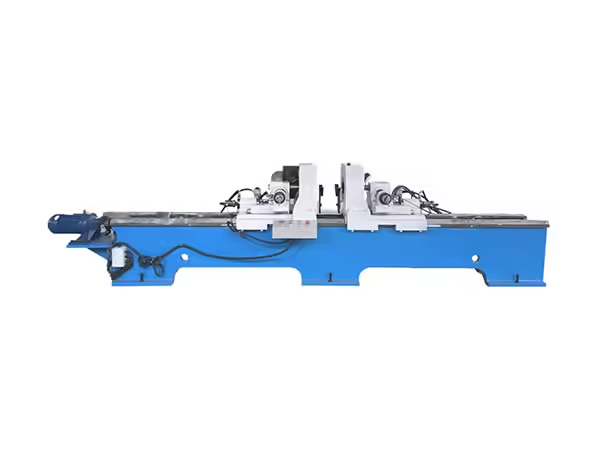
Seleccionar equipos de mecanizado inadecuados puede reducir la productividad y aumentar los desafíos operativos.
Ignorar los requisitos reales de procesamiento
Elegir el equipo sin considerar el tamaño de la pieza de trabajo, las características del material y las necesidades de producción puede resultar en un rendimiento deficiente.
Centrándose únicamente en las especificaciones de la
Los parámetros técnicos son importantes, pero los fabricantes también deberían evaluarlos:
- Fiabilidad de la máquina
- Capacidad del sistema de control
- Requisitos de mantenimiento
- Rendimiento a largo plazo
Pasando por alto el soporte de proveedores
El soporte técnico profesional y la capacidad de servicio son factores importantes a la hora de seleccionar equipos de mecanizado CNC.
Una evaluación completa ayuda a las empresas a elegir un torno giratorio CNC que coincida con sus objetivos de producción.
Conclusión
Un torno de torneado de rodillos CNC es una solución importante para los fabricantes que requieren un mecanizado preciso y eficiente de componentes cilíndricos grandes. Al combinar la automatización CNC con potentes capacidades de torneado, este equipo mejora la precisión del mecanizado, la eficiencia de la producción y la consistencia operativa.
Seleccionar el torno giratorio de rodillos cnc adecuado requiere una evaluación cuidadosa de los requisitos de la pieza de trabajo, la capacidad de la máquina, los sistemas de control, la estabilidad estructural y las necesidades de mantenimiento. Una máquina adecuada puede ayudar a los fabricantes a lograr un mejor control de calidad y un rendimiento de producción más confiable.
A medida que las industrias continúen avanzando hacia la automatización y la fabricación inteligente, la tecnología de torneado por rodillos CNC desempeñará un papel cada vez más importante en las operaciones de mecanizado avanzadas. Las empresas que invierten en equipos CNC adecuados pueden mejorar la productividad, reducir los desafíos operativos y fortalecer sus capacidades de fabricación.
Preguntas frecuentes
¿para qué se utiliza un torno giratorio de rodillos cnc?
Un torno de torneado de rodillos CNC se utiliza para mecanizar componentes cilíndricos grandes, como rodillos industriales. Proporciona operaciones de torneado precisas mediante procesos controlados por CNC.
¿cuáles son las ventajas de un torno torneador de rodillos CNC?
Las principales ventajas incluyen mayor precisión, mayor eficiencia de producción, calidad de mecanizado constante y menor dependencia de la operación manual.
¿cómo mejora la tecnología CNC el torneado por rodillos
La tecnología CNC mejora el torneado de rodillos controlando el movimiento de la herramienta, los parámetros de mecanizado y los procesos de producción con mayor precisión y repetibilidad.
¿qué factores se deben considerar al seleccionar un torno giratorio cnc?
Los factores importantes incluyen el tamaño de la pieza de trabajo, la capacidad de la máquina, las características del sistema CNC, la estabilidad estructural, los requisitos de mecanizado y las necesidades de mantenimiento.
¿cómo se puede mantener un torno giratorio cnc?
La inspección periódica, la lubricación, el mantenimiento del sistema CNC y el reemplazo oportuno de los componentes desgastados ayudan a mantener el rendimiento de la máquina y extender la vida útil.
 Spanish
  English
  French