
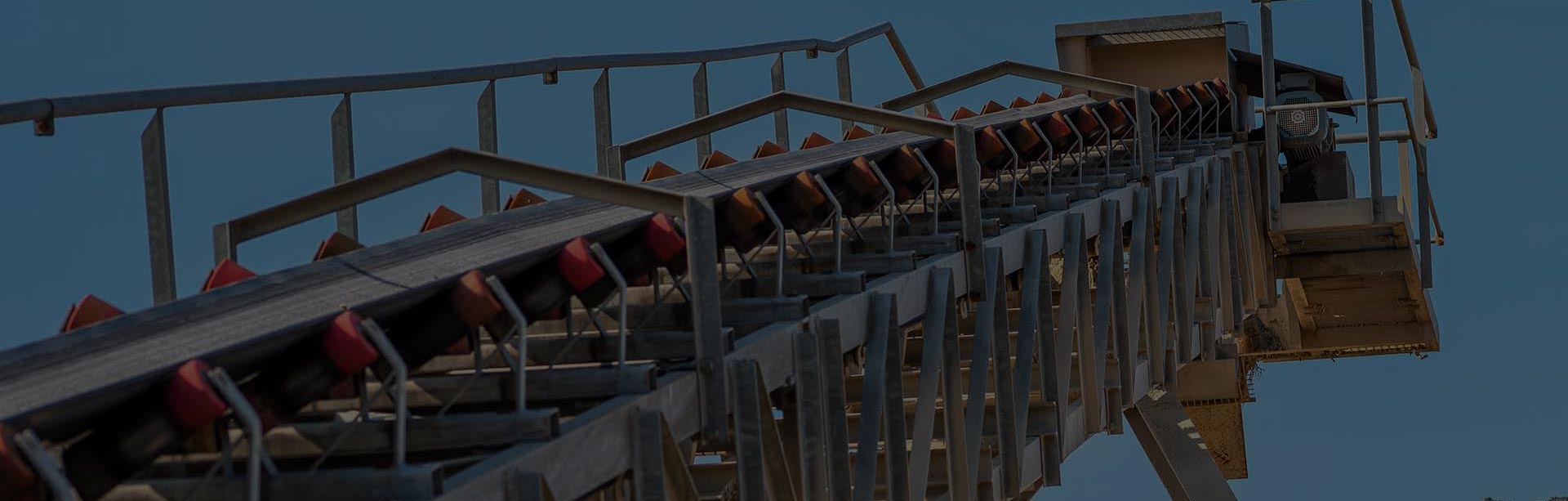
In modern conveyor engineering, most attention is usually given to belts, motors, and rollers. However, experienced system designers know that the real structural foundation of conveyor reliability is often hidden inside a small but critical component: the bearing housing.
When conveyor rollers operate under continuous load, vibration, dust exposure, and environmental stress, the bearing housing becomes the primary structural element that determines alignment accuracy, rotation stability, and service life.
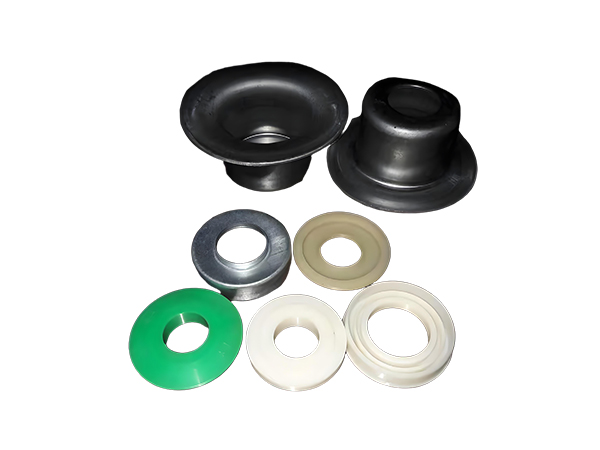
The conveyor roller TKII bearing housing is specifically designed to enhance these performance factors in conveyor roller systems, especially in heavy-duty and continuous-operation environments. It provides a stable mechanical interface between the shaft, bearing, and roller shell, ensuring long-term operational consistency.
In this article, you will learn how conveyor roller TKII bearing housing works, why it is essential in conveyor roller engineering, how it improves system durability, and how it integrates into modern conveyor systems used in industrial material handling.
Table of Contents
Why Bearing Housing Is the Hidden Core of Conveyor Roller Performance
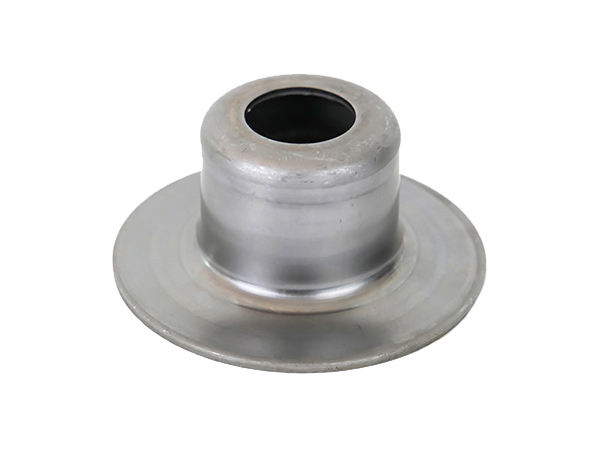
In most conveyor systems, failures are often attributed to bearings or seals. However, engineering diagnostics frequently trace the root cause back to the bearing housing itself.
A poorly designed housing can lead to:
- Misalignment of bearings
- Uneven load distribution
- Increased rotational resistance
- Early seal failure
- Structural deformation under heavy load
According to mechanical engineering references such as these, structural alignment of roller components is one of the key determinants of conveyor reliability in bulk handling systems.
This makes the bearing housing not just a support part but a structural precision component.
What Makes Conveyor Roller TKII Bearing Housing Different in Conveyor Roller Design
The conveyor roller TKII bearing housing is designed with a focus on structural rigidity, alignment accuracy, and long-term operational stability.
Its design typically includes:
- Reinforced housing geometry
- Precision-machined bearing seats
- Stable shaft support structure
- Optimized load distribution channels
- Compatibility with sealing systems
Unlike basic housings that only hold bearings in place, conveyor roller TKII bearing housing ensures that the entire roller assembly maintains consistent geometric alignment during operation.
This is especially important in high-load environments where vibration and continuous impact forces are present.
Engineering Function: How Conveyor Roller TKII Bearing Housing Improves Stability
To understand its impact, you need to look at how force is transmitted in a conveyor roller.
During operation:
- Material load applies pressure to the roller shell
- Force is transferred to the shaft
- Bearing distributes rotational motion
- Bearing housing stabilizes structural alignment
If the housing is weak or imprecise, the entire system becomes unstable.
TKII bearing housing improves this system by:
- Maintaining concentric alignment of shaft and bearing
- Reducing vibration during high-speed rotation
- Preventing deformation under continuous load
- Supporting consistent load transfer
Engineering resources such as highlight that structural housing precision is essential for reducing rotational inefficiency in mechanical systems.
Integration in Conveyor Roller Systems
The TKII bearing housing is not a standalone component. It works within a complete conveyor roller structure.
It integrates with:
- Conveyor belt idlers →
- Conveyor roller sets →
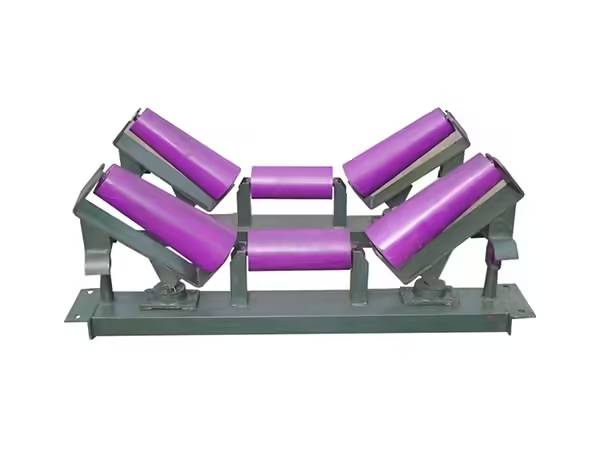
- Heavy-duty conveyor rollers →
Together, these components form a complete conveyor system where structural precision directly influences operational stability.
Real-World Application: High-Load Conveyor Operation Scenario
In a typical bulk material handling system operating under continuous heavy load, conventional bearing housings often show early signs of structural stress:
- Shaft misalignment over time
- Increased vibration during rotation
- Uneven bearing wear
- Reduced roller lifespan
- Frequent maintenance intervention
After switching to TKII bearing housing systems, operational behavior improves significantly:
- Structural alignment remains stable over long cycles
- Vibration levels decrease noticeably
- Bearing wear becomes more uniform
- Roller rotation becomes smoother
- Maintenance intervals extend
The key improvement is not just durability but mechanical stability under continuous stress conditions.
Why Structural Precision Matters in Conveyor Engineering
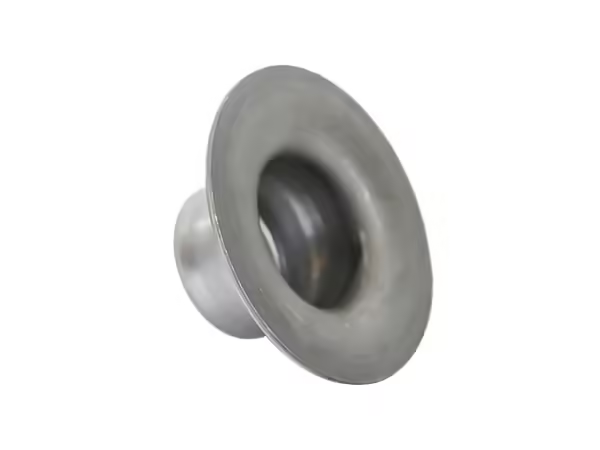
Many conveyor failures are not caused by overload but by micro-level structural deviations that accumulate over time.
Even a small misalignment in bearing housing can lead to:
- Increased friction resistance
- Heat buildup in bearings
- Seal deformation
- Belt tracking instability
This is why precision machining of bearing housing is critical in industrial design.
TKII Bearing Housing vs Standard Housing Structures
| Feature | TKII Bearing Housing | Standard Bearing Housing |
|---|---|---|
| Structural Rigidity | High | Medium |
| Alignment Accuracy | Precision-machined | General tolerance |
| Load Stability | Strong under continuous load | Limited under stress |
| Vibration Control | Optimized | Basic |
| Long-term Durability | High | Moderate |
| Maintenance Requirement | Lower | Higher |
This comparison shows why engineered housing systems are increasingly preferred in modern conveyor design.
How Conveyor Roller TKII Bearing Housing Improves System Efficiency
Efficiency in conveyor systems is not only about speed—it is about stability.
TKII bearing housing improves efficiency by:
- Reducing rotational resistance
- Maintaining consistent alignment
- Preventing energy loss from vibration
- Stabilizing roller performance across long distances
Over time, these improvements lead to smoother material flow and reduced mechanical stress across the entire system.
Installation Considerations You Should Not Ignore
Even high-precision components require proper installation.
To ensure optimal performance:
- Ensure shaft alignment before assembly
- Avoid impact damage during installation
- Maintain clean seating surfaces
- Check bearing fit tolerance
- Verify rotational smoothness before operation
Improper installation can reduce the performance advantages of even the most advanced housing design.
Maintenance Strategy for Long-Term Performance
TKII bearing housing is designed for durability, but system maintenance remains essential.
Recommended practices include:
- Regular inspection of roller vibration
- Monitoring bearing temperature
- Checking alignment stability
- Cleaning external dust accumulation
- Replacing worn components in coordinated cycles
Preventive maintenance ensures consistent system efficiency and reduces unexpected downtime.
Industrial Value of TKII Bearing Housing Systems
From an engineering perspective, conveyor roller TKII bearing housing contributes to:
- Higher conveyor system reliability
- Reduced maintenance frequency
- Improved rotational efficiency
- Extended roller lifespan
- Greater operational stability in heavy-duty environments
These factors directly influence production continuity and long-term operational efficiency.
Final Thoughts
The conveyor roller TKII bearing housing is a critical structural component in conveyor roller systems. While often overlooked, it plays a decisive role in maintaining alignment accuracy, reducing vibration, and ensuring long-term mechanical stability.
In modern conveyor engineering, system reliability depends not only on visible components but also on the precision of internal structures. The conveyor roller TKII bearing housing represents this engineering principle in practice—stability through structural precision.
FAQ
What is conveyor roller TKII bearing housing used for?
It is used to support and align bearings inside conveyor rollers, ensuring stable rotation and structural reliability.
Why is bearing housing important in conveyor systems?
Because it maintains alignment and structural integrity, preventing vibration and premature failure.
Is conveyor roller TKII bearing housing suitable for heavy-duty applications?
Yes, it is designed specifically for continuous and high-load conveyor environments.
What causes bearing housing failure?
Common causes include misalignment, overload stress, and poor installation practices.
How does it improve conveyor performance?
It enhances alignment accuracy, reduces vibration, and extends roller service life.
Does it require frequent maintenance?
No, but periodic inspection is recommended to ensure long-term stability.
 English
  French
  Spanish