

In modern material handling systems, conveyor reliability is no longer determined by single components. Instead, it is defined by how well multiple mechanical elements work together as a unified system.
One of the most overlooked but highly influential elements in this system is the conveyor roller set. While rollers are often treated as simple support components, in reality, their configuration, alignment, and structural integration directly determine system downtime, maintenance frequency, and long-term operational stability.
If your conveyor system experiences frequent shutdowns, uneven belt tracking, or inconsistent load movement, the issue is often not the belt or motor—it is the roller system design itself.
In this article, you will learn how conveyor roller set design affects system reliability, how it reduces downtime, and why modern industrial systems are shifting toward modular roller architectures.
Table of Contents
Why Conveyor Downtime Often Starts with Roller System Design
Most conveyor system failures do not happen suddenly. They develop gradually due to:
- Uneven roller alignment
- Bearing wear accumulation
- Structural frame distortion
- Load imbalance across roller rows
- Inconsistent roller spacing
According to bulk material handling engineering principles referenced in the text, roller alignment and spacing consistency are among the top factors influencing conveyor system reliability.
When rollers are not designed or installed as a unified system, small deviations multiply across long conveyor distances, eventually leading to:
- Belt deviation
- Increased friction resistance
- Higher energy consumption
- Frequent maintenance shutdowns
This is why roller system design is now treated as a core engineering discipline rather than a secondary mechanical detail.
What Makes a Conveyor Roller Set Different from Individual Rollers
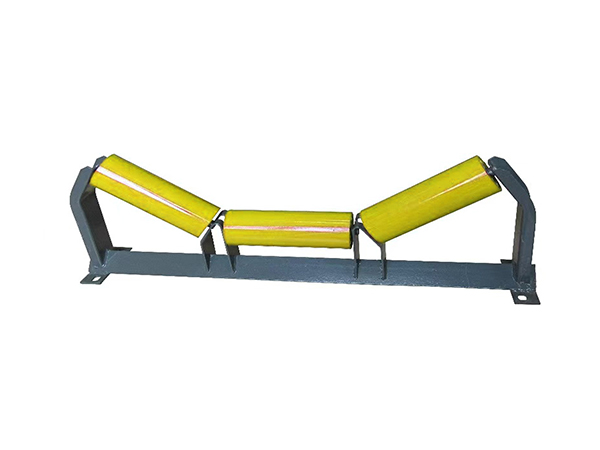
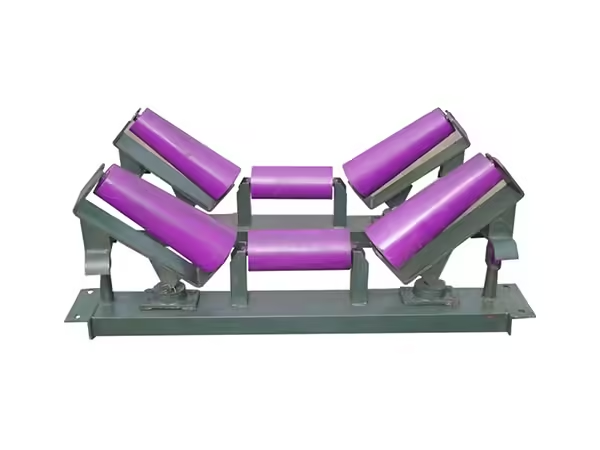
A conveyor roller set is not just a collection of rollers—it is a structured system designed to operate as a synchronized unit.
It typically includes:
- Carrying rollers
- Return rollers
- Structural mounting frame
- Bearing and sealing system integration
- Pre-aligned spacing geometry
Unlike individual roller installation, a roller set ensures that all rollers:
- Share consistent alignment
- Maintain equal load distribution
- Operate under uniform structural tension
This system-level approach significantly reduces mechanical inconsistencies.
You can explore related system components here:
- Conveyor belt idlers →
- Heavy duty conveyor rollers →
- Gravity conveyor rollers →
Engineering Principle: Why Alignment Matters More Than Strength
A common misconception in conveyor design is that stronger rollers automatically improve system performance.
In reality, alignment accuracy is far more important than material strength.
Even high-strength rollers will fail prematurely if:
- Shaft alignment is inconsistent
- Roller spacing is uneven
- Frame rigidity is compromised
Engineering references, such as highlight that misalignment increases frictional losses and accelerates mechanical wear in rotating systems.
A conveyor roller set solves this by ensuring:
- Fixed geometric spacing
- Controlled alignment across multiple rollers
- Reduced lateral belt movement
Real Industrial Scenario: How Roller Set Design Impacts System Stability
In a continuous bulk material handling operation, system instability often appears gradually:
- Belt begins to drift slightly to one side
- Roller vibration increases under load
- Maintenance adjustments become more frequent
- Energy consumption gradually rises
In systems using non-standard roller arrangements, these issues compound over time.
After transitioning to a structured conveyor roller set system, operators typically observe:
- Improved belt tracking consistency
- Reduced vibration across roller rows
- Lower maintenance intervention frequency
- More stable long-term operation cycles
The key improvement is not just mechanical—it is operational predictability.
Why Modular Roller Set Systems Are Becoming Industry Standard
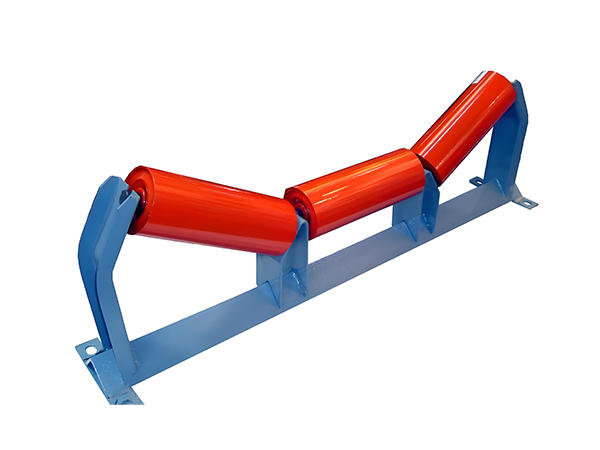
Modern conveyor systems are moving toward modular designs for one key reason: maintainability.
A conveyor roller set allows:
- Faster replacement cycles
- Reduced system disassembly time
- Standardized maintenance procedures
- Lower dependency on manual adjustment
Industry maintenance discussions referenced in technical communities and engineering analysis platforms such as consistently highlight modularity as a major factor in reducing downtime.
Key Technical Factors That Define Roller Set Quality
When evaluating a conveyor roller set system, you should focus on:
- Alignment precision of roller mounting structure
- Bearing housing compatibility and sealing integration
- Frame rigidity under continuous load
- Roller spacing consistency
- Corrosion resistance of structural components
- Vibration absorption capability
Each of these factors directly influences system stability and maintenance requirements.
Efficiency Comparison: Modular Roller Set vs Traditional Installation
| Feature | Modular Conveyor Roller Set | Traditional Roller Installation |
|---|---|---|
| Alignment consistency | High | Variable |
| Maintenance speed | Fast | Slow |
| Belt tracking stability | Stable | Inconsistent |
| Downtime frequency | Lower | Higher |
| Structural uniformity | Controlled | Dependent on installation |
| Long-term efficiency | Higher | Moderate |
This comparison explains why modular roller systems are increasingly preferred in modern conveyor engineering.
Installation Considerations That Directly Affect Performance
Even the best-designed conveyor roller set will underperform if installation is not properly executed.
Key installation principles include:
- Ensuring frame-level accuracy before assembly
- Maintaining uniform roller spacing across full conveyor length
- Verifying shaft rotation smoothness after installation
- Avoiding structural stress during mounting
- Conducting alignment testing under initial load conditions
Improper installation is one of the most common causes of conveyor inefficiency.
Maintenance Strategy for Long-Term System Stability
A conveyor roller set is designed for operational stability, but preventive maintenance still plays a critical role.
Recommended practices include:
- Periodic inspection of roller rotation
- Monitoring vibration patterns across roller rows
- Checking frame alignment stability
- Cleaning dust accumulation from roller surfaces
- Replacing rollers in structured batches rather than individually
This approach helps maintain long-term system uniformity.
Industrial Value: Why Conveyor Roller Sets Improve ROI
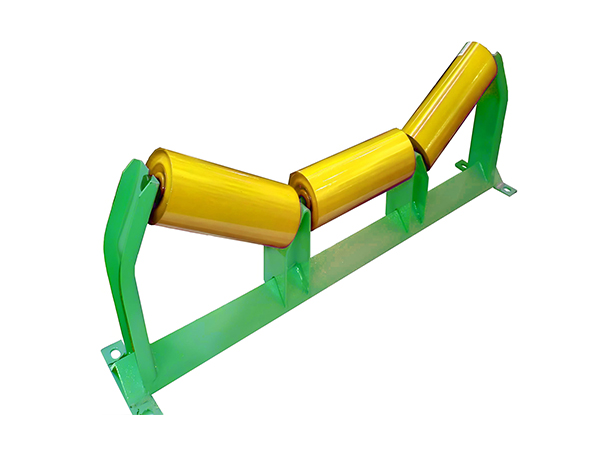
From a system engineering perspective, conveyor roller sets provide measurable operational benefits:
- Reduced unplanned downtime
- Lower maintenance labor demand
- Improved conveyor energy efficiency
- Extended roller and belt lifespan
- Higher production consistency
These factors directly contribute to improved return on operational investment in continuous production environments.
Final Thoughts
A conveyor roller set is not just a mechanical assembly—it is a system optimization strategy. By standardizing alignment, improving structural consistency, and reducing maintenance complexity, it significantly enhances conveyor system reliability.
In modern industrial operations, efficiency is no longer achieved by stronger components alone but by smarter system integration—and the conveyor roller set is a key part of that evolution.
FAQ
What is a conveyor roller set used for?
It is used to support conveyor belts through a structured roller system that improves alignment and stability.
Why use a roller set instead of individual rollers?
Because it ensures consistent alignment, reduces downtime, and simplifies maintenance.
Can conveyor roller sets improve system efficiency?
Yes, they improve belt tracking stability and reduce mechanical losses.
Are roller sets suitable for heavy-duty operations?
Yes, they are widely used in demanding industrial material handling systems.
What causes conveyor roller system failure?
Common causes include misalignment, bearing wear, and inconsistent installation.
How often should roller sets be maintained?
Regular inspection every few months is recommended depending on operating conditions.
 English
  French
  Spanish