
Table des matières
Introduction
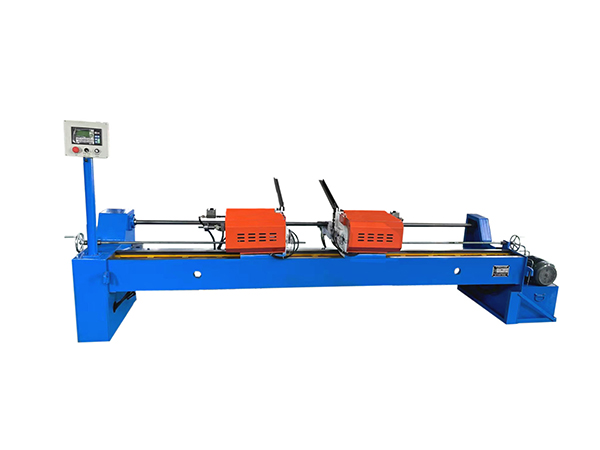
La production industrielle moderne dépend d'une technologie de traitement précise, de systèmes d'équipement efficaces et de processus de fabrication fiables Parmi les nombreux facteurs influençant les performances de production, la machine-outil et la fabrication jouent un rôle fondamental dans la détermination de la qualité des produits, de l'efficacité de l'usinage et de la capacité des entreprises à répondre à des exigences de production de plus en plus complexes.
Les machines-outils sont le fondement de nombreuses opérations de fabrication car elles permettent aux entreprises de couper, façonner, percer, fraiser et traiter des matériaux avec une grande précision. Dans le même temps, la fabrication implique non seulement le fonctionnement des équipements mais également les connaissances en ingénierie, la planification de la production, le contrôle qualité et l’amélioration continue des processus.
Alors que les industries continuent de s'orienter vers une précision plus élevée et des méthodes de production plus intelligentes, les fabricants doivent comprendre comment les machines-outils avancées contribuent à de meilleurs résultats de fabrication La sélection d'équipements adaptés et la construction de processus de production efficaces sont devenues des facteurs importants pour améliorer la compétitivité et maintenir une production stable.
Un système de fabrication performant nécessite la combinaison de machines-outils fiables, d'un support technique professionnel et de stratégies de production optimisées Les entreprises qui comprennent la relation entre la technologie des machines-outils et les exigences de fabrication peuvent prendre de meilleures décisions lorsqu'elles améliorent leurs capacités de production.
Comprendre la relation entre la machine-outil et la fabrication
La machine-outil et la fabrication sont étroitement liées car les machines-outils fournissent la base technique pour produire des composants industriels et des produits finis Sans un équipement d'usinage fiable, de nombreux processus de fabrication modernes n'atteindraient pas la précision, la cohérence et l'efficacité requises.
Une machine-outil est conçue pour effectuer des opérations contrôlées d'enlèvement ou de façonnage de matériaux Grâce au mouvement mécanique, aux outils de coupe et aux systèmes de contrôle avancés, les machines-outils permettent aux fabricants de créer des composants aux dimensions précises.
Les procédés de fabrication dépendent de plusieurs éléments importants :
| Élément de fabrication | Rôle dans la production |
|---|---|
| Technologie des machines-outils | Fournit une capacité de traitement précise |
| Planification de la production | Améliore l'organisation du flux de travail |
| Contrôle qualité | Assure la cohérence du produit |
| Opération qualifiée | Maximise les performances de l'équipement |
| Gestion de la maintenance | Étend la fiabilité des équipements |
La connexion entre les machines-outils et la fabrication ne se limite pas aux performances de l'équipement Elle implique également l'efficacité avec laquelle la machine est intégrée dans l'environnement de production global.
Par exemple, un fabricant produisant des composants métalliques complexes peut exiger un équipement avec une grande précision, un fonctionnement stable et une capacité de traitement flexible Le choix de la bonne machine-outil permet de garantir que les objectifs de production peuvent être atteints efficacement.
L'importance des machines-outils dans la fabrication moderne
Le développement de la fabrication a toujours été étroitement lié aux améliorations de la technologie des machines-outils, Des équipements mécaniques traditionnels aux systèmes CNC avancés, les machines-outils ont continuellement évolué pour prendre en charge une précision et une productivité plus élevées.
Les fabricants modernes s'appuient sur des machines-outils pour diverses activités de production, notamment
- Découpe de métal
- Traitement des composants
- Usinage de surface
- Forage de précision
- Opérations de production automatisées
Les machines-outils de haute qualité permettent de réduire les erreurs de production et d'améliorer la répétabilité Ceci est particulièrement important dans les industries où les composants doivent répondre à des exigences dimensionnelles strictes.
La valeur des machines-outils peut se refléter dans plusieurs domaines :
Améliorer la précision de la production
La précision est l'une des exigences les plus importantes de la fabrication moderne Une machine-outil stable permet de maintenir des résultats d'usinage cohérents et de réduire les variations entre les produits.
Augmentation de l'efficacité de fabrication
Les machines-outils avancées peuvent effectuer des opérations complexes plus rapidement et avec moins de réglages manuels Cela améliore l'efficacité de la production et aide les fabricants à optimiser l'utilisation des ressources.
Soutenir la fabrication flexible
Différentes exigences de production nécessitent souvent des approches d'usinage différentes Les machines-outils flexibles permettent aux fabricants d'adapter les processus de production en fonction de l'évolution des besoins des clients.
Types clés de machines-outils utilisées dans la fabrication
Différentes applications de fabrication nécessitent différents types de machines-outils. Comprendre les caractéristiques de chaque catégorie aide les entreprises à sélectionner des équipements correspondant à leurs objectifs de production.
Machines-outils CNC
Les machines-outils CNC utilisent des systèmes contrôlés par ordinateur pour effectuer des opérations d'usinage avec une grande précision et répétabilité Elles sont largement utilisées dans les industries nécessitant un traitement complexe et une qualité de produit constante.
Le développement de commande numérique par ordinateur (CNC) la technologie a considérablement amélioré la fabrication moderne en permettant aux machines d'effectuer des opérations complexes grâce à des instructions programmées.
Les équipements CNC apportent des avantages tels que
- Précision d'usinage supérieure
- Amélioration de la cohérence de la production
- Exigences réduites de fonctionnement manuel
- Meilleure flexibilité de traitement
Équipement de découpe et de traitement
Les équipements de coupe constituent une partie importante des applications de machines-outils, car de nombreux processus de fabrication nécessitent une préparation précise des matériaux avant un traitement ultérieur.
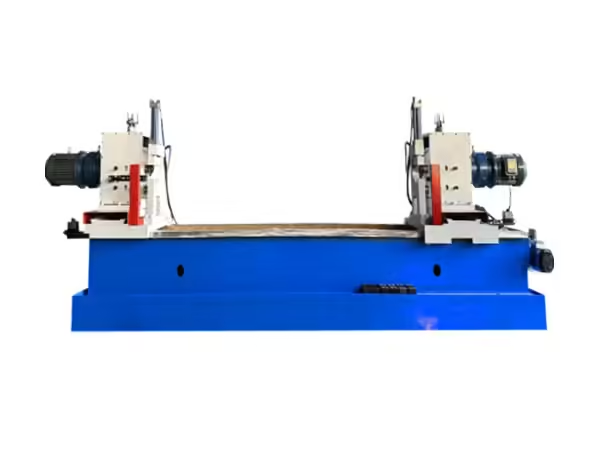
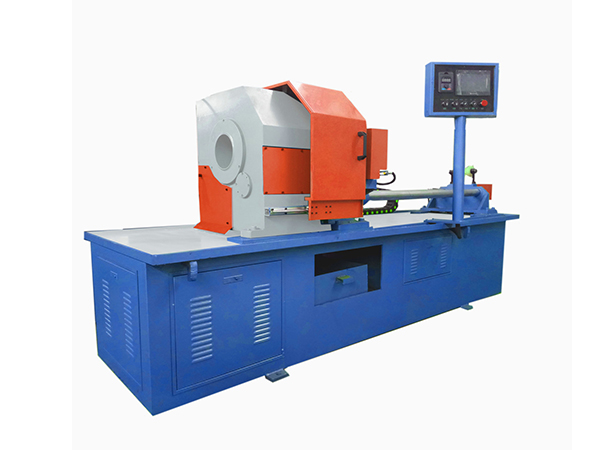
Pour les industries nécessitant des opérations de coupe efficaces, des équipements spécialisés tels qu'un machine de découpe de tubes automatique peut aider à améliorer la stabilité du traitement et l'efficacité de la production.
Matériel de fraisage et de forage
Les fraiseuses et perceuses sont couramment utilisées pour créer des formes, des trous et des surfaces spécifiques. Ces machines sont essentielles pour produire des pièces mécaniques avec des dimensions précises.
La sélection d'équipements adaptés dépend de :
- Caractéristiques matérielles
- Exigences de traitement
- Volume de production
- Niveau de précision requis
Comment la technologie des machines-outils améliore l’efficacité de
L'efficacité de la fabrication est influencée par de nombreux facteurs, mais la technologie des machines-outils reste l'un des éléments les plus importants.
Les machines-outils avancées améliorent l'efficacité grâce à plusieurs méthodes :
Réduction du temps de traitement
Les équipements modernes peuvent effectuer plusieurs opérations avec moins d’ajustements, réduisant ainsi les retards de production inutiles.
Améliorer la cohérence des produits
Les performances stables des machines aident les fabricants à produire des composants avec des normes de qualité similaires tout au long des cycles de production.
Réduire les déchets matériels
Un usinage précis réduit les erreurs de traitement et aide les entreprises à utiliser les matériaux plus efficacement.
Selon la recherche sur les technologies de fabrication, les améliorations de la précision de l'usinage et de la capacité d'automatisation sont des facteurs importants pour augmenter l'efficacité de la production Les fabricants qui adoptent des solutions de machines-outils adaptées peuvent mieux optimiser leurs systèmes de production.
Évaluation des capacités des machines-outils et de fabrication avant de choisir l'équipement
La sélection du bon équipement n’est qu’un élément de l’amélioration des performances de fabrication. Les entreprises doivent également évaluer les capacités techniques derrière les processus de machine-outil et de fabrication, car la qualité des équipements est étroitement liée à l’expérience en ingénierie, aux normes de production et à la capacité de service.
Un partenaire professionnel de fabrication devrait comprendre les différentes exigences de production et fournir des solutions basées sur des applications pratiques plutôt que de proposer uniquement des équipements standard.
Parmi les facteurs d'évaluation importants, on peut citer
Expérience de fabrication
L'expérience joue un rôle important dans les applications de machines-outils Les fabricants possédant de solides connaissances techniques peuvent mieux comprendre les défis d'usinage, les caractéristiques des matériaux et les exigences de production.
Les fournisseurs expérimentés ont généralement une compréhension plus approfondie de :
- Configuration de l'équipement
- Méthodes de traitement
- Optimisation de la production
- Résolution de problèmes techniques
- Performances des équipements à long terme
Ces connaissances aident les entreprises à sélectionner des machines-outils correspondant à leurs objectifs de fabrication réels.
Gestion de la qualité des équipements
Le contrôle de la qualité est essentiel pour garantir que les machines-outils fonctionnent de manière fiable sur de longs cycles de production.
Un processus complet de gestion de la qualité peut comprendre
- Inspection des composants
- Vérifications de l'exactitude de l'assemblage
- Tests de performance
- Vérification opérationnelle
- Évaluation finale de la qualité
Des processus de fabrication fiables permettent de garantir que les machines-outils conservent des performances stables après avoir été introduites dans les environnements de production.
Capacité de support technique
Les machines-outils sont des systèmes industriels complexes qui nécessitent une installation, un fonctionnement et une maintenance appropriés. Le support technique est donc une considération importante lors de l’évaluation des fournisseurs.
Un support technique solide aide les fabricants :
- Améliorer l'utilisation des équipements
- Réduire les temps d'arrêt inattendus
- Optimiser les processus d'usinage
- Maintenir une performance de production stable
Un fournisseur possédant une expertise technique peut devenir un partenaire de fabrication à long terme plutôt qu'un seul fournisseur d'équipement.
Le rôle de l'automatisation dans le développement des machines-outils et de la fabrication
L'automatisation est devenue l'une des tendances les plus importantes influençant la fabrication moderne Alors que les entreprises recherchent une efficacité plus élevée et des résultats de production plus cohérents, les machines-outils sont de plus en plus intégrées aux systèmes automatisés.
L'automatisation dans les applications de machines-outils peut améliorer :
Efficacité de la production
Les machines-outils automatisées peuvent effectuer des opérations répétitives avec une précision constante, réduisant ainsi l'intervention manuelle et améliorant la vitesse de production.
Flexibilité de fabrication
Les systèmes automatisés modernes permettent aux fabricants d'ajuster plus facilement les processus de production en fonction des différentes exigences du produit.
Surveillance Opérationnelle
Les équipements avancés peuvent collecter des informations opérationnelles, aidant ainsi les fabricants à identifier les changements de performances et à améliorer la planification de la maintenance.
La combinaison de la technologie des machines-outils et de l'automatisation crée des environnements de fabrication plus intelligents où les performances des équipements peuvent être surveillées et optimisées en permanence.
Comment les technologies numériques changent la fabrication et la machine-outil
La transformation numérique influence chaque étape de la fabrication Les machines-outils deviennent plus connectées, intelligentes et capables de prendre en charge la gestion de la production basée sur les données.
Parmi les développements numériques importants, on peut citer
Surveillance des équipements intelligents
Les capteurs et les systèmes numériques permettent aux fabricants de surveiller les conditions des machines, d'identifier les modèles de fonctionnement inhabituels et d'améliorer les décisions de maintenance.
Optimisation de la production basée sur les données
Les données de production recueillies à partir de machines-outils peuvent aider les entreprises à analyser
- Efficacité de traitement
- Utilisation d'équipement
- Goulets d'étranglement de la production
- exigences de maintenance
Contrôle de processus amélioré
Les technologies numériques permettent aux fabricants d'obtenir un meilleur contrôle sur les opérations d'usinage et d'améliorer la cohérence des produits.
L’avenir de la machine-outil et de la fabrication continuera à évoluer vers une plus grande connectivité, une plus grande automatisation et une prise de décision intelligente.
Normes de contrôle de la qualité dans la fabrication de machines
Le contrôle de la qualité est un facteur critique pour déterminer la fiabilité des machines-outils Étant donné que les équipements de fabrication affectent directement la qualité du produit, un contrôle strict tout au long du processus de production est nécessaire.
Parmi les considérations importantes en matière de qualité, citons
Précision Mécanique
La précision structurelle d'une machine-outil affecte les résultats d'usinage Une conception mécanique solide permet de maintenir la stabilité pendant le fonctionnement.
Fiabilité des composants
Les composants de haute qualité contribuent à une durée de vie plus longue de l'équipement et à des performances plus cohérentes.
Tests et vérification
Avant d'entrer dans les environnements de production, les machines-outils doivent subir des tests de performances pour confirmer la fiabilité opérationnelle.
Les fabricants qui privilégient le contrôle de qualité peuvent fournir des équipements qui soutiennent une production stable et réduisent les risques opérationnels.
Choisir les bonnes solutions de machines-outils pour différentes applications
Différentes industries ont des exigences de fabrication différentes Une solution de machine-outil appropriée doit être sélectionnée en fonction de l'environnement de production spécifique.
Par exemple:
| Exigences de candidature | Considération appropriée de la machine-outil |
|---|---|
| Production en grand volume | Équipement automatisé et stable |
| Composants de précision | Systèmes d'usinage de haute précision |
| Formes complexes | Solutions CNC flexibles |
| Matières lourdes | Conception de machine structurelle forte |
| Production personnalisée | Configuration adaptable de l'équipement |
Les entreprises doivent éviter de sélectionner l'équipement en fonction uniquement de la popularité générale La machine-outil la plus adaptée dépend des objectifs de production, des caractéristiques des matériaux et des exigences de performance attendues.
Pour les entreprises explorant différentes catégories d'équipements industriels, machines de fabrication et de transformation représente un domaine d'équipement important prenant en charge diverses applications d'usinage et de production.
Erreurs courantes lors de la sélection de solutions de machines-outils et de fabrication
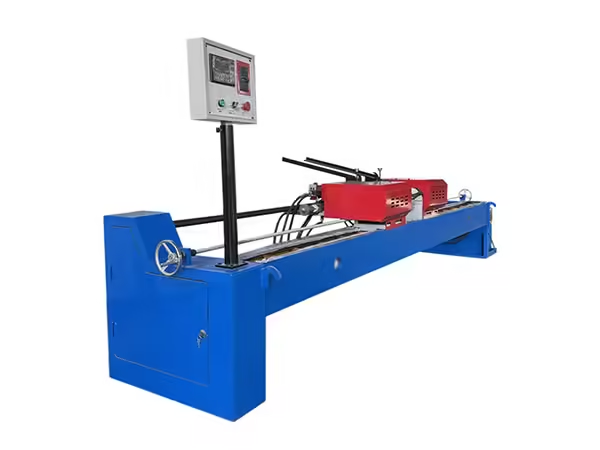
Bien que les machines-outils soient des actifs de fabrication essentiels, des décisions de sélection incorrectes peuvent réduire l'efficacité de la production et augmenter les défis opérationnels.
Ignorer les exigences réelles de production
Certaines entreprises se concentrent trop sur les spécifications des équipements sans analyser leurs besoins réels de production.
Une machine-outil appropriée doit correspondre :
- Caractéristiques du produit
- Exigences de traitement
- Capacité de production
- Plans de développement futurs
Surplombant les exigences de maintenance
Même les équipements avancés nécessitent un entretien approprié Ignorer la planification de la maintenance peut réduire les performances des équipements au fil du temps.
Les fabricants devraient envisager:
- Disponibilité des composants de rechange
- Support technique
- Procédures d'exploitation
- Calendriers d'entretien
Se concentrer uniquement sur les performances à court terme
Une machine-outil est un investissement de production à long terme Les entreprises devraient évaluer la fiabilité globale, l'efficacité et les performances du cycle de vie au lieu de considérer uniquement les résultats immédiats.
Un processus de sélection complet aide les fabricants à obtenir de meilleurs résultats de production à long terme.
Tendances futures de la machine-outil et de
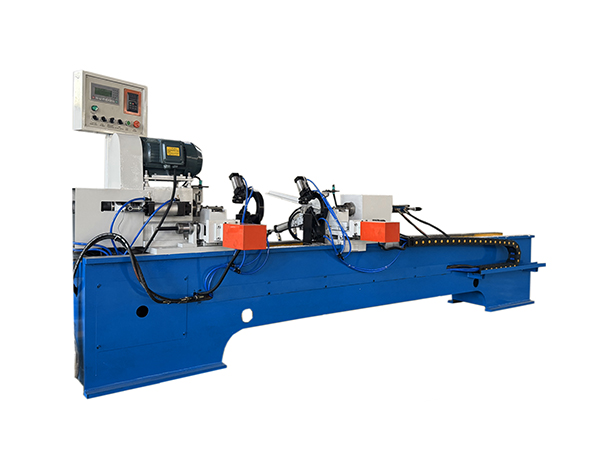
Le développement futur de la machine-outil et de la fabrication continuera à se concentrer sur la précision, l'automatisation et la production intelligente.
Plusieurs tendances devraient influencer l'industrie :
Une plus grande intégration de l'intelligence artificielle
Les technologies basées sur l'IA peuvent aider à optimiser les paramètres d'usinage, à prédire les conditions de l'équipement et à améliorer les décisions de production.
Processus de fabrication plus durables
Les fabricants se concentrent de plus en plus sur la réduction de la consommation d'énergie, l'amélioration de l'utilisation des ressources et la création de méthodes de production plus efficaces.
Demande plus élevée pour une production flexible
À mesure que les exigences des produits se diversifient, les fabricants ont besoin de machines-outils capables de s’adapter rapidement aux demandes changeantes de production.
L'évolution de la technologie des machines-outils continuera à aider les fabricants à atteindre une productivité plus élevée et une compétitivité améliorée.
Conclusion
La machine-outil et la fabrication sont des fondements étroitement liés de la production industrielle moderne Des machines-outils fiables offrent aux fabricants la précision, l'efficacité et la flexibilité nécessaires pour produire des composants de haute qualité et maintenir des opérations stables.
La sélection d'un équipement approprié nécessite une compréhension complète des exigences de production, des performances de la machine, de la capacité du fournisseur et des objectifs de fabrication futurs. Les entreprises doivent prendre en compte non seulement les spécifications techniques de l’équipement, mais également la gestion de la qualité, le support technique et la valeur opérationnelle à long terme.
Alors que la fabrication continue de se développer vers l'automatisation, la numérisation et une précision plus élevée, les machines-outils resteront un élément essentiel du progrès industriel. Les entreprises qui investissent dans des solutions de machines-outils appropriées et travaillent avec des partenaires de fabrication expérimentés peuvent améliorer l’efficacité de la production, renforcer le contrôle qualité et construire des systèmes de fabrication plus compétitifs.
L'avenir de la fabrication dépendra de la combinaison d'une technologie avancée, d'une expertise en ingénierie et de solutions d'équipement fiables. Comprendre la relation entre la machine-outil et la fabrication permet aux entreprises de prendre de meilleures décisions et d’obtenir des améliorations durables de la production.
FAQ
Quelle est la relation entre la machine-outil et la fabrication ?
La machine-outil et la fabrication sont étroitement liées car les machines-outils fournissent l'équipement nécessaire au traitement des matériaux, tandis que les processus de fabrication utilisent ces outils pour créer des produits précis et cohérents.
Pourquoi les machines-outils sont-elles importantes dans la fabrication moderne
Les machines-outils améliorent la précision de fabrication, l'efficacité de production et la cohérence des produits. Ils permettent aux entreprises de traiter les matériaux avec plus de précision et de répondre à des exigences de production complexes.
Quels facteurs faut-il prendre en compte lors de la sélection des machines-outils
Les facteurs importants comprennent les exigences d'usinage, le type de matériau, le volume de production, la précision de l'équipement, la capacité d'automatisation, les besoins de maintenance et le support.
Comment l’automatisation influence-t-elle la machine-outil et
L'automatisation améliore les performances des machines-outils en réduisant les opérations manuelles, en augmentant la cohérence de la production, en permettant une surveillance en temps réel et en améliorant l'efficacité globale de la fabrication.
Quelles sont les tendances futures dans la fabrication de machines-outils ?
Les tendances futures incluent les équipements intelligents, la surveillance numérique, l'intégration de l'automatisation, les méthodes de production durables et les solutions de fabrication flexibles.
 French
  English
  Spanish