
Table des matières
Introduction
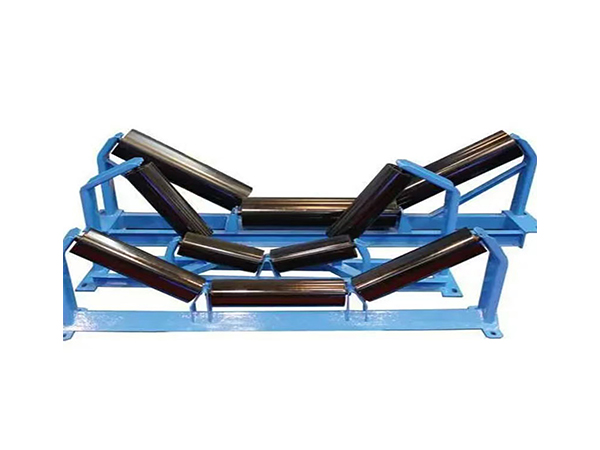
Les systèmes de manutention sont des composants essentiels dans les opérations industrielles modernes, aidant les entreprises à transporter, trier et traiter efficacement les matériaux Parmi les composants clés qui déterminent les performances du convoyeur, les rouleaux d'entraînement de la bande transporteuse jouent un rôle essentiel dans le contrôle du mouvement de la bande, le maintien d'un fonctionnement stable et le soutien du transport continu des matériaux.
Alors que les industries continuent de se concentrer sur un rendement plus élevé, l'automatisation et des processus de production fiables, la technologie des convoyeurs évolue également Les systèmes de convoyeurs traditionnels sont améliorés avec des composants plus solides, une meilleure efficacité énergétique et des méthodes de contrôle plus intelligentes. Dans ce processus de développement, les rouleaux d'entraînement des bandes transporteuses sont devenus un domaine d'innovation important car ils influencent directement la vitesse du convoyeur, la capacité de charge, la stabilité opérationnelle et les exigences de maintenance.
La sélection de rouleaux d'entraînement appropriés ne consiste pas seulement à faire correspondre les dimensions Les entreprises doivent tenir compte de facteurs tels que la structure du convoyeur, les caractéristiques des matériaux, l'environnement de fonctionnement, les conditions de charge et la fiabilité à long terme. Comprendre les tendances actuelles et les développements techniques peut aider les fabricants et les intégrateurs de systèmes à créer des solutions de manutention plus efficaces.
Comprendre le rôle des rouleaux d'entraînement de bande transporteuse dans les systèmes de manutention
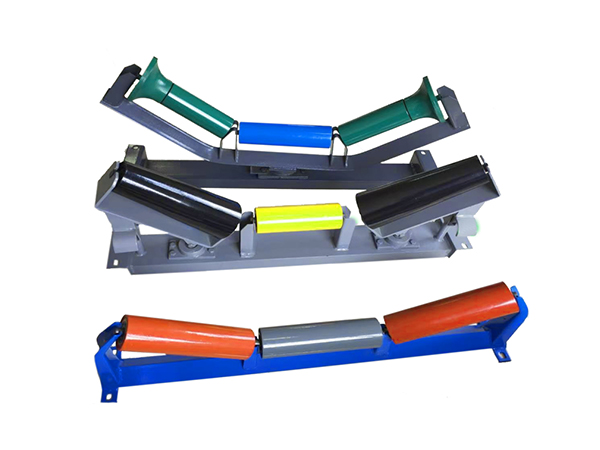
Les rouleaux d'entraînement de la bande transporteuse sont des composants mécaniques chargés de transférer la puissance du système d'entraînement à la bande transporteuse En générant le mouvement de friction et de rotation requis, ils permettent à la bande de déplacer les matériaux d'un endroit à un autre.
Contrairement aux simples rouleaux de support, les rouleaux d'entraînement affectent directement les performances de l'ensemble du système de convoyeur. Leur conception, leur traitement de surface, leur sélection de matériau et leur intégration avec le mécanisme d'entraînement influencent tous l'efficacité opérationnelle.
Dans les applications industrielles, les rouleaux d'entraînement de la bande transporteuse sont couramment utilisés dans :
- Lignes de production manufacturière
- Systèmes d'entreposage et de logistique
- Exploitation minière et manutention de matériaux en vrac
- Opérations d'emballage
- Industries alimentaires et de transformation
- Systèmes de tri automatisés
Un système de convoyage fiable dépend de la coordination de plusieurs composants Les fournisseurs professionnels fournissent souvent complet solutions d'équipement de convoyage qui prennent en compte la structure de l'équipement, les exigences d'application et les conditions opérationnelles plutôt que de se concentrer uniquement sur des pièces individuelles.
Les principales fonctions des rouleaux d'entraînement des bandes transporteuses sont notamment
| Fonction | Impact sur les performances du convoyeur |
|---|---|
| Transmission de puissance | Assure un mouvement stable de la courroie |
| Manutention de charge | Prend en charge le transport continu de matériaux |
| Contrôle de vitesse | Maintient l'efficacité de production requise |
| Support d'alignement de ceinture | Réduit les problèmes opérationnels |
| Fiabilité du système | Améliore les performances des équipements à long terme |
Étant donné que les rouleaux d'entraînement fonctionnent sous contrainte mécanique continue, leur qualité a un impact direct sur la durée de vie du convoyeur et la stabilité de la production.
L'importance croissante de rouleaux d'entraînement de bande transporteuse efficaces
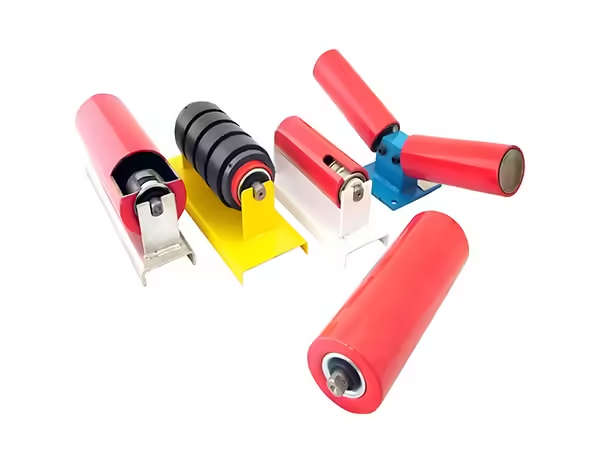
L'efficacité est devenue l'une des considérations les plus importantes dans la conception d'équipements industriels Les entreprises ont de plus en plus besoin de systèmes de convoyeurs pouvant fonctionner en continu tout en réduisant la consommation d'énergie et les demandes de maintenance.
Les rouleaux d'entraînement des bandes transporteuses contribuent à l'efficacité sous plusieurs aspects :
Transmission de puissance améliorée
Un rouleau d'entraînement bien conçu permet un meilleur contact entre la surface du rouleau et la bande transporteuse, réduisant ainsi les glissements inutiles et améliorant l'utilisation de l'énergie.
Perte mécanique réduite
Des composants mal conçus peuvent augmenter la friction, les vibrations et l'usure. Des rouleaux d'entraînement de haute qualité aident à minimiser ces problèmes en maintenant un fonctionnement plus fluide.
Stabilité de production améliorée
Dans les environnements de production automatisés, même de petites interruptions du convoyeur peuvent affecter l'ensemble du flux de travail. Des rouleaux d'entraînement fiables aident à maintenir un mouvement constant des matériaux.
Selon des études industrielles sur les performances du système de convoyeur, la réduction de la résistance mécanique et l'amélioration de l'efficacité des composants sont des approches importantes pour réduire les pertes opérationnelles des équipements de manutention.
Tendances technologiques Transformer les rouleaux d'entraînement de bande transporteuse
Le développement des systèmes de convoyeurs est étroitement lié aux progrès de la construction mécanique, de l'automatisation et de la conception industrielle Plusieurs tendances influencent l'orientation future des rouleaux d'entraînement des bandes transporteuses.
Surveillance intelligente et analyse de l'état
Les systèmes industriels modernes utilisent de plus en plus de capteurs et de technologies de surveillance pour suivre les performances des équipements Ces technologies permettent aux opérateurs d'identifier les conditions anormales avant que des défaillances graves ne surviennent.
Pour les systèmes d'entraînement des convoyeurs, la surveillance peut aider à évaluer
- Température du rouleau
- Niveaux de vibration
- Vitesse d'opération
- Conditions de tension de la ceinture
- Usure des composants
Cette approche soutient les stratégies de maintenance prédictive et permet de réduire les temps d'arrêt inattendus.
Conceptions de convoyeurs économes en énergie
L'efficacité énergétique est devenue un objectif majeur du développement d'équipements. Les rouleaux d'entraînement avec des conceptions optimisées peuvent réduire la consommation d'énergie en améliorant l'efficacité mécanique et en réduisant les résistances inutiles.
Les fabricants prennent de plus en plus en compte les performances complètes du cycle de vie des composants du convoyeur plutôt que uniquement leurs spécifications techniques initiales.
Développement de systèmes de convoyeurs modulaires
Les conceptions modulaires permettent d'ajuster les systèmes de convoyage en fonction de l'évolution des exigences de production Les composants flexibles du convoyeur facilitent l'expansion des lignes de production, remplacent les pièces endommagées et améliorent l'adaptabilité du système.
Facteurs clés à prendre en compte lors de la sélection des rouleaux d'entraînement de la bande transporteuse
Le choix des bons rouleaux d'entraînement de la bande transporteuse nécessite une évaluation minutieuse des conditions de fonctionnement et des exigences en matière d'équipement. Différentes applications peuvent nécessiter différentes conceptions de rouleaux.
Exigences de capacité de charge
La première considération est le poids et le type de matériaux transportés Les applications lourdes nécessitent des structures plus solides et des capacités portantes plus élevées.
Parmi les facteurs importants, citons
- Poids matériel
- Vitesse du convoyeur
- Heures d'ouverture
- Conditions d'impact
- Distance de transport
Un rouleau d'entraînement qui ne convient pas à la charge requise peut subir une usure excessive et des performances réduites.
Matériau de surface et durabilité
La surface d'un rouleau d'entraînement affecte directement le frottement et le mouvement de la courroie Différents environnements de travail peuvent nécessiter différents traitements de surface.
Par exemple:
- Les surfaces en caoutchouc peuvent améliorer l'adhérence
- Les surfaces en acier peuvent offrir une durabilité plus élevée
- Les revêtements spécialisés peuvent améliorer la résistance contre des conditions spécifiques
La sélection du bon matériau de surface permet d'améliorer le suivi de la bande et de réduire les besoins de maintenance.
Compatibilité avec les systèmes de convoyeurs
Les rouleaux d'entraînement doivent correspondre à la structure du convoyeur, aux spécifications de la bande et au mécanisme d'entraînement. Une compatibilité appropriée garantit un fonctionnement plus fluide et évite les contraintes mécaniques inutiles.
Les entreprises évaluant des systèmes de convoyeurs complets envisagent souvent composants de convoyeurs industriels dans le cadre d'une solution d'équipement intégrée plutôt que de sélectionner des pièces individuelles séparément.
Comment les rouleaux d'entraînement de bande transporteuse de qualité améliorent les performances opérationnelles
La qualité des rouleaux d'entraînement des bandes transporteuses influence directement la productivité et la fiabilité des équipements.
Les rouleaux d'entraînement de haute qualité offrent plusieurs avantages :
Meilleur contrôle de la ceinture
Les performances stables des rouleaux aident à maintenir un mouvement approprié de la courroie et réduisent les problèmes tels que le glissement ou le transport irrégulier.
Durée de vie plus longue du service d’équipement
Des matériaux durables et une fabrication précise réduisent l'usure des rouleaux et des bandes transporteuses.
Exigences de maintenance inférieures
Les composants fiables nécessitent moins d'ajustements et de remplacements, ce qui aide les entreprises à maintenir des opérations de production plus fluides.
Dans les environnements industriels, la fiabilité des équipements est étroitement liée à l'efficacité de la production Un système de convoyage qui fonctionne de manière cohérente permet de réduire les interruptions et d'améliorer le flux de travail global.
Applications des rouleaux d'entraînement de bande transporteuse dans différentes industries
Les rouleaux d'entraînement de bande transporteuse sont utilisés dans de nombreuses industries car ils assurent un transport efficace et continu des matériaux.
Applications de fabrication
Dans les installations de fabrication, les convoyeurs sont utilisés pour déplacer les composants entre les étapes de production Des rouleaux d'entraînement fiables aident à maintenir un mouvement constant et prennent en charge les flux de travail automatisés.
Logistique et entreposage
Les opérations logistiques modernes dépendent de systèmes de convoyeurs pour le tri, le transport et l'organisation des matériaux. Des rouleaux d'entraînement efficaces contribuent à un flux de matériaux plus rapide et plus fiable.
Applications industrielles lourdes
Les industries manipulant des matériaux en vrac nécessitent des composants de convoyeur capables de fonctionner dans des conditions exigeantes. Des rouleaux d'entraînement solides aident à maintenir les performances sous des charges continues.
Chaque application nécessite une sélection minutieuse de l'équipement car les environnements d'exploitation peuvent varier considérablement.
Stratégies de maintenance pour étendre les performances des rouleaux d'entraînement de la bande transporteuse
Un bon entretien est essentiel pour maximiser la durée de vie des composants du convoyeur.
Les pratiques d'entretien recommandées comprennent notamment
Inspection régulière
Les opérateurs doivent vérifier régulièrement:
- État de surface du rouleau
- Bruit anormal
- Changements de vibrations
- Alignement de la ceinture
- Conditions de connexion
La détection précoce des problèmes peut prévenir les pannes d’équipements plus importantes.
Nettoyage adéquat
L'accumulation de matériaux autour des rouleaux peut affecter les performances Un nettoyage régulier aide à maintenir une rotation douce et réduit la résistance inutile.
Évaluation opportune des composants
Même les composants durables subissent une usure au fil du temps L'évaluation périodique permet de déterminer si des ajustements ou des remplacements sont nécessaires.
Une approche de maintenance proactive améliore la fiabilité et prend en charge la production continue.
Orientation future du développement des rouleaux d'entraînement de bande transporteuse
L'avenir des rouleaux d'entraînement des bandes transporteuses continuera de se concentrer sur l'efficacité, la durabilité et le fonctionnement intelligent.
Plusieurs développements devraient influencer les systèmes futurs :
Intégration accrue de l'automatisation
Davantage de systèmes de convoyeurs intégreront des technologies de surveillance numérique et de contrôle automatisé pour améliorer la gestion opérationnelle.
Ingénierie des matériaux améliorée
Les matériaux et les techniques de fabrication avancés aideront à créer des composants plus solides, plus légers et plus durables.
Une plus grande capacité de personnalisation
Différentes industries ont des exigences de transport uniques Les solutions futures de convoyeurs se concentreront de plus en plus sur des conceptions personnalisées qui correspondent à des conditions de production spécifiques.
L'évolution de la technologie des convoyeurs reflète le mouvement plus large vers des opérations industrielles plus intelligentes et plus efficaces.
Erreurs courantes lors de la sélection des rouleaux d'entraînement de la bande transporteuse
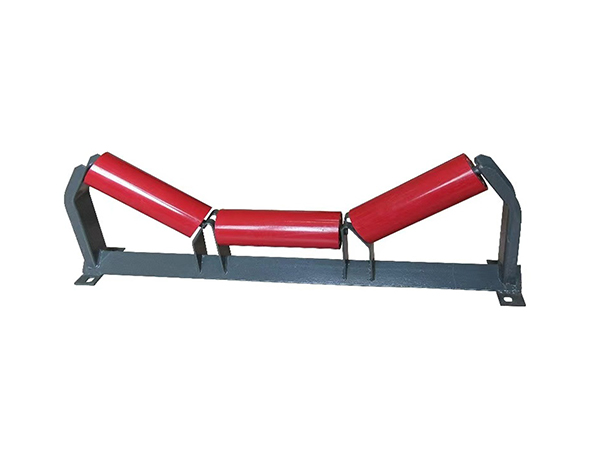
Bien que les rouleaux d'entraînement puissent paraître simples, une sélection incorrecte peut créer des problèmes de fonctionnement.
Les erreurs courantes incluent :
Ignorer les conditions d’application
La sélection des rouleaux sans tenir compte de la charge, de la vitesse et de l'environnement de travail peut entraîner une réduction des performances.
Se concentrer uniquement sur les spécifications initiales
Les paramètres techniques ne représentent pas toujours à eux seuls la fiabilité à long terme La qualité de fabrication et la compatibilité du système sont tout aussi importantes.
Négliger les exigences de maintenance
Même les composants de haute qualité nécessitent un entretien approprié pour atteindre leur durée de vie prévue.
Une approche d'évaluation complète aide les entreprises à sélectionner des rouleaux d'entraînement de bande transporteuse qui offrent des performances stables dans le temps.
Conclusion
Les rouleaux d'entraînement de la bande transporteuse sont des composants essentiels qui déterminent l'efficacité, la fiabilité et la stabilité des systèmes modernes de manutention. Alors que les opérations industrielles continuent d’exiger une production plus rapide, des niveaux d’automatisation plus élevés et une fiabilité améliorée des équipements, le rôle des rouleaux d’entraînement hautes performances devient de plus en plus important.
La sélection des bons rouleaux d'entraînement de la bande transporteuse nécessite plus que l'évaluation des spécifications de base Les entreprises doivent tenir compte des exigences de charge, des environnements de fonctionnement, de la compatibilité de la bande, de la durabilité des matériaux et des besoins de maintenance à long terme Un rouleau d'entraînement bien adapté peut améliorer la transmission de puissance, réduire les problèmes opérationnels et soutenir les processus de production continue.
Le développement futur des systèmes de convoyeurs continuera de se concentrer sur la surveillance intelligente, l'efficacité énergétique et la conception flexible des équipements Les fabricants qui adoptent des technologies avancées de convoyeurs et choisissent des composants fiables peuvent atteindre une meilleure stabilité de production et créer des flux de travail de manutention plus efficaces.
Pour les entreprises qui conçoivent ou mettent à niveau des systèmes de convoyeurs, travailler avec des fournisseurs d'équipements expérimentés et sélectionner des composants de convoyeurs appropriés sont des étapes importantes vers l'amélioration des performances opérationnelles Les bons rouleaux d'entraînement de la bande transporteuse non seulement supportent les exigences actuelles de production mais fournissent également une base pour les futures améliorations de fabrication.
FAQ
À quoi servent les rouleaux d'entraînement de la bande transporteuse
Les rouleaux d'entraînement de la bande transporteuse sont utilisés pour transférer la puissance aux bandes transporteuses et contrôler le mouvement des matériaux. Ils fournissent la force de rotation nécessaire au transport de produits, de composants ou de matériaux en vrac via des systèmes de manutention industriels.
Comment les rouleaux d'entraînement de bande transporteuse améliorent-ils les performances du
Les rouleaux d'entraînement de bande transporteuse de haute qualité améliorent les performances en fournissant une transmission de puissance stable, en réduisant le glissement de la bande, en soutenant un mouvement constant et en aidant les systèmes de convoyage à fonctionner plus efficacement dans des conditions de travail continues.
Quels facteurs faut-il prendre en compte lors du choix des rouleaux d'entraînement des bandes transporte
Les facteurs importants comprennent la capacité de charge, le matériau du rouleau, la compatibilité de la bande transporteuse, l'environnement de fonctionnement, la vitesse requise et les exigences de maintenance. Une sélection appropriée contribue à améliorer la fiabilité et à réduire les problèmes d’.
À quelle fréquence les rouleaux d'entraînement des bandes transporteuses doivent-ils être
La fréquence de maintenance dépend des conditions de fonctionnement, de la charge de travail et de l'environnement d'application. Des inspections régulières de l'usure des rouleaux, des vibrations, de l'alignement et de l'état de surface aident à identifier les problèmes potentiels.
Quelles industries utilisent les rouleaux d'entraînement de bande transporteuse
Les rouleaux d'entraînement de bande transporteuse sont largement utilisés dans la fabrication, la logistique, l'entreposage, l'emballage, la transformation et les applications industrielles lourdes où le transport continu de matériaux est requis.
 French
  English
  Spanish