
Tabla de contenido
Introducción
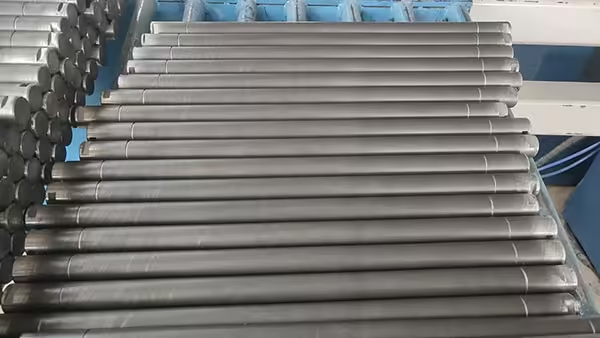
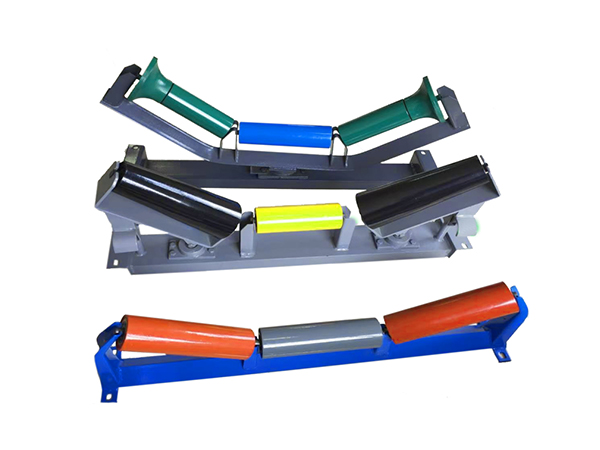
Los rodillos de alta resistencia para sistemas transportadores están diseñados para aplicaciones donde la construcción ordinaria de rodillos puede ya no proporcionar suficiente estabilidad estructural, consistencia rotacional o resistencia a condiciones operativas exigentes. Cargas de material más altas, anchos de trabajo más largos, operación continua, carga de impacto, contaminación y entornos de instalación difíciles pueden aumentar las demandas mecánicas impuestas a un rodillo transportador. Sin embargo, el término “trabajo pesado” debería describir una condición de ingeniería en lugar de simplemente una carcasa de acero de mayor diámetro o más gruesa.
Un rodillo confiable de alta resistencia depende de la relación entre la carcasa, el eje, los cojinetes, los sellos, la estructura de montaje, el espaciado de los rodillos y la precisión de fabricación. Aumentar la resistencia de un componente sin considerar el resto del conjunto puede simplemente mover el punto más débil a otro lugar. Una carcasa más gruesa aún puede funcionar mal si el eje se desvía excesivamente, mientras que un cojinete más grande no puede compensar una geometría de montaje incorrecta o una contaminación persistente.
También se debe considerar el transportador en sí. Los rodillos funcionan como parte de un sistema de soporte conectado, por lo que el ancho de la correa, el material transportado, el espaciado entre rodillos, la velocidad del transportador, la posición de carga, la alineación del marco y el ciclo de trabajo influyen en las fuerzas que actúan sobre cada componente. Por esta razón, los rodillos de servicio pesado para aplicaciones de transportadores deben especificarse a partir de las condiciones de trabajo reales en lugar de seleccionarse de una categoría general de “trabajo pesado”.
Comprender qué cambia realmente entre la construcción de rodillos estándar y de servicio pesado proporciona una mejor base para la selección de equipos. También ayuda a los equipos de mantenimiento a distinguir entre un verdadero problema de capacidad de los rodillos y un problema a nivel del sistema causado por la alineación, la carga, el espaciado o las condiciones ambientales.
¿qué hace que un rodillo transportador sea resistente?
Un rodillo de alta resistencia no está definido por una dimensión. Se entiende mejor como un rodillo cuya construcción completa ha sido diseñada para condiciones de servicio más altas o más exigentes que una aplicación convencional.
En un sistema transportador, el rodillo recibe carga de la correa o material transportado y transfiere esa fuerza a través de la carcasa, los cojinetes, el eje y los puntos de montaje al marco de soporte. Cada parte de esta trayectoria de carga necesita capacidad suficiente para la condición operativa.
Una carga más alta puede requerir cambios en la geometría de la carcasa, la rigidez del eje, la disposición de los cojinetes y la estructura de soporte. El funcionamiento continuo puede poner mayor énfasis en la estabilidad y el sellado de los cojinetes. Un entorno contaminado puede hacer que la protección interna sea más importante que simplemente aumentar el espesor del metal. Los rodillos más largos pueden requerir atención adicional al comportamiento de flexión incluso cuando la carga total no es inusualmente alta.
Por eso se debe definir el “trabajo pesado” por aplicación. Un rodillo utilizado bajo una correa muy cargada puede necesitar un tipo de refuerzo, mientras que un rodillo expuesto a fuertes impactos o contaminación abrasiva puede necesitar una estrategia de construcción diferente.
Por lo tanto, el diseño correcto es aquel que aborda las demandas mecánicas y ambientales reales en lugar del que tiene las mayores dimensiones visibles.
Rodillos de servicio pesado para transportadores versus rodillos estándar
La diferencia entre rodillos estándar y de servicio pesado se vuelve más clara cuando se compara el conjunto completo en lugar de centrarse únicamente en la carcasa.
| Área de diseño | Consideración estándar del rodillo | Consideración de rodillos de servicio pesado |
|---|---|---|
| Carga operativa | Carga moderada y estable | Cargas más altas, concentradas o cambiantes |
| Concha | Soporte estructural general | Mayor rigidez adaptada a la amplitud y la carga |
| Eje | Montaje y soporte estándar | Mayor atención a la deflexión y al espaciado de los cojinetes |
| Aspectos | Carga y velocidad normales | Condiciones de servicio continuo más altas o más exigentes |
| Caza de focas | Control normal de la contaminación | Mayor protección cuando la entrada de polvo o material sea severa |
| Espaciado entre rodillos | Soporte general para transportadores | Cuidadosamente coordinado con una mayor distribución de carga |
| Impacto | Carga dinámica limitada | Mayor atención cerca de áreas de carga o transferencia |
| Fabricación | Control dimensional normal | Fuerte énfasis en el descentramiento, la alineación y la repetibilidad |
| Mantenimiento | Inspección de rutina | Mayor enfoque en patrones de fallas y controles preventivos |
La tabla no significa que cada rodillo de servicio pesado requiera todos los refuerzos posibles. Muestra que un servicio más pesado aumenta la importancia de equilibrar múltiples factores de ingeniería.
Especificar demasiado todos los componentes puede aumentar la complejidad sin resolver el problema real. El diseño debe fortalecer las partes del rodillo que realmente se ven afectadas por la aplicación.
La distribución de carga es el punto de partida para el diseño de rodillos de alta resistencia
El primer paso para evaluar rodillos de servicio pesado para sistemas transportadores es comprender cómo la carga operativa llega a los rodillos. La capacidad total del transportador por sí sola no describe la fuerza experimentada por un componente.
En una cinta transportadora, el material transportado se distribuye a través de la cinta y se transfiere a múltiples posiciones de rueda guía. El espaciado entre rodillos, la geometría del canal, el ancho de la correa y la distribución del material determinan cuánta carga llega a cada ubicación de soporte. Si el material se concentra hacia un lado o ingresa al transportador de manera desigual, los rodillos individuales pueden experimentar cargas diferentes incluso dentro del mismo conjunto de ruedas guía.
También es necesario considerar las fuerzas dinámicas. El material que ingresa a un transportador en una zona de carga puede crear un impacto diferente de la carga relativamente estable que se encuentra más adelante a lo largo de la sección de transporte. Los arranques, paradas o sobretensiones repentinas del material también pueden cambiar las fuerzas transmitidas a través de los rodillos.
Por lo tanto, un diseño resistente debería basarse en un patrón de carga realista y no sólo en una cifra de peso promedio. Comprender dónde se producen las mayores fuerzas permite determinar si la carcasa, el eje, los cojinetes, el espaciado de los rodillos o el marco de soporte necesitan capacidad adicional.
Este enfoque basado en aplicaciones es más confiable que simplemente aumentar el diámetro del rodillo en todo el transportador.
El diámetro, el espesor y la longitud de la carcasa deben funcionar como una sola estructura
La carcasa forma el cuerpo giratorio principal del rodillo y soporta directamente la correa o carga transportada. Su diámetro y espesor de pared influyen en la rigidez, pero estas dimensiones sólo tienen significado cuando se consideran junto con la longitud del rodillo y la posición del rodamiento.
Un rodillo más largo crea una mayor extensión sin soporte entre sus puntos de soporte internos. Bajo la misma condición de carga, esto puede aumentar la importancia de la rigidez de la carcasa y el comportamiento del eje. Por lo tanto, un rodillo más corto de idéntico diámetro y espesor de pared puede funcionar de manera diferente incluso si ambos utilizan el mismo material.
Aumentar el diámetro de la carcasa puede mejorar la geometría estructural y proporcionar más espacio para los componentes internos, pero también cambia la masa giratoria y las dimensiones de instalación del rodillo. El aumento del espesor de la pared puede mejorar la resistencia de la carcasa a la deformación, pero no puede corregir un eje que es demasiado flexible para el espaciado de los cojinetes.
La construcción de rodillos transportadores por lo tanto, debe adaptarse a la longitud del rodillo, el diseño del eje, los cojinetes, la carga operativa y las condiciones de instalación en lugar de seleccionarse únicamente entre el diámetro.
Para aplicaciones de servicio pesado, la pregunta importante no es simplemente si la carcasa es lo suficientemente gruesa. Es si la carcasa permanece estable como parte del conjunto completo del rodillo bajo la carga esperada.
La rigidez del eje se vuelve más importante a medida que aumentan las cargas
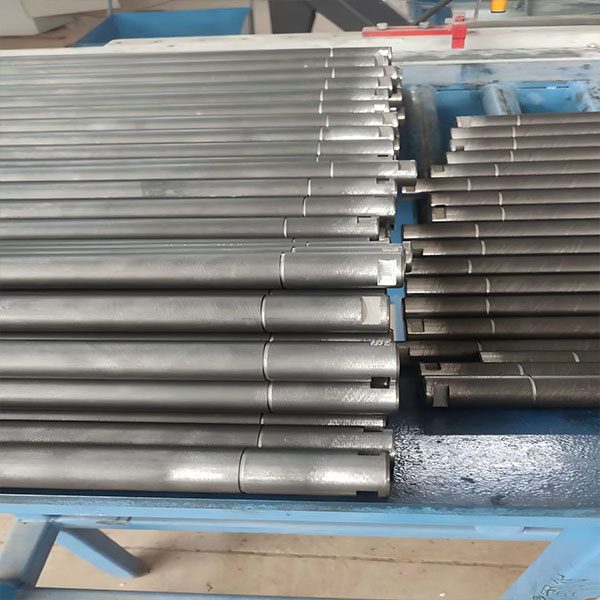
El eje transfiere fuerzas operativas desde los cojinetes al marco del transportador. En aplicaciones de servicio pesado, su rigidez puede convertirse en uno de los factores más importantes que controlan el comportamiento del rodillo.
Si el eje se dobla excesivamente bajo carga, las posiciones de los rodamientos pueden moverse entre sí. Esto cambia la geometría interna del rodillo y puede crear una carga desigual en el rodamiento o una mayor resistencia a la rotación. La carcasa puede ser estructuralmente fuerte mientras que el rodillo completo aún funciona mal porque el eje no es suficientemente estable.
El diámetro del eje es importante, pero la geometría incluye más que el diámetro. El espaciado entre rodamientos, la longitud de montaje, las secciones escalonadas, las partes planas, las ranuras, las ranuras, las roscas y otras características pueden influir en el comportamiento estructural o la compatibilidad de la instalación.
La relación entre el eje y el bastidor del transportador también merece atención. Un eje resistente instalado en soportes que no proporcionan el soporte adecuado no puede ofrecer el rendimiento previsto. Los puntos de montaje deben mantener la alineación y transferir la carga correctamente a la estructura de soporte.
Los rodillos de repuesto requieren especial cuidado porque la geometría del extremo del eje debe coincidir con el marco existente. Un rodillo externamente similar puede no ser intercambiable si los detalles de montaje difieren.
Los rodamientos deben coincidir más que la carga nominal
La selección de rodillos de alta resistencia a menudo se centra en el tamaño del rodamiento, pero el rendimiento del rodamiento depende de cómo funciona el conjunto completo. La carga, la velocidad, la alineación del eje, la contaminación, la instalación y el ciclo de trabajo influyen en el comportamiento del rodamiento.
Un rodamiento puede tener suficiente capacidad nominal y aún experimentar problemas si el eje se dobla lo suficiente como para cambiar su alineación. Los contaminantes que llegan al rodamiento también pueden acortar la vida útil confiable incluso cuando la carga mecánica está dentro del rango esperado.
Los transportadores de servicio continuo dan importancia adicional a la consistencia rotacional. Un rodillo que funciona durante largos períodos necesita que los rodamientos mantengan un movimiento predecible en lugar de simplemente sobrevivir a una rotación ocasional.
Por esta razón, los rodillos de alta resistencia para equipos transportadores deben utilizar una disposición de cojinetes que coincida con las condiciones operativas reales. Los cojinetes más grandes no son automáticamente la solución correcta. La posición del rodamiento, el ajuste interno, la relación del eje, el sellado y la calidad del ensamblaje contribuyen al resultado final.
La precisión de la fabricación es especialmente importante porque ambas posiciones de los rodamientos deben permanecer correctamente alineadas. Un rodamiento fuerte instalado en un conjunto inexacto aún puede experimentar una carga desigual.
El sellado se vuelve crítico en entornos exigentes
Muchas aplicaciones de transportadores de alta resistencia también funcionan en entornos donde es difícil evitar el polvo, las partículas finas, la humedad o el transporte de material. Estas condiciones pueden hacer que el sellado sea tan importante como la resistencia estructural.
Un sello protege el área del rodamiento de la contaminación externa y al mismo tiempo permite que el rodillo gire con la resistencia adecuada. El diseño correcto depende de a qué está expuesto el rodillo y de la frecuencia con la que funciona el transportador.
El material fino transportado por el aire crea diferentes requisitos de sellado a partir de desechos más grandes. La exposición a la humedad crea otro conjunto de consideraciones. Los rodillos de retorno pueden encontrar material transportado de regreso a la correa aunque soportan menos carga de material directa que los rodillos de transporte.
Esto significa que la gravedad ambiental y la carga mecánica deben evaluarse por separado. Un rodillo muy cargado en un ambiente limpio y un rodillo moderadamente cargado en un ambiente altamente contaminado pueden requerir diferentes diseños internos.
Por lo tanto, un rodillo de alta resistencia debe diseñarse tanto para la fuerza que soporta como para el entorno en el que deben operar sus rodamientos.
El espaciado entre rodillos puede determinar si es necesaria una construcción de servicio pesado
La capacidad del rodillo nunca debe considerarse separada del espaciado. La distancia entre las posiciones de los rodillos cambia la forma en que se soportan la correa y la carga de material a lo largo del transportador.
Un espaciado más amplio puede aumentar la carga transportada en posiciones de soporte individuales porque hay menos rodillos disponibles debajo de una sección determinada del transportador. También puede cambiar el hundimiento de la correa y la forma en que se transfieren las fuerzas del material a la estructura loca.
Un espaciado más cercano proporciona un soporte más frecuente y puede distribuir la carga en más posiciones. Sin embargo, agregar más rodillos también aumenta la cantidad de componentes giratorios, cojinetes, soportes y puntos de mantenimiento en el sistema.
Esto significa que la solución a una condición de carga alta no siempre es instalar rodillos más fuertes. En algunas situaciones, la geometría del transportador y el espaciado de los rodillos también merecen revisión.
El mejor diseño equilibra la capacidad de los rodillos con la frecuencia de soporte. Por lo tanto, los rodillos de alta resistencia para instalaciones de transportadores deben evaluarse junto con la disposición del transportador en lugar de tratarse como piezas de carga independientes.
La carga por impacto crea diferentes demandas a partir de la carga continua
Un rodillo transportador puede diseñarse para una carga sustancial y estable y aun así funcionar mal cuando se expone a impactos repetidos. La carga estática y dinámica crean diferentes condiciones mecánicas.
En una zona de carga o transferencia, el material puede golpear la correa y transferir energía a las ruedas guía de soporte. La fuerza experimentada durante este evento puede diferir considerablemente del peso normal del material después de que la carga se haya asentado.
Esta es la razón por la que las posiciones de impacto a menudo requieren disposiciones de soporte especializadas. El objetivo es gestionar la energía dinámica en lugar de simplemente aumentar el espesor de la carcasa.
Las condiciones de impacto pueden influir en la carcasa del rodillo, el eje, los cojinetes, los soportes y el marco circundante. La propia correa también participa en la distribución de la fuerza.
Por lo tanto, para el diseño de transportadores de servicio pesado, se debe comprender el método de carga antes de seleccionar la construcción del rodillo. El tamaño del material, el comportamiento de caída, la posición de carga y la geometría de transferencia influyen en la gravedad de la condición de impacto.
Un rodillo adecuado para cargas continuas elevadas no es automáticamente el rodillo correcto para el servicio de impactos repetidos.
La precisión de la fabricación es más importante a medida que aumentan las cargas de los rodillos
Los componentes más resistentes no eliminan la necesidad de precisión dimensional. De hecho, cargas más altas pueden hacer que las inconsistencias de fabricación sean más significativas porque la desalineación puede crear mayores fuerzas internas.
La fabricación de rodillos generalmente implica preparación de tubos, mecanizado de ejes, procesamiento relacionado con rodamientos, ensamblaje y, en algunas construcciones, soldadura. Cada etapa influye en la relación entre la carcasa, los cojinetes y el eje.
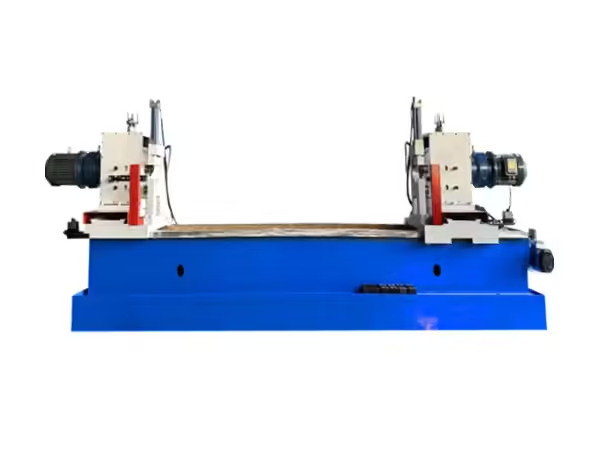
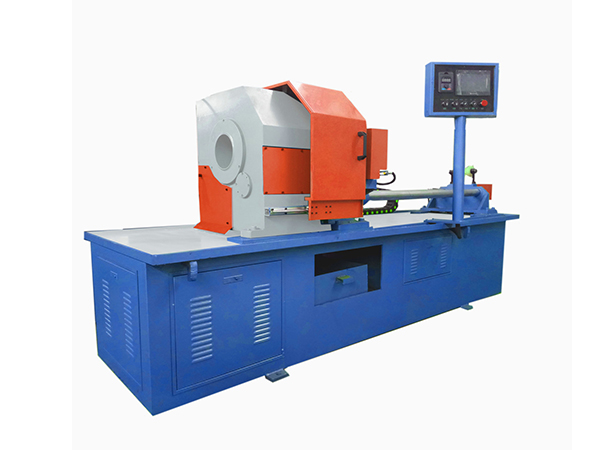
Especializado maquinaria de procesamiento de rodillos transportadores se utiliza para controlar estas etapas recurrentes de producción porque el rendimiento del rodillo terminado depende de la consistencia establecida durante toda la fabricación.
Si las ubicaciones de los rodamientos no están alineadas, un rodamiento de alta resistencia aún puede funcionar en condiciones indeseables. Si las características del eje se colocan de manera inconsistente, puede resultar difícil instalar rodillos de reemplazo. Si la soldadura introduce distorsión, la carcasa externa puede desarrollar un descentramiento adicional incluso cuando el tubo original era geométricamente aceptable.
Por lo tanto, la construcción pesada debería combinarse con la fabricación controlada en lugar de utilizarse como sustituto de ella.
En la producción repetida, se deben inspeccionar varios rodillos para determinar si las dimensiones y el comportamiento rotacional permanecen consistentes en todo el lote. Un rodillo resistente y fabricado con precisión no demuestra que el proceso de producción pueda reproducir el mismo resultado de forma continua.
El agotamiento y la resistencia a la rotación son indicadores funcionales importantes
El descentramiento describe cuánto varía la superficie del rodillo en relación con su eje de rotación previsto. Bajo cargas más altas, mantener una geometría estable del rodillo se vuelve particularmente importante porque la rotación irregular puede influir en el soporte y la vibración de la correa.
El descentramiento puede deberse a la geometría del tubo, la posición del asiento del cojinete, la alineación del eje, la precisión del ensamblaje o la distorsión de la soldadura. Esto significa que no se trata simplemente de una medición de la calidad de la carcasa. Refleja la relación entre varias partes del rodillo terminado.
La resistencia a la rotación proporciona otro indicador útil. Un rodillo estructuralmente fuerte pero difícil de girar puede introducir una resistencia innecesaria en el sistema transportador. La condición del rodamiento, el sellado, la alineación interna, la contaminación y el método de ensamblaje pueden contribuir.
Para aplicaciones de transportadores de servicio pesado, el rodillo ideal no es simplemente el componente con mayor masa o resistencia estructural. También debe girar consistentemente en las condiciones operativas previstas.
Por lo tanto, la inspección funcional añade información que la medición dimensional externa por sí sola no puede proporcionar.
La alineación del marco y el montaje sigue siendo esencial
Los rodillos de alta resistencia para sistemas transportadores todavía dependen del marco de soporte para una instalación correcta. Una construcción de rodillos más resistente no puede compensar soportes de montaje mal colocados o geometría distorsionada del transportador.
Los extremos del eje deben entrar en sus soportes sin verse obligados a adoptar una posición no deseada. Si los puntos de montaje están desalineados, el rodillo puede experimentar fuerzas adicionales del eje y del cojinete incluso antes de aplicar la carga de material.
Los problemas del marco también pueden crear síntomas de mantenimiento engañosos. Las fallas repetidas de los rodamientos pueden llevar a los equipos de mantenimiento a especificar rodamientos más grandes, mientras que la causa real es un soporte que continuamente obliga al rodillo a desalinearse.
El mismo problema puede ocurrir con un desgaste desigual de la carcasa. Una correa que hace contacto más fuerte con un lado del rodillo puede indicar una alineación más amplia del transportador o un problema de carga.
Por esta razón, las fallas repetidas de los rodillos de servicio pesado deberían provocar una inspección de la posición de instalación. La geometría del marco, los soportes de montaje, las ruedas guía adyacentes, el seguimiento de la correa, la acumulación de material y las condiciones de carga deben revisarse antes de cambiar nuevamente la especificación del rodillo.
El servicio pesado no significa que todos los componentes deban ser sobredimensionados
Existe una tendencia común a tratar el diseño de alta resistencia como un proceso para agrandar cada componente. Esto puede crear una complejidad innecesaria sin abordar la limitación operativa real.
Si la contaminación causa fallas en los cojinetes, aumentar el espesor de la carcasa no resolverá el problema. Si la deflexión del eje afecta la alineación, instalar una carcasa aún más pesada puede aumentar la carga transportada por ese eje. Si la geometría del marco es incorrecta, los cojinetes más fuertes pueden seguir experimentando fuerzas anormales.
Un enfoque de ingeniería más eficaz identifica las condiciones operativas dominantes y refuerza las partes relevantes del sistema de rodillos.
| Problema operativo | Área que merece revisión |
| Deformación de la concha | Diámetro, espesor, luz y carga |
| Doblado de ejes | Geometría del eje y espaciado de los rodamientos |
| Fallo repetido del rodamiento | Carga, alineación, contaminación y sellado |
| Alta resistencia rotacional | Rodamientos, juntas y alineación interna |
| Inestabilidad del cinturón | Desviación, espaciado y alineación del transportador |
| Daños en la zona de carga | Condiciones de impacto y disposición de apoyo |
| Desgaste desigual | Contacto de correa, alineación de marco y carga |
| Intervalos de reemplazo cortos | Aplicación completa y patrón de falla |
Este enfoque crea un rodillo equilibrado en lugar de uno innecesariamente sobredimensionado.
Cómo especificar rodillos de servicio pesado para sistemas transportadores
Una especificación útil comienza con el transportador en lugar del rodillo. El equipo de diseño debe comprender dónde funcionará el rodillo, qué carga soportará, cómo la correa o el producto entra en contacto con él y qué condiciones ambientales rodean la instalación.
La información importante incluye el tipo de transportador, el ancho de la correa, la posición del rodillo, las cargas normales y cambiantes, el espaciado, la velocidad, la disposición de montaje, las características del material, la exposición a la contaminación y la duración operativa esperada.
Luego se pueden desarrollar las dimensiones del rodillo en torno a esas condiciones. El diámetro y el espesor de la carcasa, la geometría del eje, la construcción del rodamiento, el sellado, la protección de la superficie y las características de montaje deben admitir la misma aplicación.
Para proyectos de reemplazo, los dibujos técnicos son particularmente valiosos porque definen las interfaces que determinan si el rodillo se puede instalar sin modificaciones. Los extremos del eje, la longitud de trabajo, las posiciones de los rodamientos y las dimensiones totales deben confirmarse en lugar de estimarse únicamente a partir de la carcasa visible.
Las especificaciones de servicio pesado también deberían distinguir entre condiciones operativas normales y eventos máximos inusuales. Diseñar en torno a requisitos de servicio realistas proporciona un resultado más útil que aplicar el valor más extremo a cada parte del rodillo.
El fracaso repetido debería conducir a un análisis de la causa raíz
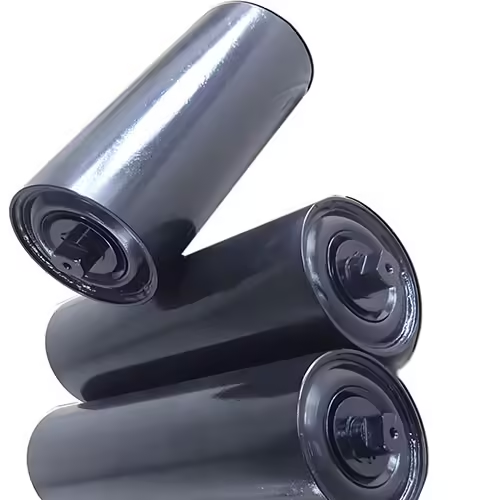
A menudo se selecciona un rodillo de servicio pesado después de que los rodillos estándar comienzan a fallar repetidamente. Esto puede ser apropiado cuando la construcción original realmente carece de capacidad suficiente, pero se debe examinar el historial de fallas antes de cambiar la especificación.
Si el mismo tipo de rodillo funciona de manera confiable en la mayor parte del transportador pero falla repetidamente en una sección, el entorno local probablemente merezca atención. La alineación del marco, la carga de material, la contaminación, el impacto, el estado de la correa y el espaciado de los rodillos pueden contribuir.
La falla del rodamiento puede indicar contaminación o desalineación del eje en lugar de una capacidad de rodamiento inadecuada. El daño del proyectil cerca de una zona de carga puede reflejar condiciones de impacto en lugar de una capacidad de carga normal insuficiente. El desgaste desigual de los rodillos puede apuntar hacia el seguimiento de la correa o la geometría del marco.
Comprender estos patrones permite que el diseño de reemplazo resuelva el problema real.
Simplemente reemplazar un rodillo estándar defectuoso con la opción de servicio pesado más grande disponible puede extender temporalmente el tiempo de operación y dejar sin cambios la causa mecánica original.
Conclusión
Los rodillos de alta resistencia para sistemas transportadores son más efectivos cuando su construcción se adapta a las demandas mecánicas y ambientales específicas de la aplicación. Las cargas más altas pueden requerir una mayor estabilidad de la carcasa y del eje, pero el funcionamiento continuo, el impacto, la contaminación, el espaciado de los rodillos y la geometría del marco pueden ser igualmente importantes. Por lo tanto, el rendimiento de servicio pesado proviene de equilibrar el conjunto completo de rodillos en lugar de aumentar una dimensión visible.
La carcasa necesita mantener su geometría bajo carga mientras el eje transfiere esas fuerzas a la estructura del transportador sin una deflexión excesiva. Los rodamientos y sellos deben soportar una rotación estable bajo la velocidad esperada, el ciclo de trabajo y las condiciones de contaminación, mientras que una fabricación precisa mantiene las posiciones de la carcasa, el eje y los cojinetes trabajando alrededor del mismo eje de rotación. Estas relaciones se vuelven cada vez más importantes a medida que aumentan las demandas operativas.
El transportador circundante también sigue siendo parte del diseño. El espaciado entre rodillos determina cómo se distribuyen las cargas, las zonas de carga pueden crear fuerzas dinámicas y la alineación del montaje puede cambiar el comportamiento del cojinete y del eje incluso antes de que el transportador comience a transportar material. Por lo tanto, las fallas repetidas deben investigarse como evidencia del sistema completo en lugar de tratarse automáticamente como prueba de que se necesita un rodillo más grande.
Un rodillo confiable de servicio pesado es, en última instancia, un conjunto mecánico equilibrado diseñado en torno a condiciones operativas reales. Cuando se evalúan juntas la carga, la geometría, los cojinetes, los sellos, la precisión de fabricación, el espaciado y la instalación, los rodillos de servicio pesado para aplicaciones de transportadores pueden proporcionar un soporte más estable y un rendimiento más predecible en condiciones de servicio industrial exigente.
Preguntas frecuentes
¿qué son los rodillos de alta resistencia para sistemas transportadores?
Los rodillos de servicio pesado para sistemas transportadores son rodillos diseñados para condiciones operativas exigentes, como cargas más altas, servicio continuo, impacto, largos períodos de trabajo o contaminación severa. Su diseño puede requerir cambios en la carcasa, el eje, los cojinetes, los sellos y la estructura de montaje en lugar de simplemente aumentar el diámetro del rodillo.
¿en qué se diferencian los rodillos transportadores de alta resistencia de los rodillos estándar?
La principal diferencia es la condición de ingeniería para la que están diseñados. Los rodillos de alta resistencia ponen mayor énfasis en la rigidez estructural, el soporte del eje, el rendimiento del rodamiento, el sellado, la consistencia de fabricación y los entornos operativos exigentes. La construcción exacta aún debe adaptarse a la aplicación.
¿una carcasa más gruesa siempre hace que un rodillo transportador sea resistente?
No. El espesor de la carcasa contribuye a la estabilidad estructural, pero el rendimiento del rodillo también depende del diámetro, la longitud de trabajo, la rigidez del eje, la posición del rodamiento, la geometría de montaje y la distribución de la carga. El aumento del espesor de la carcasa por sí solo puede no mejorar la confiabilidad si otra parte del conjunto del rodillo es la limitación real.
¿qué causa que los rodillos transportadores de alta resistencia fallen prematuramente?
Las fallas prematuras pueden deberse a sobrecarga, impacto, contaminación, desalineación de los cojinetes, deflexión del eje, sellado deficiente, geometría incorrecta del marco, acumulación de material o espaciado inadecuado de los rodillos. Las fallas repetidas en la misma posición deberían desencadenar la inspección del transportador circundante en lugar de solo del rodillo.
¿cómo se deben seleccionar rodillos de alta resistencia para aplicaciones de transportadores?
La selección debe comenzar con el tipo de transportador, la posición del rodillo, la carga, el ancho de la correa, el espaciado, la velocidad, las condiciones de impacto, la geometría de montaje, la contaminación y el ciclo de trabajo. Estas condiciones operativas se pueden utilizar para determinar las dimensiones adecuadas de la carcasa, el diseño del eje, los cojinetes, los sellos, las superficies y los requisitos de inspección.
 Spanish
  English
  French