
Tabla de contenido
Introducción
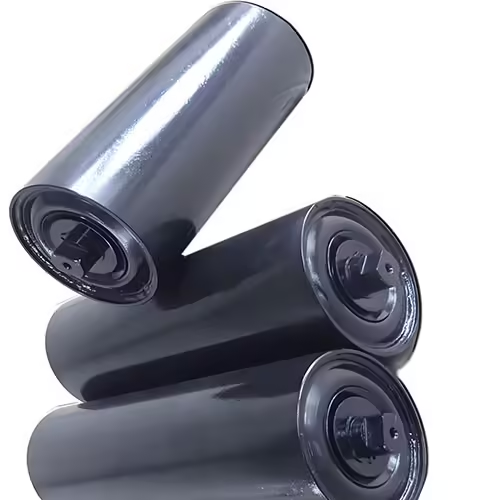
El manejo eficiente de materiales es una parte fundamental de la producción industrial moderna. Ya sea transportando componentes a través de líneas de fabricación, moviendo productos a través de áreas de procesamiento o apoyando operaciones logísticas automatizadas, los sistemas transportadores ayudan a las empresas a mejorar la eficiencia del flujo de trabajo y mantener procesos de producción estables.
Entre los muchos componentes que influyen en el rendimiento de los transportadores, los rodillos para transportadores juegan un papel fundamental. Estos rodillos soportan el movimiento de la cinta, mantienen un transporte suave, reducen la fricción y ayudan a que los sistemas transportadores funcionen de manera confiable en diferentes condiciones de trabajo.
Aunque los rodillos transportadores pueden parecer componentes mecánicos simples, su diseño y calidad afectan directamente el rendimiento general de un sistema transportador. Los rodillos mal seleccionados pueden provocar un mayor desgaste, un movimiento inestable de la correa, mayores requisitos de mantenimiento y una menor eficiencia de producción.
Los rodillos de alta calidad para transportadores están diseñados de acuerdo con requisitos operativos específicos, incluida la capacidad de carga, la velocidad del transportador, las características del material y el entorno de trabajo. Al seleccionar rodillos adecuados e integrarlos en un sistema transportador bien diseñado, los fabricantes pueden mejorar la confiabilidad del equipo y crear procesos de manipulación de materiales más eficientes.
Comprender la importancia de los rodillos para transportadores en sistemas de manipulación de materiales
Los rodillos para transportadores son componentes mecánicos que soportan y guían las cintas transportadoras durante el transporte de materiales. Reducen la resistencia entre la cinta y la estructura del transportador y al mismo tiempo ayudan a mantener un movimiento estable.
En un sistema transportador, los rodillos realizan varias funciones importantes:
| Función de rodillo | Impacto en el rendimiento del transportador |
|---|---|
| Suportă bandele transportului | Mantiene un funcionamiento estable de la correa |
| Reducir la fricción | Mejora la eficiencia energética |
| Movimiento de material guía | Ayuda a prevenir la desviación del cinturón |
| Soportar cargas pesadas | Aumenta la confiabilidad del sistema |
| Mejora de la estabilidad del cinturón | Reduce las interrupciones operativas |
Un sistema transportador completo depende de la cooperación de múltiples componentes, incluidas correas, marcos, unidades de transmisión y rodillos. Los proveedores profesionales suelen ofrecer información integrada soluciones de equipos transportadores eso considera todo el diseño del sistema en lugar de centrarse únicamente en piezas individuales.
El rendimiento de los rodillos influye directamente:
- Estabilidad operativa del transportador
- Vida útil del equipo
- Frecuencia de mantenimiento
- Eficiencia en el transporte de materiales
Para aplicaciones industriales, elegir los rodillos correctos es un paso importante para garantizar que los sistemas transportadores puedan funcionar de forma continua y eficaz.
Diferentes tipos de rodillos para transportadores y sus aplicaciones
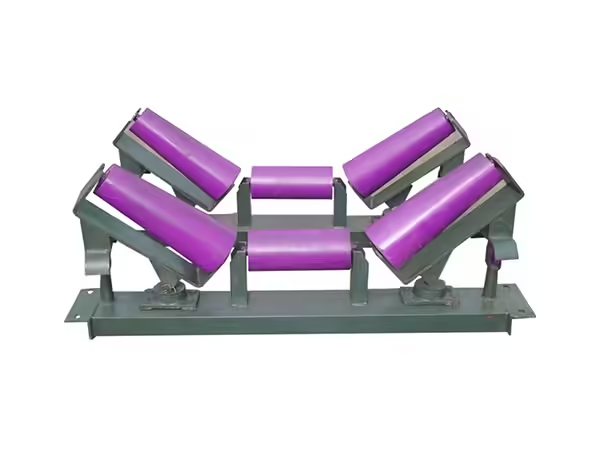
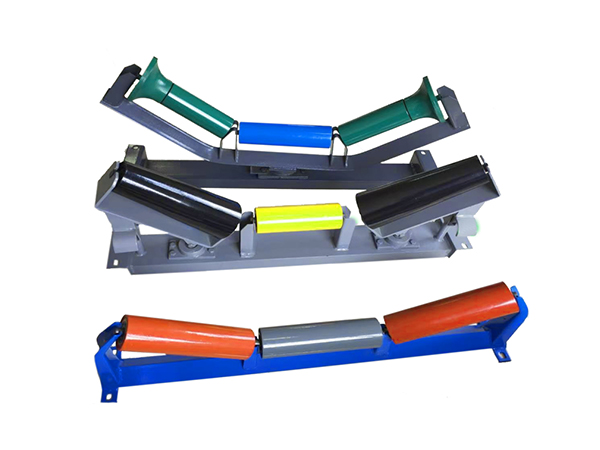
Las diferentes industrias tienen diferentes requisitos de transporte, lo que significa que los rodillos transportadores están disponibles en varios diseños y materiales. Seleccionar el tipo de rodillo correcto depende de factores como las condiciones de carga, la estructura de la correa, las propiedades del material y el entorno operativo.
Rodillos portadores
Los rodillos de transporte se utilizan principalmente para soportar la sección cargada de cintas transportadoras. Ayudan a mantener la forma de la cinta y garantizan un transporte estable cuando los materiales se mueven a través del transportador.
Estos rodillos se utilizan comúnmente en aplicaciones donde se requiere un movimiento continuo del material.
Rodillos de retorno
Los rodillos de retorno soportan el lado vacío de la cinta transportadora después de que se hayan descargado los materiales. Su función principal es mantener la alineación de la cinta y reducir el hundimiento innecesario.
Rodillos de impacto
Los rodillos de impacto están diseñados para áreas donde se cargan materiales en cintas transportadoras. Su estructura ayuda a absorber las fuerzas del impacto y proteger el sistema transportador de tensiones excesivas.
Rodillos impulsores
Los rodillos impulsores transfieren energía a la cinta transportadora y desempeñan un papel importante en el control del movimiento de la cinta. Su diseño de superficie y características de fricción influyen directamente en el rendimiento del transportador.
Cada tipo de rodillo tiene un propósito específico y seleccionar la combinación adecuada ayuda a crear un sistema transportador más confiable.
Cómo los rodillos de alta calidad mejoran el rendimiento del transportador
La calidad de los rodillos para transportadores tiene un impacto directo en la eficiencia operativa. Los rodillos de alta calidad están diseñados para proporcionar un rendimiento estable incluso en condiciones de trabajo continuo.
Mejora de la estabilidad del movimiento del cinturón
Un rodillo bien diseñado ayuda a mantener un movimiento suave de la correa y reduce problemas como vibraciones, desalineación y transporte desigual.
El movimiento estable de la correa es especialmente importante en entornos de producción automatizados donde interrupciones inesperadas pueden afectar todo el flujo de trabajo.
Reducir la resistencia mecánica
Los rodillos con una fabricación precisa y cojinetes adecuados pueden reducir la fricción innecesaria. Una menor resistencia ayuda a mejorar la eficiencia energética y reduce la tensión sobre otros componentes del transportador.
Ampliación de la vida útil del equipo
Los rodillos duraderos reducen el desgaste de las cintas transportadoras y las estructuras de soporte. Esto ayuda a los fabricantes a mantener un rendimiento más confiable del equipo durante períodos operativos más prolongados.
Un sistema transportador con rodillos correctamente seleccionados requiere menos ajustes y experimenta menos problemas de mantenimiento inesperados.
Factores clave a considerar al seleccionar rodillos para transportadores
Elegir rodillos adecuados requiere una evaluación cuidadosa del entorno de trabajo y los requisitos operativos. Diferentes aplicaciones pueden requerir diferentes diseños de rodillos.
Capacidad de carga
Los requisitos de carga son uno de los factores más importantes a la hora de seleccionar los rodillos transportadores.
Los fabricantes deberían evaluar:
- Peso material
- Velocidad de funcionamiento del transportador
- Frecuencia de transporte
- Condiciones de impacto
- Duración del trabajo
El uso de rodillos con capacidad de carga insuficiente puede provocar un desgaste prematuro y reducir la fiabilidad del transportador.
Material del rodillo y diseño de superficies
El material del rodillo afecta la durabilidad, el rendimiento de fricción y la resistencia a las condiciones ambientales.
Las consideraciones comunes incluyen:
- Construcción de acero para aplicaciones exigentes
- Superficies recubiertas para un mejor agarre
- Materiales especializados para entornos de trabajo específicos
La correcta selección de materiales ayuda a mejorar el rendimiento y reducir los requisitos de mantenimiento.
Calidad del rodamiento
Los rodamientos son componentes esenciales dentro de los rodillos transportadores. Los rodamientos de alta calidad permiten una rotación más suave y reducen la resistencia mecánica.
Las consideraciones importantes sobre rodamientos incluyen:
- Capacidad de carga
- Eficiencia de rotación
- Protección contra polvo y contaminantes
- Requisitos de mantenimiento
Un sistema de rodamientos confiable mejora el rendimiento del rodillo y contribuye a la estabilidad general del transportador.
El papel de los rodillos en la mejora de la eficiencia de fabricación
La fabricación moderna depende de sistemas de transporte internos eficientes. Los sistemas transportadores equipados con rodillos confiables para transportadores ayudan a las empresas a optimizar el movimiento de materiales y mejorar los flujos de trabajo de producción.
Beneficiile includ:
Transporte de materiales más rápido
Los rodillos eficientes permiten que las cintas transportadoras muevan materiales sin problemas, lo que reduce los retrasos entre las etapas de producción.
Reducción de las interrupciones de la producción
Los rodillos confiables disminuyen la posibilidad de fallas en el transportador causadas por un desgaste excesivo o una mala alineación.
Mejor organización del flujo de trabajo
Un sistema transportador estable ayuda a los fabricantes a crear procesos de producción más organizados al garantizar un movimiento predecible del material.
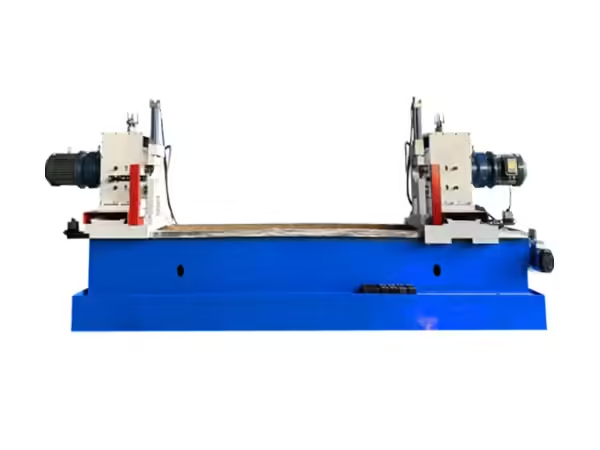
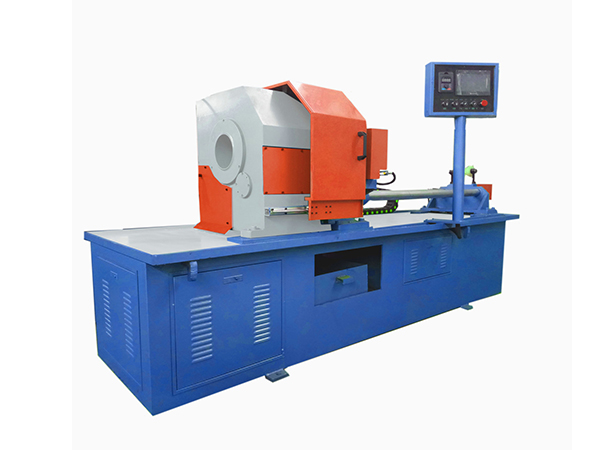
Para empresas que evalúan soluciones de equipos industriales, maquinaria de fabricación y procesamiento proporciona una base importante para mejorar las capacidades de producción y respaldar diferentes aplicaciones industriales.
Prácticas de mantenimiento para extender la vida útil de los rodillos transportadores
El mantenimiento adecuado es esencial para mantener el rendimiento del transportador. Incluso los rodillos de alta calidad requieren inspecciones y cuidados regulares para lograr su vida útil esperada.
Inspección regular
Los operadores deben revisar periódicamente los rodillos transportadores para ver:
- Ruido inusual
- Daño superficial
- Problemas de rotación
- Problemas de alineación de la correa
- Vibración excesiva
La identificación temprana de problemas ayuda a prevenir fallas más grandes en los equipos.
Limpieza y Gestión Ambiental
El polvo, la acumulación de material y los contaminantes pueden afectar el rendimiento del rodillo. La limpieza regular ayuda a mantener un funcionamiento suave y reduce el desgaste innecesario.
Reemplazo oportuno
Los rodillos desgastados deben evaluarse y reemplazarse cuando sea necesario. Continuar utilizando rodillos dañados puede afectar el rendimiento de la correa y aumentar la tensión en otros componentes.
Una estrategia de mantenimiento proactivo mejora la confiabilidad del transportador y respalda la producción continua.
Desarrollo tecnológico y tendencias futuras de los sistemas transportadores
La tecnología de los transportadores continúa desarrollándose a medida que las industrias exigen mayor eficiencia, automatización y confiabilidad. Los rodillos para transportadores también están evolucionando para admitir sistemas de manipulación de materiales más inteligentes y eficientes.
Las tendencias modernas de desarrollo de transportadores incluyen:
Monitoreo inteligente
Los sensores y los sistemas de monitoreo digital se utilizan cada vez más para rastrear las condiciones de los equipos e identificar problemas potenciales antes de que ocurran fallas.
Diseños energéticamente eficientes
Los fabricantes se están centrando en reducir la resistencia operativa y mejorar la eficiencia de los componentes. Mejores diseños de rodillos pueden contribuir a reducir el consumo de energía y mejorar el rendimiento del sistema.
Soluciones de transportadores flexibles
Los futuros sistemas transportadores requerirán una mayor adaptabilidad para soportar los cambiantes requisitos de producción.
El desarrollo del cinta transportadora el sistema ha desempeñado un papel importante en el transporte industrial y las mejoras continuas en los componentes del transportador seguirán respaldando métodos de producción más eficientes.
Errores comunes al elegir rodillos para transportadores
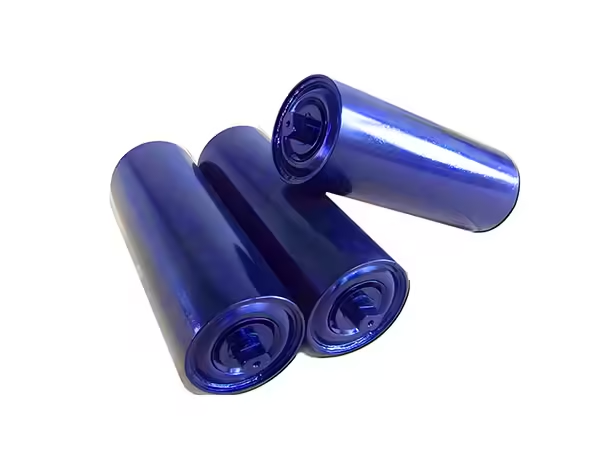
Seleccionar rodillos transportadores sin una evaluación adecuada puede crear desafíos operativos a largo plazo.
Elegir basándose únicamente en el tamaño
Las dimensiones de los rodillos son importantes, pero otros factores como la capacidad de carga, el material y las condiciones operativas son igualmente críticos.
Ignorar el entorno laboral
Diferentes entornos pueden exponer los rodillos al polvo, la humedad, los cambios de temperatura o cargas pesadas. El diseño del rodillo debe adaptarse a estas condiciones.
Pasando por alto los requisitos de mantenimiento
Un diseño de bajo mantenimiento puede mejorar significativamente la confiabilidad del equipo a largo plazo. Los fabricantes deben considerar las necesidades de mantenimiento durante el proceso de selección.
Una evaluación completa ayuda a las empresas a elegir rodillos que proporcionen mejor rendimiento y confiabilidad.
Conclusión
Los rodillos para transportadores son componentes esenciales que influyen en la eficiencia, estabilidad y confiabilidad de los sistemas de manipulación de materiales. Aunque a menudo se consideran piezas mecánicas simples, su calidad y diseño tienen un impacto significativo en el rendimiento del transportador.
Seleccionar los rodillos adecuados requiere considerar múltiples factores, incluida la capacidad de carga, la selección de materiales, la calidad de los rodamientos, el entorno operativo y los requisitos de mantenimiento. Los rodillos transportadores bien diseñados ayudan a reducir la fricción, mejorar la estabilidad de la correa y respaldar las operaciones de producción continuas.
A medida que los sistemas de fabricación y logística sigan avanzando hacia la automatización y una mayor eficiencia, la importancia de componentes transportadores confiables seguirá creciendo. Las empresas que invierten en rodillos adecuados para transportadores pueden mejorar el rendimiento del equipo, reducir los problemas operativos y construir sistemas de manipulación de materiales más eficaces.
Al combinar la selección adecuada de equipos con mantenimiento regular y soporte técnico profesional, las empresas pueden lograr procesos de producción más estables y crear valor a largo plazo a partir de sus sistemas transportadores.
Preguntas frecuentes
¿para qué se utilizan los rodillos para transportadores?
Los rodillos para transportadores soportan y guían las cintas transportadoras durante el transporte de materiales. Reducen la fricción, mantienen la estabilidad de la correa y ayudan a que los sistemas transportadores funcionen de manera eficiente en diferentes aplicaciones industriales.
¿cómo elijo los rodillos adecuados para transportadores?
Los rodillos adecuados dependen de la capacidad de carga, la velocidad del transportador, las características del material, el entorno operativo y los requisitos de mantenimiento. La selección adecuada garantiza un mejor rendimiento y una vida útil más larga.
¿por qué son importantes los rodillos transportadores de alta calidad?
Los rodillos transportadores de alta calidad mejoran la estabilidad del movimiento de la correa, reducen la resistencia mecánica, minimizan las necesidades de mantenimiento y ayudan a mantener operaciones de producción confiables.
¿qué tipos de rodillos se utilizan en los sistemas transportadores?
Los tipos comunes incluyen rodillos portadores, rodillos de retorno, rodillos de impacto y rodillos impulsores. Cada tipo cumple una función diferente dentro de un sistema transportador.
¿cómo puede el mantenimiento del rodillo transportador mejorar el rendimiento?
La inspección, limpieza y reemplazo periódicos ayudan a prevenir fallas, reducir el tiempo de inactividad y extender la vida útil de los sistemas transportadores.
 Spanish
  English
  French