
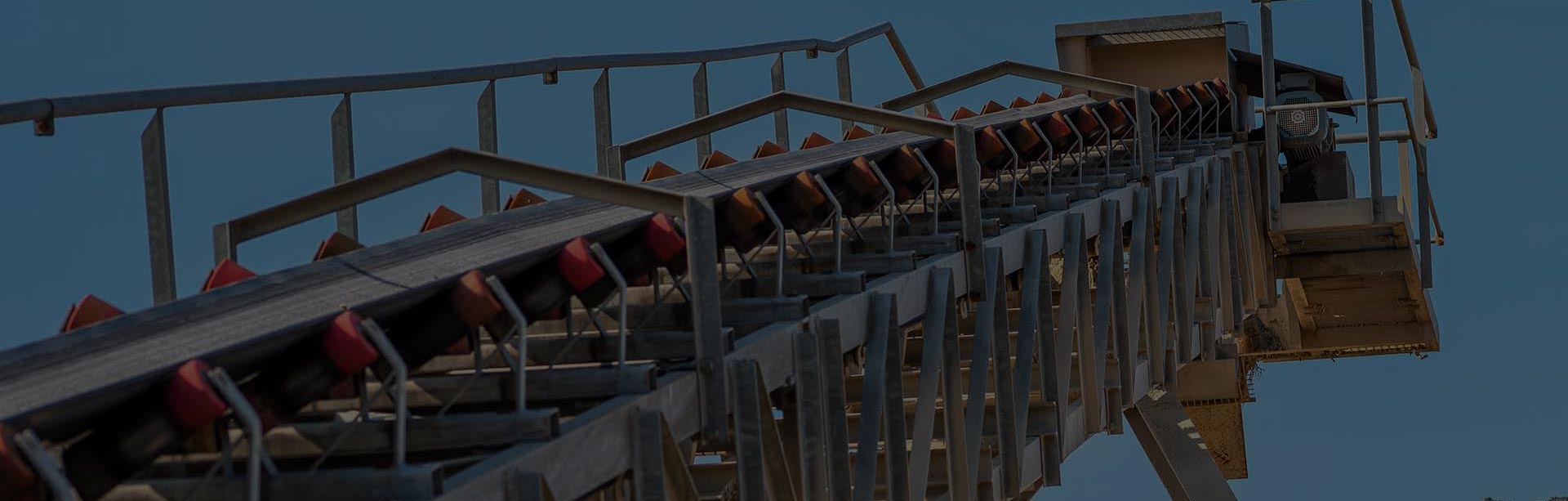
Mining conveyor rollers are a critical component in the efficient operation of heavy-duty conveyor systems in mining operations. These rollers are not just simple rotating cylinders; they are engineered to carry enormous loads, withstand abrasive materials, and maintain smooth conveyor motion over extended periods. Selecting the right mining conveyor rollers can significantly impact the performance, safety, and longevity of your conveyor system. In this article, we will explore everything you need to know about mining conveyor rollers, including their types, materials, maintenance, and purchasing considerations, providing you with an in-depth guide that balances practical advice with technical insights.
Table of Contents
Understanding Mining Conveyor Rollers
What Are Mining Conveyor Rollers?
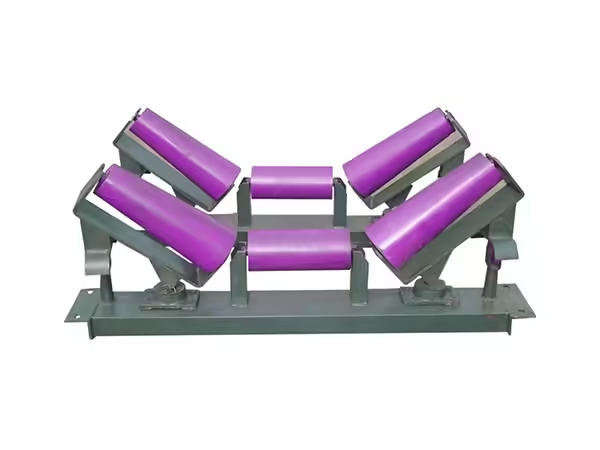
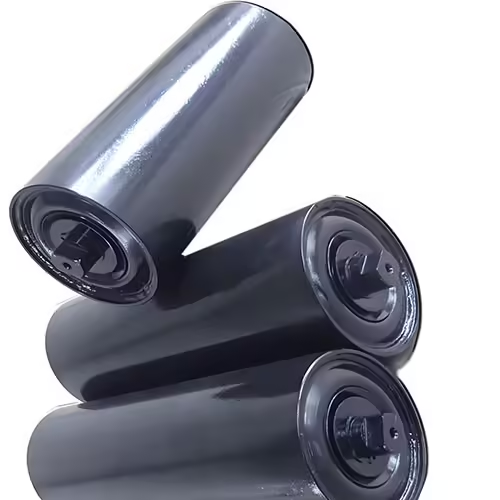
Mining conveyor rollers are cylindrical components that support and guide the conveyor belt. They allow the belt to move smoothly while carrying bulk materials such as ores, coal, or other mined products. Each roller consists of a central tube, end caps, bearings, and a shaft. The bearings are essential because they reduce friction, allow rotation, and support heavy loads. The right roller design ensures minimal energy consumption and reduced wear on the conveyor belt, which is critical in high-volume mining operations.
Types of Mining Conveyor Rollers
Mining conveyor rollers come in various types, each suited to different operational needs:
- Idler Rollers: Standard rollers used to support the belt. They can be arranged as flat, troughing, or return rollers. Troughing rollers form a U-shape to cradle bulk material.
- Impact Rollers: Installed under loading points where heavy impact occurs. They are designed to absorb shock and prevent belt damage.
- Tapered Rollers: These rollers reduce friction and belt wear, especially on curves or inclined conveyors.
- Specialty Rollers: Rollers designed for high-temperature, corrosive, or abrasive environments. They may feature protective coatings or reinforced materials.
According to industry research on conveyor performance, systems with properly selected roller types reduce belt wear by up to 20% and increase energy efficiency by around 15%.
Key Factors to Consider When Selecting Mining Conveyor Rollers
Choosing mining conveyor rollers requires careful evaluation of several factors. A poorly selected roller can lead to excessive maintenance costs, unplanned downtime, and even conveyor failure.
Load Capacity and Conveyor Speed
The load capacity of a roller defines how much weight it can support without deforming. Heavy-duty operations often require rollers that can handle thousands of kilograms per meter of conveyor. High-speed conveyors demand precision-engineered bearings to maintain smooth rotation. When assessing rollers, ensure their maximum load rating exceeds the operational load to avoid premature wear or failure.
Material and Durability
Mining environments are harsh, and material selection is critical. Steel rollers are common, providing strength and durability, while stainless steel rollers offer corrosion resistance in humid or wet conditions. PVC-coated rollers can reduce noise and protect against certain abrasives. Data from engineering case studies show that corrosion-resistant rollers can last up to 30% longer in high-humidity mining operations compared to standard steel rollers.
Environmental Conditions
Consider the conditions where your conveyor operates. Abrasive materials, dust, moisture, or high temperatures all influence roller selection. Underground operations may demand rollers resistant to dust and moisture, while open-pit operations may require rollers that withstand high impact and extreme temperatures. Properly matching roller design to the operating environment prevents unplanned maintenance and reduces operational costs.
Maintenance and Longevity of Mining Conveyor Rollers
Even the best rollers require regular inspection and maintenance. Understanding wear patterns and proactive maintenance can extend their lifespan significantly.
Common Issues and Wear Patterns
Rollers may fail due to bearing wear, tube deformation, misalignment, or corrosion. Common signs include uneven belt tracking, unusual noise, or visible wear on the roller surface. Industry reports indicate that bearing failure accounts for nearly 60% of roller downtime in mining conveyor systems.
Inspection and Preventive Maintenance Tips
- Inspect rollers visually for surface wear and damage at regular intervals.
- Monitor vibration and noise to detect early signs of bearing failure.
- Lubricate bearings according to manufacturer specifications to reduce friction and wear.
- Replace damaged rollers immediately to prevent damage to the belt or other components.
Reducing Downtime and Costs
Using high-quality rollers with proven durability can prevent frequent replacements. Correct spacing and proper installation techniques further reduce operational disruptions. Mining operators who implemented structured preventive maintenance programs reported a 25% reduction in conveyor downtime.
Comparing Roller Types for Specific Mining Applications
Different rollers perform better in certain mining applications. Understanding the differences can guide your selection.
Impact Rollers vs. Idler Rollers
Impact rollers are installed under high-loading points to absorb shock and prevent belt damage. Idler rollers primarily support the belt along its length. Installing impact rollers at critical points can extend belt life by up to 30%, according to industrial case studies.
Tapered Rollers vs. Straight Rollers
Tapered rollers are ideal for curved sections or inclined conveyors because they reduce friction and belt wear. Straight rollers work well in linear conveyors and for heavier loads. Choosing the right roller type minimizes maintenance costs and enhances conveyor efficiency.
Specialized Rollers for Abrasive Materials
For handling abrasive ores or coal, rollers with hardened steel or protective coatings reduce wear and extend service life. Some specialized rollers also incorporate self-cleaning designs to prevent material buildup.
How Mining Conveyor Rollers Improve Efficiency
The right mining conveyor rollers do more than support a belt—they directly improve system efficiency.
Reducing Belt Wear and Energy Consumption
Smooth-rolling, well-aligned rollers reduce friction between the belt and support surfaces. This lowers energy consumption and decreases the frequency of belt replacement.
Minimizing Noise and Vibration
Properly designed rollers with low-friction bearings minimize vibration and operational noise, which improves working conditions and reduces maintenance needs.
Extending Conveyor System Lifespan
High-quality rollers reduce stress on belts and conveyor frames, extending the overall life of the system. Operators report up to a 20% longer system lifespan when using engineered rollers optimized for their specific mining application.
Buying Guide for Mining Conveyor Rollers
Purchasing mining conveyor rollers requires attention to quality, specifications, and supplier reliability.
Where to Find Reliable Suppliers
Suppliers should provide detailed specifications, technical datasheets, and warranty information. Verified manufacturers often have a proven track record in heavy-duty applications.
Price vs. Quality Considerations
While lower-cost rollers may seem attractive, investing in high-quality rollers reduces long-term maintenance costs. Consider factors like material, bearing type, load capacity, and environmental suitability.
Custom vs. Standard Rollers
Standard rollers suit general mining applications, while custom rollers may be required for unique conveyor layouts, unusual load requirements, or harsh environments.
Case Studies and Real-World Applications
Mining operations that strategically select and maintain conveyor rollers see measurable improvements in operational efficiency. For instance, a study of several large-scale mining facilities showed that upgrading to high-quality impact and idler rollers reduced belt replacements by 18% and lowered energy consumption by 12%. Additionally, optimizing roller spacing and using corrosion-resistant materials extended roller service life by an average of 30%, reducing total operational costs.
Key Specifications Comparison Table
| Roller Type | Material Options | Load Capacity (kg/m) | Best Application | Special Features |
|---|---|---|---|---|
| Idler Roller | Steel, Stainless Steel | 500–3000 | General belt support | Troughing, return, flat |
| Impact Roller | Hardened Steel | 700–3500 | High-loading areas | Shock absorption, wear resistant |
| Tapered Roller | Steel, Coated Steel | 500–2500 | Inclined or curved conveyors | Reduces belt friction |
| Specialty Roller | Stainless Steel, PVC | 500–4000 | Abrasive, corrosive, high-temp | Corrosion-resistant, self-cleaning |
This table provides a snapshot of the different roller types, their material options, typical load capacities, and optimal applications, helping you make an informed choice for your operations.
Conclusion
Selecting the best mining conveyor rollers for heavy-duty operations is a multi-faceted process that involves understanding your conveyor system, operational environment, and maintenance requirements. High-quality rollers reduce energy consumption, minimize downtime, extend system life, and improve overall operational efficiency. By considering factors such as roller type, material, load capacity, and environmental suitability, you can optimize your conveyor system and protect your investment.
Always ensure that your suppliers provide detailed specifications and technical support, and implement a preventive maintenance plan to maximize the performance of your mining conveyor rollers. The right choice today can save thousands in maintenance costs and prevent costly operational disruptions tomorrow.
FAQ
How Often Should Rollers Be Replaced?
Rollers should be replaced when wear affects their diameter, surface, or bearing performance. A structured inspection program helps determine the optimal replacement cycle.
What Material Is Best for Heavy-Duty Mining?
Steel rollers with corrosion-resistant coatings or stainless steel rollers are commonly preferred for heavy-duty operations, balancing durability and maintenance needs.
How to Install Rollers Correctly?
Proper alignment, secure mounting, and adherence to manufacturer torque specifications are critical for performance and longevity.
Can Rollers Reduce Conveyor Downtime?
Yes, selecting the right roller type, performing preventive maintenance, and addressing wear early can significantly reduce unplanned downtime.
Need Help Choosing the Right Mining Conveyor Rollers?
If you’re unsure about which mining conveyor rollers are best for your conveyor system or heavy-duty operations, our experts are here to help. Contact us today for a personalized consultation, and ensure your conveyor system runs efficiently, safely, and with minimal downtime. Don’t wait until maintenance issues slow your operations—get in touch now to optimize your mining processes and protect your equipment!
 English
  French
  Spanish