

CNC pipe cutting machines have revolutionized the way workshops handle metal fabrication, enabling precise, automated cuts with minimal human intervention. Whether you are working with steel, aluminum, stainless steel, or other alloys, the right CNC pipe cutting machine can significantly boost productivity, reduce material waste, and improve overall workflow. In this guide, we will walk you through everything you need to know—from understanding the types of machines available to evaluating features, maintenance, and cost considerations—so that you can make an informed choice for your workshop.
Table of Contents
Understanding CNC Pipe Cutting Machines
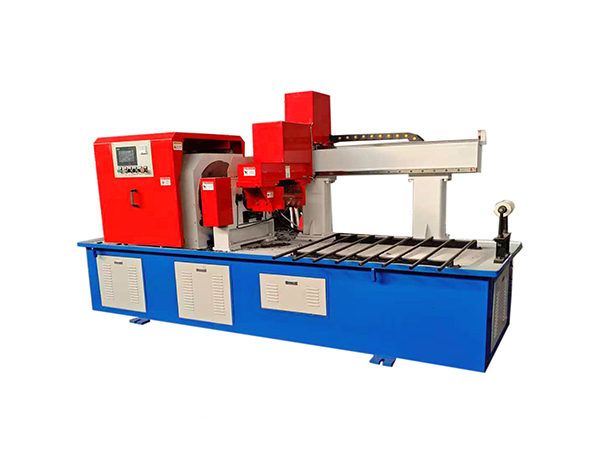
What Is a CNC Pipe Cutting Machine?
A CNC pipe cutting machine is an automated device designed to cut pipes and tubes with precision, consistency, and speed. Unlike manual cutting methods, CNC machines use computer numerical control (CNC) to guide cutting tools along programmed paths. This allows for high repeatability and the ability to create complex shapes, including bevels, notches, and angled cuts. These machines are essential in industries where accuracy and efficiency are critical, including fabrication, construction, and heavy machinery production.
How Does a CNC Pipe Cutting Machine Work?
The machine operates through a combination of mechanical movement and software control. A typical CNC pipe cutting machine consists of:
- A pipe holding mechanism, often with rotating chucks or rollers
- Cutting tools, such as lasers, plasma torches, or circular saw blades
- Motors and drive systems to control movement along multiple axes
- A control panel with CAM/CAD software for programming complex cuts
According to industry performance data, CNC machines can reduce production time by up to 40% compared to conventional manual cutting methods, while maintaining cutting tolerances within 0.1 millimeters for high-precision applications.
Applications of CNC Pipe Cutting Machines
CNC pipe cutting machines are versatile and used across multiple industries:
- Structural steel fabrication for buildings and industrial facilities
- Manufacturing pipelines for water, gas, or chemical transport
- Automotive and heavy equipment components
- Custom metal products and prototypes
The ability to handle various pipe materials and diameters makes CNC machines an essential investment for any modern workshop looking to scale operations and maintain consistent quality.
Types of CNC Pipe Cutting Machines
Laser vs Plasma vs Sawing CNC Pipe Cutters
CNC pipe cutting machines vary based on the cutting method:
- Laser CNC Pipe Cutting Machines: Offer high precision and clean edges with minimal heat-affected zones, suitable for thin to medium wall pipes.
- Plasma CNC Pipe Cutting Machines: Ideal for thicker pipes and high-speed operations, though they may require additional finishing due to minor dross.
- Sawing CNC Pipe Cutters: Often used for straight cuts or preparatory operations, providing a cost-effective solution for certain workshops.
Tapered vs Straight vs Rotary CNC Pipe Machines
The geometry of the cutting mechanism can impact performance:
- Straight machines are ideal for linear cuts and standard pipe diameters.
- Tapered machines reduce friction and enhance accuracy when cutting angled or bevel profiles.
- Rotary machines are capable of handling complex pipe rotations, ensuring precision for multi-angle cuts.
Specialty CNC Pipe Cutting Machines
For specialized applications, some machines are designed to handle extremely thick pipes, high-temperature metals, or complex 3D profiles. These machines often integrate multiple cutting tools and advanced software to reduce setup time and maximize productivity.
Key Features to Consider
Cutting Accuracy and Tolerance
Accuracy is critical in CNC pipe cutting. Machines with high-precision servo motors and linear guides can achieve tolerances within 0.05–0.1 millimeters. Accurate cuts reduce the need for secondary finishing operations, saving both time and material costs.
Cutting Speed and Productivity
The cutting speed depends on pipe material, thickness, and machine type. Modern CNC pipe cutting machines can cut several meters of pipe per minute while maintaining quality. According to fabrication industry reports, workshops that implemented CNC pipe cutting machines increased throughput by 25–35% without compromising accuracy.
Automation and Software Capabilities
CNC software allows you to program complex cuts, including angles, bevels, and notches. Integration with CAD/CAM software enables efficient workflow, batch processing, and quick adjustments to design changes.
Safety Features
Safety features such as protective guards, emergency stops, and automated monitoring systems are essential. These features reduce workplace accidents and ensure compliance with industrial safety standards.
Materials and Compatibility
Pipes CNC Machines Can Handle
Most CNC pipe cutting machines are versatile, capable of cutting:
- Steel and stainless steel pipes
- Aluminum and copper tubes
- Specialty alloys for industrial applications
Pipe Diameters and Wall Thickness
Machines vary in capacity. Some handle pipes as small as 20 mm in diameter, while industrial models can cut pipes over 400 mm. Wall thickness compatibility ranges from thin tubes of 1 mm to heavy-duty pipes exceeding 20 mm.
Material-Specific Considerations
Different materials require different cutting speeds, tool types, and cooling methods. For example, stainless steel may need slower feed rates to reduce heat discoloration, while aluminum allows faster cuts. Selecting the right cutting parameters ensures optimal results and minimal tool wear.
Maintenance and Longevity
Regular Maintenance Practices
Routine maintenance extends machine life and preserves cutting quality. Recommended practices include:
- Lubricating guide rails and moving components
- Cleaning cutting surfaces and debris from the workspace
- Checking tool wear and replacing worn blades or tips
Common Issues and Troubleshooting
Typical issues include:
- Bearing wear or misalignment
- Software or programming errors
- Dross accumulation on cut surfaces
Addressing these issues promptly prevents downtime and reduces repair costs.
Extending Machine Life
Workshops that implement structured preventive maintenance and monitor usage patterns can extend machine lifespan by 20–30% compared to reactive maintenance practices.
Cost and Investment Considerations
CNC Pipe Cutting Machine Price Ranges
Prices vary widely based on size, precision, and features. Small workshop machines may cost a few thousand dollars, while industrial-grade units for heavy-duty operations can exceed tens of thousands.
ROI and Productivity Benefits
Investing in a CNC pipe cutting machine reduces labor, material waste, and setup time. According to industry analysis, many workshops recover the cost of the machine within 18–24 months due to increased efficiency and lower operational costs.
Warranty, Service, and Spare Parts
Reliable suppliers offer warranties, replacement parts, and technical support. This ensures minimal downtime and consistent production quality, which is critical for heavy-use operations.
How to Choose the Right Machine for Your Workshop
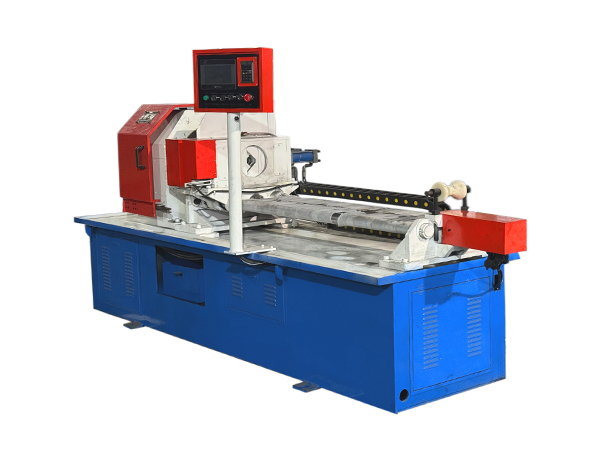
Evaluating Workshop Requirements
Consider factors such as:
- Production volume
- Types of pipes and materials
- Available budget and workspace constraints
Matching Features to Operational Needs
Select machines based on:
- Precision and tolerance requirements
- Required automation level
- Flexibility for different pipe diameters and profiles
Supplier Selection and Demo Testing
Evaluating suppliers and requesting machine demonstrations ensures you select a machine that fits your operational workflow and provides reliable technical support.
Case Studies and Real-World Applications
Workshops that upgraded to CNC pipe cutting machines reported:
- Reduced labor hours by 30%
- Material waste reduced by 15–20%
- Production efficiency increased by 25%
Implementing CNC pipe cutting machines also allows workshops to take on more complex projects, meeting higher precision standards without additional labor.
CNC Pipe Cutting Machine Specifications Comparison Table
| Machine Type | Cutting Method | Max Pipe Diameter | Max Wall Thickness | Key Features | Ideal Use Case |
|---|---|---|---|---|---|
| Laser CNC | Laser Beam | 300 mm | 10 mm | High precision, minimal finishing | Thin to medium pipes |
| Plasma CNC | Plasma Torch | 400 mm | 20 mm | High speed, thicker materials | Industrial heavy-duty pipes |
| Sawing CNC | Circular Saw | 200 mm | 15 mm | Cost-effective, simple operation | Straight cuts, low-volume |
| Rotary CNC | Laser/Plasma Combo | 350 mm | 15 mm | Multi-angle cuts, automated | Complex profiles |
Conclusion
Choosing the best CNC pipe cutting machine requires careful evaluation of your workshop’s needs, pipe types, production volume, and budget. Consider factors like cutting precision, automation capabilities, maintenance requirements, and supplier support. High-quality machines not only improve efficiency and accuracy but also reduce material waste, extend equipment life, and enhance overall workflow. By investing in the right CNC pipe cutting machine and implementing preventive maintenance, you can ensure your workshop remains competitive, productive, and ready for complex fabrication tasks.
FAQ
What training is required to operate a CNC pipe cutting machine?
Training includes CNC programming, machine operation, safety procedures, and maintenance routines. Most suppliers provide training as part of the purchase package.
Can CNC pipe cutting machines handle complex profiles?
Yes, with proper programming, CNC machines can cut bevels, notches, and angled profiles with high precision.
How can I reduce material waste during cutting?
Optimizing cutting paths, using appropriate tool types, and adjusting feed rates based on material thickness all help minimize waste.
How long does a CNC pipe cutting machine typically last?
With proper maintenance, these machines can last 10–15 years, with critical components periodically replaced.
 English
  French
  Spanish