

Table of Contents
In the competitive world of material handling and conveyor manufacturing, achieving precision, efficiency, and reliability in roller production is crucial. If you’re running a conveyor manufacturing facility or industrial workshop, investing in the right equipment can transform your production process. One such indispensable machine is the automatic roller double end holes lathe. This machine is specifically engineered to process the ends of conveyor steel pipes, providing unmatched accuracy and productivity.
Understanding how to leverage this machine in your operations can help you reduce errors, improve throughput, and achieve consistent quality for every batch of rollers you produce.
What is an Automatic Roller Double End Holes Lathe?
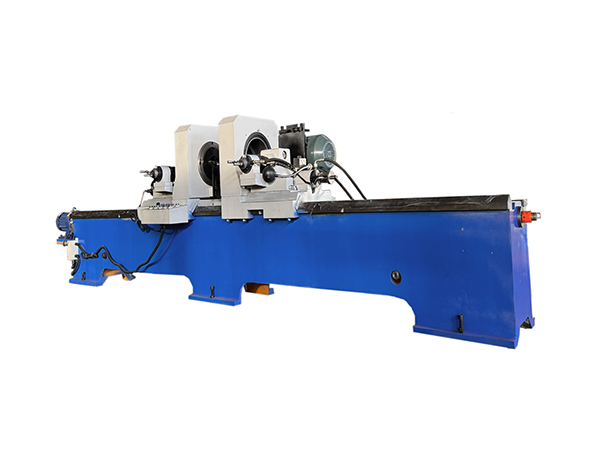
An automatic roller double end holes lathe is a specialized machine designed for drilling precise holes at both ends of conveyor steel tubes. These tubes are typically used in roller production for belt conveyors. The machine supports various types of rollers, whether they use cast iron or stamped bearing housings, and is compatible with domestic and international production standards.
Key features include:
- Mechanical Quick-Clamping Device: Ensures secure holding and allows easy adjustment of clamping force.
- Hydraulic Tool Feed: No need for electrodes; allows adjustable speed for precise machining.
- Synchronous Hydraulic Feed Cylinders: Both left and right cylinders feed and retract simultaneously, improving processing speed.
- Radial Feed: Manual adjustment for precision drilling according to different roller specifications.
- Hydraulic Automatic Tool Release: Prevents damage to roller surfaces by automatically releasing the tool at the set position.
- PLC-Based Electrical Control: Enhances automation, reliability, and easy operation.
The machine comes in two main models: TH-160*2200 and TH-220*2200, supporting a wide range of conveyor roller sizes.
Why Your Workshop Needs This Machine
If you’ve ever struggled with inconsistencies in roller production, excessive manual labor, or slow throughput, an automatic roller double end holes lathe can be a game-changer. Here’s why:
- Precision and Consistency: Each roller end is drilled to exact specifications, ensuring perfect alignment in conveyor systems.
- High Productivity: Synchronous feeding and automatic tool release reduce downtime and speed up production cycles.
- Reduced Labor Intensity: Automation minimizes manual adjustments and repetitive tasks.
- Versatility: Compatible with various roller types and sizes, allowing flexibility for different projects.
- Improved Surface Quality: Hydraulic feed and automatic tool release prevent scratches or burrs on the roller surface.
For example, a conveyor manufacturing plant that upgraded from manual drilling to an automatic roller double end holes lathe reduced scrap rates by 40% and increased daily output by over 35%.
Case Study: Enhancing Roller Production
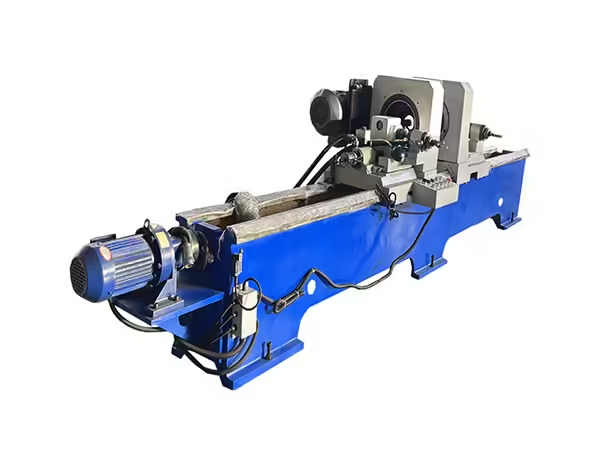
Scenario: A factory producing high-volume conveyor rollers faced challenges in maintaining consistent hole alignment and minimizing surface defects using manual lathes.
Solution: The workshop implemented the TH-220*2200 automatic roller double end holes lathe, integrating it with a conveyor tube feeding system.
Results:
| Metric | Before Machine | After Machine |
|---|---|---|
| Daily Output | 120 rollers | 180 rollers |
| Scrap Rate | 8% | 3% |
| Labor Hours per Shift | 10 | 6 |
| Hole Alignment Accuracy | ±0.5 mm | ±0.1 mm |
The result was a more streamlined workflow, higher-quality rollers, and significant labor savings.
Technical Features That Make a Difference
Understanding the automatic roller double end holes lathe technical advantages helps you appreciate why it’s a worthwhile investment:
- Dual Hydraulic Cylinders: Provide simultaneous, precise drilling on both ends.
- Mechanical Quick-Clamping: Ensures no slippage during high-speed operations.
- PLC Control System: Offers customizable settings for speed, feed, and drill depth.
- Hydraulic Tool Release Mechanism: Avoids surface damage, extending roller life.
- Wide Application Range: Suitable for both cast iron and stamped bearing housings.
These features make the lathe highly reliable and capable of handling batch production without compromising quality.
Choosing the Right Model for Your Operations
Depending on your production needs, selecting the right model is crucial:
| Model | Roller Diameter Range | Max Tube Length | Suitable Applications |
|---|---|---|---|
| TH-160*2200 | 30-160 mm | 2200 mm | Medium-size conveyors, batch production |
| TH-220*2200 | 50-220 mm | 2200 mm | Large conveyors, industrial-scale production |
Consider your typical roller sizes, production volume, and desired throughput when choosing a model.
Benefits of Automation in Roller Drilling
Automation in drilling conveyor rollers offers numerous advantages:
- Time Savings: Automatic feeding and simultaneous double-end drilling reduce cycle time per roller.
- Lower Error Rates: Manual misalignment or inconsistent drilling is eliminated.
- Repeatability: Each batch of rollers maintains the same specifications, which is critical for assembly lines.
- Safety: Operators are less exposed to moving tools, reducing workplace injuries.
A workshop reported that switching to an automated lathe improved throughput by 35% and reduced defective products to under 2%.
Maintenance Best Practices
To ensure long-term reliability of your automatic roller double end holes lathe, follow these maintenance practices:
- Daily Cleaning: Remove metal chips and lubricate moving parts.
- Hydraulic System Checks: Inspect fluid levels and hoses for leaks.
- Tool Inspection: Replace dull or damaged drills promptly.
- Calibration: Regularly verify alignment and feed accuracy.
- Electrical System Maintenance: Keep PLC and sensors updated and check wiring integrity.
Proper maintenance can extend machine life by several years while reducing downtime and repair costs.
Safety Tips for Operators
Even with automated machines, safety cannot be overlooked:
- Use protective gloves, safety glasses, and ear protection.
- Ensure proper guarding and emergency stop mechanisms.
- Train operators on proper clamping and feed procedures.
- Avoid manual adjustments while the machine is operating.
Workshops adhering to these safety measures report fewer accidents and more reliable production.
Innovations in Roller Drilling Machines
Recent innovations in automatic roller double end holes lathe include:
- Servo-Driven Feeds: Improved precision and variable speed control.
- Integrated Conveyor Feeding: Reduces manual tube handling and improves workflow.
- Smart Sensors: Monitor drill position, wear, and hydraulic performance in real time.
- Adaptive Drilling: Automatically adjusts feed pressure based on roller material.
These innovations make modern lathes more efficient, accurate, and reliable than ever.
Optimizing Your Roller Production Workflow
- Batch Processing: Drill multiple rollers sequentially to reduce setup time.
- Pre-Inspection: Ensure all tubes meet diameter and wall thickness specifications.
- Automated Tool Monitoring: Track tool wear to prevent surface defects.
- Integrated Material Handling: Use conveyors or robotic arms to feed tubes automatically.
- Data Recording: Maintain logs of drilling parameters for quality control.
Conclusion
The automatic roller double end holes lathe is a transformative investment for any conveyor roller production facility. By combining hydraulic precision, PLC automation, and dual-end drilling capabilities, this machine boosts productivity, ensures consistent quality, and minimizes labor intensity. Whether you produce medium or large conveyor rollers, integrating this lathe into your workflow streamlines production, reduces errors, and enhances overall efficiency.
For workshops aiming to stay competitive, this machine offers a reliable solution to meet high-volume production demands while maintaining impeccable quality standards.
FAQ
Can an automatic double-end roller lathe handle both cast iron and stamped bearing housings?
Yes, hydraulic feed and manual radial adjustments allow precise control according to production requirements.
What maintenance is required for automatic roller double end holes lathe long-term operation?
Routine cleaning, hydraulic checks, tool inspection, and calibration are essential for consistent performance.
How many rollers can be processed per hour?
Production speed varies by roller size, but automated feeding and dual-end drilling significantly increase throughput compared to manual methods.
The automatic roller double end holes lathe is PLC control necessary for operation?
PLC control enhances precision, automation, and reliability, especially for batch production.
Can the drilling depth and feed speed be adjusted?
Yes, hydraulic feed and manual radial adjustments allow precise control according to production requirements.

 English
  French
  Spanish