

Table of Contents
Understanding the Pipe Cutting Machine
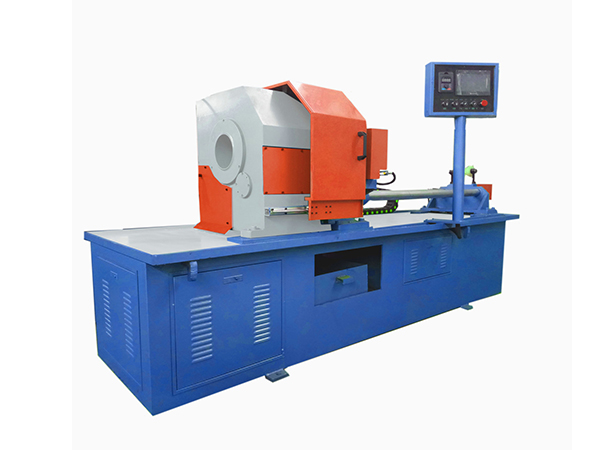
Pipe cutting machines are essential tools in modern manufacturing and construction. They provide precision, speed, and efficiency, allowing businesses to cut various pipe materials to exact lengths while minimizing waste. Understanding how to choose, operate, and maintain a pipe cutting machine is key to maximizing productivity and reducing operational costs.
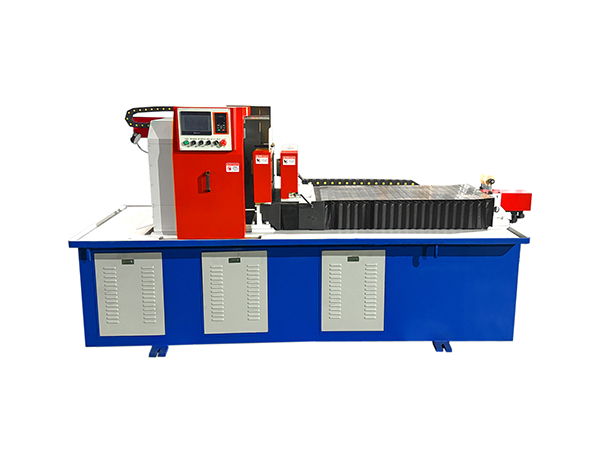
A pipe cutting machine uses advanced mechanical and electronic systems to cut pipes accurately. These machines often feature PLC interfaces for intuitive operation, servo motors for precise movement, and linear guides for smooth material feed. Modern designs allow for continuous cutting of pipes of various lengths without the need for manual rotation, delivering clean, burr-free surfaces.
Key Components of a Pipe Cutting Machine
- Control System: PLC or CNC systems allow operators to program cutting lengths, speed, and sequence automatically.
- Material Feeding System: Servo motors, ball screws, and linear guides ensure accurate and smooth pipe movement.
- Cutting Mechanism: Rotating blades or saws cut through pipes cleanly and efficiently. Blade designs reduce burrs and material deformation.
- Safety Features: Enclosures, emergency stops, and sensors protect operators and ensure reliable operation.
Types of Pipe Cutting Machines
There are several types of tube cutting machines, each suited to specific applications:
| Type | Features | Ideal Application |
|---|---|---|
| Circular Saw Pipe Cutter | High-speed rotary blade; smooth cuts | Steel, stainless steel pipes |
| Band Saw Pipe Cutter | Flexible blade; precise cuts | Medium to large diameter pipes |
| Automatic CNC Pipe Cutter | Fully automated; adjustable speed | High-volume production, various materials |
| Plasma Pipe Cutter | Non-contact cutting; minimal heat effect | Thin metal pipes or corrosive materials |
According to industry data, automated CNC pipe cutting machines can improve productivity by up to 40% compared to manual methods (source: Industrial Machinery Insights 2024).
Advantages of Using a Pipe Cutting Machine
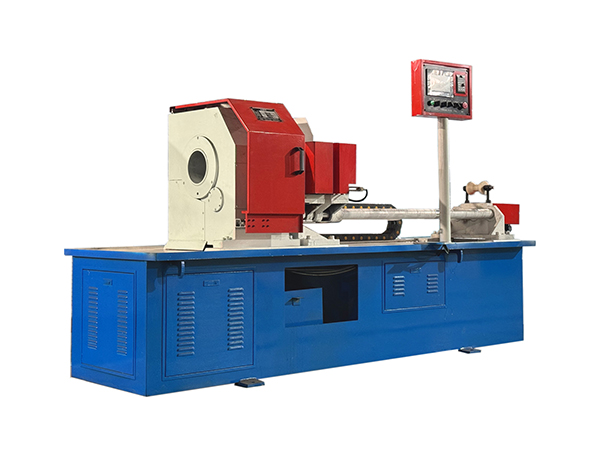
- High Precision: Achieve exact pipe lengths and diameters consistently, reducing material waste.
- Fast Cutting Speed: Automated feeding and blade rotation reduce cutting time significantly.
- Low Labor Intensity: Minimal manual handling decreases operator fatigue.
- Versatility: Capable of cutting various materials, including metals, plastics, and composites.
- Enhanced Safety: Automated operation minimizes the risk of accidents.
Applications Across Industries
Pipe cutting machines are used in diverse sectors:
- Construction: Cutting pipes for plumbing, HVAC, and structural frameworks.
- Manufacturing: Producing precise components for machinery and vehicles.
- Oil & Gas: Cutting high-strength steel pipes for pipelines.
- Water Treatment: Custom-length piping for filtration and distribution systems.
Selecting the Right Pipe Cutting Machine
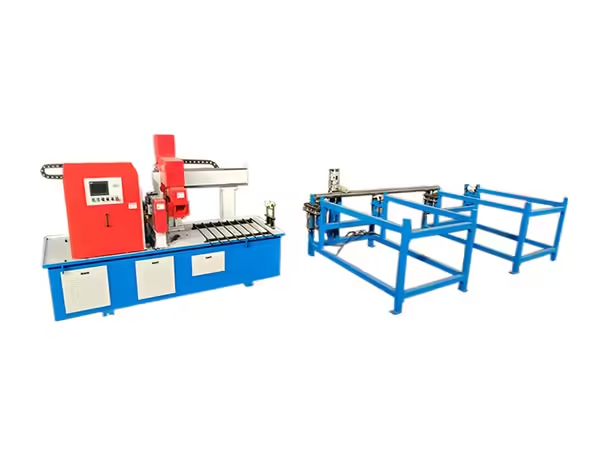
When choosing a tube cutting machine, consider:
- Material Compatibility: Ensure the machine can handle the pipe material in use.
- Pipe Size Range: Check maximum and minimum diameter and wall thickness.
- Cutting Speed & Accuracy: Adjustable speed and high precision reduce errors.
- Automation Level: Fully automatic systems reduce labor costs for large production volumes.
- Maintenance & Support: Machines with easy access for cleaning and parts replacement ensure long-term reliability.
Maintenance Tips for Longevity
Regular maintenance prolongs machine life and ensures consistent cutting quality:
- Blade Care: Inspect and replace worn or damaged blades.
- Lubrication: Keep ball screws and moving parts well lubricated.
- Cleaning: Remove metal shavings, dust, and debris after each use.
- Electrical Checks: Inspect wiring, connections, and control systems.
- Calibration: Periodically check cutting accuracy and adjust as needed.
Troubleshooting Common Issues
- Burrs on Cuts: Verify blade sharpness, adjust speed, and check feed system alignment.
- Material Jamming: Ensure proper pipe alignment and clear any debris.
- Inconsistent Lengths: Recalibrate the control system and verify the feeding mechanism.
Conclusion
Investing in a high-quality pipe cutting machine can drastically improve your production efficiency, reduce material waste, and enhance product quality. By selecting the right model, maintaining it properly, and understanding its capabilities, you can ensure your operation runs smoothly and safely.
Need help selecting the right tube cutting machine?
If you’re unsure which pipe cutting machine fits your production needs, our experts at Cangzhou Terok International Trade Co., Ltd. are ready to help. Contact us today for a personalized consultation to optimize cutting precision, improve efficiency, and ensure long-term reliability. Don’t wait—reach out now and take your pipe processing capabilities to the next level!
FAQ
What materials can a pipe cutting machine handle?
Most machines can cut steel, stainless steel, aluminum, copper, plastic, and composite pipes, depending on the blade type.
How do I maintain a pipe cutting machine for consistent performance?
Regularly clean the machine, lubricate moving parts, inspect blades, and check the control system for errors.
Can a tube cutting machine reduce labor costs?
Yes, automated feeding and cutting systems minimize manual handling, reducing labor intensity and potential errors.
What is the difference between manual and automatic pipe cutting machines?
Automatic machines provide higher precision, faster cutting, and reduced labor, while manual machines are better for small-scale or occasional use.
How do I select the right tube cutting machine for my operation?
Consider pipe material, diameter, wall thickness, cutting volume, desired precision, and automation level to choose the best machine.
 English
  French
  Spanish