
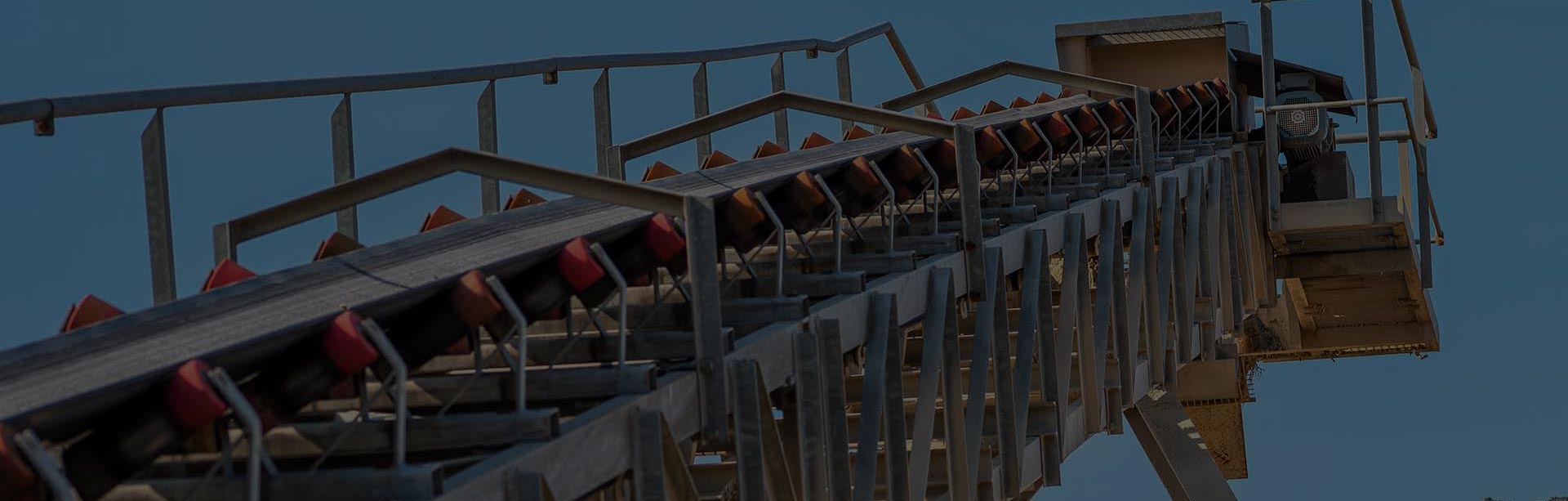
Welcome to My Blog!
Before we dive into the content, if you’re interested in our products or have any questions, please feel free to visit our Contact Us page on the website. Our team is ready to assist you with inquiries, orders, or any support you may need.
Now, let’s get started on our journey together. I hope you find the content here insightful, engaging, and valuable.
Table of Contents
Introduction
In the world of material handling and bulk transport, conveyor systems form the backbone of smooth, efficient operations. At the heart of every conveyor system lies one crucial component—the roller. Whether you call them idlers or conveyor rollers, these components support the belt, reduce friction, guide material flow, and ensure optimal system performance. Selecting the right roller can mean the difference between peak productivity and costly downtime.
Choosing the wrong roller leads to excessive wear, unplanned stoppages, and escalating maintenance costs. Therefore, understanding the differences between a steel roller, nylon roller, and HDPE roller is essential for engineers, procurement teams, and plant managers alike.
In this comprehensive guide, we will compare these three main contenders—the robust steel roller, the corrosion-resistant nylon idler, and the versatile HDPE roller. Backed by data and years of industry experience at Cangzhou Terok, a leading manufacturer specializing in roller systems for logistics, mining, and port operations, this article will help you make an informed choice for your conveyor application.
Key Selection Criteria: How to Judge Conveyor Roller Performance
Load Capacity and Impact Resistance: The Domain of the Steel Roller
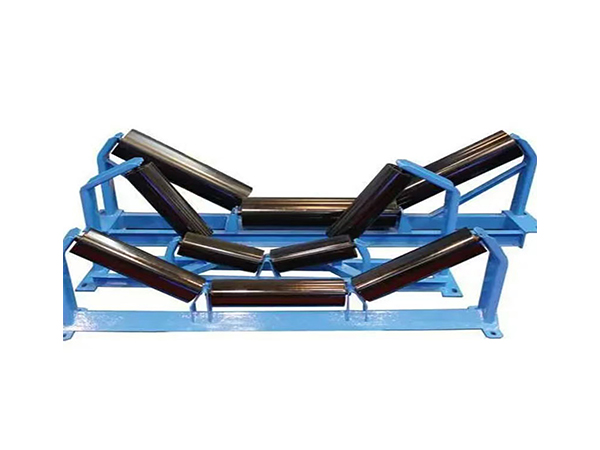
Load capacity is the foremost factor when evaluating a conveyor roller. The steel roller stands out as the industry’s heavy-duty champion, offering unmatched strength and impact resistance. In demanding environments—such as quarries, mines, and steel plants—rollers must bear extreme loads from sharp, heavy materials.
The dense structure and superior mechanical strength of a steel roller prevent deformation and failure, ensuring continuous, reliable performance even under the harshest conditions.
Corrosion and Chemical Resistance: Beyond the Standard Steel Roller
While steel excels in strength, its Achilles’ heel lies in corrosion. In environments exposed to moisture, chemicals, or salt—such as food processing, marine terminals, and chemical plants—corrosion can compromise a roller’s integrity.
To counter this, specialized variants such as galvanized or stainless steel rollers offer enhanced corrosion protection. These alternatives extend the life of a steel roller without sacrificing its inherent strength.
Abrasion Resistance and Service Life: Maximizing Your Investment
Material contact can wear down rollers over time, impacting the conveyor’s long-term cost-effectiveness. The steel roller, with its hard surface and abrasion resistance, remains the top performer in this area. When properly maintained and paired with quality bearings, steel rollers can operate for years with minimal degradation, reducing the total cost of ownership.
Operational Nuances: Weight, Noise, and Friction
Each roller material affects conveyor performance differently. A steel roller is heavier, which increases the system’s inertia and power consumption. Nylon and HDPE, on the other hand, are lightweight and significantly quieter, making them ideal for applications where noise reduction and energy efficiency matter.
In terms of friction, HDPE rollers have the lowest rolling resistance, minimizing wear on both the belt and roller surface.
Total Cost of Ownership: More Than Just Initial Price
While nylon and HDPE rollers might seem more cost-effective initially, the conveyor roller often proves superior over time. Its durability reduces replacement frequency and downtime, balancing out the initial higher cost. A comprehensive cost analysis should consider not only purchase price but also maintenance, energy use, and system uptime.
The Heavy-Duty Workhorse: An In-Depth Look at the Steel Roller
Unmatched Strength: The Superior Load Capacity of a Steel Roller
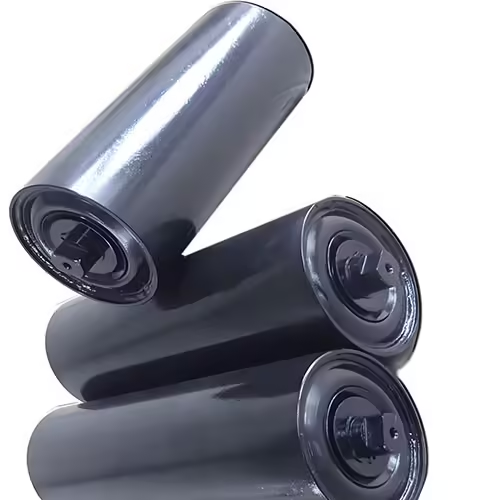
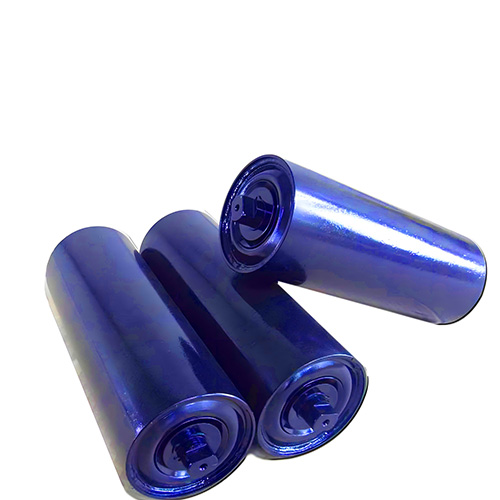
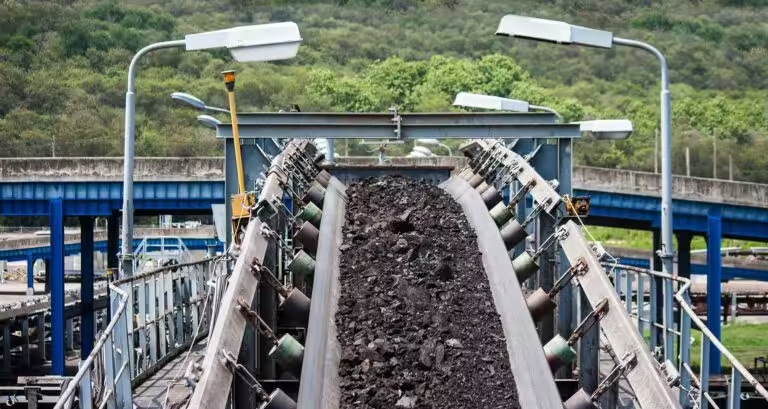
The steel roller remains the preferred choice for industries that move massive, abrasive materials such as ore, rock, or gravel. Its high load-bearing ability and resistance to impact ensure system reliability under extreme working conditions.
Cangzhou Terok’s precision-engineered conveyor rollers are designed to handle these challenges effortlessly, ensuring extended service life and stable performance even in the most demanding setups.
The Corrosion Challenge: Protecting Your Steel Roller Investment
Unprotected steel can rust when exposed to moisture or corrosive elements. However, solutions exist—galvanized coatings and stainless steel variants enhance corrosion resistance while retaining the roller’s strength. At Cangzhou Terok, our galvanized steel rollers are engineered for high humidity or coastal environments, combining durability with long-term reliability.
Ideal Applications for Heavy-Duty Steel Rollers
Steel rollers are indispensable in:
- Mining and Quarrying Operations
- Steel Plants and Heavy Aggregate Processing
- Port and Terminal Handling Systems
- Cement and Bulk Material Facilities
The Corrosion-Resistant Specialist: Understanding Nylon Rollers
Why Nylon Rollers Excel in Corrosive and Hygienic Environments
Nylon rollers provide complete immunity to rust and excellent resistance to many chemicals. They are lightweight and quieter than steel rollers, making them ideal for environments that prioritize hygiene and noise control.
Load Limitations of Nylon Conveyor Rollers
Despite their chemical resistance, nylon rollers have lower load capacities. They may crack or deform under high impact or extreme UV exposure. Therefore, they are best suited for medium-duty or clean, controlled operations rather than mining or heavy industry.
Where to Deploy Nylon Rollers for Best Results
Ideal applications include:
- Food & Beverage Production Lines
- Chemical and Pharmaceutical Facilities
- Packaging and Assembly Lines
- Washdown or Cleanroom Environments
The Balanced Performer: Exploring HDPE Rollers
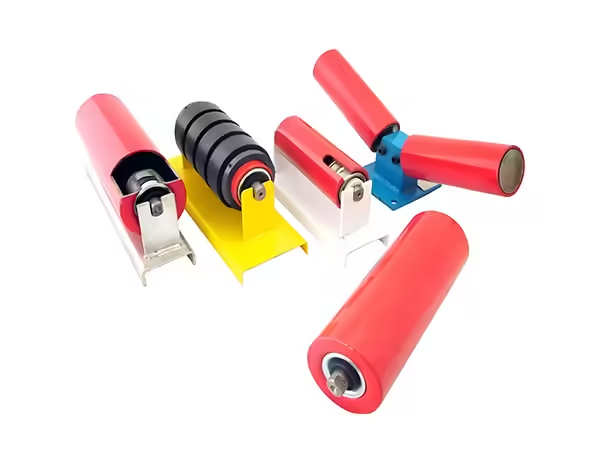
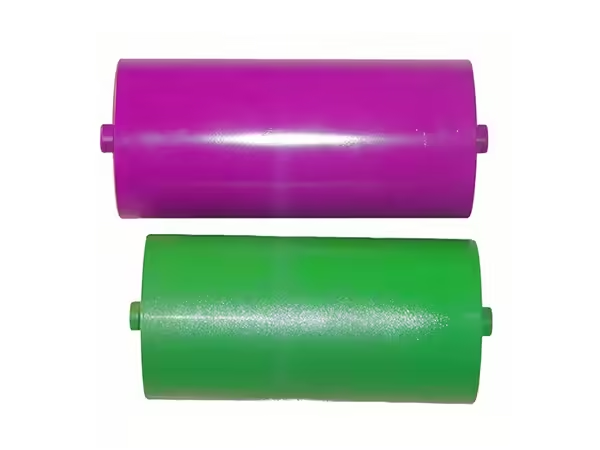
The Anti-Wear Properties of HDPE Idler Rollers
HDPE rollers combine abrasion resistance, low noise, and low moisture absorption. They offer a middle ground between steel and nylon rollers. Their smooth surface minimizes material buildup, reducing belt wear and improving energy efficiency.
Comparing HDPE to Steel Rollers in Demanding Conditions
While HDPE rollers excel in lightweight and abrasive applications, they lack the structural integrity of a conveyor roller. Under extreme impact or uneven loads, HDPE may deform or warp, making it less suitable for heavy industries.
Ideal Use Cases for HDPE Conveyor Rollers
HDPE rollers are best for:
- Agriculture and Grain Handling
- Light-Duty Sand and Gravel Transport
- Bulk Terminals (Non-Impact Zones)
- Water Treatment Plants
Head-to-Head Comparison: Steel Roller vs. Nylon vs. HDPE
| Feature | Steel Roller | Nylon Roller | HDPE Roller |
|---|---|---|---|
| Load Capacity | Excellent | Good | Fair to Good |
| Impact Resistance | Excellent | Fair | Good |
| Corrosion Resistance | Fair (Excellent if Galvanized) | Excellent | Excellent |
| Abrasion Resistance | Excellent | Good | Excellent |
| Weight | Heavy | Light | Light |
| Noise Level | High | Low | Very Low |
| Best For | Mining, Heavy Impact | Chemicals, Food Processing | Agriculture, Abrasive Materials |
Your Conveyor Roller Selection Guide: Making the Final Choice
When a Steel Roller is Your Unbeatable Option
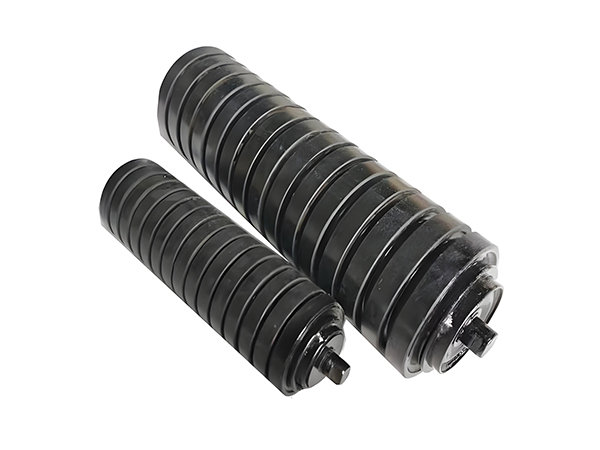
Choose a steel roller when your operation demands extreme load capacity, high impact resistance, and long-term durability. If you’re moving sharp or heavy materials through abrasive environments, the steel option is unmatched.
When to Consider Nylon or HDPE Alternatives
Opt for nylon or HDPE rollers when corrosion is the primary concern, or when energy efficiency, weight reduction, and quiet operation are critical. These materials are well-suited for specialized applications that don’t involve extreme impact or heavy loads.
At Cangzhou Terok, we offer all three roller types, engineered for optimal performance in their respective domains. Our technical team can guide you in selecting the perfect roller combination for your conveyor system.
Conclusion
The optimal choice of conveyor rollers depends entirely on your application, environmental conditions, and load requirements. Steel rollers consistently set the industry standard for strength and durability, while nylon and high-density polyethylene (HDPE) rollers offer distinct advantages in corrosion resistance and energy efficiency. A wise selection extends system lifespan, reduces maintenance costs, and ensures smooth, continuous operation.
With years of engineering expertise, Cangzhou Terok is dedicated to delivering reliable, high-performance conveyor solutions. Whether you require heavy-duty steel rollers for mining operations or lightweight nylon or high-density polyethylene (HDPE) rollers for sanitary applications, our products deliver lasting value.
Still unsure which drum is right for your conveyor system? Contact us today for a free consultation. Our experts will help you determine the ideal drum configuration to boost productivity and minimize downtime.
FAQ
How long does a steel roller typically last?
With proper maintenance, a high-quality steel roller can last several years, even in demanding environments like mining or port terminals.
Can I replace conveyor rollers with nylon or HDPE rollers?
Yes, but only if your system’s load and impact requirements are within the limits of nylon or HDPE materials.
What are the signs of a failing roller?
Unusual noise, belt misalignment, or excessive vibration often indicate roller wear or bearing failure.
Are galvanized steel rollers worth the investment?
Absolutely. For operations exposed to moisture or chemicals, galvanized conveyor rollers significantly extend service life and reduce maintenance frequency.
Does roller weight affect conveyor efficiency?
Yes. Heavier rollers like steel consume more energy, while lighter materials like HDPE reduce operational costs in low-load systems.
Why choose Cangzhou Terok for conveyor rollers?
Cangzhou Terok specializes in the research, development, and manufacturing of premium rollers, including conveyor rollers, nylon, and HDPE types. Our products are trusted across logistics, mining, and port transportation industries worldwide for their reliability and performance.
 English
  French
  Spanish