
Table of Contents
In modern fabrication industries, efficiency, precision, and safety are crucial. If you handle steel pipes regularly, you understand how time-consuming and labor-intensive manual cutting can be. This is where a steel pipe cutting machine becomes a game-changer. Not only does it improve cutting accuracy, but it also significantly boosts throughput while reducing labor costs. In this article, you will learn everything about steel pipe cutting machines, from their operation to selecting the right one for your workshop.
What Is a Steel Pipe Cutting Machine and How Does It Work?
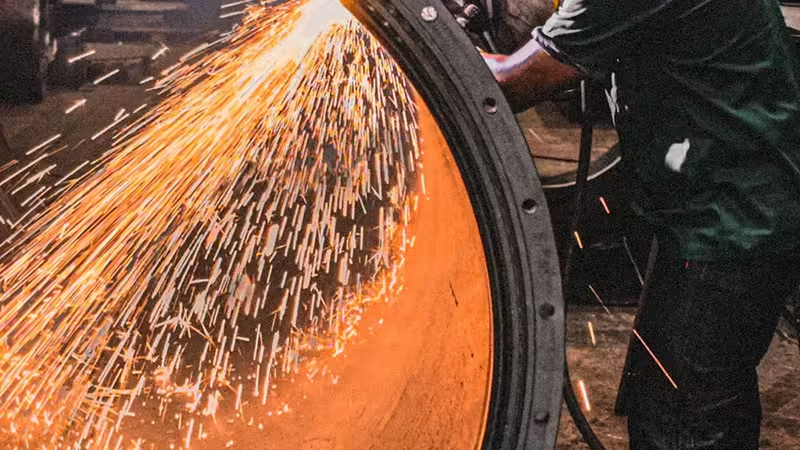
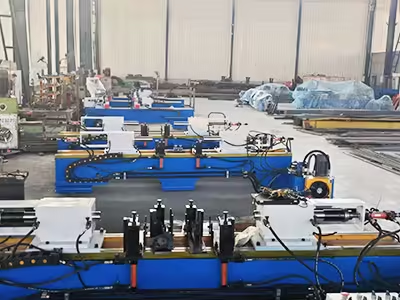
A steel pipe cutting machine is designed to cut pipes efficiently with high precision. It uses either mechanical, hydraulic, or laser technology to achieve clean, burr-free cuts. Modern machines integrate CNC technology, allowing automated feed, precise length control, and minimal human intervention.
- Operation principle: The machine clamps the pipe, then moves the cutting tool (or laser) along a programmed path to achieve a precise cut.
- Material adaptability: Works with carbon steel, stainless steel, and alloy pipes of varying diameters.
- Safety features: Most machines come with emergency stops, enclosures, and dust extraction systems to protect operators.
Key Benefits of Using a Steel Pipe Cutting Machine
Investing in a high-quality steel pipe cutting machine delivers multiple advantages:
- High Precision: Consistent pipe lengths and smooth edges reduce post-processing.
- Time Efficiency: Cuts pipes faster than manual methods, increasing output.
- Cost Savings: Reduces labor costs and material waste.
- Safety: Minimizes operator exposure to sharp edges and cutting hazards.
Types of Steel Pipe Cutting Machines
Understanding different types can help you choose the right solution for your workflow.
| Type | Cutting Method | Ideal Use | Advantages | Limitations |
|---|---|---|---|---|
| Saw Blade Machines | Rotary saws | Small to medium workshops | Low maintenance, low cost | Slower, may require deburring |
| Plasma Cutting Machines | High-temperature plasma | Thick pipes, industrial use | Fast, precise, minimal heat-affected zone | Requires skilled operators |
| Laser Cutting Machines | Laser beam | High-precision, complex cuts | Extremely precise, clean cuts, automated | High cost, power-intensive |
| CNC Automated Cutters | Mechanized or laser + CNC | Mass production | Programmable, high efficiency, minimal errors | Expensive, requires programming expertise |
Applications of Steel Pipe Cutting Machines
These machines are used across industries where pipe fabrication is critical:
- Construction: Steel structures, scaffolding, pipelines.
- Automotive: Chassis, exhaust systems.
- Oil and Gas: High-pressure pipelines.
- Furniture and Fabrication: Metal furniture, industrial racks.
How to Select the Right Steel Pipe Cutting Machine
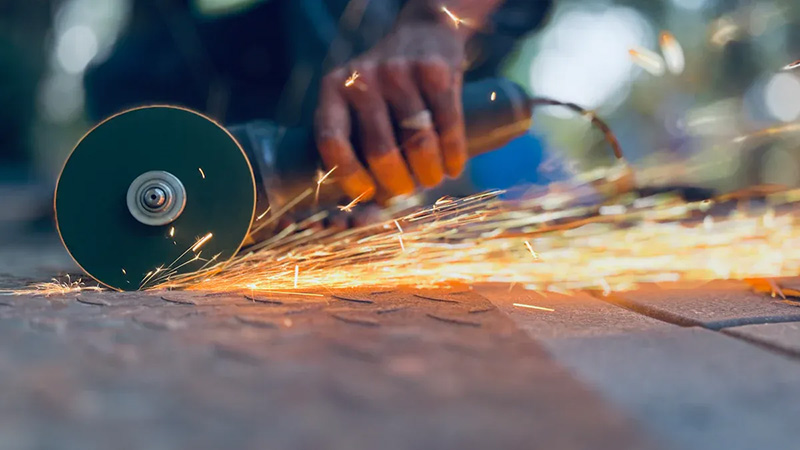
When choosing a machine, consider:
- Pipe diameter range: Ensure the machine can handle your typical pipe sizes.
- Material type: Check compatibility with carbon steel, stainless steel, or alloys.
- Cutting precision: Tolerance levels for your specific application.
- Automation level: Semi-automatic vs. fully automated.
- Maintenance requirements: Look for machines with easy service access.
You can refer to Engineering Toolbox for technical specs of different steel pipes and corresponding cutting solutions.
Maintenance Tips for Longevity
Regular maintenance improves safety and machine life:
- Inspect blades or laser optics for wear.
- Lubricate moving parts as recommended by the manufacturer.
- Ensure alignment and calibration are correct.
- Clean dust and metal debris from the cutting area.
- Schedule periodic professional inspections.
Enhancing Workflow with Automation
Integrating a steel pipe cutting machine into an automated production line reduces downtime. Automated feeding, programmable cut lengths, and connectivity with production management systems improve throughput while minimizing human error.
Common Challenges and Solutions
Even the best machines can face issues:
- Burr formation: Ensure proper cutting speed and blade type.
- Material deformation: Use clamps or supports to stabilize pipes.
- Downtime due to maintenance: Implement a proactive maintenance schedule.
Case Study: Improving Output in a Mid-Size Workshop
A mid-sized metal fabrication company struggled with inconsistent pipe lengths using manual saws. After installing a CNC automated steel pipe cutting machine:
- Production increased by 35%.
- Scrap rates reduced by 20%.
- Labor cost per cut dropped by 50%.
This case emphasizes that proper investment in cutting technology directly impacts ROI.
Future Trends in Steel Pipe Cutting
Industry trends include:
- Laser and plasma hybrid machines for faster cuts.
- IoT-enabled machines for predictive maintenance.
- AI-assisted programming to optimize cutting paths.
Conclusion
A steel pipe cutting machine is no longer just a convenience; it is a critical component for modern fabrication and material handling operations. By investing in the right machine, you gain precise, burr-free cuts, higher throughput, and improved safety for your workforce. Whether you choose a saw blade, plasma, laser, or fully automated CNC system, understanding your production requirements, pipe specifications, and maintenance needs is key to maximizing ROI. Real-world case studies show that companies implementing these machines have achieved significant reductions in labor costs, scrap rates, and production time.
FAQ
What is the typical cutting speed of a steel pipe cutting machine?
Cutting speeds vary depending on material thickness and machine type. CNC machines can cut up to 20 meters per minute for thin pipes, while laser systems vary by power rating.
Can a single machine handle multiple pipe diameters?
Yes, most modern machines support a range of diameters, but confirm the specifications before purchase.
How much maintenance is required?
Routine checks like lubrication, blade inspection, and alignment are usually weekly, with full servicing annually.
Are laser machines more cost-effective than saws?
While initial costs are higher, laser machines reduce labor and scrap, often paying back the investment in 2–3 years.
Is operator training required?
Yes, proper training ensures safe and precise operation, especially for CNC or laser systems.
Need Help Choosing the Right Steel Pipe Cutting Machine?
If you’re unsure which machine fits your production needs, our experts at Cangzhou Terok are here to help. Contact us today for a personalized consultation, and ensure your pipe fabrication is efficient, precise, and safe. Don’t wait—reach out now to maximize your workflow!
 English
  French
  Spanish