
Table of Contents
In modern manufacturing, a metal rollers machine plays a pivotal role in transforming raw sheet metal into finished components with precision and efficiency. These machines are designed to bend, shape, and roll metals such as aluminum, steel, and copper, ensuring consistent quality while reducing labor intensity and material waste. With advancements in automation and CNC technology, metal rollers machines have become indispensable in sheet metal processing industries.
Types of Metal Rollers Machines
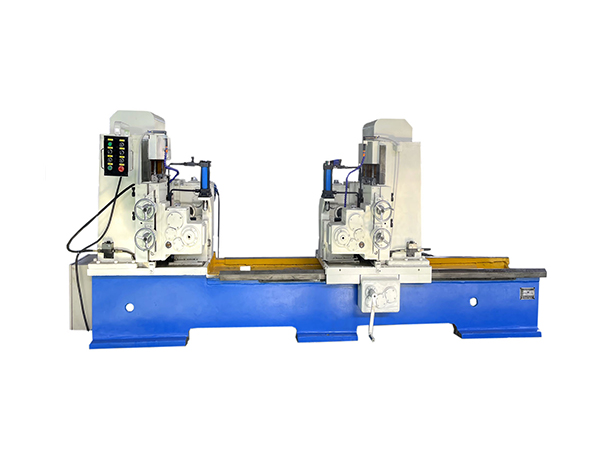
Metal rollers machines come in various types depending on your production needs:
Manual machines offer simplicity and are ideal for small-scale operations, processing aluminum or mild steel sheets up to 3mm. Automatic machines increase production speed and allow programmable operations for repeated tasks, handling materials up to 6mm thickness. CNC machines provide high precision and repeatability for stainless steel and alloy sheets, processing up to 10mm thickness. Servo-controlled rollers combine high efficiency, energy savings, and the ability to handle metals up to 12mm thick.
Key Components and Features
The main elements of a metal rollers machine include:
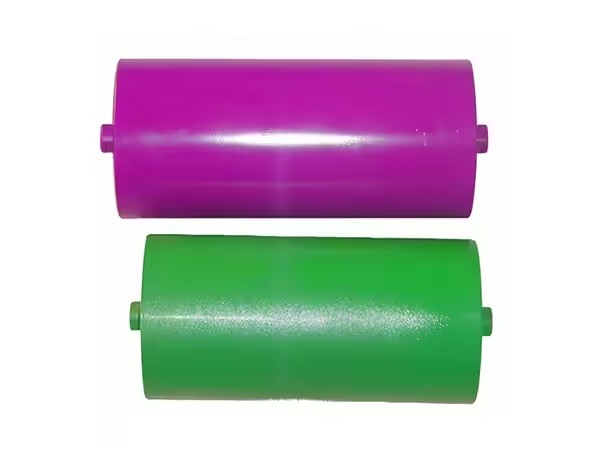
- Rollers: high-strength steel, precision-ground for smooth surface finishing
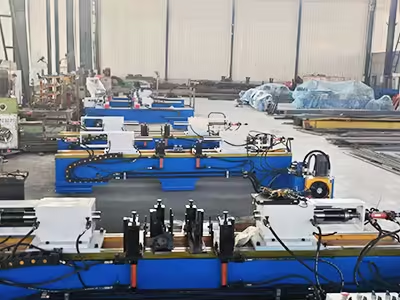
- Frame: robust, stable base that minimizes vibration
- Motors: electric or servo-controlled, providing consistent torque
- Control System: manual, PLC, or CNC, offering flexibility and automation
These features ensure precise bending, reduce labor effort, and maintain product quality across batches.
Benefits of Using a Metal Rollers Machine
Implementing a metal roller machine in your workshop or production line provides several advantages:
- Faster processing speeds, increasing throughput
- Uniform quality and accurate dimensions
- Reduced material waste due to precise rolling
- Lower labor costs with safer, automated operation
Applications in Industry
Metal roller machines are widely used across industries:
- Sheet metal fabrication for industrial enclosures and panels
- Automotive manufacturing for body parts and chassis components
- HVAC and construction materials production for ducts, panels, and beams
Comparison Table of Common Metal Rollers Machine Types
| Machine Type | Suitable Materials | Max Sheet Thickness | Key Feature |
|---|---|---|---|
| Manual Rollers | Aluminum, mild steel | 3mm | Low cost, easy maintenance |
| Automatic Rollers | Steel, aluminum, copper | 6mm | High speed, programmable control |
| CNC Rollers | Stainless steel, alloy | 10mm | High precision, repeatability |
| Servo-Controlled | All metals | 12mm | Efficient, energy-saving |
Maintenance Tips for Longevity
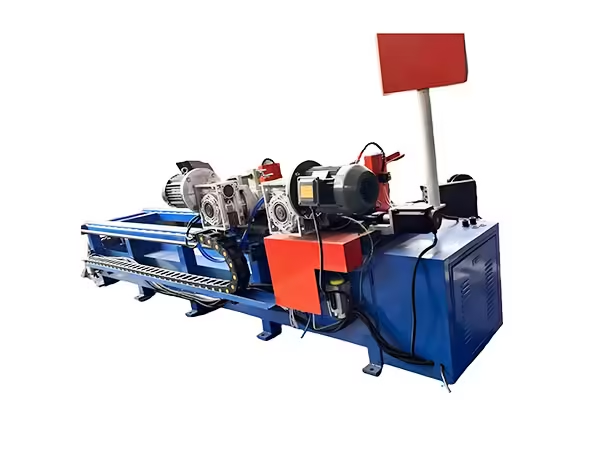
Regular maintenance ensures your metal roller machine performs consistently:
- Lubricate rollers and bearings to prevent wear
- Clean metal shavings and debris after each shift
- Check alignment, tension, and calibration regularly
- Inspect motors, drive systems, and control units periodically
Common Mistakes to Avoid
Many manufacturers face issues when using metal roller machines. Avoid these mistakes:
- Using a machine not suitable for sheet thickness or material
- Skipping maintenance schedules
- Neglecting proper calibration
- Overloading the machine beyond its design capacity
Conclusion
Metal rollers machines provide a combination of speed, precision, and cost efficiency that is unmatched in modern metal fabrication. By selecting the right type, maintaining it properly, and understanding its applications, you can enhance productivity, reduce material waste, and ensure high-quality outputs consistently.
Need Help Selecting the Right Metal Rollers Machine?
If you’re unsure which metal rollers machine is best for your manufacturing needs, Cangzhou Terok International Trade Co., Ltd. is here to help. Contact us today for a personalized consultation and ensure your production line runs efficiently and reliably. Don’t wait to improve your workflow—reach out now to maximize your metal processing capabilities.
FAQ
What is a metal rollers machine used for in manufacturing?
Metal rollers machines are used for bending, shaping, and rolling sheet metal to produce precise components for industrial applications.
How does a metal roller machine improve production efficiency?
By automating the rolling process and reducing manual labor, these machines increase speed and maintain consistent quality.
What types of materials can a metal roller machine process?
They can process steel, aluminum, copper, alloys, and other sheet metals depending on the machine type.
How do I choose the right metal roller machine for my factory?
Consider material type, sheet thickness, production volume, and required precision when selecting a machine.
What maintenance is required to ensure a metal roller machine lasts longer?
Regular lubrication, cleaning, calibration, and inspection of mechanical and electrical components are essential.
 English
  French
  Spanish