
Table of Contents
In modern manufacturing, precision, speed, and efficiency are critical for staying competitive. One of the most transformative tools in this space is the laser cutting machine tube. By leveraging high-powered lasers, manufacturers can cut, shape, and finish tubes with unparalleled accuracy and consistency. Whether you work in automotive, aerospace, HVAC, or industrial machinery, understanding how to utilize this technology effectively can significantly boost productivity and reduce costs.
Understanding Laser Cutting Machine Tubes
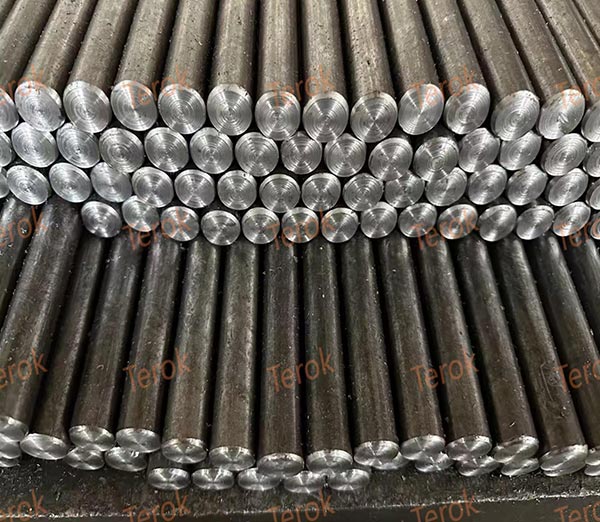
A laser cutting machine for tubes uses a focused laser beam to cut materials with extreme precision. Unlike traditional mechanical methods, laser cutting is non-contact, reducing wear and tear on tools while ensuring consistent dimensions. Tubes made from steel, aluminum, copper, and even composite materials can be processed, accommodating a wide range of industry requirements.
Key advantages include
- Reduced material waste
- Smooth, burr-free edges
- High repeatability for mass production
- Ability to cut complex geometries
For a technical overview, refer to this resource on industrial laser systems, which explains different laser types and their application in tube cutting.
Core Components of a Laser Tube Cutting System
To understand why laser cutting machine tube technology is so effective, it’s important to look at its primary components:
- Laser Source: Provides the energy for cutting; common types include CO₂, fiber, and Nd:YAG lasers.
- Beam Delivery System: Directs the laser accurately to the tube surface.
- CNC Controller: Guides the movement of the tube and laser for precision cuts.
- Tube Clamping and Feeding System: Ensures the tube remains stable and correctly positioned during processing.
- Cooling and Exhaust System: Maintains optimal machine performance and removes fumes generated during cutting.
Each element contributes to higher accuracy, faster processing, and longer machine life.
Case Study: Automotive Exhaust Manufacturing
Consider an automotive exhaust manufacturer that recently integrated a laser cutting machine tube system into its production line. Previously, the company relied on mechanical saws, which resulted in uneven cuts and frequent rework. After switching to laser cutting:
- Cut accuracy improved by 98%
- Production time per tube reduced by 40%
- Material waste decreased by 25%
This case clearly demonstrates how implementing laser cutting technology directly impacts efficiency and cost-effectiveness.
Benefits of Using Laser Cutting Machines for Tubes
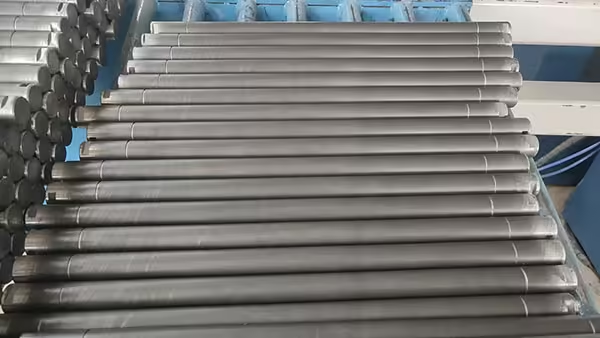
Adopting laser cutting machine tube technology offers numerous advantages for manufacturers:
- Precision and Accuracy: Cuts within 0.1 mm tolerance.
- Reduced Labor Costs: Automated systems require fewer operators.
- Minimal Material Waste: Non-contact cutting avoids mechanical deformation.
- Flexibility: Capable of cutting complex profiles and angles.
- Lower Maintenance: No mechanical blades that wear down.
These benefits translate directly into operational efficiency and higher ROI.
Integrating Laser Tube Cutting into Your Production Line
When considering a laser cutting machine tube for your facility, evaluate
- Tube diameter and length
- Wall thickness and material type
- Desired cut quality and finish
- Production volume and speed
- Existing automation systems
A detailed assessment ensures the machine matches your operational needs, avoiding underutilization or overspending.
Maintenance and Safety Considerations
To maximize lifespan and ensure operator safety, follow these guidelines:
- Perform routine laser lens cleaning and alignment checks.
- Monitor the cooling system to prevent overheating.
- Use proper ventilation to remove fumes and particulate matter.
- Implement training programs for operators on safe handling and emergency procedures.
Maintaining your laser cutting machine tube system is critical for consistent performance and regulatory compliance.
Future Trends in Tube Laser Cutting
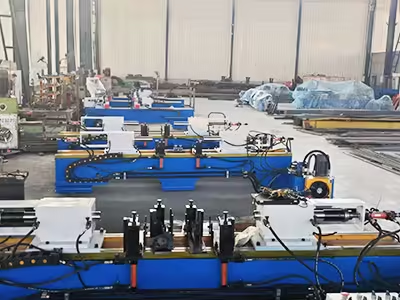
The laser cutting industry is rapidly evolving. Emerging trends include:
- AI-driven cut path optimization
- Integration with robotic arms for fully automated production
- Real-time quality monitoring using vision systems
- Multi-laser systems for faster throughput
Keeping up with these innovations allows you to maintain a competitive edge and explore new applications.
Conclusion
Investing in a laser cutting machine tube is a game-changer for modern tube fabrication. From improved precision and efficiency to reduced waste and operational costs, this technology empowers manufacturers to meet tight production deadlines without compromising quality. By understanding the core components, materials, and maintenance requirements, you can maximize the machine’s potential and transform your production line into a high-performance operation.
FAQ
What materials can be cut with a tube laser cutting machine?
Common materials include stainless steel, aluminum, copper, carbon steel, and some composite tubes. Each material may require a specific laser type and power setting.
Can laser cutting machines handle thick-walled tubes?
Yes, fiber lasers can cut tubes up to 20 mm thick, depending on power and material type.
How accurate is tube laser cutting?
Typical tolerances are within 0.1 mm, providing extremely precise and repeatable cuts.
What are the main advantages over traditional saw cutting?
Laser cutting provides cleaner edges, reduces material waste, requires less labor, and can handle complex geometries with minimal setup.
How often should I maintain my tube laser cutting machine?
Preventive maintenance is recommended weekly for cleaning lenses and monthly for full system checks, with additional attention to the cooling and exhaust systems.
 English
  French
  Spanish