

Table of Contents
Introduction
The head pulley plays a pivotal role in the overall performance of conveyor systems. If you’re operating a material handling system, understanding how the conveyor head roller functions and how to select the right one can make a significant difference in system efficiency, safety, and maintenance costs. In this blog, we’ll explore the crucial aspects of conveyor head rollers, common mistakes to avoid, and how you can improve your conveyor system’s performance by choosing the right head pulley for your needs.
What is a Head Pulley?
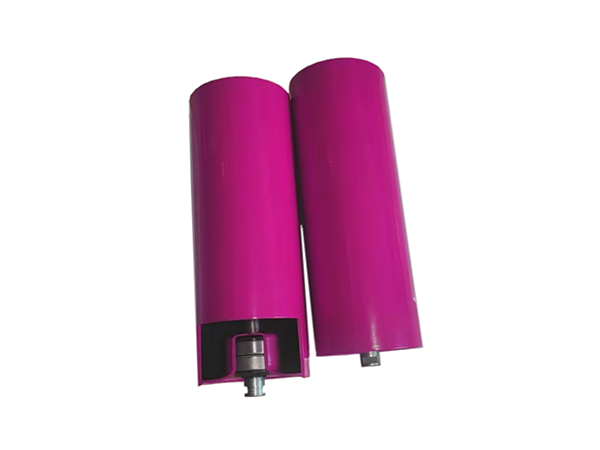
The head pulley is the driving force in a conveyor system. It is positioned at the end of the conveyor belt and is responsible for propelling the belt forward. As materials move along the conveyor belt, the conveyor head roller helps transfer them to different parts of the production process or storage.
- Main Function: The conveyor head roller drives the conveyor belt, ensuring consistent material flow and belt tensioning.
- Location: It is typically located at the discharge end of the conveyor system.
- Significance: The conveyor head roller plays a critical role in maintaining belt stability and controlling material speed.
Common Problems with Head Pulleys
Without the right conveyor head roller, conveyor systems can face several challenges:
- Slippage and Tension Issues: If the pulley doesn’t provide adequate tension, the belt can slip, causing delays and system inefficiencies.
- Belt Wear and Tear: Poorly designed or misaligned conveyor head rollers can increase friction, leading to excessive wear on both the pulley and the belt.
- Frequent Maintenance: Poor performance or damaged pulleys can lead to more frequent maintenance, downtime, and increased operational costs.
These challenges not only affect the reliability of your system but also increase maintenance costs and safety risks.
How a Properly Chosen Head Pulley Solves These Problems
By selecting the right head pulley, you can avoid common pitfalls and optimize your conveyor system. Here’s how:
| Problem | Solution with the Right Head Pulley |
|---|---|
| Slippage and tension issues | Properly designed pulleys ensure correct belt tension. |
| Excessive wear and tear | High-quality pulleys minimize friction and reduce wear. |
| Frequent breakdowns and downtime | Robust pulleys reduce maintenance needs and system downtime. |
| Inefficient material flow | A correctly sized pulley optimizes material handling and throughput. |
With the right pulley in place, your conveyor system will run smoothly, leading to higher productivity, less downtime, and lower maintenance costs.
Types of Head Pulleys
Not all conveyor head rollers are created equal. Depending on your operational needs, you may need a specific type of conveyor head roller to ensure optimal performance:
- Drive Pulleys: The main power source in the conveyor system that drives the belt.
- Non-Drive Pulleys: These pulleys support the belt, ensuring its proper alignment and tension.
- Magnetic Head Pulleys: Designed to remove ferrous contaminants from the material stream.
- Lagged Head Pulleys: Equipped with a rubber coating to improve traction and reduce slippage in wet or heavy-duty applications.
How to Choose the Right Head Pulley
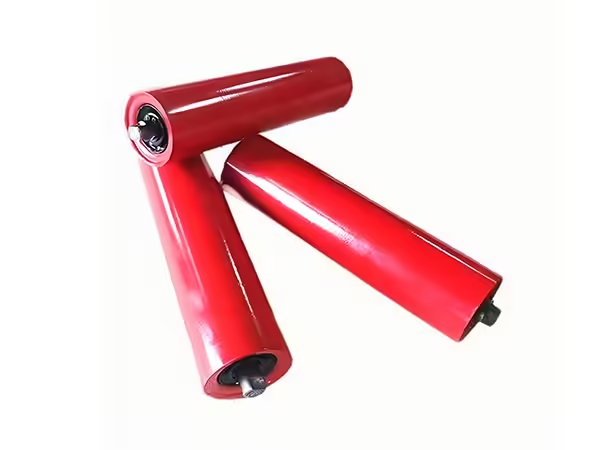
Selecting the right conveyor head roller is crucial for ensuring your conveyor system operates at peak efficiency. Here are key factors to consider:
| Factor | Considerations |
|---|---|
| Pulley Size and Diameter | Choose a size that ensures proper belt tension and material handling. |
| Load Capacity | Ensure the pulley can handle the maximum load your system will face. |
| Pulley Material | For harsh environments, opt for materials like stainless steel for corrosion resistance. |
| Surface Coating | Consider lagging for increased friction in wet conditions or for heavy loads. |
| Pulley Design | Opt for designs that reduce friction and ensure smooth, stable belt operation. |
Choosing the right conveyor head roller is not just about size; it’s about making sure the material and design are suited for your specific application, whether you’re dealing with high-load capacities, corrosive environments, or needing higher friction.
Benefits of Upgrading Your Head Pulley
Upgrading to a high-quality conveyor head roller brings multiple benefits, including:
- Improved Operational Efficiency: Proper tension and smooth belt operation lead to more consistent throughput.
- Reduced Wear and Tear: Less friction means fewer repairs and longer equipment lifespan.
- Lower Maintenance Costs: Quality conveyor head rollers reduce the need for constant maintenance and repairs.
- Enhanced Safety: With better pulley design and operation, there’s less risk of accidents and injuries on the job.
Maintenance Tips for Head Pulleys
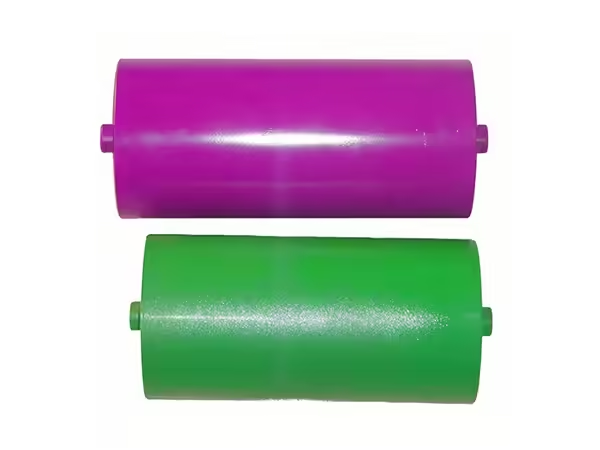
To maximize the lifespan and performance of your conveyor head roller, regular maintenance is essential. Here are some tips:
- Regular Inspections: Check for signs of wear, damage, or misalignment.
- Lubrication: Proper lubrication reduces friction and extends the life of the pulley.
- Belt Tension: Regularly check and adjust the belt tension to prevent slippage.
- Cleaning: Keep the pulley clean from debris that could cause friction or damage.
By following these maintenance tips, you can ensure your conveyor head roller continues to perform optimally and reduce the likelihood of unexpected breakdowns.
Conclusion
The head pulley is a crucial component of any conveyor system. By selecting the right conveyor head roller, you can enhance efficiency, reduce downtime, improve safety, and lower maintenance costs. Don’t let poor pulley performance hinder your system’s capabilities—take the time to choose the best conveyor head roller for your needs.
Need help choosing the right head pulley for your system? Contact us at Cangzhou Terok International Trade Co., Ltd., and our experts will assist you in selecting the perfect conveyor head roller to optimize your conveyor system. Don’t wait—reach out today to boost your operational efficiency and reduce downtime!
FAQ
What is the purpose of a head pulley?
A head pulley drives the conveyor belt, ensuring consistent material flow and maintaining proper belt tension.
How can I identify when my conveyor head roller needs replacing?
Regular inspections and signs of excessive wear or misalignment can help determine when a replacement is necessary.
What types of conveyor head rollers are available?
The most common types include drive pulleys, non-drive pulleys, magnetic conveyor head rollers, and lagged conveyor head rollers.
How do I choose the correct conveyor head roller for my system?
Consider factors like pulley size, load capacity, material, and design to ensure the pulley suits your operational needs.
What maintenance is required for a conveyor head roller?
Routine inspections, lubrication, belt tension checks, and cleaning are essential to keep the conveyor head roller performing optimally.

 English
  French
  Spanish