
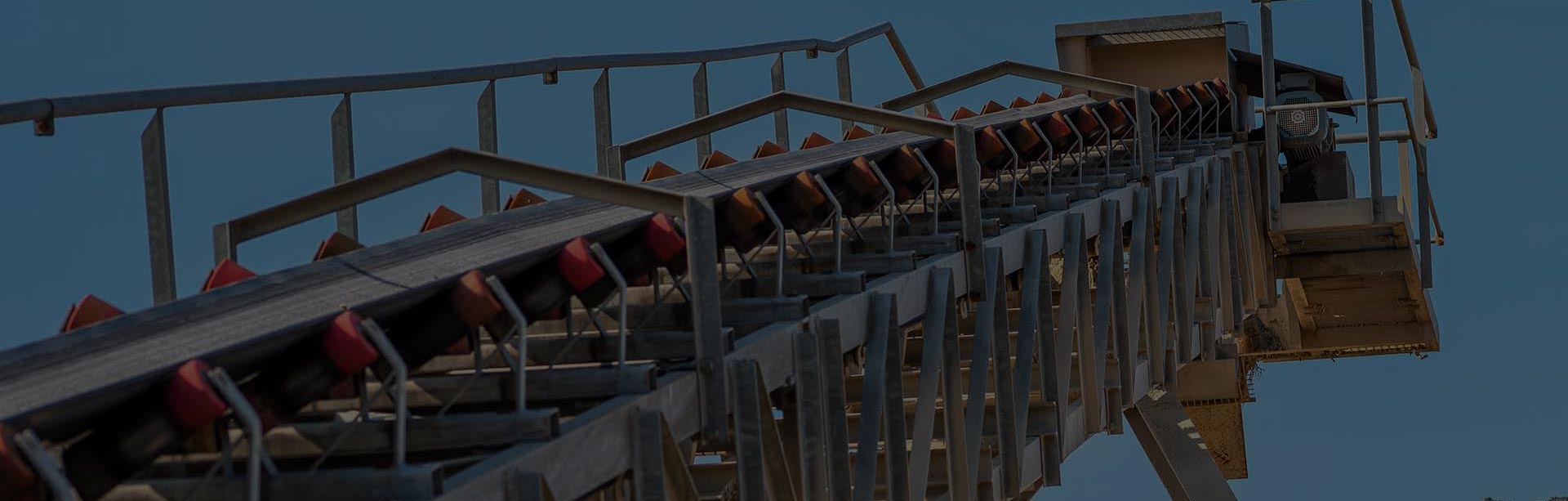
Si vous exécutez un système de manutention de matériaux en vrac, vous savez déjà que la ligne de convoyage est aussi solide que ses rouleaux Lorsque les rouleaux tombent en panne, tout ralentit les arrêts de production, les coûts de maintenance augmentent et le flux de matériaux devient instable.
C'est exactement pourquoi rouleaux de convoyeur lourds ne sont pas seulement des composants ; ils sont le fondement de la fiabilité du système Dans les systèmes d'extraction minière, de manutention des granulats, de traitement de l'acier et de transport en vrac continu, la mise à niveau de la qualité des rouleaux conduit souvent à des améliorations immédiates des performances.
Dans cet article, vous apprendrez comment les rouleaux de convoyeur robustes affectent la stabilité du système, quelles caractéristiques de conception comptent le plus, comment sélectionner le bon type pour votre application et comment les environnements de production réels bénéficient de la mise à niveau vers des rouleaux de qualité industrielle.
Table des matières
Pourquoi les rouleaux de convoyeur robustes sont importants dans les systèmes industriels
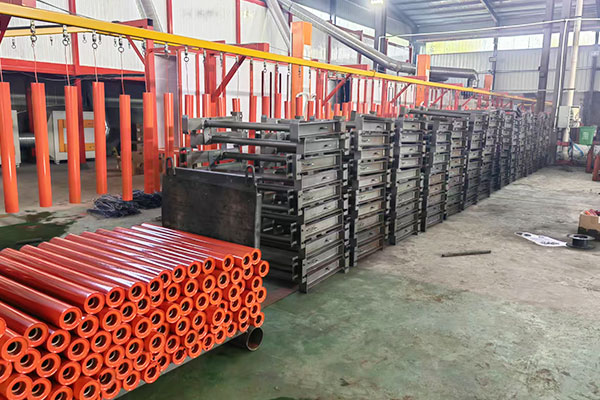
Lorsque vous faites fonctionner un système de convoyage sous charge continue, les rouleaux sont constamment exposés à
- Impact des matériaux en vrac
- Poussières et particules abrasives
- Forte contrainte de rotation
- Pression de désalignement
- Heures de fonctionnement longues
Dans les systèmes légers, les rouleaux standards peuvent fonctionner Mais dans les environnements à charges lourdes, les taux de défaillance augmentent fortement si la résistance des rouleaux n'est pas suffisante.
Les rapports de maintenance de l'industrie montrent que les rouleaux de mauvaise qualité peuvent représenter plus de 401TP3 T de problèmes d'arrêt du convoyeur dans les systèmes de matériaux en vrac Cela signifie que votre choix de rouleau influence directement la productivité, l'efficacité énergétique et le coût de maintenance.
Les rouleaux de convoyeur robustes résolvent ce problème en augmentant la résistance structurelle, en améliorant les performances d'étanchéité et en réduisant l'usure à long terme.
Comprendre ce qui fait un rouleau convoyeur“Heavy Duty”
Tous les rouleaux étiquetés “industrial” ne sont pas vraiment lourds Si vous voulez une réelle amélioration des performances, vous devez comprendre ce qui définit la construction robuste.
Les caractéristiques clés comprennent :
- Paroi de tube en acier plus épaisse pour une capacité de charge plus élevée
- Boîtiers de roulements renforcés
- Conception d'arbre à haute résistance
- Système d'étanchéité amélioré pour la résistance à la poussière et à l'humidité
- Rotation équilibrée pour une vibration réduite
- Systèmes de lubrification longue durée
Ces perfectionnements permettent aux rouleaux de fonctionner en continu sous forte charge sans déformation ni défaillance prématurée.
Comment fonctionnent les rouleaux de convoyeur robustes dans les systèmes réels
Dans votre système de convoyeur, les rouleaux remplissent trois fonctions clés :
- Poids du matériau de support
- Maintenir l'alignement de la ceinture
- Réduisez la friction entre la ceinture et la structure
Les rouleaux robustes améliorent simultanément les trois fonctions.
Lorsque la charge augmente, les rouleaux les plus faibles ont tendance à se déformer légèrement, créant un mouvement inégal de la courroie Au fil du temps, cela entraîne des problèmes de suivi de la courroie et une augmentation de la consommation d'énergie du moteur.
Les rouleaux robustes résistent à la déformation, gardant la bande transporteuse stable même dans des conditions de chargement à fort impact. Ceci est particulièrement important dans les systèmes de convoyeurs longue distance où de petits écarts s'accumulent sur la distance.
Caractéristiques clés de conception auxquelles vous devez prêter attention
Avant de sélectionner les rouleaux, vous devez évaluer leur structure interne Les éléments de conception les plus importants comprennent notamment
- Type de roulement et indice de charge
- Structure d'étanchéité pour la résistance à la poussière
- Épaisseur du tube et qualité du matériau
- Diamètre et renforcement de l'arbre
- Méthode de lubrification
- Traitement de surface (revêtement anti-corrosion)
Parmi celles-ci, les performances d'étanchéité sont souvent sous-estimées Dans les environnements poussiéreux, une mauvaise étanchéité conduit à une contamination des roulements, qui est l'une des causes les plus courantes de défaillance des rouleaux.
Comparaison des rouleaux de convoyeur standard et lourds
Pour vous aider à bien comprendre la différence, voici une comparaison pratique basée sur les modes d'utilisation industriels :
| Fonctionnalité | Rouleaux de convoyeur standard | Rouleaux de convoyeur robustes |
|---|---|---|
| Capacité de charge | Moyen | Élevé à très élevé |
| Vie de service | Plus court sous forte charge | Durabilité étendue |
| Protection d'étanchéité | Résistance aux poussières de base | Système d'étanchéité multicouche |
| Fréquence de maintenance | Plus haut | Inférieur |
| Résistance aux vibrations | Modéré | Haute stabilité |
| Environnement approprié | Droit léger à moyen | Mines, manutention en vrac, industrie lourde |
Cette comparaison montre pourquoi les rouleaux robustes sont essentiels lorsque votre système fonctionne sous contrainte continue.
Exemple de cas réel : mise à niveau du système de convoyeur dans la manutention de matériaux en vrac
Pour mieux comprendre l'impact réel, envisagez un scénario de mise à niveau typique dans une installation de manutention de matériaux en vrac.
Avant la mise à niveau, le système utilisait des rouleaux standards L'opérateur faisait face à
- Défaillances fréquentes des roulements à rouleaux
- Problèmes de désalignement de la ceinture
- Temps d'arrêt de maintenance élevé
- Répartition inégale de la charge
Après le passage aux rouleaux transporteurs lourds, les améliorations ont été perceptibles en quelques semaines :
- Les intervalles d'entretien ont augmenté de manière significative
- Stabilité de la bande transporteuse améliorée
- Fréquence de remplacement des rouleaux réduite
- La consommation d'énergie est devenue plus stable en raison de la réduction des frottements
L'une des améliorations les plus importantes était la cohérence Au lieu de pannes imprévisibles, le système est devenu stable et plus facile à gérer.
Ce type d’amélioration est particulièrement important dans les environnements de production continue où les temps d’arrêt affectent directement la production.
Où les rouleaux de convoyeur robustes obtiennent les meilleurs résultats
Ces rouleaux ne sont pas universels, ils sont conçus pour des conditions exigeantes telles que :
- Systèmes de convoyeurs miniers
- Transport de matières agrégées et en vrac
- Lignes de traitement de l'acier
- Systèmes logistiques industriels à grande échelle
- Lignes de production continues à forte charge
Ils sont particulièrement efficaces dans les environnements avec :
- Exposition élevée aux poussières
- Chargement par impact lourd
- Longues distances de convoyage
- Fonctionnement continu 24h/24 et 7j/7
Comment la technologie d'étanchéité améliore les performances des rouleaux
L’un des facteurs les plus importants dans la conception des rouleaux robustes est l’efficacité de l’étanchéité.
Les rouleaux modernes utilisent souvent des systèmes d'étanchéité de type labyrinthe, où de multiples barrières internes empêchent la poussière et l'humidité de pénétrer dans la zone de roulement. Au lieu de joints à contact direct, la conception du labyrinthe force les contaminants à travers un chemin d'enroulement où leur énergie se dissipe.
Cette structure réduit considérablement la contamination des roulements, qui est l'une des principales causes de défaillance des rouleaux dans les environnements industriels.
Une meilleure étanchéité signifie directement :
- Durée de vie portante plus longue
- Perte de lubrification réduite
- Coût d'entretien inférieur
- Fiabilité du système supérieure
Comment choisir le bon rouleau de convoyeur robuste
Lors de la sélection des rouleaux, vous devez évaluer votre système en fonction de :
- Charge par rouleau
- Vitesse du convoyeur
- Type de matériau transporté
- Conditions environnementales
- Durée de vie requise
- Capacité d'entretien
Une erreur courante consiste à choisir des rouleaux en fonction uniquement du prix En réalité, le coût total du cycle de vie est plus important que le coût d'achat initial.
Un rouleau robuste légèrement plus cher réduit souvent considérablement les coûts de maintenance et de remplacement au fil du temps.
Pratiques de maintenance qui prolongent la durée de vie des
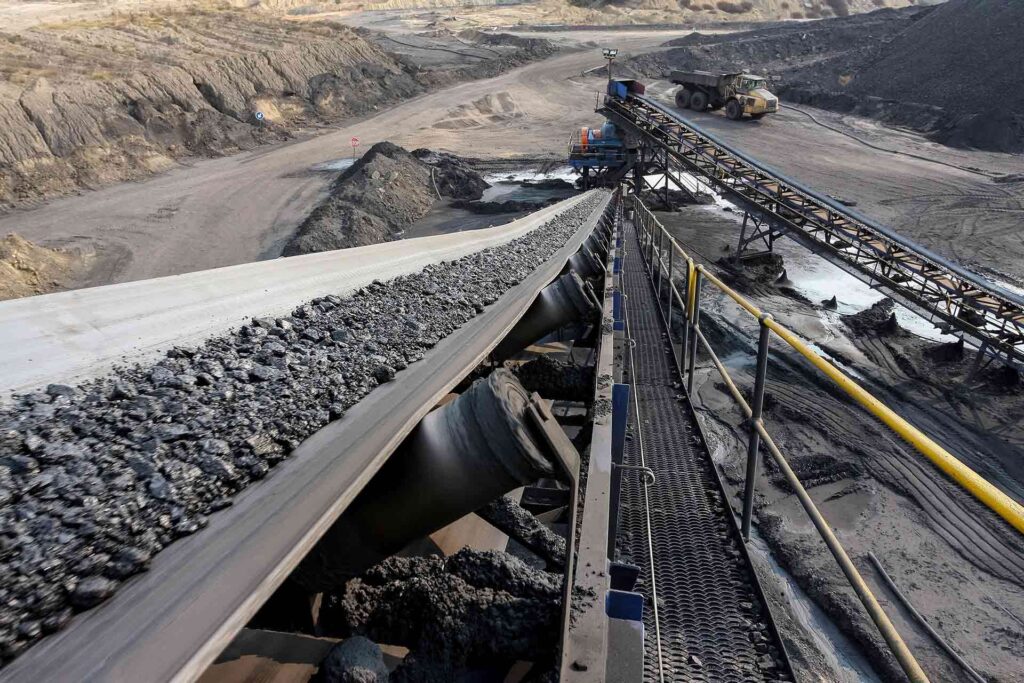
Même les rouleaux de haute qualité nécessitent un entretien adéquat Vous pouvez améliorer les performances en suivant ces pratiques :
- Inspection régulière de la douceur de rotation des rouleaux
- Nettoyage de l'accumulation de poussière autour des joints
- Vérification des vibrations ou du bruit anormaux
- Assurer un alignement correct de la ceinture
- Remplacement immédiat des rouleaux endommagés
Dans les systèmes bien entretenus, les rouleaux robustes peuvent dépasser considérablement les attentes standard en matière de durée de vie.
Avantages économiques de la mise à niveau vers des rouleaux robustes
D'un point de vue commercial, la mise à niveau des rouleaux n'est pas seulement une décision technique et constitue une stratégie d'optimisation des coûts.
Vous bénéficiez de:
- Temps d'arrêt réduit
- Coût de main-d'œuvre d'entretien inférieur
- Moins de pièces de rechange
- Amélioration de l'efficacité énergétique
- Stabilité de production supérieure
Dans les environnements de fonctionnement continu, même de faibles gains d’efficacité peuvent entraîner des économies annuelles substantielles.
Réflexions finales
Les rouleaux de convoyeur robustes ne sont pas seulement des composants essentiels pour tout système de convoyeur industriel sérieux. Lorsque vous choisissez la bonne conception de rouleau, vous améliorez directement la stabilité du système, réduisez les temps d'arrêt et augmentez la productivité globale.
Au lieu de réagir aux pannes, vous pouvez construire dès le départ un système conçu pour une fiabilité à long terme.
FAQ
Que sont rouleaux de convoyeur lourds utilisé pour ?
Ils sont utilisés dans les systèmes qui gèrent des charges élevées, telles que l’exploitation minière, le transport de matériaux en vrac et les lignes de production industrielle lourde.
Combien de temps durent les rouleaux de convoyeur robustes ?
La durée de vie dépend de la charge et de l'environnement, mais ils durent généralement beaucoup plus longtemps que les rouleaux standards dans des conditions similaires.
Les rouleaux robustes peuvent-ils réduire les coûts de maintenance
Oui, parce qu'ils nécessitent moins de remplacements et un entretien moins fréquent.
Qu'est-ce qui cause la défaillance du
Les causes courantes incluent la contamination des roulements, une mauvaise étanchéité, un désalignement et une charge excessive.
Les rouleaux robustes conviennent-ils aux convoyeurs à grande vitesse ?
Oui, s'il est correctement équilibré et conçu pour la vitesse de fonctionnement requise.
Comment savoir si j'ai besoin de rouleaux lourds ?
Si votre système fonctionne sous charge continue, matériau lourd ou environnements difficiles, les rouleaux robustes sont fortement recommandés.
 French
  English
  Spanish