

Table of Contents
Introduction
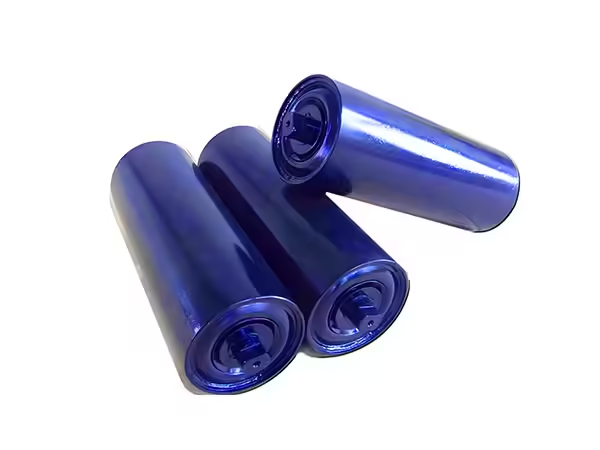
If you’ve ever worked in a warehouse, manufacturing line, or logistics center, you know that efficiency is everything. Conveyor rollers are the unsung heroes of material handling—they keep products moving smoothly, reduce bottlenecks, and ensure your system operates at peak efficiency.
Modern conveyor rollers are available in a variety of diameters and lengths to meet specific operational needs. Selecting the right roller can improve productivity, extend equipment lifespan, and reduce maintenance costs. In this guide, we’ll dive into the key specifications, applications, and benefits of conveyor rollers, providing you with actionable insights to optimize your material handling systems.
Conveyor Roller Specifications: Sizes, Lengths, and Bearings
Conveyor rollers come in multiple sizes and configurations to meet different operational demands. Here’s a clear overview of the commonly used specifications:
| Roller Diameter (φ) | Length Range (mm) | Common Bearing Models | Typical Use Cases |
|---|---|---|---|
| 76 | 100–200 | 204 | Light-duty conveyors, small parts handling |
| 89 | 180–200 | 204, 205 | Medium-duty assembly lines |
| 108 | 200–300 | 205, 305 | Packaging lines, general material handling |
| 133 | 300–500 | 305 | Heavy-load conveyors, pallet handling |
| 159 | 500–700 | 305, 306 | High-volume manufacturing |
| 194 | 700–1500 | 306 | Industrial bulk transport |
| 219 | 2200–2800 | 306 | Long conveyors, logistics sorting centers |
Choosing the correct diameter, length, and bearing is crucial. For example, larger diameters with robust bearings handle higher loads with less wear, extending service life and reducing downtime.
Types of Conveyor Rollers and Their Uses
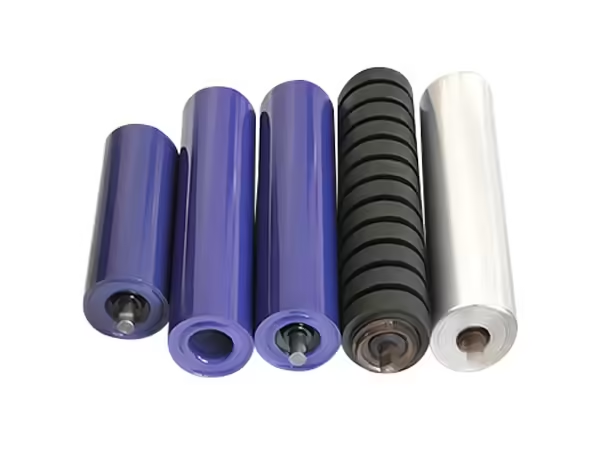
Not all conveyor rollers are the same. Selecting the right type ensures optimal performance and prevents costly system failures. Here’s a breakdown:
Standard Rollers
Standard rollers are ideal for general material handling tasks and lightweight products. They provide smooth operation for straightforward conveyor setups, such as small assembly lines or packaging operations. Because of their simplicity, they are cost-effective and easy to maintain, making them a popular choice for low-to-medium volume applications.
Heavy-Duty Rollers
Heavy-duty rollers are specifically engineered for high-load applications, such as transporting pallets, heavy machinery parts, or bulk materials. These rollers feature reinforced shafts and robust bearings that can withstand significant weight and frequent use. Using heavy-duty rollers reduces wear and tear, extends the conveyor system’s lifespan, and helps prevent downtime due to roller failure.
Powered Rollers
Powered rollers come with integrated motors that drive the movement of materials, eliminating the need for external belts or manual pushing. They are perfect for inclined conveyors, automated assembly lines, and high-speed operations. By automating material movement, powered rollers increase efficiency, reduce manual labor, and provide consistent throughput across the production line.
Impact Rollers
Impact rollers are designed to absorb shocks at loading or transfer points, protecting both the rollers and conveyor belts from damage. They are typically installed in areas where heavy items are frequently loaded or dropped, such as loading docks and high-volume sorting centers. The cushioning effect minimizes maintenance costs and prevents premature wear, ensuring smooth and reliable operation.
Professional Tip: Choosing the correct roller type for your application not only improves performance but also reduces operational costs and prolongs the life of your conveyor system.
Applications of Conveyor Rollers
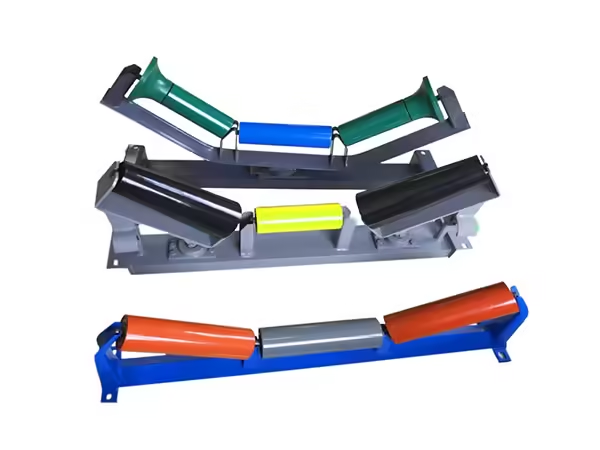
Conveyor rollers play a pivotal role in various industries, and understanding their application can help you make informed choices:
Manufacturing
In manufacturing environments, conveyor rollers are essential for transporting raw materials, work-in-progress components, and finished products efficiently. They help maintain a consistent flow, reduce manual handling, and streamline production lines, which can significantly boost overall productivity.
Warehousing & Distribution
Warehouses rely on conveyor rollers to move items quickly and safely, especially in high-volume order fulfillment centers. By reducing the need for manual lifting, conveyor rollers improve worker safety, reduce fatigue, and increase processing speed. Properly sized rollers ensure smooth transport of boxes and packages of various shapes and weights.
Food & Beverage
In the food and beverage industry, hygiene and compliance are critical. Conveyor rollers designed for these environments often feature corrosion-resistant materials or sanitary coatings. They enable safe handling of products while preventing contamination and ensuring regulatory compliance. Additionally, rollers in this sector often need to handle high-speed operations without compromising product quality.
Logistics & Parcel Sorting
High-frequency sorting centers and logistics hubs use durable conveyor rollers capable of withstanding continuous use. Proper roller selection ensures items move efficiently through scanning, sorting, and packaging processes. Choosing the right diameter, length, and bearing type minimizes jams and system downtime, which is vital for time-sensitive operations.
Insightful Observation: Industrial efficiency reports show that correctly selected conveyor rollers can increase material handling speed by up to 20%, improving throughput and reducing labor costs across the facility.
Benefits of Choosing the Right Conveyor Rollers
Selecting the appropriate conveyor rollers offers multiple advantages:
Enhanced Efficiency
Selecting the correct roller specifications ensures smooth, uninterrupted operation, reducing system bottlenecks. This results in faster processing times and more reliable production flow.
Improved Load Handling
Matching roller diameter and bearing type to your load requirements prevents deformation or failure under heavy weight. Proper load distribution reduces stress on the conveyor and prolongs the service life of all components.
Reduced Maintenance Costs
High-quality rollers with appropriate bearings reduce wear, lower replacement frequency, and decrease maintenance labor. Investing in the right roller today prevents unexpected downtime tomorrow.
Longevity and Reliability
Rollers that are correctly matched to their application will last longer and perform consistently. Reliability is especially important for high-volume operations where downtime can have significant cost implications.
Safe Operation
Well-chosen rollers reduce the risk of product damage, conveyor jams, and worker injuries. Ensuring your system is smooth and predictable promotes a safer work environment.
Pro Insight: Investing in the right roller specifications not only saves money but also increases operational confidence and overall productivity.
Maintenance Tips for Conveyor Rollers
Proper maintenance not only prolongs roller life but also keeps your entire conveyor system running efficiently:
Regular Cleaning
Dust, debris, and material residue can accelerate wear on conveyor rollers. Regular cleaning, especially in dusty or dirty environments, ensures smooth operation and prevents material buildup that could cause jams or roller damage.
Lubrication
Proper lubrication of bearings is essential to minimize friction and prevent overheating. Depending on roller type and operational frequency, lubrication should be performed regularly, typically every 3–6 months, to maintain optimal performance.
Inspection
Routine inspection of roller alignment, bearing condition, and rotational smoothness helps identify issues before they cause system downtime. Misaligned rollers can create belt wear, reduce efficiency, and lead to premature failure.
Replacement
Replace worn or damaged rollers promptly to maintain system integrity. Waiting too long can result in damage to the conveyor belt or other components, leading to higher repair costs and production delays.
Pro Insight: Simple maintenance practices can extend the lifespan of rollers by several years, ensuring your investment continues to deliver reliable performance.
How to Choose the Right Conveyor Roller
Choosing the ideal conveyor roller requires careful consideration of several factors:
Diameter & Length
The roller’s diameter and length must match the conveyor’s load and layout requirements. Larger diameters handle heavier loads and reduce bending, while proper length ensures stability and optimal material flow.
Bearing Type
Selecting the correct bearing ensures the roller can support expected weight and operate smoothly. Bearings such as 204, 205, 305, and 306 are common, and choosing the right one reduces friction, wear, and maintenance needs.
Roller Material
Consider environmental conditions when selecting roller materials. Stainless steel rollers resist moisture and corrosion, while coated or plastic rollers may be preferable for abrasive or sensitive products.
Operational Needs
Determine whether your application requires heavy-duty, powered, or impact rollers. Understanding your workflow, load frequency, and material type helps you make an informed decision.
Tip: Creating a comprehensive checklist of your operational needs—including load, speed, environment, and maintenance capabilities—ensures the conveyor rollers you choose maximize efficiency, safety, and reliability.
Conclusion
Choosing the right conveyor rollers is essential for operational efficiency, safety, and long-term cost savings. By understanding the importance of roller diameters, lengths, bearing types, and specific applications, you can make well-informed decisions that enhance the performance and reliability of your material handling system.
Contact us today for a personalized consultation and discover how our solutions can optimize your conveyor operations for greater productivity and safety. Don’t wait to upgrade your workflow—reach out to Cangzhou Terok International Trade Co., Ltd. now and take your material handling performance to the next level!
FAQ
How do I know which roller diameter is right for my system?
Match the diameter with load requirements—larger diameters handle heavier loads with less wear.
Can I customize conveyor roller lengths?
Yes, rollers can be customized based on system length and application needs, from short 180mm rollers to over 2800mm for long conveyors.
What bearing types are most common?
Bearings like 204, 205, 305, and 306 are standard, chosen based on load and roller diameter.
How often should rollers be maintained?
Inspect and lubricate bearings regularly, ideally every 3–6 months, and replace worn rollers promptly.
Which industries benefit most from conveyor rollers?
Manufacturing, warehousing, logistics, food & beverage, and heavy industry all rely heavily on properly specified conveyor rollers.
Need Help Selecting the Right Conveyor Rollers?
At Cangzhou Terok International Trade Co., Ltd., we specialize in high-quality conveyor components designed to deliver precision, durability, and efficiency. If you’re unsure which rollers best suit your system, our technical experts are ready to assist you.
 English
  French
  Spanish