
Table of Contents
Introduction
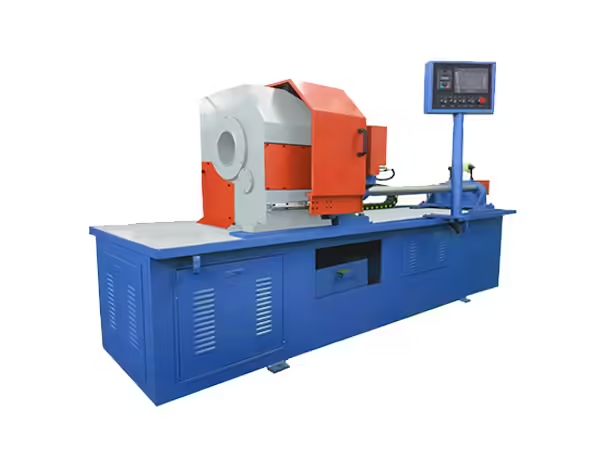
In modern manufacturing and construction, efficiency and precision are paramount. Cutting pipe machine play a crucial role in simplifying operations by delivering precise, consistent cuts across various pipe materials. Whether you’re working with metal, plastic, or composite pipes, selecting the right machine enhances productivity, reduces waste, and lowers operational costs.
This article will introduce different types of cutting pipe machine, their key components, operating principles, selection criteria, maintenance tips, and common user questions.
What Is a Cutting Pipe Machine?
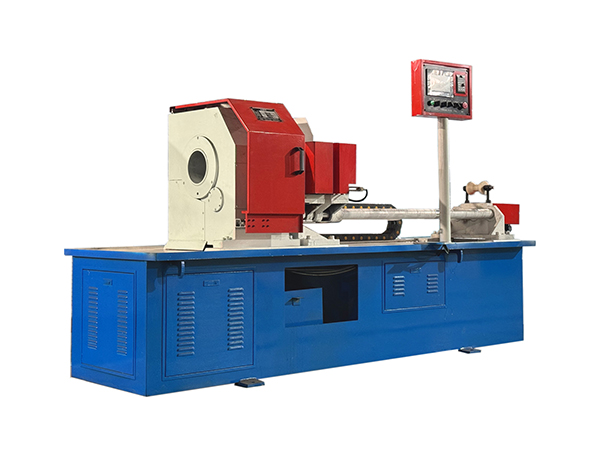
A cutting pipe machine is a device designed to cut pipes into desired lengths with precision. These machines vary from manual to fully automatic, and each type has its own advantages depending on the production volume and material.
Key Elements of a Cutting Pipe Machine
A high-quality cutting pipe machine is made up of several essential elements:
Feeding System
The feeding system transports the pipe into the cutting area automatically or manually. Proper feeding ensures consistent cuts and reduces material misalignment.
Clamping Mechanism
Clamps securely hold the pipe in place during cutting, preventing movement and ensuring accuracy.
Cutting Tool / Blade
The cutting element can be a rotating saw, blade, or laser, depending on the machine type. Blade material and sharpness directly affect cut quality and lifespan.
Control System
Digital or mechanical controls allow operators to set cut length, speed, and precision. Advanced systems may include programmable logic for automation.
Ejection System
After cutting, the pipe is automatically ejected for further processing or stacking, reducing downtime between operations.
Types of Cutting Pipe Machines
Cutting pipe machines are categorized based on operation mode, material compatibility, and cutting methods:
Manual Pipe Cutting Machines
Suitable for small-scale operations, these machines require manual feeding and cutting. They are cost-effective but slower.
Semi-Automatic Pipe Cutting Machines
These machines combine manual setup with automated cutting, offering a balance between speed and affordability.
Automatic Pipe Cutting Machines
Fully automated machines handle feeding, clamping, cutting, and ejection, ideal for high-volume production.
Laser or CNC Cutting Machines
Designed for high precision and complex cuts, suitable for specialized pipes or demanding materials.
Comparing Cutting Pipe Machine Types
| Type | Advantages | Limitations |
|---|---|---|
| Manual | Low cost, simple operation | Low efficiency, labor-intensive |
| Semi-Automatic | Moderate speed, easier operation | Limited batch size |
| Automatic | High efficiency, consistent cuts | Higher upfront cost |
| Laser/CNC | High precision, complex shapes | Expensive, requires technical expertise |
How Cutting Pipe Machines Improve Productivity
Precision and Waste Reduction
Accurate cutting minimizes scrap material and reduces rework, saving both time and money.
Speed and Efficiency
Automated machines can cut multiple pipes in the time it takes to manually cut one, improving production throughput.
Consistency and Safety
Uniform cuts reduce errors, while automated handling lowers operator fatigue and risk of injury.
Multi-Material Capability
Modern cutting pipe machines can handle a variety of pipe types and sizes, making them versatile across industries.
How to Choose the Right Cutting Pipe Machine
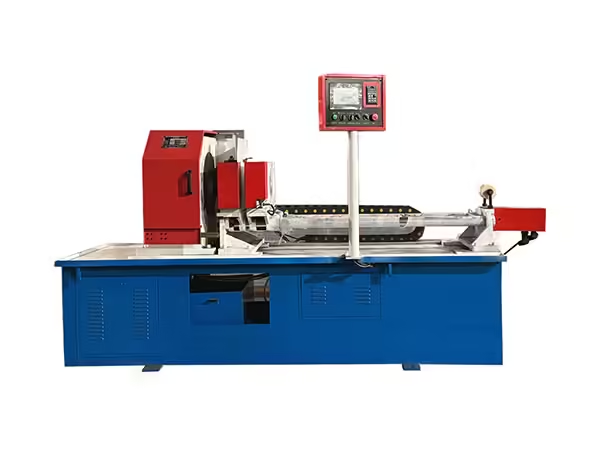
Selecting the appropriate cutting pipe machine depends on several factors:
Material Compatibility
Ensure the machine can handle the pipe types you work with, including metal, plastic, or composite.
Pipe Diameter & Thickness
Check the machine’s minimum and maximum cutting capacity to meet your project requirements.
Cutting Speed & Precision
Machines with adjustable speed and precision settings allow you to optimize performance for different materials.
Ease of Use
Choose a machine that matches your operators’ skill level and has straightforward setup procedures.
Maintenance and Safety Features
Look for features like easy blade replacement, emergency stops, and enclosed cutting areas to reduce downtime and accidents.
Maintenance and Troubleshooting
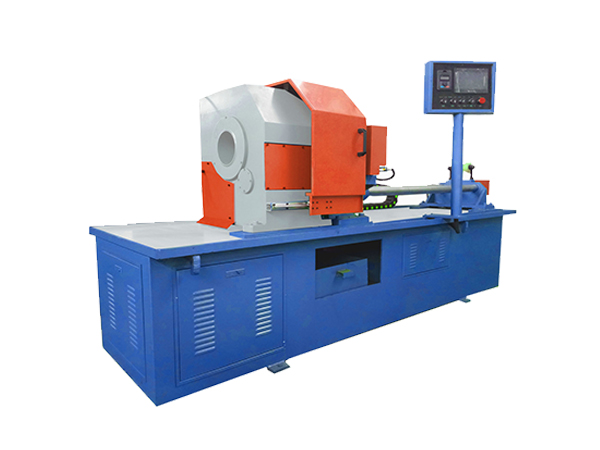
Routine Maintenance Elements
- Cleaning: Remove metal shavings, dust, and debris after each operation.
- Lubrication: Regularly lubricate guides, blades, and moving parts.
- Blade Inspection: Replace dull or damaged blades promptly.
- Electrical Checks: Inspect wiring for wear, loose connections, or short circuits.
- Cooling System: Ensure coolant is clean and pumps function properly.
Common Issues and Solutions
- Uneven cuts: Check blade sharpness and alignment.
- Difficulty cutting different pipe diameters: Adjust clamps or use interchangeable cutting wheels.
- Machine vibration or noise: Inspect bearings, tighten fasteners, and ensure balanced components.
Applications Across Industries
Cutting pipe machines are widely used in:
- Manufacturing – mechanical pipe components and metal frames
- Construction – plumbing, HVAC, and structural pipes
- Chemical and Food Industries – precision cutting of specialized pipes
- Logistics and Warehousing – plastic or lightweight metal pipe handling
Conclusion
Every element of a cutting pipe machine contributes to productivity, precision, and safety. By understanding machine types, key components, and maintenance practices, you can ensure reliable performance and long-term efficiency. If you’re ready to optimize your operations with a high-performance cutting pipe machine, contact us today for expert advice and customized solutions. Let us help you select the right machine to boost efficiency, reduce costs, and improve your production quality.
FAQ
What is the difference between manual and automatic cutting pipe machines?
Manual machines require operator involvement for feeding and cutting, while automatic machines handle the entire process, offering higher speed and consistency.
How do I maintain my cutting blade for longer life?
Clean the blade after each use, keep it lubricated, and replace it immediately if it shows wear or damage.
Can pipe cutters handle different materials like metal and plastic?
Yes, most modern machines are designed to cut a variety of materials with adjustable settings for speed and pressure.
How often should I calibrate my pipe cutters for precise cuts?
Calibration is recommended after heavy use, blade replacement, or noticeable inconsistencies in cut length.
What safety measures should operators take while using a cutting pipe machine?
Always wear protective gear, use machine guards, follow lockout procedures for maintenance, and avoid reaching into moving parts.
Are CNC pipe cutters worth the investment?
For high-volume production requiring complex or high-precision cuts, CNC machines provide long-term efficiency and reduce human error.
 English
  French
  Spanish