
Table of Contents
In industrial conveyor systems, selecting the right components is crucial to maintain efficiency and reduce maintenance costs. Conveyor transfer rollers play a key role in protecting your belts, distributing loads evenly, and minimizing wear and tear. Understanding their function, types, and maintenance requirements can help you optimize your system and prevent costly downtime. This article provides an in-depth analysis of conveyor transfer rollers, their applications, and how to select the best option for your operations.
Understanding Conveyor Transfer Rollers
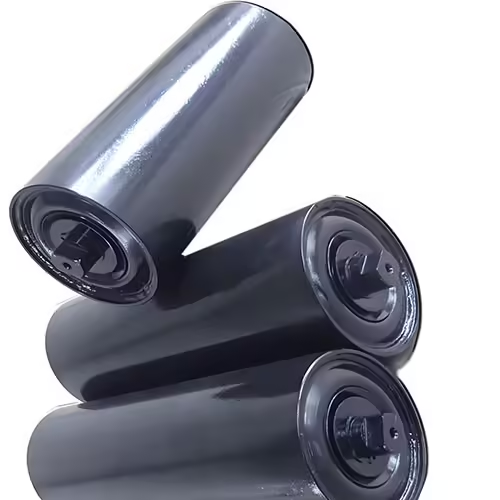
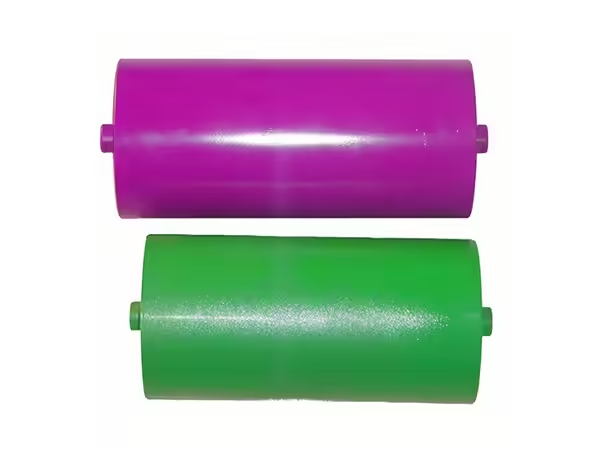
Conveyor transfer rollers are specialized rollers designed to support and guide the conveyor belt where materials are transferred from one section to another. Unlike standard rollers, transfer rollers absorb impact and reduce stress on the belt during material handoff. Key components include the roller body, bearings, and end caps, each contributing to durability and smooth operation.
Why Conveyor Belt Damage Occurs
Belt damage is a common problem in conveyor systems, often caused by excessive impact, misalignment, or uneven load distribution. Studies from industrial material handling reports indicate that improper roller selection is responsible for up to 30% of conveyor belt failures. Damage can manifest as tears, fraying, or accelerated wear, leading to unplanned downtime and increased operational costs.
How Transfer Rollers Protect Conveyor Belts
Transfer rollers reduce belt damage through several mechanisms. They absorb the impact of incoming materials, evenly distribute the load across the belt, and minimize friction between the belt and supporting structure. This not only extends belt life but also improves material flow and reduces spillage. Systems that employ properly selected transfer rollers experience fewer interruptions and lower maintenance requirements.
Types of Conveyor Transfer Rollers
There are multiple types of transfer rollers designed for different applications:
- Impact Rollers: Designed for high-impact zones where heavy materials are loaded onto the belt. They reduce shock and prevent belt deformation.
- Steel Rollers: Offer high strength and are suitable for heavy-duty applications.
- Plastic and Composite Rollers: Lighter and corrosion-resistant, ideal for environments with chemical exposure or moisture.
Transfer rollers also vary in diameter, length, and bearing configuration, allowing customization to match conveyor speed, load, and belt width.
Selecting the Right Conveyor Transfer Rollers
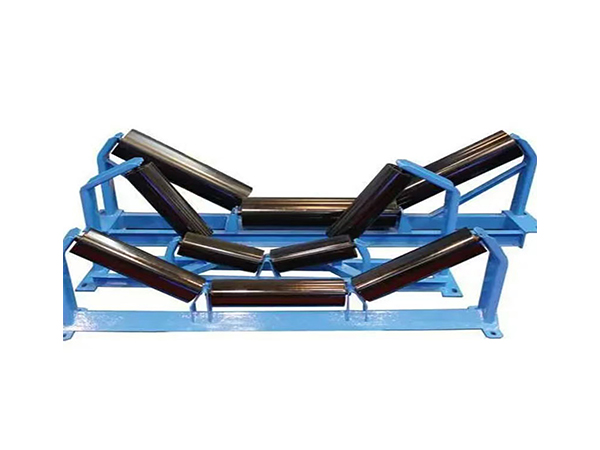
Choosing the correct transfer rollers requires consideration of several factors:
- Load Capacity: Ensure the roller can support the weight of both the belt and transported materials.
- Conveyor Speed: High-speed belts require rollers with precision bearings to reduce vibration.
- Environmental Conditions: Moisture, dust, or chemical exposure may require corrosion-resistant materials.
- Belt Width and Material: Roller diameter and length must align with belt size to ensure proper support and alignment.
Advantages of Using Proper Transfer Rollers
Using the right transfer rollers provides tangible benefits:
- Reduces unplanned downtime and maintenance costs.
- Extends conveyor belt lifespan.
- Improves efficiency by ensuring smooth material transfer.
- Enhances safety by minimizing spillage and stress on the belt.
Maintenance Tips for Conveyor Transfer Rollers
To maximize performance and longevity:
- Regularly clean rollers to remove dust, debris, and material buildup.
- Lubricate bearings according to manufacturer recommendations.
- Inspect for wear, misalignment, and unusual noise or vibration.
- Replace worn or damaged rollers promptly to prevent belt damage.
Common Problems and How to Avoid Them
Even with high-quality transfer rollers, issues can arise:
- Misalignment: Causes uneven wear and belt tracking issues. Regular adjustments are essential.
- Bearing Failure: Leads to roller seizure and belt damage; preventive maintenance is critical.
- Excessive Vibration: Often results from worn components; monitor and replace as needed.
Implementing a proactive maintenance program and choosing the correct roller type significantly reduces these risks.
Applications of Conveyor Transfer Rollers
Transfer rollers are widely used in industries such as
- Mining and bulk material handling
- Packaging and logistics
- Food, pharmaceutical, and chemical manufacturing
- High-speed production lines requiring precise material control
The choice of roller type depends on material type, load, conveyor speed, and environmental conditions.
Comparison Table: Transfer Rollers vs Standard Rollers
| Feature | Conveyor Transfer Rollers | Standard Conveyor Rollers |
|---|---|---|
| Function | Absorb impact, protect belt | Support belt only |
| Material | Steel, plastic, composite | Steel, aluminum |
| Diameter Options | Wide range for customization | Standard sizes |
| Bearings | High-precision, load-rated | Basic load-rated |
| Ideal Use | High-impact zones, heavy loads | General material transport |
| Maintenance | Regular inspection, lubrication | Periodic inspection |
Conclusion
Choosing the right conveyor transfer rollers is one of the most effective ways to prevent belt wear, protect material flow, and maintain reliable system performance. When transfer points are not properly supported, belts experience impact damage, misalignment, and premature failure—issues that can significantly increase maintenance costs and downtime. By upgrading to the correct roller design, selecting materials that match your working conditions, and maintaining your rollers with a consistent inspection schedule, you can dramatically extend your conveyor’s lifespan and improve operational efficiency.
If you want to safeguard your conveyor belt and keep your production line running smoothly, selecting high-quality conveyor transfer rollers is a worthwhile investment. For tailored guidance and system-specific recommendations, reach out to our team anytime.
FAQ
What is the purpose of conveyor transfer rollers?
Conveyor transfer rollers are installed at material transfer points to guide, support, and stabilize the belt as materials move from one section to another. Their primary purpose is to prevent belt sagging, reduce impact forces, and minimize friction-related damage.
How do I know which transfer rollers are suitable for my conveyor system?
The right roller depends on your belt width, load weight, transfer height, material characteristics, and working environment. Systems handling abrasive or heavy materials typically require impact-resistant or rubber-coated rollers. A full assessment of your transfer point conditions ensures the best match.
How often should conveyor transfer rollers be replaced?
Replacement frequency varies based on operating hours, material abrasiveness, and environmental factors. According to industry maintenance surveys, properly selected rollers in moderate conditions typically last between 12 and 36 months. Regular inspections help prevent unexpected failures.
Can upgrading transfer rollers reduce conveyor downtime?
Yes. High-quality transfer rollers significantly reduce belt drift, tearing, and vibration—common causes of unplanned shutdowns. Upgrading to precision-engineered rollers can lower maintenance intervention and extend belt service life.
Are transfer rollers compatible with existing conveyor structures?
Most conveyor transfer rollers follow standard dimensions and can be installed in existing frames. However, some high-impact or specialized rollers may require customized brackets or spacing adjustments. Confirming sizing before purchase ensures a smooth installation.
Need Help Choosing the Right Conveyor Transfer Rollers?
If you’re unsure which conveyor transfer rollers are best for your system, our experts at Cangzhou Terok International Trade Co., Ltd. are here to help. Contact us today for a personalized consultation to ensure your conveyor operates efficiently, prevent belt damage, and extend the life of your rollers. Don’t wait until downtime slows your operations—get in touch now to protect your equipment and optimize your material handling!
 English
  French
  Spanish