

Welcome to My Blog!
Before we dive into the content, I’d love for you to join me on my social media platforms, where I share more insights, engage with the community, and post updates. Here’s how you can connect with me:
Facebook:https://www.facebook.com/profile.php?id=61578855814440
Now, let’s get started on our journey together. I hope you find the content here insightful, engaging, and valuable.
Table of Contents
In modern material handling systems, the efficiency and reliability of conveyors depend heavily on the quality and performance of conveyor roller bearings. These bearings are critical components of conveyor rollers, providing the support and stability necessary to move materials smoothly and safely. By understanding their construction, applications, and maintenance requirements, you can optimize your conveyor system, reduce downtime, and extend the lifespan of your equipment.
What Are Conveyor Roller Bearings?
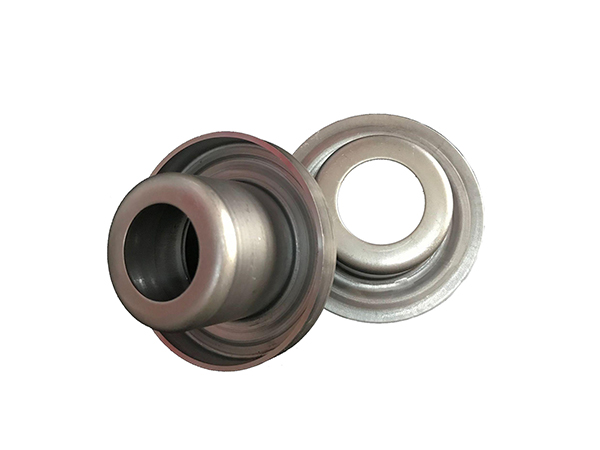
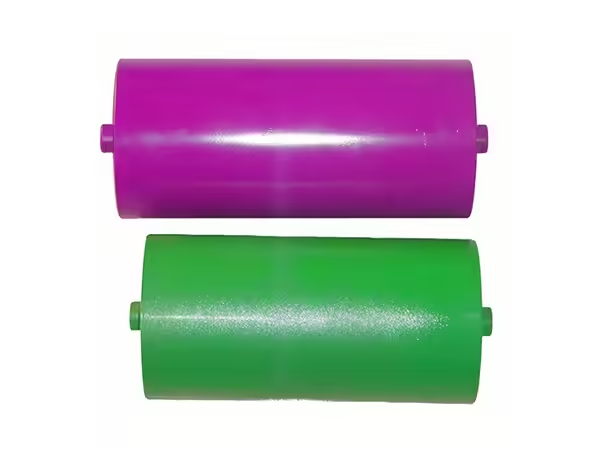
Conveyor roller bearings are specialized bearings designed to support conveyor rollers, which in turn carry material across a conveyor belt. Typically, these bearings are manufactured from high-quality steel plates through a multi-step stamping process and welded securely to steel tubes. Their design emphasizes excellent sealing and high overall load-bearing capacity, ensuring smooth and reliable operation even under demanding conditions.
Types of Conveyor Roller Bearings
There are several types of conveyor roller bearings, each suited to different applications:
- Single-row deep groove ball bearings: Ideal for standard load applications, offering smooth operation and low maintenance.
- Double-row spherical roller bearings: Designed for heavy loads and high-shock environments, providing superior durability.
- Light-duty vs heavy-duty bearings: Selection depends on load requirements and operational speed.
Choosing the correct type ensures your conveyor system can handle its specific operational demands without premature failure.
Key Elements of Conveyor Roller Bearings
Steel Plate Construction
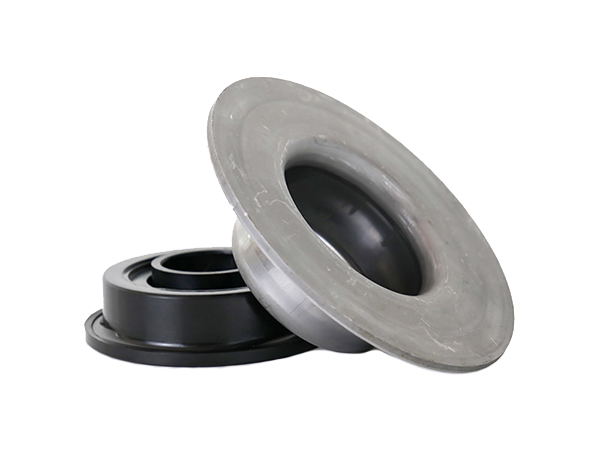
Conveyor roller bearings are typically formed from steel plates using vertical stamping machines through multiple precise processes. This method provides uniform strength and contributes to the overall durability of the roller assembly.
Sealing Systems
High-quality conveyor roller bearings feature robust seals that prevent dust, moisture, and contaminants from entering the bearing. Proper sealing extends service life and reduces maintenance needs, especially in harsh environments.
Integration with Rollers
Bearings are welded to steel tubes to form the roller, creating a strong and stable structure. This integration ensures the roller can handle both radial and axial loads, contributing to reliable material transport.
Applications of Conveyor Roller Bearings
Conveyor roller bearings are used across a range of industries, including mining, manufacturing, logistics, and food processing. They play a critical role in:
- Reducing operational downtime by preventing premature roller failure
- Supporting heavy or bulk materials without deformation
- Ensuring smooth and consistent movement of materials along the conveyor system
Selecting the right bearing type and size based on your operational environment can greatly enhance system efficiency.
Benefits of Using High-Quality Conveyor Roller Bearings
Investing in high-quality bearings offers multiple advantages:
- Improved material handling efficiency
- Extended roller and belt lifespan
- Reduced maintenance costs
- Increased system reliability
According to industry performance reports, conveyor systems equipped with properly selected and maintained bearings experience up to 30% fewer unplanned downtimes compared to systems with generic bearings.
Maintenance Tips for Conveyor Roller Bearings
To maximize the lifespan and performance of your bearings:
- Clean and lubricate bearings regularly according to operational conditions
- Monitor for unusual noise or vibration, which may indicate wear or misalignment
- Replace bearings promptly when signs of damage or wear are detected
- Use proper installation tools to prevent misalignment during assembly
Common Problems and How to Avoid Them
Several common issues can affect bearing housing for idler rollers, but they can be mitigated with proper selection and maintenance:
- Premature wear due to heavy load or misalignment
- Contamination from dust or moisture causing seal failure
- Insufficient lubrication leading to overheating and damage
Preventive strategies include selecting the right bearing type, maintaining proper lubrication schedules, and monitoring operating conditions closely.
How to Choose the Right Conveyor Roller Bearing
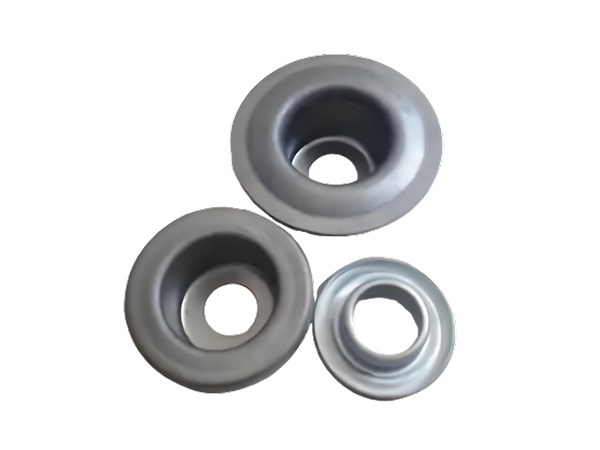
When selecting a conveyor roller bearing, consider the following factors:
- Load capacity and type (radial or axial)
- Operating speed and frequency
- Environmental conditions, such as dust, moisture, or corrosive elements
- Bearing type suitable for expected operational stress
Making an informed choice ensures both operational reliability and long-term cost savings.
Comparison Table of Conveyor Roller Bearing Specifications
| Feature | Light-Duty Bearing | Heavy-Duty Bearing | Sealed Bearing | Open Bearing |
|---|---|---|---|---|
| Load Capacity | Low | High | Medium-High | Medium |
| Speed Rating | Medium | High | Medium | High |
| Seal Type | Optional | Optional | Full Seal | None |
| Typical Application | Small conveyors | Mining/logistics | Harsh environments | General use |
| Lifespan | 1-2 years | 3-5 years | 3-4 years | 2-3 years |
Conclusion
Conveyor roller bearings are indispensable components in any material handling system because they directly influence how smoothly, reliably, and efficiently a conveyor operates. By gaining a clear understanding of their construction, available types, and specific maintenance requirements, you place yourself in a much stronger position to optimize overall system performance. The right conveyor roller bearing not only reduces friction and energy consumption but also helps prevent premature roller failure, uneven belt wear, and unexpected downtime.
Investing in high-quality bearings, combined with a proactive maintenance strategy, allows you to extend equipment life, lower long-term operating costs, and maintain consistent throughput even in demanding working conditions. Over time, this approach improves operational stability, enhances safety on the production line, and delivers a stronger return on investment for your entire conveyor system.
FAQ
What is a conveyor roller bearing and why is it important?
A conveyor roller bearing is a key component of a conveyor roller, providing support and enabling smooth rotation. It ensures reliable material handling, reduces wear on rollers, and extends equipment life.
How do I know which bearing housing for the idler roller is right for my system?
The right bearing depends on roller diameter, load capacity, and operating conditions. Consult technical specifications and consider factors like speed, material type, and environmental conditions to ensure optimal performance.
How can I maintain the bearing housing for the idler roller for longevity?
Regular maintenance includes cleaning, lubrication, and inspection for wear or corrosion. Using high-quality bearings and following recommended maintenance schedules can prevent unexpected downtime.
What are common problems with bearing housing for idler rollers?
Common issues include misalignment, insufficient lubrication, contamination, and bearing fatigue. These can cause noise, vibration, or reduced roller performance if not addressed promptly.

 English
  French
  Spanish