
Table of Contents
In any conveyor system, the conveyor pulley is more than just a rotating component—it’s the driving force that ensures smooth, efficient, and safe material transportation. If you are responsible for managing production lines, understanding the design, types, and maintenance of conveyor pulleys can significantly reduce downtime, minimize belt damage, and improve operational efficiency. This guide will walk you through everything you need to know, including practical case studies, detailed specifications, and maintenance tips.
Understanding Conveyor Pulley Basics
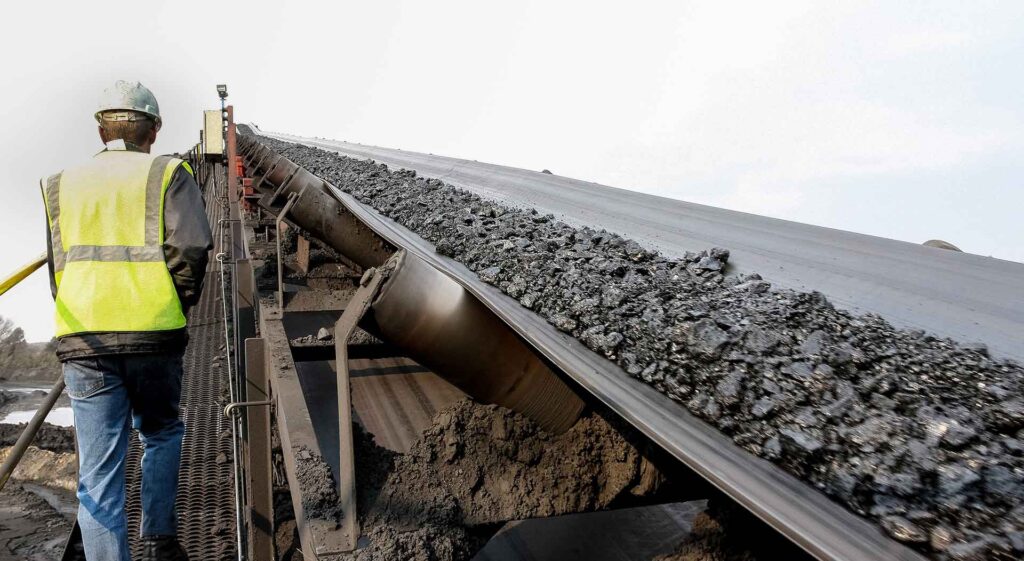
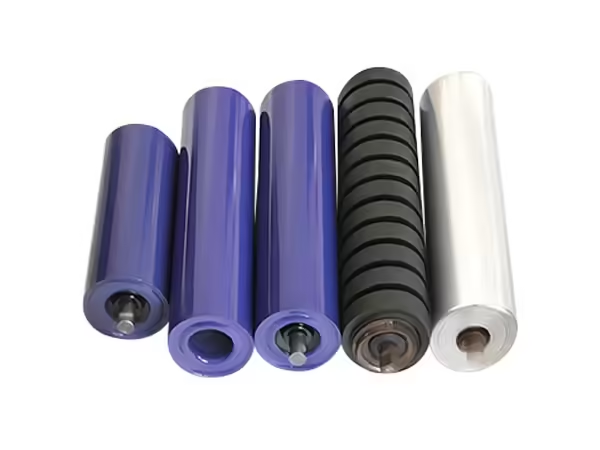
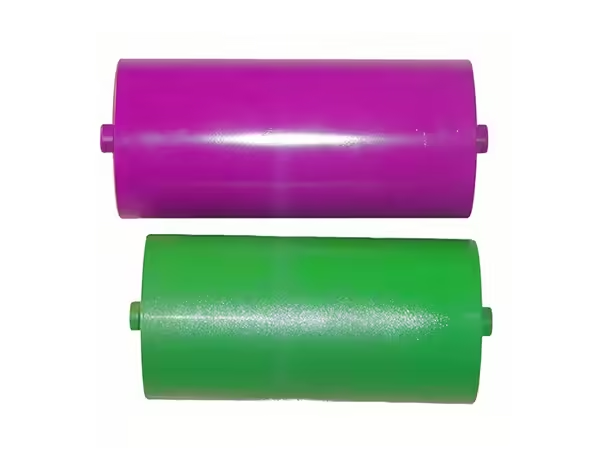
A conveyor pulley consists of a cylindrical shell mounted on a shaft with end disks and bearings. Its primary function is to drive the belt, redirect its path, and provide tension. Depending on your conveyor system’s requirements, pulleys can vary in diameter, material, and surface coating.
For instance, in mining operations, heavy-duty pulleys with steel cores and lagging surfaces reduce slippage and resist abrasive materials, ensuring reliable performance under harsh conditions. According to industry reports, using the correct pulley design can increase belt lifespan by up to 30%.
Types of Conveyor Pulleys
| Pulley Type | Application | Key Feature | Ideal Material |
|---|---|---|---|
| Drive Pulley | Transmits power to belt | High-friction lagging | Steel or Cast Iron |
| Tail Pulley | Maintains belt tension | Smooth surface | Steel with ceramic lagging optional |
| Snub Pulley | Changes belt angle | Increases wrap angle | Steel or alloy |
| Bend Pulley | Redirects belt path | Smooth bend, minimal slip | Carbon steel or stainless steel |
| Drum Pulley | General purpose | Integral shell and shaft | Steel |
Each pulley type offers specific benefits depending on system load, belt speed, and environmental conditions.
Why the Right Conveyor Pulley Matters
Selecting the appropriate conveyor pulley is critical. The wrong choice can lead to belt misalignment, increased wear, slippage, or even system failure. For example, in a cement plant, a case study revealed that replacing worn tail pulleys with properly lagged, high-friction units reduced unscheduled downtime by 25% over six months.
Materials and Lagging Options
Pulley materials and surface lagging significantly affect performance:
- Steel Pulleys: Durable and capable of handling high loads.
- Cast Iron Pulleys: Excellent wear resistance but heavier.
- Rubber Lagging: Improves belt grip, reduces slippage.
- Ceramic Lagging: Ideal for high-abrasion applications.
Choosing the right lagging also affects noise reduction and energy consumption.
Conveyor Pulley Sizing and Installation
Proper sizing ensures optimal performance. When selecting diameter and width:
- Calculate belt speed and tension requirements.
- Consider pulley shell thickness for long-term durability.
- Factor in bearing load capacity and maintenance accessibility.
During installation, alignment is key. Misaligned pulleys can cause belt tracking issues and premature wear. Case in point: a steel manufacturing facility reduced belt replacement frequency from quarterly to annually by realigning and upgrading its drive pulleys.
Maintenance Tips to Extend Pulley Life
Routine maintenance is essential for reliability:
- Inspect bearings: Regular lubrication and replacement prevent failure.
- Check lagging: Ensure friction surfaces are intact and free from debris.
- Monitor shaft and shell: Look for cracks or wear.
- Clean periodically: Remove dust, oil, and corrosive materials.
Adhering to maintenance schedules can extend pulley service life by over 40%, according to industry studies.
Common Conveyor Pulley Issues and Solutions
| Issue | Cause | Solution |
|---|---|---|
| Belt Slippage | Worn lagging | Replace or re-lag pulley |
| Misalignment | Shaft bending | Realign pulley and check bearings |
| Excessive Noise | Loose bearings | Tighten and lubricate bearings |
| Premature Wear | Abrasive materials | Use ceramic or specialized lagging |
Understanding these common issues helps you proactively prevent downtime and reduce repair costs.
Real-World Case Studies
Mining Operation
Upgrading to lagged drive pulleys increased belt traction by 20%, improving ore throughput and reducing energy consumption. The system saw a 15% reduction in belt replacements over 12 months.
Food Processing Plant
Installing stainless steel tail pulleys with rubber lagging reduced contamination risk and extended belt life by 25%. Maintenance intervals were increased, saving labor costs.
Logistics Hub
Snub pulleys optimized package flow, minimized bottlenecks, and reduced conveyor downtime by 30%, improving delivery schedules.
Emerging Trends in Conveyor Pulley Technology
Modern conveyors are incorporating:
- Smart sensors for real-time monitoring of pulley rotation and vibration.
- Advanced composite materials for lightweight, high-strength pulleys.
- Improved lagging coatings for higher friction and abrasion resistance.
Read about innovations in conveyor systems.
Tips for Choosing the Right Conveyor Pulley
- Evaluate your belt speed, load, and material type.
- Consider environmental factors such as temperature, dust, and moisture.
- Choose the right lagging type to enhance friction and reduce slippage.
- Ensure bearing capacity matches operational load.
- Review historical maintenance records to select pulleys with proven durability.
Conclusion
Investing in the right conveyor pulley not only ensures smooth and efficient material handling but also minimizes downtime and reduces maintenance costs. By selecting appropriate materials, proper lagging, and performing regular maintenance, you can optimize your conveyor system for maximum productivity. Real-world case studies demonstrate that upgrading and monitoring your pulleys can improve operational efficiency, reduce energy consumption, and extend belt and pulley life.
When you are ready to optimize your material handling system, explore options for high-quality conveyor pulleys to enhance your operational performance.
FAQ
How often should conveyor pulleys be inspected?
At least every three months, with more frequent checks in high-load or abrasive environments.
What type of lagging is best for mining operations?
Ceramic lagging provides excellent wear resistance and high friction for heavy-duty applications.
Can pulley misalignment damage the belt?
Yes, even slight misalignment can cause uneven wear and reduce belt life.
How do I choose the right pulley diameter?
Calculate based on belt speed, tension, and system load, ensuring optimal wrap angle.
What are signs that bearings need replacement?
Unusual noise, vibration, or increased friction are indicators for timely replacement.
Need Help Choosing the Right Conveyor Pulley?
If you’re unsure which conveyor pulley fits your system, our experts at Cangzhou Terok are here to assist. Contact us today for a personalized consultation and ensure your conveyor system runs efficiently and reliably. Don’t wait—reach out now to enhance your material handling operations!
 English
  French
  Spanish