
Table of Contents
In modern material handling and bulk transport operations, conveyor systems are the backbone of productivity. At the heart of every reliable conveyor line is the conveyor belt idler, a component often overlooked but critical to the system’s efficiency, safety, and lifespan. Whether you manage a mining operation, a warehouse, or an industrial facility, understanding how idlers work, selecting the right type, and maintaining them properly can dramatically reduce downtime and operating costs.
Understanding Conveyor Belt Idlers
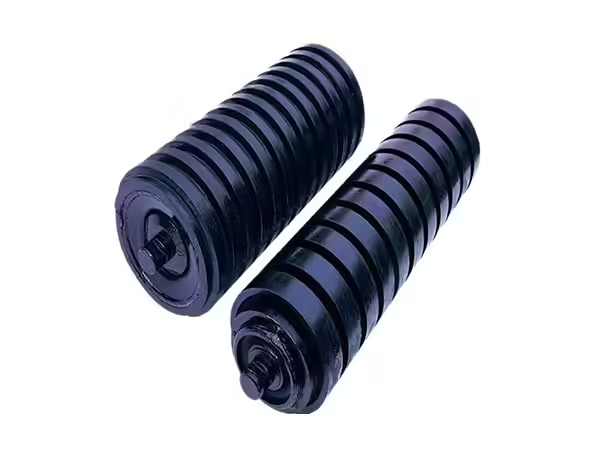
A conveyor belt idler is a roller designed to support the weight of the belt and the conveyed material. By maintaining belt alignment and reducing friction, idlers prevent sagging, misalignment, and excessive wear. Each idler typically consists of:
- Roller Shell: Usually made of steel, aluminum, or corrosion-resistant materials.
- Bearing Assembly: Ensures smooth rotation under heavy loads.
- End Caps: Protect bearings from dust, moisture, and contaminants.
- Frame or Bracket: Mounts the idler securely to the conveyor structure.
Idlers are positioned along the conveyor at regular intervals, with variations in design based on the load type, belt width, and environmental conditions.
Key Types of Conveyor Belt Idlers
1. Carrying Idlers
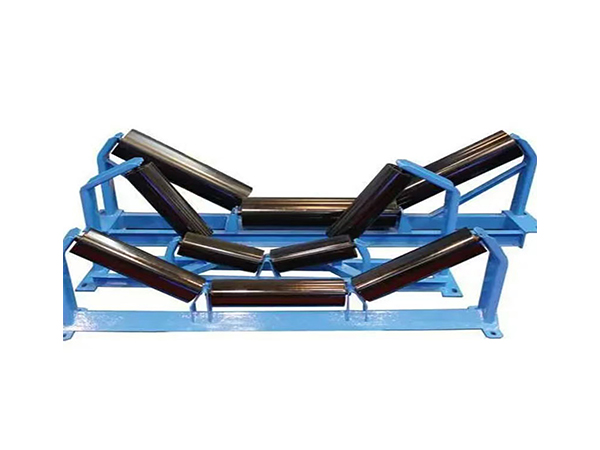
These support the belt and the load. They usually have a troughed shape to keep materials centered on the belt. Common designs include:
- Single Idlers: Suitable for light loads.
- Triple Idlers: Provide better load distribution for heavier materials.
2. Return Idlers
Located on the return side of the belt, these idlers ensure smooth belt travel back to the loading point. They typically have a flat or slight concave shape.
3. Impact Idlers
Used at loading points where materials drop from a height, impact idlers absorb shock, preventing belt damage and extending idler life.
4. Adjustable Idlers
These can be angled to correct belt misalignment or guide the belt along curves.
Benefits of Using High-Quality Conveyor Belt Idlers
- Reduced Belt Wear: Proper support prevents sagging and friction, extending belt life.
- Enhanced Load Management: Idlers distribute material weight evenly.
- Energy Efficiency: Smooth rotation reduces motor strain and energy consumption.
- Minimized Downtime: Durable idlers withstand heavy loads, dust, and moisture.
- Safety Improvement: Properly functioning idlers reduce belt slippage and potential accidents.
A case study from a bulk material handling facility showed that replacing worn idlers with heavy-duty units reduced belt repair frequency by 40% and increased throughput by 25%.
Factors to Consider When Selecting Conveyor Belt Idlers
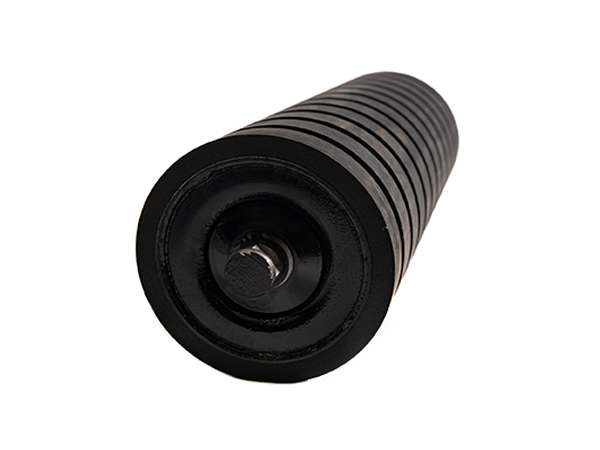
When choosing idlers for your system, consider:
- Load Type and Weight: High-capacity idlers for heavy, abrasive materials.
- Belt Width: Ensure the idler matches the belt width for full support.
- Environmental Conditions: Choose corrosion-resistant materials for humid or dusty areas.
- Bearing Type: Sealed bearings last longer in harsh environments.
- Roller Spacing: Optimal spacing reduces belt sag without unnecessary material cost.
Real-World Applications
| Industry | Idler Type | Benefit |
|---|---|---|
| Mining | Impact idlers | Protects belt from falling rocks and ore |
| Warehouse | Carrying idlers | Ensures smooth pallet transport |
| Food Processing | Stainless steel idlers | Hygienic, corrosion-resistant support |
| Cement Plants | Adjustable idlers | Corrects belt misalignment, reduces spillage |
In each case, proper idler selection not only reduces maintenance but also increases operational efficiency.
Maintenance Tips for Conveyor Belt Idlers
- Regular Inspection: Look for worn bearings, rust, or misaligned rollers.
- Lubrication: Use the correct lubricant for your idler type to prevent premature failure.
- Replace Damaged Units Promptly: Avoid cascading failures that can damage belts.
- Check Alignment: Misaligned idlers can cause belts to drift or fray.
- Monitor Load Conditions: Overloading can reduce idler lifespan significantly.
A logistics operator that implemented a proactive idler inspection schedule saw a 35% reduction in conveyor downtime over a year.
Choosing the Right Material
- Steel Rollers: Heavy-duty, durable, and suitable for high-load and abrasive environments.
- Stainless Steel Rollers: Ideal for wet, humid, or corrosive conditions.
- Plastic or HDPE Rollers: Lightweight, corrosion-resistant, for moderate loads.
Proper material selection improves idler lifespan, reduces maintenance costs, and ensures consistent performance.
Conveyor Belt Idler Installation Guidelines
- Maintain uniform spacing between idlers based on belt type and load.
- Ensure correct alignment to prevent belt tracking issues.
- Use impact idlers at loading points to absorb shock.
- Securely fasten idlers to prevent vibration and noise.
- Verify that bearings rotate freely before commissioning the conveyor line.
Common Issues and Solutions
| Issue | Because | Solution |
|---|---|---|
| Belt misalignment | Worn or uneven idlers | Replace and realign idlers |
| Excessive wear | Heavy load or abrasive material | Upgrade to high-capacity rollers |
| Noise | Dry or damaged bearings | Lubricate or replace bearings |
| Premature failure | Moisture, dust, or corrosion | Use sealed or stainless steel idlers |
Case Study: Industrial Conveyor System Optimization
A large distribution center using standard idlers experienced frequent belt replacements and product damage. After switching to heavy-duty conveyor belt idlers:
- Belt life increased by 50%.
- Maintenance costs decreased by 30%.
- Material throughput improved by 20%.
- Operator safety improved due to fewer belt jams and spillage.
This demonstrates the critical role of idlers in both performance and safety.
Conclusion
Investing in high-quality conveyor belt idlers is a strategic decision for any operation relying on conveyor systems. Correct selection, installation, and maintenance can:
- Extend belt lifespan
- Increase system efficiency
- Reduce downtime and maintenance costs
- Improve overall safety
Understanding your specific load requirements, environment, and operational conditions ensures you get the right idlers for maximum benefit.
FAQ
How do I know which type of conveyor belt idler is suitable for my system?
Evaluate load type, belt width, environmental conditions, and belt speed. Impact or adjustable idlers may be required for heavy or misaligned loads.
How often should idlers be inspected?
At minimum every 3–6 months, more frequently in high-load or dusty environments.
Can I use plastic idlers in industrial settings?
Yes, for moderate loads and non-abrasive materials, plastic or HDPE rollers are sufficient.
What is the average lifespan of a conveyor belt idler?
Depending on load, material, and maintenance, idlers can last several years. Heavy-duty or sealed bearing idlers typically last longer.
Are impact idlers necessary for all conveyors?
They are essential at loading points or where material drops from height to prevent belt damage.
 English
  French
  Spanish