
Table of Contents
Introduction
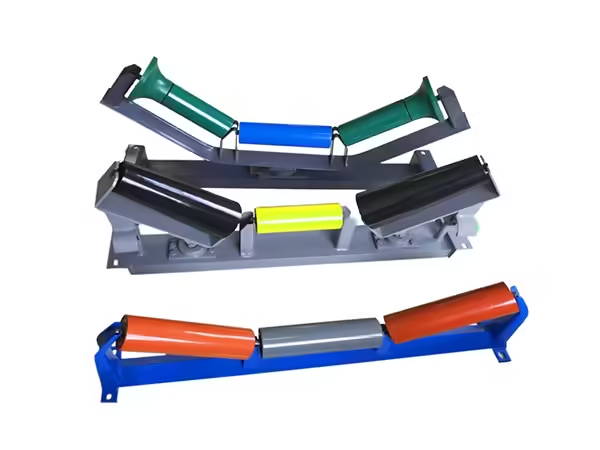
In today’s industrial world, every element of a conveyor system plays a vital role in ensuring efficient material handling. Among these components, the conveyor idler is one of the most essential. It supports the conveyor belt, reduces friction, and keeps the entire system running smoothly.
Whether used in mining, manufacturing, or logistics, choosing the right conveyor idler can significantly impact operational performance, cost, and durability. This article explores the different types, components, functions, and maintenance practices of conveyor idlers, helping you make informed decisions for your system.
What Is a Conveyor Idler?
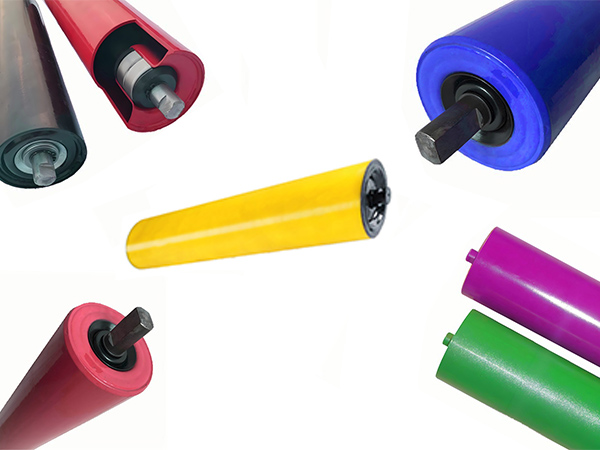
A conveyor idler is a cylindrical component mounted along the length of a conveyor belt system. Its primary role is to support the belt, maintain proper alignment, and facilitate smooth movement of materials.
Key Elements of a Conveyor Idler
Below are the essential elements that make up a high-quality conveyor idler. Each plays a crucial role in ensuring reliable operation and longevity.
Roller Shell
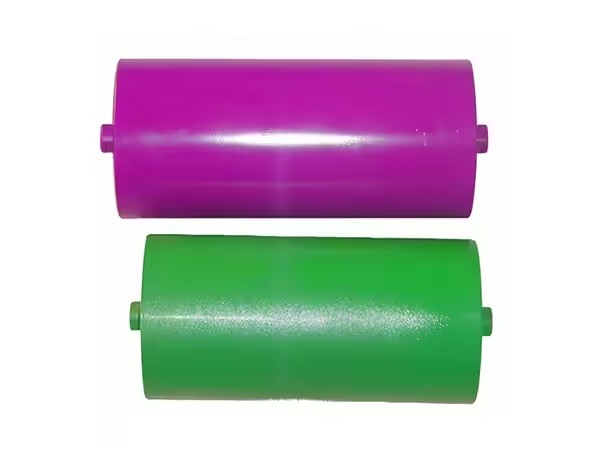
The roller shell is the outer rotating body that directly contacts the conveyor belt. It must be smooth, durable, and balanced to reduce friction and prevent belt wear. Common materials include steel and HDPE, chosen for their strength and corrosion resistance.
Shaft
The shaft serves as the central axis that supports the roller shell. A well-designed shaft maintains stability during rotation and ensures even load distribution across the conveyor belt.
Bearing Housing
The bearing housing holds the bearings in place, allowing the roller to rotate smoothly. Precision-machined housings improve efficiency and reduce energy loss from friction.
Sealing System
The sealing system protects the internal bearings and components from contaminants like dust, water, and chemicals. Effective seals extend the idler’s lifespan and reduce maintenance needs.
Mounting Brackets
Mounting brackets are the structural elements that secure the idler to the conveyor frame. Proper installation ensures stability, minimizes vibration, and maintains belt alignment during operation.
Each of these elements contributes to the overall efficiency and reliability of a conveyor idler. Selecting high-quality components helps minimize downtime, improve performance, and reduce operational costs.
Types of Conveyor Idlers and Their Applications
Different conveyor systems require specific idlers depending on load type, belt width, and working conditions.
| Type of Conveyor Idler | Description & Ideal Application |
|---|---|
| Carrying Idler | Supports the loaded belt section; suitable for most standard conveyors. |
| Return Idler | Carries the empty belt on the return side. |
| Impact Idler | Installed at loading zones to absorb impact from bulk materials. |
| Troughing Idler | Shapes the belt into a trough to prevent spillage. |
| Training Idler | Helps correct belt misalignment during operation. |
| Transition Idler | Used between flat and troughing sections for smoother transitions. |
Comparing Conveyor Idler Types
Understanding the differences between idler types is crucial for selecting the right configuration for your conveyor system.
Impact Idler vs. Carrying Idler
Impact idlers are reinforced with rubber rings or heavy-duty materials to absorb shock at loading points, protecting both the belt and conveyor frame from damage. Carrying idlers, on the other hand, are designed for steady support of the loaded belt during normal operation.
Return Idler vs. Training Idler
Return idlers support the empty belt on its return path, ensuring smooth movement and reducing belt sag. Training idlers are installed to correct belt misalignment, preventing deviation and reducing wear on the belt edges.
Troughing Idler vs. Flat Idler
Troughing idlers shape the belt into a trough to contain bulk materials efficiently, especially in mining or aggregate operations. Flat idlers are used where material containment is less critical, providing simpler support for the belt.
This layered comparison helps you evaluate which conveyor idler types suit your operational needs, load conditions, and environmental factors.
Design Elements and Construction Materials
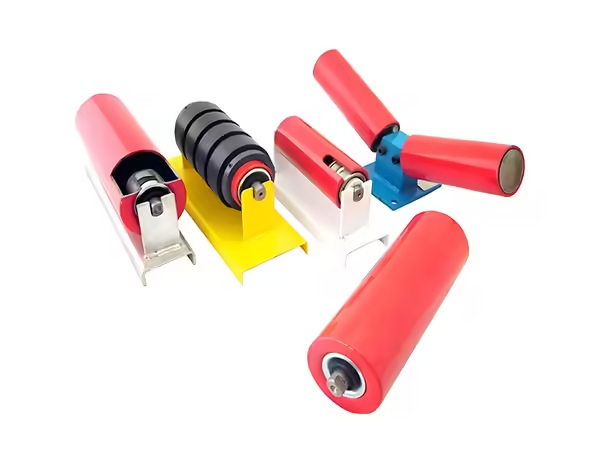
High-quality conveyor idlers are made from durable materials and built with precision.
Essential Design Features
- Low-friction bearings to reduce energy consumption.
- Sealed end caps for protection against dust and water.
- Balanced rollers to minimize vibration and noise.
- Corrosion-resistant coatings for harsh environments.
Common Materials Used
- Steel—strong and suitable for heavy-duty applications.
- Stainless Steel—ideal for corrosive or hygienic environments.
- Plastic or HDPE—lightweight and corrosion-resistant.
- Ceramic Coated—extends lifespan under abrasive conditions.
How Conveyor Idlers Enhance System Efficiency
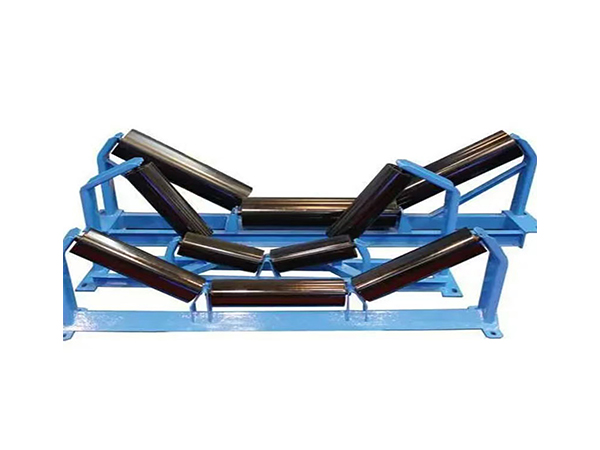
Energy Efficiency and Belt Longevity
A properly installed conveyor idler reduces friction between the belt and rollers, decreasing power consumption and extending belt life.
Stability and Safety
Consistent belt alignment provided by training idlers helps prevent material spillage and mechanical wear, ensuring safe and reliable operation.
Reduced Maintenance
With advanced sealing systems and high-quality bearings, modern idlers require minimal maintenance, reducing operational downtime and overall costs.
How to Choose the Right Conveyor Idler
Selecting the right conveyor idler requires evaluating several elements of your system and working environment.
Important Factors to Consider
| Selection Factor | Recommendation |
|---|---|
| Belt Width & Load | Choose idlers rated for your conveyor width and maximum load. |
| Material Type | Match material composition (steel, HDPE, ceramic) to environmental conditions. |
| Speed & Capacity | Ensure idler design matches your conveyor’s operational speed. |
| Operating Environment | Use corrosion-resistant models in wet or chemical conditions. |
| Maintenance Preference | Opt for sealed or self-lubricating idlers to reduce servicing needs. |
Choosing Between Different Idler Systems
- Heavy load & abrasive materials: Use steel impact idlers.
- Hygienic or wet environments: Choose HDPE or stainless steel idlers.
- Energy efficiency focus: Low-friction, well-balanced rollers improve overall system performance.
Maintenance and Troubleshooting Tips
Routine Maintenance Elements
- Clean roller surfaces and remove debris after shifts.
- Inspect bearings for signs of wear or noise.
- Check alignment and ensure all idlers are properly leveled.
- Lubricate components as recommended by the manufacturer.
Common Issues and Quick Fixes
- Unusual noise: Inspect bearings and alignment.
- Belt misalignment: Adjust training idlers and verify frame balance.
- Excessive vibration: Check roller balance or replace worn rollers.
- Material buildup: Clean impact idlers and sealing elements regularly.
Preventive maintenance prolongs idler life and enhances the efficiency of the entire conveyor system.
Applications Across Industries
Conveyor idlers are widely used in:
- Mining and Quarrying – handling heavy, abrasive materials.
- Cement and Aggregate Plants – managing bulk material flow.
- Ports and Terminals – transferring high volumes of goods.
- Food and Chemical Industries—requiring corrosion-resistant designs.
- Warehousing and Logistics—ensuring smooth package handling.
Conclusion
Every element of a conveyor system contributes to overall performance, and the conveyor idler is one of the most critical. By understanding its types, materials, and design features—and by following proper maintenance—you can ensure long-term reliability and maximum efficiency. Looking to upgrade your conveyor setup with durable, high-performance idlers? Contact us today for professional guidance and customized solutions designed to optimize your material handling process.
Take the next step toward smoother operations—discover how the right conveyor idler can make all the difference in your production line.
FAQ
What does a conveyor idler do?
A conveyor idler supports and guides the conveyor belt, helping it move materials efficiently while reducing friction and belt wear.
How often should conveyor idlers be replaced?
It depends on usage and environment, but typically every few years or when excessive noise, vibration, or belt misalignment occurs.
What’s the difference between a conveyor roller and an idler?
All idlers are rollers, but not all rollers are idlers. Idlers are mounted in groups to support the belt, while rollers may be used in other conveyor sections or as components of gravity conveyors.
How can I fix a noisy conveyor idler?
Check the bearings, clean accumulated debris, and ensure proper alignment. Replacing worn parts often resolves noise issues.
What materials are best for idlers in corrosive environments?
Stainless steel or HDPE idlers perform best in wet, chemical, or food-grade applications.
How do impact idlers differ from regular carrying idlers?
Impact idlers are equipped with rubber rings to absorb shock at loading zones, protecting both the belt and frame from damage.
 English
  French
  Spanish