
Table of Contents
When it comes to optimizing your conveyor system, selecting the right components is essential to ensure maximum performance and longevity. One of the most crucial elements often overlooked is the buffer roller. These rollers are specifically designed to absorb shock and reduce the impact of materials on conveyor belts, helping to protect both the belts and other rollers from unnecessary damage.
In this guide, we will explore the role of buffer rollers in conveyor systems, their applications, and how to select the right ones for your needs. We’ll also dive into the benefits of using impact rollers and offer valuable tips for their maintenance, so you can make informed decisions that will enhance the efficiency and reliability of your conveyor system.
What Are Buffer Rollers and How Do They Work?
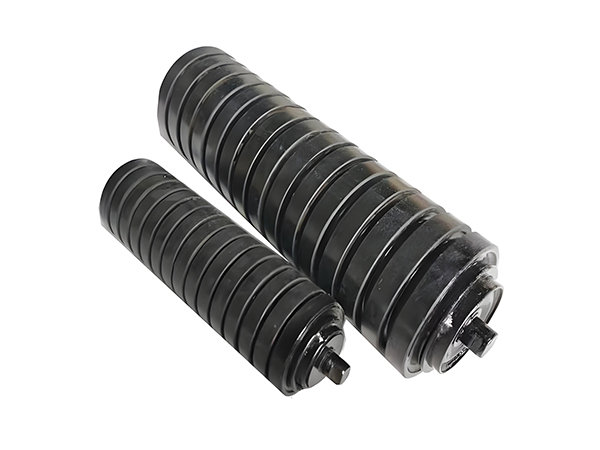
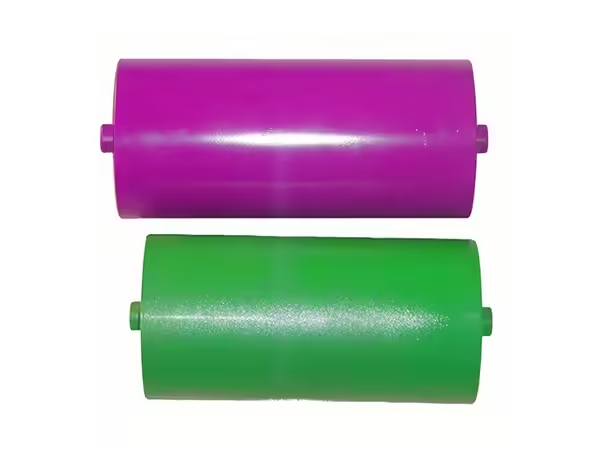
Buffer rollers are specialized conveyor rollers designed to absorb impact and protect your conveyor system. These rollers are particularly useful in handling materials that may cause significant damage to conveyor belts when dropped or moved.
Unlike regular conveyor rollers, impact rollers are designed with a focus on minimizing damage from high-impact materials. The rollers feature a more robust construction and are often made from materials that offer superior shock absorption, corrosion resistance, and durability.
The primary function of buffer rollers is to prevent damage to conveyor belts by cushioning the impact of dropped or moved materials. By doing so, impact rollers protect the integrity of the system and reduce the need for frequent maintenance or replacements.
Key Benefits of Buffer Rollers in Conveyor Systems
Buffer rollers offer numerous benefits that can greatly improve the performance of your conveyor system. Here are some of the most important advantages:
- Impact Reduction
Buffer rollers help reduce the impact that heavy or sharp materials can have on your conveyor belt. This protects the belt from damage and reduces wear, leading to a longer lifespan and fewer replacements. - Increased Conveyor Longevity
By absorbing shock and reducing stress on the belt and other rollers, impact rollers contribute to a longer lifespan for the entire system. Less wear and tear means lower maintenance costs and fewer disruptions to operations. - Corrosion Resistance
Buffer rollers are designed to withstand harsh environments, such as coal washing plants, chemical plants, and coking plants. Their corrosion-resistant materials ensure that they can handle the toughest conditions while maintaining performance. - Improved Operational Efficiency
With impact rollers in place, conveyor systems operate more smoothly, minimizing disruptions caused by damaged components. This leads to improved efficiency and fewer downtimes, making your material handling operations more reliable.
Specifications of Buffer Rollers: Customizing for Your Needs
Buffer rollers come in various sizes, materials, and specifications, allowing you to choose the right type for your specific requirements. Below is a quick guide to help you understand the most important specifications:
| Specification | Description |
|---|---|
| Roller Diameters | Common diameters include 89 mm, 190 mm, and 220 mm, but custom sizes are also available. |
| Bearing Types | Buffer rollers use various bearing models, such as deep groove ball bearings and spherical bearings. |
| Material | Often made from corrosion-resistant materials, including steel alloys, and designed for flame retardancy and anti-static properties. |
| Environmental Suitability | Suitable for heavy-duty and corrosive environments like chemical plants, coal handling, and coking operations. |
Choosing the right specifications is crucial to ensuring that the impact roller can handle the specific demands of your conveyor system. Be sure to select the correct diameter, bearing type, and material based on the material being conveyed and the environmental conditions.
Applications of Buffer Rollers in Various Industries
Buffer rollers are most commonly used in industries that involve heavy, abrasive, or corrosive materials. These industries benefit significantly from impact rollers due to their ability to protect conveyor belts from damage. Here’s how buffer rollers apply across various sectors:
- Coal Washing Plants: Buffer rollers prevent damage from the abrasive materials typically handled in coal washing operations. They absorb impact, preventing the material from damaging the conveyor belt.
- Chemical Plants: In highly corrosive environments, impact rollers made from corrosion-resistant materials protect the system from chemical damage, improving the overall lifespan of the conveyor components.
- Coking Plants: The high-temperature environments in coking plants require robust and heat-resistant materials for conveyor systems. Impact rollers are designed to withstand these conditions and protect the conveyor belts from heat-induced damage.
- Heavy-Duty Applications: Buffer rollers are commonly used in general heavy-duty environments where impact protection is needed to ensure smooth operation and prevent system downtime.
How to Choose the Right Buffer Roller for Your Conveyor System
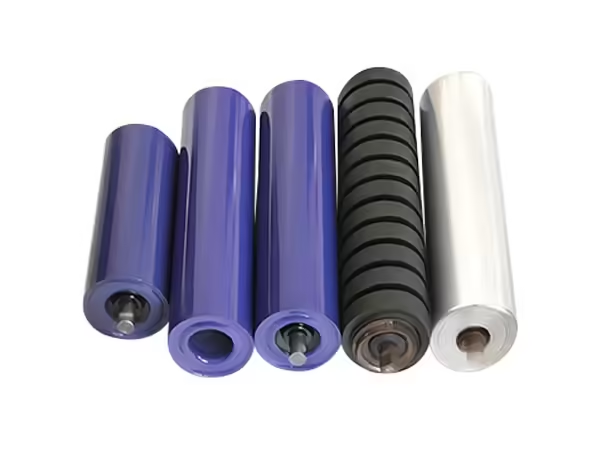
Selecting the right impact roller requires a few key considerations to ensure the best performance for your system:
- Conveyor Size and Material Load: Make sure to select impact rollers based on the size of the conveyor and the weight or type of material being conveyed.
- Environmental Conditions: Consider the working environment. For example, in corrosive or high-temperature environments, choose impact rollers that offer enhanced resistance to corrosion, heat, and wear.
- Roller Diameter and Bearing Types: Choose the appropriate roller diameter and bearing model that match the specifications of your conveyor system. This ensures that the impact roller can handle the stress and load efficiently.
- Material Type: Depending on the nature of the material being transported, opt for impact rollers that can withstand the impact without degrading or compromising the conveyor system’s performance.
Maintenance Tips for Buffer Rollers
To ensure that buffer rollers continue to perform effectively, regular maintenance is essential:
- Regular Inspections: Conduct regular inspections of impact rollers to check for wear, misalignment, or damage.
- Lubrication: Ensure that bearings are properly lubricated to minimize friction and extend the life of the rollers.
- Replace When Necessary: Buffer rollers that are worn out or damaged should be replaced immediately to prevent further damage to the conveyor system.
Conclusion
Buffer rollers are essential for protecting your conveyor system from the damaging effects of high-impact materials and harsh environmental conditions. By choosing the right impact rollers and maintaining them regularly, you can extend the life of your conveyor system, reduce downtime, and enhance operational efficiency.
Need help selecting the right impact roller for your system?
Contact Cangzhou Terok International Trade Co., Ltd. today for expert advice and personalized recommendations. Our team is ready to help you optimize your conveyor system, ensure smooth operations, and reduce long-term costs. Reach out now to protect your equipment and boost your productivity!
FAQ
What is the primary function of a buffer roller?
The main function of an impact roller is to absorb shock and impact, reducing the stress on conveyor belts and preventing damage.
How are impact rollers different from regular conveyor rollers?
Unlike regular rollers, impact rollers are designed specifically for impact absorption and protection, particularly in high-stress environments.
Can impact rollers be used in all industries?
Buffer rollers are particularly useful in industries dealing with heavy, abrasive, or corrosive materials such as coal, chemicals, and high-temperature operations.
How can I choose the right impact roller for my conveyor system?
Choose impact rollers based on your conveyor system’s specifications, environmental conditions, and the type of materials being handled.
What are the benefits of using impact rollers?
Impact rollers reduce impact damage, increase the lifespan of your conveyor system, improve operational efficiency, and protect against corrosion and wear.
 English
  French
  Spanish