
Table des matières
In industries where steel pipes form the backbone of construction, manufacturing, and infrastructure projects, having the right equipment to cut these pipes efficiently is critical. A machine de découpe de tubes en acier is not just another tool in your workshop—it’s a strategic investment that directly impacts productivity, accuracy, and safety.
Whether you are managing a large-scale pipeline project or running a steel fabrication workshop, understanding how to select, operate, and maintain a steel pipe cutting machine can save you time, reduce costs, and improve overall output.
What is a Steel Pipe Cutting Machine?
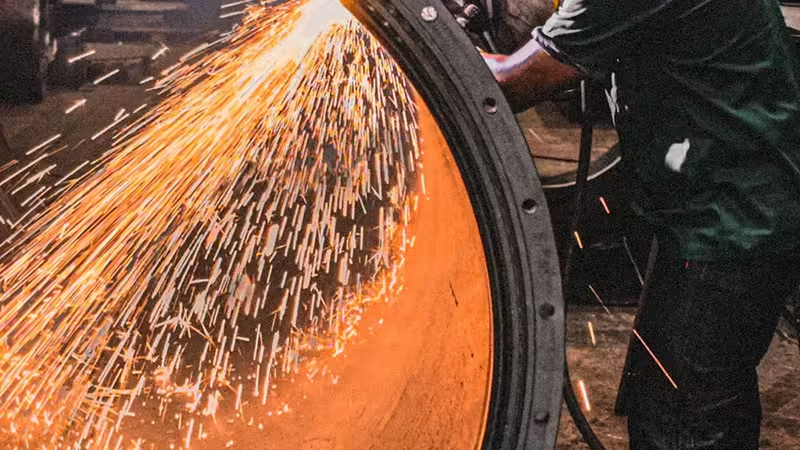
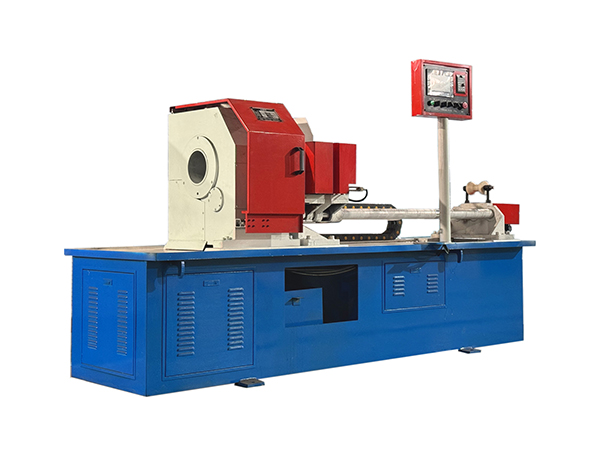
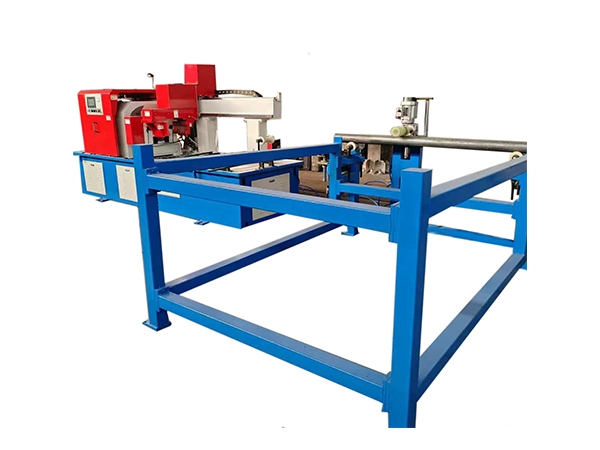
A steel pipe cutting machine is a specialized machine designed to cut steel pipes to precise lengths and angles. Unlike manual cutting methods, it ensures uniformity, high accuracy, and faster processing times. The machine can handle various pipe diameters, wall thicknesses, and material grades, making it versatile for industrial applications.
Typical components of a steel pipe cutting machine include:
- Cutting Blade or Laser Head: Depending on the cutting technology (mechanical, plasma, or laser).
- Pipe Clamping System: Ensures the pipe remains stable during the cutting process.
- Drive Mechanism: Powers rotation or linear movement for precise cutting.
- Système de contrôle: CNC or PLC-based systems that allow programmable cuts, angles, and repetition accuracy.
Principaux avantages de l'utilisation d'une machine de découpe de tubes en acier
- Haute précision: Achieve exact dimensions consistently, reducing material waste.
- Productivité accrue: Automated systems can process more pipes in less time.
- Versatilité: Handles different pipe diameters, thicknesses, and materials.
- Sécurité: Minimizes the risks associated with manual cutting methods.
- Rentabilité: Reduced labor requirements and lower scrap rates.
Real-World Case: Efficiency Gains in a Fabrication Workshop
A medium-scale steel fabrication workshop integrated a CNC machine de découpe de tubes en acier into its production line. Previously, manual cutting required two operators per machine and produced around 200 cuts per shift. After installing the automated system:
| Métrique | Manual Cutting | Machine de découpe de tubes en acier |
|---|---|---|
| Operator Count | 2 | 1 |
| Cuts per Shift | 200 | 600 |
| Material Waste | 5% | 1% |
| Average Cut Accuracy | ±2 mm | ±0.2 mm |
| Safety Incidents | 3 per year | 0 |
The upgrade improved both efficiency and product quality, allowing the workshop to take on more complex orders without increasing staffing.
Types de machines de découpe de tubes en acier
1. Circular Saw Pipe Cutters
- Use a rotating circular blade to cut pipes.
- Best for medium- to large-diameter steel pipes.
- Offers straight, clean cuts but requires careful blade maintenance.
2. Band Saw Machines
- Employ a continuous band blade for cutting.
- Suitable for thicker pipes or angled cuts.
- Provides smoother edges and reduces burr formation.
3. Laser Tube Cutting Machines
- Utilize a laser beam for precise, burr-free cuts.
- Can cut complex patterns and angles.
- Ideal for high-precision industrial applications.
4. Plasma Cutting Machines
- Use high-velocity ionized gas to melt and cut steel.
- Effective for thick-walled steel pipes.
- Requires proper ventilation and safety precautions.
Selecting the Right Steel Pipe Cutting Machine
When choosing the right machine, consider the following factors:
- Pipe Diameter and Wall Thickness: Ensure the machine can handle your most common pipe sizes.
- Cut Type: Straight, angled, or custom shapes.
- Volume de production: Higher volume requires automated or CNC options.
- Technologie de coupe: Laser, plasma, band saw, or circular saw depending on precision requirements.
- Exigences d'entretien: Check ease of blade replacement, lubrication, and calibration.
Operational Tips to Maximize Efficiency
- Always secure pipes firmly to prevent slippage.
- Program cutting sequences in advance for repetitive jobs.
- Regularly inspect blades or laser optics for wear.
- Implement dust and debris removal for plasma or laser systems.
- Train operators in both machine safety and precision techniques.
Maintenance and Longevity
A well-maintained machine de découpe de tubes en acier can last decades. Key maintenance actions include:
- Blade Replacement or Sharpening: Regularly check and replace worn blades.
- Lubrication of Moving Parts: Ensure smooth operation.
- Calibration Checks: Maintain accuracy by verifying cutting dimensions.
- Control System Updates: Keep CNC or PLC systems updated.
Applications dans tous les secteurs
Steel pipe cutting machines are essential across multiple sectors:
- Construction: Cutting structural steel pipes for frameworks and scaffolding.
- Pétrole et gaz: Preparing pipelines for installations.
- Shipbuilding: Cutting pipes for hydraulic and structural systems.
- Automotive and Machinery: Fabricating exhausts, hydraulic lines, and supports.
Advantages Over Manual Cutting
| Fonctionnalité | Manual Cutting | Machine de découpe de tubes en acier |
|---|---|---|
| Précision | Faible | High (±0.2 mm) |
| Vitesse | Lent | Rapide |
| Sécurité | Risky | Safe |
| Material Waste | Haut | Faible |
| Labor Requirement | Haut | Modéré |
Conclusion
UN machine de découpe de tubes en acier is more than just a tool; it’s a productivity and precision powerhouse. By reducing waste, enhancing accuracy, and increasing throughput, it enables you to stay competitive in industrial manufacturing, construction, and fabrication. Choosing the right machine, maintaining it properly, and training your team ensures reliable and efficient operation for years to come.
FAQ
What pipe diameters can a machine de découpe de tubes en acier poignée?
Depending on the model, machines can process pipes from 10 mm to over 600 mm in diameter.
Is laser cutting better than band saw cutting for steel pipes?
Laser cutting offers higher precision and cleaner edges, but band saws may be more economical for thicker pipes.
How often should blades or cutting tools be replaced?
Replace or sharpen blades based on usage, typically every 500–1000 cuts or when burr formation increases.
Can a steel pipe cutting machine handle angled cuts?
Yes, many CNC or laser machines allow adjustable angles and complex cutting patterns.
Are steel pipe cutting machines safe for operators?
When operated with proper safety protocols and guarding, these machines are much safer than manual cutting methods.
 French
  English
  Spanish