
Table des matières
In modern industrial operations, metal tube cutting plays a critical role in ensuring production efficiency, product quality, and cost management. If you manage a fabrication workshop, metalworking facility, or industrial production line, understanding the nuances of metal tube cutting techniques, machines, and best practices can give you a competitive edge. This article dives into practical insights, real-world examples, and actionable tips to help you choose, operate, and maintain your cutting equipment effectively.
Compréhension Metal Tube Cutting
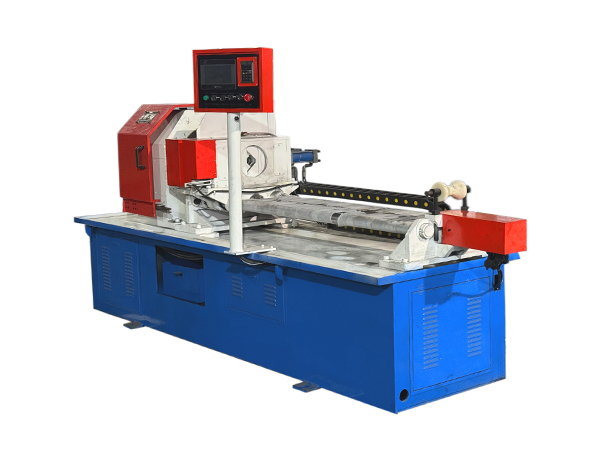
Metal tube cutting refers to the process of accurately cutting hollow metal sections into specified lengths or shapes. Applications range from structural steel fabrication to automotive, furniture, and piping systems. Key goals of metal tube cutting include:
- Précision: Ensuring exact length and minimal tolerance.
- Efficiency: Reducing cycle times and material wastage.
- Qualité de surface: Minimizing burrs and rough edges.
- Sécurité: Preventing accidents and machine damage.
There are multiple techniques for metal tube cutting, including sawing, laser cutting, plasma cutting, water jet cutting, and automated CNC tube cutting. Each has its pros and cons depending on material type, tube diameter, thickness, and required precision.
Common Metal Tube Cutting Methods
| Méthode de coupe | Précision | Material Thickness | Pros | Cons |
|---|---|---|---|---|
| Découpe à la scie à ruban | Modéré | Up to 50mm | Simple, low cost | Slower, burr formation |
| Découpe laser | Haut | 0.5-20mm | Precise, smooth edge | High initial cost |
| Plasma Cutting | Moyen | 2-50mm | Fast, suitable for thicker tubes | Rough edge, more finishing required |
| Découpe au jet d'eau | Haut | 0.5-100mm | No heat-affected zone | Slower, high water consumption |
| CNC Tube Cutting | Haut | Up to 30mm | Automated, minimal human error | Expensive, requires setup |
Choosing the right cutting method depends on your workflow, production volume, material type, and desired quality.
Benefits of Using Automated Metal Tube Cutting Machines
Investing in automated metal tube cutting machines can dramatically enhance your workshop operations:
- Consistency and Accuracy: CNC machines ensure each tube is cut to the exact specification, reducing waste.
- Efficacité du travail: Automation reduces manual labor requirements and human error.
- Productivité élevée: Machines can operate continuously with minimal downtime.
- Versatilité: Ability to cut multiple materials, tube diameters, and complex angles.
- Sécurité: Reduces direct human interaction with cutting blades or laser beams.
For example, a furniture manufacturing plant that switched from manual band saws to automated tube cutting machines reduced scrap rates by 30% and increased output by 25% within three months.
Material Considerations for Metal Tube Cutting
Understanding your material type is critical for selecting the right cutting technique and machine. Common materials include:
- Mild Steel: Easy to cut, widely used in construction and fabrication.
- Stainless Steel: Requires precision and slower cutting due to hardness.
- Aluminum: Lightweight, soft, prone to burrs; suitable for laser cutting.
- Copper and Brass: Conductive metals requiring careful heat management.
Each material reacts differently under heat, friction, or mechanical force, affecting cut quality and machine maintenance.
Key Factors in Selecting a Metal Tube Cutting Machine
When choosing a cutting machine, consider:
- Tube Diameter and Wall Thickness: Ensure the machine can handle the largest tube in your operations.
- Cutting Tolerance and Finish Quality: Decide if burr-free, smooth edges are required.
- Volume de production: High-volume operations benefit more from automated CNC machines.
- Maintenance and Reliability: Look for robust machines with readily available spare parts.
- Integration with Other Equipment: Consider how the machine fits into your material handling workflow.
A workshop producing automotive exhaust components found that integrating a CNC tube cutting machine with their automated feeding system reduced cycle time per tube from 45 seconds to 20 seconds.
Case Study: Enhancing Production Efficiency
Scénario: A metal fabrication facility producing structural steel frames struggled with inconsistent cuts using manual saws, resulting in rework and wasted material.
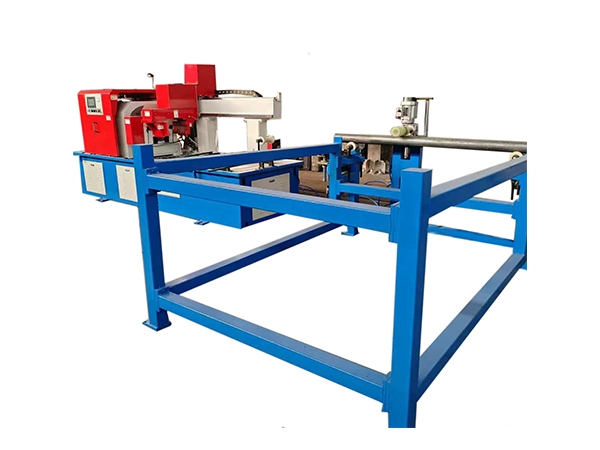
Solution: They implemented an automated metal tube cutting system with servo-driven feeding, precise angle adjustment, and laser-guided measurement.
Résultats:
- Scrap material reduced by 35%
- Labor hours per shift reduced by 20%
- Production capacity increased by 40%
- Improved cut accuracy and surface finish
This demonstrates how the right equipment can transform operational efficiency.
Maintenance Best Practices for Metal Tube Cutting Machines
Proper maintenance ensures longevity and consistent performance:
- Nettoyage régulier: Remove metal chips, dust, and coolant residues.
- Lubrification: Keep moving parts, guides, and bearings properly lubricated.
- Blade/Tool Inspection: Replace worn or dull cutting tools to maintain cut quality.
- Étalonnage: Periodically check machine alignment and laser calibration.
- Mises à jour logicielles: Keep CNC software updated for optimal performance.
Facilities following these protocols often experience a 25%-30% increase in machine lifespan and fewer unplanned stoppages.
Safety Considerations
Safety is paramount in metal tube cutting operations:
- Always wear protective equipment: gloves, goggles, hearing protection.
- Implement safety barriers or interlocks on automated machines.
- Train operators in emergency stops and safe material handling.
- Ensure proper ventilation, especially for laser or plasma cutting to prevent fumes.
Workshops implementing these safety measures report a significant reduction in workplace incidents.
Innovations in Metal Tube Cutting
- High-Speed Laser Cutting: Advanced lasers can cut complex shapes rapidly.
- Integrated Automation: Feeding, cutting, and stacking fully automated.
- Smart Monitoring: Sensors detect tool wear, vibration, and misalignment.
- Adaptive Cutting Technology: Machines adjust cutting speed and power based on tube hardness or diameter.
These innovations enhance production efficiency while maintaining high-quality output.
Practical Tips to Optimize Your Metal Tube Cutting Workflow
- Traitement par lots: Cut multiple tubes in sequence to reduce setup time.
- Use Appropriate Clamping: Secure tubes to prevent movement and ensure straight cuts.
- Minimize Heat Exposure: For laser cutting, use proper speed and power to avoid warping.
- Monitor Blade Wear: Frequent checks prevent burr formation.
- Integrate Material Handling: Conveyor feeding reduces manual handling and increases speed.
Comparative Analysis of Cutting Techniques
| Technique | Suitable Material | Précision | Vitesse de production | Entretien |
|---|---|---|---|---|
| Scie à ruban | Mild Steel, Aluminum | Moyen | Faible | Blade replacement every 1000 cuts |
| Découpe laser | Stainless Steel, Aluminum | Haut | Moyen-élevé | Annual alignment and lens cleaning |
| Plasma Cutting | Mild Steel | Moyen | Haut | Torch consumables need frequent replacement |
| Découpe au jet d'eau | Tous les métaux | Très élevé | Faible | Water and abrasive replacement required |
| CNC Tube Cutting | Steel, Aluminum, Copper | Haut | Haut | Routine lubrication, tool replacement |
Conclusion
Investing in the right metal tube cutting equipment can transform your workshop by improving accuracy, increasing productivity, reducing scrap, and enhancing safety. Understanding material properties, cutting techniques, and maintenance requirements is essential to maximize the value of your investment. By adopting automated and optimized processes, you can ensure consistent, high-quality output while minimizing downtime and operational costs.
Explore your options and upgrade your workshop today with efficient and precise metal tube cutting solutions to stay ahead in industrial fabrication.
FAQ
Peut automated tube cutting machines handle different tube diameters?
Yes, most CNC machines have adjustable clamps and programmable parameters to handle multiple diameters efficiently.
What is the difference between laser and plasma tube cutting?
Laser cutting offers higher precision and smoother edges, while plasma cutting is faster for thick materials but may require finishing.
How can I reduce burrs on cut tubes?
Using sharp tools, maintaining correct speed, and employing post-cut deburring processes minimize burrs.
Is automated tube cutting suitable for small workshops?
Yes, compact CNC tube cutters are designed for small to medium production without sacrificing accuracy.
What maintenance is required for metal tube cutting machines?
Regular cleaning, lubrication, blade or tool inspection, and software calibration are essential for consistent performance.
Need Help Choosing the Right Metal Tube Cutting Machine?
If you’re unsure which metal tube cutting solution fits your workshop, our experts at Commerce international Cangzhou Terok Co., Ltd. sont prêts à vous aider. Contactez-nous aujourd'hui for a personalized consultation and ensure your cutting operations are accurate, efficient, and safe. Don’t wait—reach out now to upgrade your production capabilities!
 French
  English
  Spanish