
Table des matières
Introduction
Conveyor belt drive rollers are the components responsible for propelling the conveyor belt and moving materials along the system. Unlike idler rollers, which merely support the belt, drive rollers transmit power from the motor to the belt surface. They are designed to handle various load capacities, environmental conditions, and operational speeds. For operators like you, selecting the right drive roller means the difference between smooth production and frequent maintenance issues.
Comment Conveyor Belt Drive Rollers Work
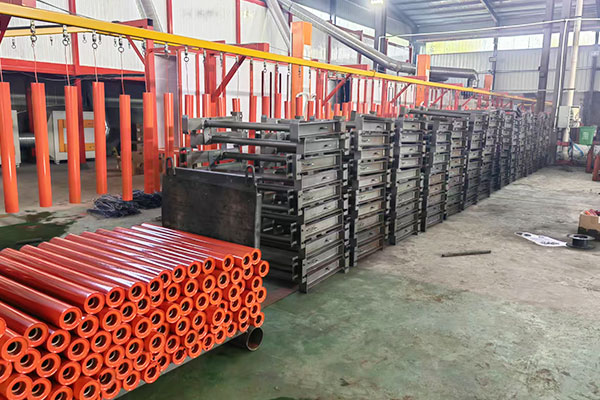
Drive rollers work on a simple principle: they rotate, gripping the conveyor belt through friction or surface traction, and transfer motion from the motor or drive system to the belt. In systems with multiple rollers, proper alignment ensures even load distribution and prevents belt slippage. The combination of roller diameter, surface coating, and speed determines how efficiently the belt moves materials. For instance, a high-friction rubber coating can improve traction on inclined conveyors without increasing motor power.
Types of Conveyor Belt Drive Rollers
Understanding the types of drive rollers can help you make informed decisions for your system:
- Steel Drive Rollers: Ideal for heavy-duty applications, offering durability but may require additional friction coatings for optimal traction.
- Rouleaux recouverts de caoutchouc: Provide higher grip, especially useful for belts that carry fine or inclined materials.
- Stainless Steel Rollers: Resistant to corrosion, suitable for environments exposed to moisture or chemicals.
- High-Friction Rollers: Specialized coatings increase belt grip, reduce slippage, and improve power transmission efficiency.
Each type has advantages depending on your system’s load, speed, and environmental conditions. Selecting the right type ensures consistent material flow and reduces wear on both belts and rollers.
Key Components of Drive Rollers
Drive rollers consist of several critical components that determine their performance and lifespan:
| Composant | Fonction | Materials / Notes |
|---|---|---|
| Coquille à rouleaux | Transfers rotational motion to the belt | Steel, stainless steel, or rubber-coated |
| Roulements | Enable smooth rotation with minimal friction | Sealed ball or roller bearings |
| End Caps & Seals | Protect internal components from dust and moisture | Rubber or metal seals |
| Arbre | Transmits torque and supports roller structure | High-strength steel |
Choosing high-quality materials for each component ensures durability and reduces the frequency of maintenance interventions.
Advantages of High-Quality Conveyor Belt Drive Rollers
Investing in premium drive rollers offers tangible benefits for your operation:
- Enhanced Belt Traction: Reduces slippage and ensures consistent movement of materials.
- Efficacité énergétique: Less slippage means motors operate at lower loads, reducing power consumption.
- Extended Equipment Life: Minimizes wear on both belts and rollers, saving replacement costs.
- Reduced Downtime: Fewer mechanical failures lead to higher production uptime.
For example, a medium-sized warehouse upgraded to high-friction drive rollers and observed a 15% improvement in material throughput while reducing motor energy usage by 8%.
Défis et solutions communs
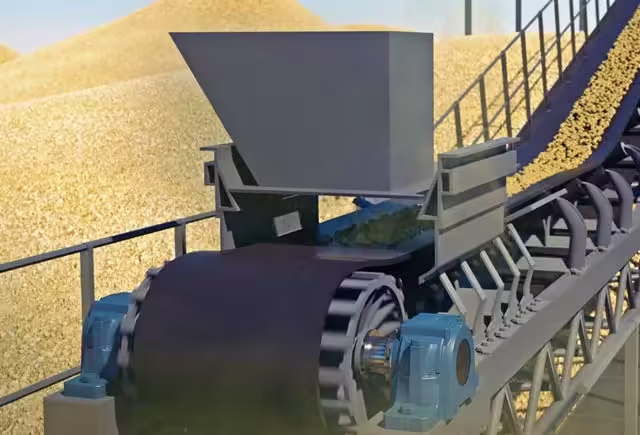
Even with high-quality rollers, challenges can arise:
- Bearing Wear: Frequent inspections and proper lubrication prevent premature failure.
- Désalignement: Misaligned rollers can cause uneven belt tension and reduce efficiency. Use laser alignment tools for precision.
- Environmental Contamination: Dust, moisture, and debris can penetrate roller bearings. Choosing sealed bearings and performing regular cleaning mitigates this.
Preventive maintenance schedules are critical. You should check rollers for wear, alignment, and bearing lubrication at least once per production cycle to maintain peak performance.
Selecting the Right Conveyor Belt Drive Roller
When selecting drive rollers, consider the following:
- Capacité de charge: Ensure rollers can handle maximum belt load without deformation.
- Belt Width and Speed: Rollers must match the belt dimensions and operational speed to maintain proper traction.
- Conditions environnementales: For corrosive or humid conditions, opt for stainless steel or coated rollers.
- Compatibilité des matériaux: Rubber coatings or high-friction surfaces improve grip in inclined systems.
| Application Requirement | Recommended Roller Type | Notes |
|---|---|---|
| Heavy load, flat belt | Steel roller | Durable, may require coating |
| Inclined belt, fine materials | Rubber-coated high-friction roller | Reduces slippage |
| Wet or corrosive environment | Stainless steel roller | Prevents rust and degradation |
| High-speed light load | Lightweight steel roller | Reduces inertia and energy consumption |
This decision-making framework ensures you choose rollers that optimize both performance and longevity.
Meilleures pratiques de maintenance
To maximize your conveyor belt drive rollers performance:
- Inspect bearings monthly for wear and lubrication.
- Clean rollers regularly to remove debris and dust buildup.
- Monitor roller alignment and tension to prevent belt tracking issues.
- Consider predictive maintenance tools like vibration sensors to detect early signs of wear.
Following these practices helps you avoid unexpected downtime and maintain operational efficiency.
Innovations and Trends
Modern conveyor systems are seeing advancements such as:
- Smart Drive Rollers: Integrated sensors monitor rotation, temperature, and vibration in real-time.
- Energy-Efficient Designs: Reduced friction coatings and optimized roller diameters lower motor energy consumption.
- Advanced Coatings: Anti-wear, non-stick, and anti-corrosion coatings extend operational life.
Investing in these innovations can help you future-proof your material handling operations.
Études de cas réels
Case Study 1: A logistics warehouse upgraded to rubber-coated high-friction rollers. Belt slippage decreased by 20%, and throughput increased by 12%, resulting in significant operational savings.
Case Study 2: A manufacturing plant replaced worn steel rollers with sealed stainless steel drive rollers in a humid environment. Bearing failure rates dropped by 40%, and maintenance downtime decreased by 30%.
These examples highlight how selecting and maintaining proper drive rollers directly improves efficiency and reduces costs.
Conclusion
Understanding the role of conveyor belt drive rollers in your system is crucial for operational efficiency. By selecting high-quality rollers, performing regular maintenance, and adopting modern innovations, you can improve material flow, extend equipment life, and reduce overall operational costs. Whether upgrading your current system or planning a new installation, investing in the right drive rollers ensures your conveyor system remains reliable and efficient for years to come.
FAQ
Que sont conveyor belt drive rollers?
Conveyor belt drive rollers are the powered rollers that move the belt, ensuring smooth and consistent material transport in a conveyor system.
How do drive rollers improve conveyor efficiency?
By providing reliable rotation and traction, drive rollers reduce belt slippage, minimize energy loss, and maintain steady material flow.
What materials are conveyor belt drive rollers made of?
They are commonly made from steel or aluminum with durable coatings, designed to withstand heavy loads and harsh environments.
How often should conveyor drive rollers be maintained?
Regular maintenance is recommended every 3–6 months, including lubrication, inspection for wear, and alignment checks to extend roller life.
Can I replace a single drive roller without affecting the conveyor system?
Yes, most systems allow individual drive roller replacement, but it’s important to match specifications to ensure proper belt tension and system performance.
 French
  English
  Spanish