
Tabla de contenido
If you are involved in conveyor roller production, you know how critical the precision assembly of bearings is for the overall performance and durability of your rollers. Investing in the right equipment can transform your workshop efficiency, reduce labor intensity, and ensure consistent product quality. The roller double-end automatic setting bearing machine is one such machine that allows you to achieve high productivity and precision simultaneously.
In this article, we will explore how this semi-automatic machine can enhance your production line, analyze technical specifications, share real-world case studies, and provide actionable tips to optimize your workflow.
What is a Roller Double-End Automatic Setting Bearing Machine?
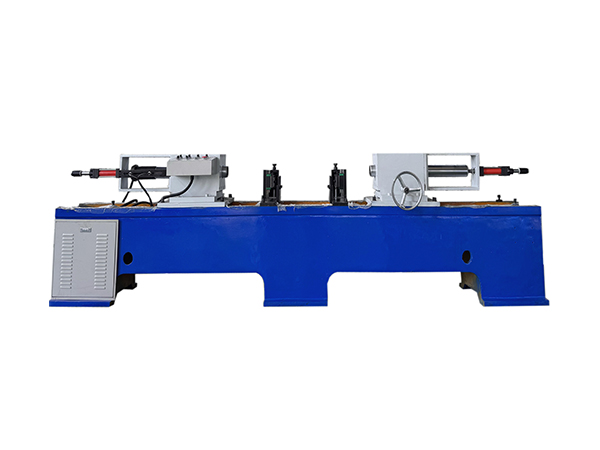
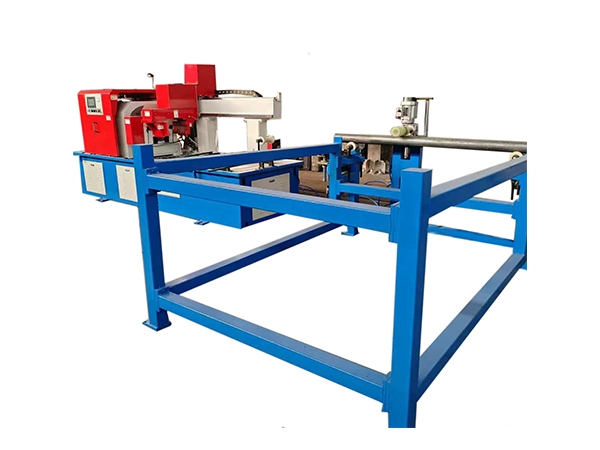
El roller double-end automatic setting bearing machine is a specialized semi-automatic equipment designed for hydraulic bearing pressing in conveyor rollers. It is suitable for both domestic and international roller types, including cast iron rollers and rollers with pressed bearing housings.
Key highlights of the machine include:
- Hydraulic Pressing: Ensures precise bearing installation with minimal risk of damage.
- Dual-End Operation: Both ends of the roller can be pressed simultaneously, significantly increasing efficiency.
- Adjustable Roller Size Compatibility: Length and diameter can be adjusted within a specified range.
- Manual Loading: Allows flexibility and control over the assembly process.
- Models Available: TY-1602200 and TY-2202200, catering to different roller sizes and production volumes.
With these features, you can streamline batch production while maintaining high assembly quality.
Why You Should Consider This Machine
If your current production relies heavily on manual pressing, you might face challenges such as inconsistent bearing alignment, slow output, and high labor costs. The roller double-end automatic setting bearing machine addresses these issues:
- Increased Productivity: Dual-end pressing reduces the cycle time per roller, allowing more units to be produced per shift.
- Precision Assembly: Hydraulic pressing ensures that bearings are installed accurately, reducing defective products.
- Labor Efficiency: Operators can handle multiple rollers with less physical strain.
- Cost-Effective: Reduces rework and scrap rates, lowering operational expenses.
- Versatilidad: Handles various types of rollers and bearing housings without major adjustments.
For example, a conveyor roller factory using manual pressing previously produced 120 rollers per day with a 6% defect rate. After switching to the TY-220*2200 model, output increased to 180 rollers per day, with defects dropping below 2%.
Technical Specifications
Below is a placeholder for your technical specifications table. You can fill in the exact data for your two models: TY-1602200 and TY-2202200.
| Artículo | Parámetro |
| Modelo | TY-220*2200 |
| Altura del centro del husillo | 850 milímetros |
| Diámetro del rodillo prensado | Φ76~219mm |
| Longitud del rodillo prensado | 200~2200 milímetros |
| Presión de trabajo del sistema hidráulico | 2,5~4,5 MPa |
| Fuerza máxima de presión | 4000 kgf |
| Dimensión total | 3900*700*1100 mm |
| Desviación coaxial de los husillos de prensado de ambos lados | ≤0,1 mm |
The table should include:
- Roller diameter range
- Maximum roller length
- Hydraulic pressure
- Power supply
- Cycle time per roller
This data will help your customers quickly understand the capabilities of each model.
Key Components and Breakdown
Understanding the main components of the machine helps you maintain and troubleshoot efficiently.
| Nombre | Modelo | Fabricante |
| Unidad hidráulica | Kanghao | |
| SOCIEDAD ANÓNIMA | CE-24 | Delta de Taiwán |
| Contactor de CA | CJX2 | Delixi |
| Botón | SB2 | Delixi |
| Interruptor de aproximación | LJ12A3-4 DC6-36V | |
| Microrelé | LNY-DC24V | OMRON |
The breakdown should cover:
- Hydraulic cylinders
- Pressing head assemblies
- Control system
- Manual loading area
- Safety devices
Providing this information improves trust and transparency with potential buyers.
Real-World Applications
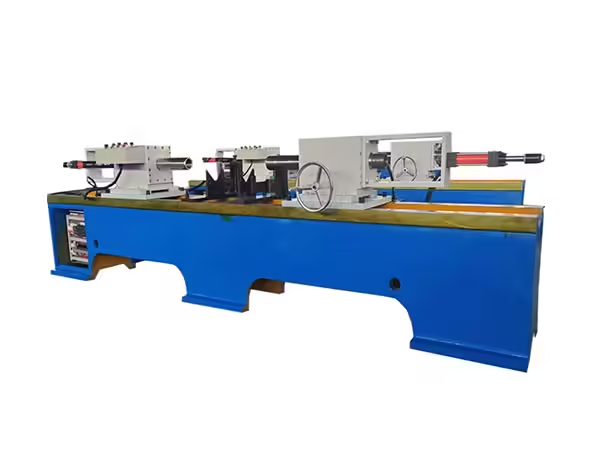
Case Study 1: Batch Production Optimization
A conveyor roller manufacturer producing cast iron rollers faced issues with inconsistent bearing pressing using manual methods. By implementing the TY-220*2200 roller double-end automatic setting bearing machine, they achieved:
| Métrico | Before | After |
|---|---|---|
| Daily Output | 120 rollers | 180 rollers |
| Defect Rate | 6% | 1.8% |
| Labor Hours | 10 hours | 6 hours |
Insights: Dual-end pressing combined with hydraulic control not only increased throughput but also improved worker ergonomics.
Case Study 2: Versatile Roller Handling
A facility producing rollers of varying lengths and diameters switched to the TY-160*2200 model. The adjustable roller size compatibility allowed them to handle both small and medium rollers without switching machines, reducing setup time and increasing production flexibility.
How to Optimize Your Workflow
- Organize Manual Loading: Place rollers in sequence for efficient feeding.
- Monitor Hydraulic Pressure: Ensure consistent pressing force for accurate bearing installation.
- Use Dual-End Pressing Strategically: Batch similar size rollers to maximize simultaneous operation.
- Document Settings: Maintain a log of pressure, stroke, and cycle time for quality control.
- Train Operators: Even with semi-automatic machines, trained operators improve safety and efficiency.
Safety Measures
Even with automated hydraulic pressing, safety remains critical:
- Always use protective gloves and eyewear.
- Ensure emergency stop buttons are accessible.
- Do not adjust the press while it is operating.
- Keep the workspace clean to avoid slips or interference with machine movement.
Maintenance Tips
Maintaining the machine properly ensures long-term reliability:
- Clean hydraulic cylinders and pressing heads daily.
- Inspect hoses and connections for leaks.
- Lubricate moving parts according to manufacturer recommendations.
- Check the control system regularly for errors.
- Replace worn components promptly.
Well-maintained machines can operate reliably for years, supporting high-volume production without excessive downtime.
Advantages Over Manual Pressing
| Característica | Manual Pressing | Máquina de ajuste automático de rodamientos de doble extremo con rodillos |
|---|---|---|
| Pressing Accuracy | ±0,5 mm | ±0,1 mm |
| Output per Shift | 120 rollers | 180+ rollers |
| Intensidad laboral | Alto | Medio |
| Error Rate | 6% | <2% |
| Cycle Time per Roller | 4-5 min | 2-3 min |
This comparison clearly shows how automation can improve precision, speed, and cost-effectiveness.
Conclusión
El roller double-end automatic setting bearing machine is a powerful tool for any conveyor roller production workshop. Its hydraulic dual-end pressing, adjustable roller compatibility, and semi-automatic operation allow you to increase productivity, reduce defects, and optimize labor efficiency. By integrating this machine into your workflow, you can ensure consistent quality, faster production cycles, and a safer work environment.
Whether your goal is batch production or high-precision roller assembly, investing in this machine is a strategic decision that directly impacts operational efficiency and profitability.
Preguntas frecuentes
What types of rollers can roller double-end automatic setting bearing machine ¿manejar?
It is suitable for cast iron rollers and rollers with pressed bearing housings of various sizes.
Can both ends of a roller be pressed simultaneously?
Yes, dual-end pressing is one of the machine’s key advantages, reducing cycle time and improving efficiency.
How adjustable is the machine for different roller sizes?
The roller length and diameter can be adjusted within a specified range, allowing flexibility for different production needs.
What maintenance is required?
Daily cleaning, hydraulic inspections, lubrication, and component checks are necessary to maintain optimal performance.
Is training required to operate the machine?
While the machine is semi-automatic, trained operators can maximize safety, accuracy, and productivity.
 Spanish
  English
  French