

Tabla de contenido
When managing a warehouse or manufacturing facility, the smooth operation of your conveyor system is critical. Pallet conveyor rollers are an essential component that ensures your goods move efficiently, safely, and reliably across different stages of production or storage. Whether you are handling heavy pallets, fragile products, or high-volume shipments, understanding how these rollers work, how to select the right ones, and how to maintain them can save time, reduce costs, and increase operational efficiency.
What Are Pallet Conveyor Rollers?
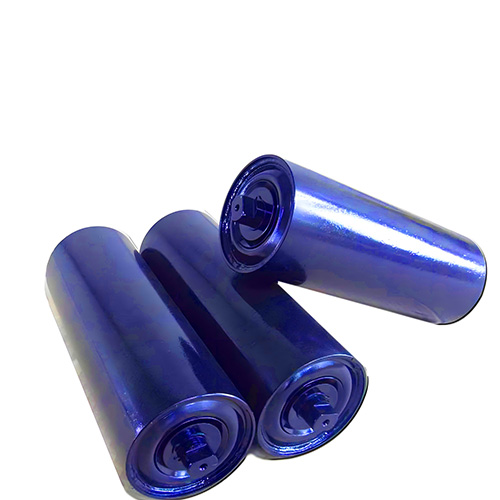
Pallet conveyor rollers are cylindrical components that support and guide pallets along a conveyor system. Unlike standard rollers, pallet rollers are specifically designed to handle heavy loads and large surface areas, often featuring reinforced shafts and bearings to prevent deformation under stress. They are widely used in logistics, distribution centers, food processing, and manufacturing lines.
The main components of a pallet conveyor roller include:
- Outer Tube or Shell: Typically made of steel or aluminum for durability.
- Bearing Assembly: Allows the roller to rotate smoothly under heavy loads.
- End Caps: Seal the roller and prevent contaminants from entering the bearing.
- Shaft: Transfers the load from the pallet to the bearing and support frame.
Benefits of Using Pallet Conveyor Rollers
- Increased Efficiency: Reduce downtime caused by stuck or misaligned pallets.
- Enhanced Load Capacity: Handle heavier pallets without bending or failure.
- Reduced Maintenance Costs: Durable rollers require fewer replacements.
- Improved Safety: Smooth operation decreases the risk of product damage and operator injury.
- Versatility: Compatible with different pallet sizes and conveyor types.
For example, a medium-sized distribution warehouse recently replaced its standard rollers with heavy-duty pallet conveyor rollers. The result was a 30% increase in throughput and a noticeable reduction in product damage.
Types of Pallet Conveyor Rollers
1. Steel Rollers
Steel rollers are robust and suitable for heavy-duty applications. They resist wear and deformation and are ideal for high-load pallets.
2. Stainless Steel Rollers
Perfect for food processing or chemical environments, stainless steel rollers provide corrosion resistance while maintaining high strength.
3. Plastic or HDPE Rollers
Lightweight and corrosion-resistant, plastic rollers are suitable for moderate loads and wet environments.
4. Powered Rollers
Some pallet conveyor rollers include built-in motors for automated movement, allowing precise control over pallet flow and speed.
How to Choose the Right Pallet Conveyor Roller
When selecting pallet conveyor rollers, consider the following:
- Load Capacity: Ensure the roller can support the maximum weight of your pallets.
- Roller Diameter: Larger diameters reduce friction and wear.
- Tipo de rodamiento: Sealed bearings extend life in dusty or wet conditions.
- Material Compatibility: Select materials suited for your environment, e.g., stainless steel for corrosive conditions.
- Conveyor Speed: High-speed lines require precise and balanced rollers to prevent vibration or noise.
Real-World Applications
| Industry | Tipo de rodillo | Beneficio |
|---|---|---|
| Food Processing | Stainless Steel | Prevents contamination, resists corrosion |
| E-commerce Warehouse | Acero | Handles heavy mixed pallets efficiently |
| Beverage Industry | HDPE | Lightweight pallets reduce noise |
| Automotor | Powered Steel | Automated pallet movement, reduces manual labor |
These examples illustrate how choosing the right pallet conveyor rollers can improve productivity and operational safety across different sectors.
Installation and Maintenance Tips
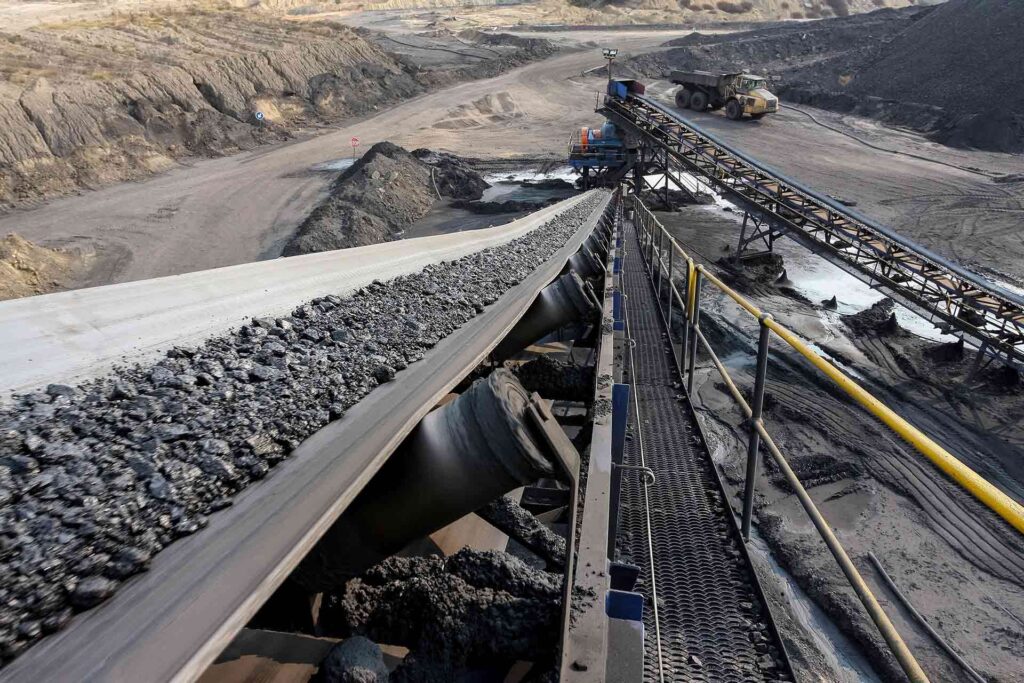
- Proper Alignment: Misaligned rollers can cause pallets to jam or lean.
- Regular Lubrication: Bearings should be lubricated based on the manufacturer’s recommendation.
- Load Monitoring: Avoid overloading rollers to extend their lifespan.
- Inspection Schedule: Regularly check for wear, rust, or deformation.
- Quick Replacement: Keep spare rollers on hand to minimize downtime.
A case study from a logistics company demonstrated that implementing a scheduled maintenance program and using high-quality pallet rollers reduced conveyor downtime by 40% over six months.
Problemas comunes y soluciones
| Asunto | Because | Solución |
|---|---|---|
| Pallets getting stuck | Misaligned rollers | Realign conveyor frame and rollers |
| Roller noise | Worn bearings | Replace bearings and lubricate |
| Corrosión | Exposure to moisture | Use stainless steel or coated rollers |
| Deformation | Overloading | Reduce load or upgrade roller size |
These practical solutions ensure smooth operation and prolong roller life.
Case Study: Optimizing Warehouse Operations
A regional logistics center handling over 1,000 pallets per day switched to reinforced steel pallet conveyor rollers. Key outcomes included:
- Efficiency Gains: 25% faster pallet movement.
- Reduced Product Damage: 50% decrease in scratches and dents.
- Labor Reduction: Fewer manual interventions required.
- Long-Term Cost Savings: Extended roller lifespan and reduced maintenance.
Conclusión
Investing in pallet conveyor rollers is more than a hardware upgrade—it’s a strategic decision to enhance efficiency, safety, and reliability in material handling. By selecting the appropriate roller type, performing regular maintenance, and monitoring operational load, you can optimize your conveyor systems and achieve consistent performance for years.
Preguntas frecuentes
How do I choose the best pallet conveyor roller for my warehouse?
Consider load capacity, roller material, bearing type, and environmental conditions to select the most suitable roller.
How often should rollers be maintained or replaced?
Inspections every 3–6 months are recommended. Replace rollers showing wear, corrosion, or bearing failure.
Can I use pallet rollers in high-speed conveyors?
Yes, but ensure they have precision bearings and are balanced to prevent vibration.
Are there rollers suitable for wet or corrosive environments?
Stainless steel or coated rollers are ideal for moisture, chemicals, or food-grade applications.
How do powered pallet rollers differ from regular rollers?
Powered rollers integrate motors to automate pallet movement, reducing manual labor and increasing line speed.
 Spanish
  English
  French