
Tabla de contenido
Introducción
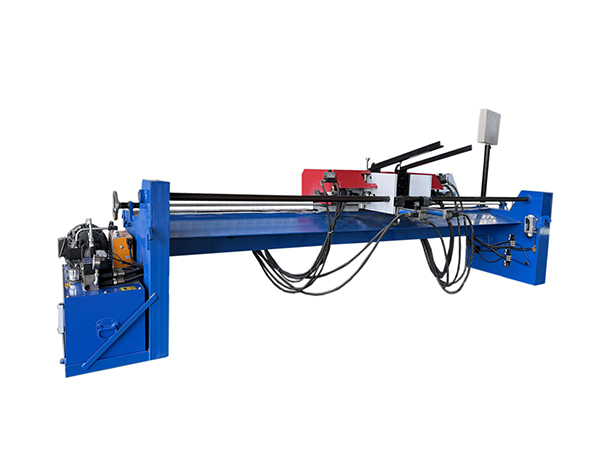
A chamfering machine is a specialized tool used in metal fabrication to create angled edges or beveled surfaces on pipes, tubes, and other metal components. Chamfering is essential for ensuring proper fit, weld preparation, and aesthetic finishing. By automating this process, chamfering machines reduce manual labor, improve precision, and enhance overall workflow.
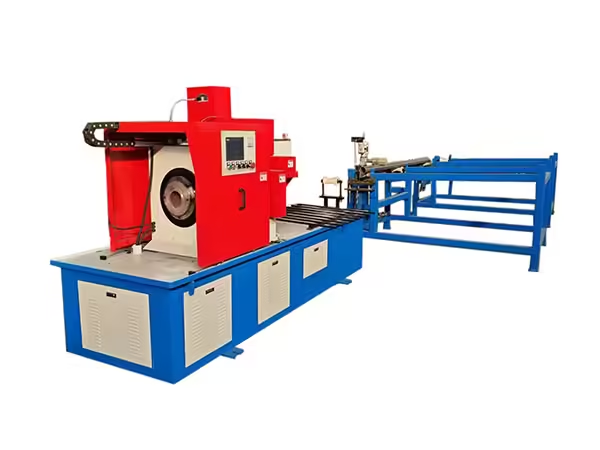
Chamfering machines come in various types, including manual, automatic, and CNC models. Manual machines require operator involvement for feeding and cutting, while automatic machines handle the entire process, and CNC machines provide the highest precision and programmable control for complex applications. Choosing the right type depends on your production volume, material, and precision requirements.
Increased Precision and Accuracy
Precision is one of the most significant advantages of using a chamfering machine. These machines ensure consistent, uniform chamfers on every piece, minimizing errors and reducing the need for rework.
Manual chamfering often leads to uneven edges, especially when handling large batches or high-volume production. Automatic and CNC machines maintain exact angles and depth settings, delivering reliable results every time. This consistency not only improves product quality but also reduces material waste.
Enhanced Production Efficiency
A chamfering machine significantly increases production speed. While manual chamfering may require several minutes per piece, automated machines can process multiple pipes or components simultaneously, dramatically improving throughput.
Continuous operation is another advantage. With automated feeding, clamping, cutting, and ejection systems, chamfering machines minimize downtime between processes, allowing manufacturers to complete more work in less time while maintaining high quality.
Material Versatility
Modern chamfering machines are designed to handle a wide range of materials. Whether you are working with stainless steel, aluminum, carbon steel, or even plastic pipes, the machine can adapt through adjustable cutting speeds, blade types, and pressure settings.
Additionally, chamfering machines can accommodate various diameters and wall thicknesses, providing flexibility across different projects. This versatility makes them ideal for workshops that handle multiple types of components without needing separate equipment for each material.
Improved Safety for Operators
Manual chamfering exposes operators to sharp edges, hot metal, and repetitive strain, increasing the risk of injury. Chamfering machines reduce these risks by automating the cutting process, minimizing direct contact with the workpiece.
Most machines are equipped with safety features such as guards, emergency stops, and enclosed cutting zones. These elements ensure operators can work efficiently without compromising safety.
Reduced Material Waste
Accurate chamfering minimizes scrap and material loss. A properly set chamfering machine ensures precise cuts, reducing the chances of over-cutting or misalignment.
Using high-quality blades and adjusting the cutting speed according to material type further enhances efficiency and reduces the need for corrective work. Less waste translates directly into cost savings for manufacturers.
Long-Term Cost Savings
Although investing in a chamfering machine may require a higher upfront cost, the long-term savings are substantial. Automation reduces labor costs and minimizes rework, while precise cuts save materials. Over time, this leads to a lower cost per unit and a higher return on investment.
In addition, efficient workflow and reduced downtime improve overall production capacity, allowing manufacturers to take on more projects and increase revenue.
Easy Maintenance and Longevity
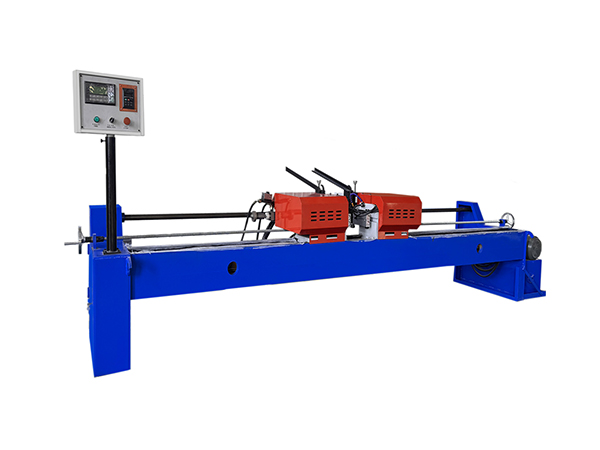
Chamfering machines are designed for durability, but routine maintenance is essential to maximize their lifespan. Regular cleaning removes metal shavings and debris, while lubrication ensures smooth operation of moving parts. Blade inspection and replacement prevent cutting inconsistencies and prolong machine life.
Common issues like vibration, misalignment, or blade wear can be easily identified and addressed with preventive maintenance, ensuring that the machine continues to perform optimally for years.
Aplicaciones en diferentes industrias
Chamfering machines are used across multiple industries:
- Metal Fabrication Workshops: Ensuring precise edges on pipes and components.
- Construction and HVAC: Preparing pipes for welding and assembly.
- Industrial Manufacturing: High-volume production of pipes and metal tubes.
- Automotive and Aerospace: Creating precise chamfers for mechanical parts.
Their versatility and efficiency make them indispensable in any setting where precision and productivity are critical.
How to Choose the Right Chamfering Machine
Selecting the right chamfering machine requires careful consideration of several factors:
- Tipo de material: Ensure the machine can handle the metals or plastics you work with.
- Pipe Diameter and Thickness: Check the machine’s specifications to accommodate your project needs.
- Volumen de producción: High-volume operations benefit from automatic or CNC machines.
- Requisitos de precisión: CNC machines are ideal for applications requiring exact angles and repeatable results.
- Budget and Supplier: Consider upfront cost, after-sales support, and availability of replacement parts.
Comparing manual, automatic, and CNC options can help you determine the best fit for your workshop’s workflow and budget.
Conclusión
A chamfering machine offers numerous benefits in metal fabrication, including precision, efficiency, versatility, and safety. By investing in the right type of machine and maintaining it properly, manufacturers can reduce material waste, lower costs, and improve overall productivity.
If you are ready to optimize your metal fabrication process, Contáctanos hoy for expert advice and tailored chamfering machine solutions. Take the next step toward precision, efficiency, and long-term cost savings with the right equipment.
Preguntas frecuentes
¿Qué es un/una chamfering machine?
A chamfering machine is a tool used to create beveled edges on pipes, tubes, or metal components for welding, assembly, or finishing purposes.
Can a beveling machine handle different materials?
Yes, most modern beveling machines can process metals like steel, aluminum, stainless steel, and even some plastics or composite pipes.
How do I choose the right beveling machine?
Consider material type, pipe diameter, production volume, precision requirements, and whether you need manual, automatic, or CNC operation.
How often should a beveling machine be maintained?
Routine maintenance, including cleaning, lubrication, and blade inspection, should be performed regularly to ensure accuracy and extend machine life.
What are the advantages of using a beveling machine?
Chamfering machines improve cutting precision, increase productivity, reduce material waste, enhance operator safety, and support multiple materials and sizes.
Need Help Choosing the Right Chamfering Machine?
If you’re unsure which chamfering machine is best for your workshop or production line, our experts are here to guide you. Contact us today for a personalized consultation, and ensure your metal fabrication process is efficient, precise, and cost-effective. Don’t wait to improve your workflow—get in touch now to optimize your production and achieve high-quality results!
 Spanish
  English
  French